Ultimate Guide to Building Top Magic Arena Decks in 2026
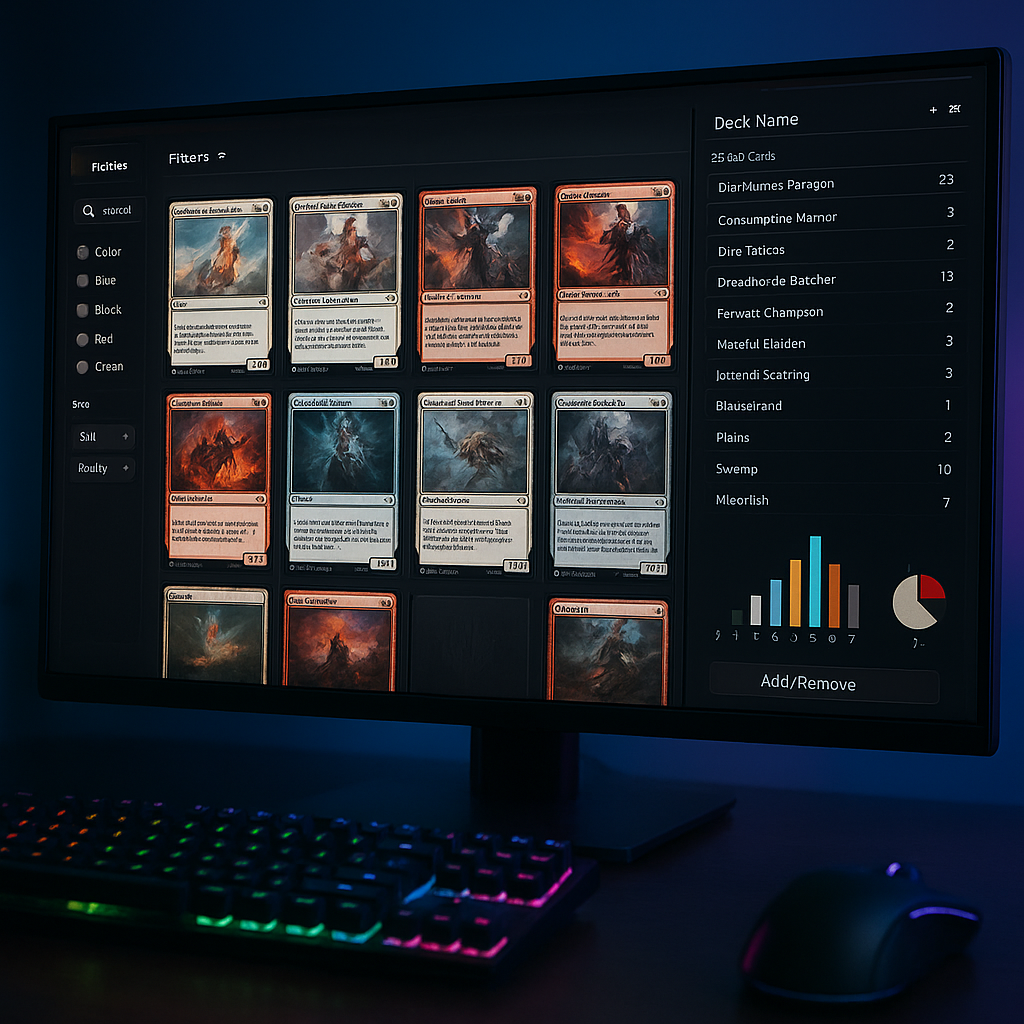
Magic: The Gathering Arena has revolutionized how millions of players experience the world’s most strategic trading card game, offering instant access to competitive play without the need for physical cards. As the premier digital MTG platform, Arena demands a completely different approach to deck construction than traditional paper Magic, where understanding the meta, resource management, and format-specific strategies can make the difference between climbing the ranked ladder and staying stuck in lower tiers. Building successful magic arena decks requires mastering both fundamental deck building principles and Arena’s unique digital ecosystem, from wildcard economy optimization to best-of-one format considerations.
Whether you’re a newcomer seeking your first competitive magic the gathering arena best deck or a seasoned player looking to refine your construction skills, this comprehensive guide covers everything you need to dominate Arena’s diverse formats in 2026. From mastering Arena’s built-in magic deck builder tools and understanding the current meta archetypes to developing budget-friendly strategies and avoiding common pitfalls, you’ll discover proven techniques that top-ranked players use to consistently build winning decks across Standard, Historic, and Limited formats.
Magic Arena Deck Building Fundamentals
Building competitive magic arena decks requires a solid understanding of fundamental deck construction principles that separate winning builds from random card collections. Whether you’re using Magic Arena’s built-in magic the gathering deck builder or planning your strategy offline, mastering these core concepts will dramatically improve your win rate and climbing potential on the Arena ladder.
Understanding Deck Construction Rules
Every magic arena deck must contain a minimum of 60 cards, though most competitive players stick exactly to this number to maximize consistency. The four-copy rule limits you to no more than four copies of any single card except basic lands, which can appear in unlimited quantities. This restriction forces strategic decisions about which cards deserve maximum inclusion versus those that work better as one or two-ofs.
Format legality determines which cards you can include in your deck. Standard rotates annually and currently includes sets from the past two years, while Historic allows cards from Magic Arena’s entire card pool. Pioneer and Explorer formats occupy middle ground with different banned lists that shape the competitive landscape. Understanding these boundaries helps you identify which cards form the foundation of any magic the gathering arena best deck in your chosen format.
Sideboard construction follows similar rules, allowing up to 15 additional cards that can be swapped in during best-of-three matches. Effective sideboards address your deck’s weaknesses and provide targeted answers to popular strategies in the current metagame.
Mana Curve and Color Distribution
The mana curve represents the converted mana cost distribution across your spells and directly impacts your deck’s tempo and consistency. Most successful magic arena decks feature curves that peak at two or three mana, ensuring you can deploy threats early while maintaining action throughout the game. Aggressive decks typically run 12-16 one-mana spells, while control decks shift their curve higher with more expensive but powerful effects.
Color distribution requires careful balance between consistency and power. Two-color decks offer the most reliable mana bases, running approximately 24-26 lands with 8-12 dual lands for color fixing. Three-color builds need 26-27 lands and prioritize fetchlands, shocklands, and triomes to support their ambitious mana requirements. Single-color decks maximize consistency but sacrifice access to powerful multicolored spells that often define the best arena deck options.
Land selection significantly impacts your deck’s performance. Fast dual lands like shocklands enable aggressive strategies, while slow lands like temples suit control decks that can afford to enter tapped. Utility lands provide additional value but compete with colored mana sources, creating tension between power and consistency that skilled deck builders must navigate.
Win Conditions and Game Plan
Every competitive deck needs clearly defined win conditions that align with its overall strategy. Primary win conditions represent your main path to victory, whether that’s aggressive creatures like Monastery Swiftspear, powerful planeswalkers like Teferi, Hero of Dominaria, or combo pieces that create overwhelming advantages. Secondary win conditions provide backup plans when your primary strategy faces disruption.
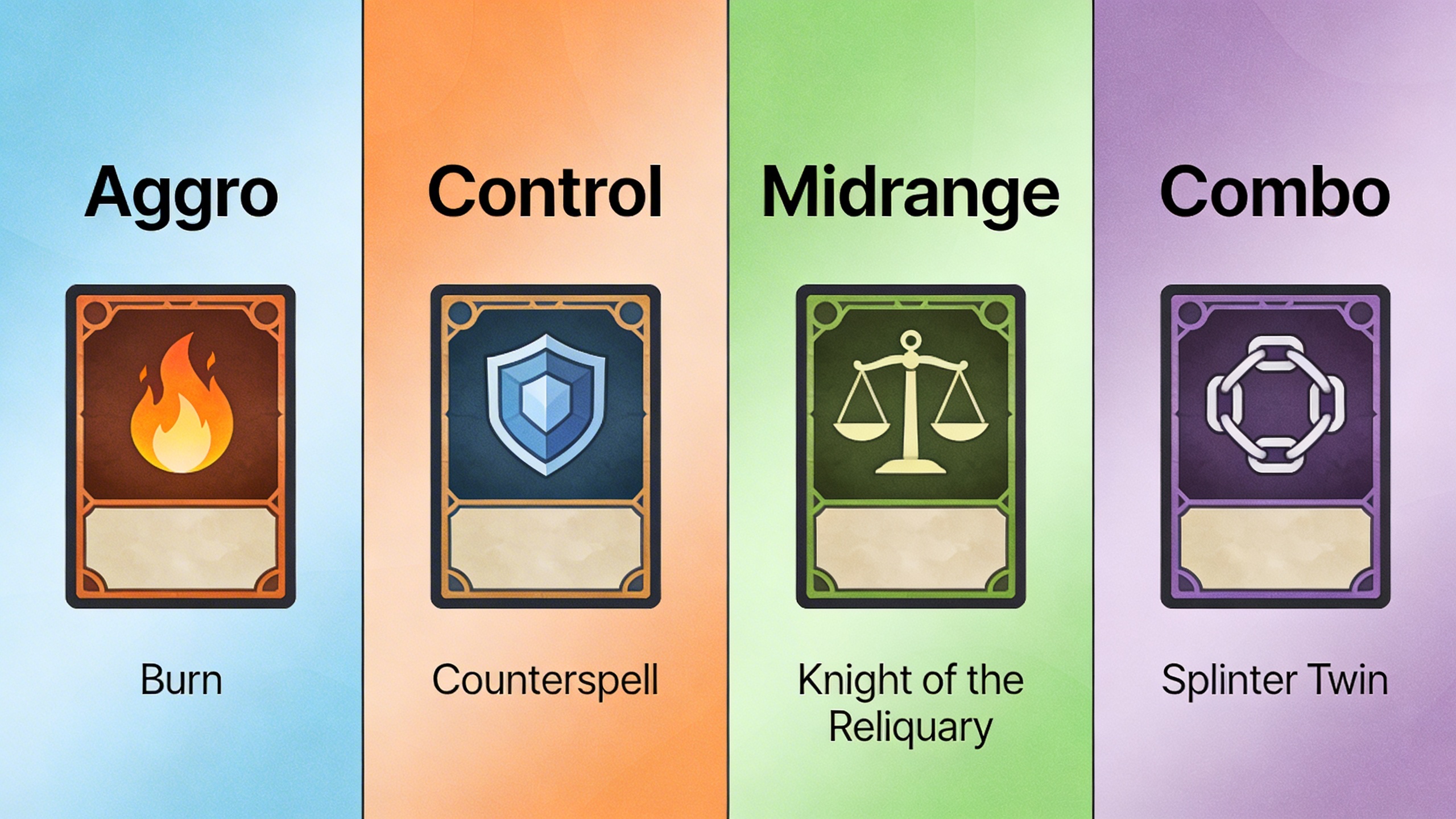
Aggressive decks typically win through creature damage, prioritizing low-cost threats and burn spells that apply immediate pressure. Control decks aim to stabilize the board before deploying game-ending threats protected by counterspells and removal. Midrange strategies combine elements of both approaches, using efficient threats backed by selective interaction.
Your game plan should account for different matchup scenarios. Against aggressive opponents, you might prioritize early removal and lifegain effects. Control matchups often revolve around card advantage and protecting key threats from counterspells. Understanding these dynamics helps you make informed mulligan decisions and sequence your plays optimally.
Successful magic deck builder approaches also consider the current metagame when selecting win conditions. If artifact-based strategies dominate, including maindeck artifact hate becomes valuable. When creature decks proliferate, sweeper effects gain importance. Adapting your win conditions to exploit popular strategies’ weaknesses creates significant competitive advantages in ranked play.
Arena Formats and Deck Building Strategies
Understanding the different formats available on Magic Arena is crucial for developing effective magic arena decks. Each format presents unique deck building challenges and opportunities, requiring distinct strategies to maximize your success rate. The key to mastering Arena lies in recognizing how format restrictions, card pools, and meta considerations shape your deck building decisions.
Standard Format Deck Building
Standard remains the most popular format for competitive magic arena decks, featuring cards from the most recent two years of releases. As of 2026, the current Standard rotation includes sets from Murders at Karlov Manor forward, with the next rotation scheduled for fall 2026. This creates a focused card pool that emphasizes recent design philosophies and balanced power levels.
When using any magic the gathering deck builder for Standard, prioritize cards that offer immediate board impact or long-term value engines. The current Standard environment rewards proactive strategies, making efficient creatures and versatile removal spells essential components. Cards like Sheoldred, the Apocalypse and Fable of the Mirror-Breaker continue to define the format’s power level, serving as benchmarks for evaluating new additions to your deck lists.
Standard deck building requires constant adaptation to rotation schedules. Smart builders focus on acquiring cards from the newest sets first, as these will remain legal longest. The magic the gathering arena best deck archetypes typically emerge within the first month after each new set release, making early testing and refinement crucial for competitive success.
| Standard Archetype | Key Cards | Win Rate | Difficulty |
|---|---|---|---|
| Mono-Red Aggro | Lightning Strike, Monastery Swiftspear | 62% | Low |
| Esper Control | Supreme Verdict, Teferi, Hero of Dominaria | 58% | High |
| Golgari Midrange | Sheoldred, Liliana of the Veil | 60% | Medium |
Historic and Explorer Considerations
Historic and Explorer formats offer expanded card pools that create unique opportunities for magic deck builder enthusiasts. Historic includes Arena’s entire card collection plus special additions, while Explorer aims to recreate Pioneer format within Arena’s limitations. These eternal formats reward deep card knowledge and innovative deck building approaches.
The broader card pool in Historic enables powerful synergy-based strategies impossible in Standard. Decks built around cards like Collected Company or Winota, Joiner of Forces can leverage historic-specific additions to create explosive turns. When building for these formats, consider how older cards might enable new combinations with recent releases.
Explorer’s connection to Pioneer makes it an excellent testing ground for paper Magic strategies. Many players use Explorer to refine lists before investing in physical cards, making it a valuable bridge between digital and tabletop play. The best arena deck choices in Explorer often mirror successful Pioneer archetypes, with minor adjustments for Arena’s specific card availability.
Both formats benefit from established metagames that change more slowly than Standard. This stability allows for longer-term investments in deck construction and deeper mastery of specific archetypes. Players can spend months perfecting their understanding of complex interactions and optimal play patterns.
Limited Draft and Sealed Strategies
Limited formats require fundamentally different evaluation techniques compared to constructed magic arena decks. Success in Draft and Sealed depends on recognizing card quality within the specific set environment rather than relying on established deck lists. Each new set creates its own limited ecosystem with unique synergies and power level considerations.
Draft strategy begins with understanding the format’s speed and key archetypes. Aggressive formats reward low-cost creatures and efficient removal, while slower environments favor card advantage and late-game threats. The current limited environment emphasizes creature combat and board presence, making combat tricks and efficient creatures particularly valuable.
Sealed deck construction focuses on maximizing consistency and power level within your card pool. Start by identifying your strongest cards and most cohesive color combinations, then build around these foundations. Unlike Draft, Sealed allows you to see your entire pool before construction, enabling more strategic mana base decisions and splash considerations.
When evaluating cards for limited play, consider versatility over raw power. Cards that affect the board immediately or provide multiple functions often outperform seemingly stronger options that require specific conditions. For players looking to track their limited performance and card evaluations, tools like TCG Radar can help identify valuable cards and monitor collection progress across different formats.

Top Magic Arena Deck Archetypes in 2026
Understanding the fundamental archetypes that dominate Magic Arena’s competitive landscape is essential for any player looking to climb the ranked ladder. Each archetype serves a specific strategic purpose, and knowing when to deploy aggressive pressure, control the game state, or execute powerful combinations can make the difference between mythic rank and getting stuck in platinum. The current meta rewards players who can adapt their chosen archetype to counter prevalent strategies while maintaining their core game plan.
Aggro Decks for Fast Wins
Aggressive strategies remain the backbone of successful magic arena decks, particularly in best-of-one formats where games need to end quickly. Red Deck Wins variants continue to terrorize the ladder with cards like Monastery Swiftspear and Lightning Bolt creating explosive opening turns. These decks typically aim to deal 20 damage by turn four or five, making them ideal for grinding wins efficiently.
White Weenie strategies have evolved significantly, incorporating powerful one-drops like Champion of the Parish alongside anthem effects such as Benalish Marshal. The key to piloting these decks successfully lies in understanding when to commit resources to the board versus holding back for protection spells. Experienced players often keep a single creature in hand to rebuild after board wipes, a strategy that separates winning aggro pilots from those who overextend.
Mono-Blue Tempo represents a more sophisticated aggressive approach, using cheap creatures like Delver of Secrets backed by counterspells and card draw. This archetype requires precise timing and deep format knowledge, but rewards skilled pilots with consistent performance against both aggressive and controlling opponents. The magic the gathering deck builder community has refined these lists to include optimal ratios of threats, protection, and card selection.
Control Decks for Long-Term Value
Control archetypes focus on answering threats efficiently while building toward powerful late-game win conditions. Azorius Control has established itself as the premier control deck, utilizing Teferi, Hero of Dominaria as both a card advantage engine and win condition. These decks typically run 26-27 lands to ensure consistent mana development, along with a suite of counterspells, removal, and card draw.
The modern control player must navigate a complex decision tree involving resource allocation and threat assessment. Knowing when to counter a spell versus allowing it to resolve and answering it later often determines game outcomes. Successful control pilots maintain detailed mental notes about their opponent’s remaining resources, tracking cards in hand and potential threats still in their deck.
Esper Control variants add black for premium removal like Doom Blade and powerful planeswalkers such as Liliana of the Veil. This three-color approach requires careful mana base construction but provides access to the format’s most efficient answers. The magic the gathering arena best deck discussions frequently highlight these builds for their versatility against diverse metagames.
Midrange and Combo Strategies
Midrange decks occupy the strategic middle ground, combining efficient threats with selective answers. Jund Midrange exemplifies this approach, using cards like Tarmogoyf and Bloodbraid Elf to apply pressure while maintaining removal for opposing threats. These decks excel in unknown metagames because they can adapt their role based on the matchup, playing aggressively against control or defensively against aggro.
The magic deck builder community has embraced Sultai variants that incorporate powerful card selection engines like Oko, Thief of Crowns alongside efficient removal and threats. These builds require careful sequencing and threat assessment, but provide incredible flexibility in how games develop. Successful midrange pilots understand when to switch from threat to answer mode, often within the same game.
Combo strategies have found renewed success through synergistic packages that can win games explosively. Storm decks utilizing Grapeshot and ritual effects can end games from seemingly losing positions, while creature-based combinations like Heliod and Walking Ballista provide resilient win conditions that survive most removal. These best arena deck options require extensive practice but offer unique strategic advantages.
Hybrid archetypes blur traditional boundaries, combining elements from multiple strategies for maximum versatility. Aggro-control builds use efficient threats backed by selective counterspells, while midrange-combo decks incorporate powerful synergies within otherwise fair game plans. Understanding these nuanced approaches often separates good players from great ones, as they require deep format knowledge and precise execution to maximize their potential.
Using Arena’s Deck Builder Tools Effectively
Magic Arena’s deck builder has evolved significantly, offering sophisticated tools that can transform how you approach constructing magic arena decks. Understanding these features separates casual players from serious competitors who consistently pilot the magic the gathering arena best deck options available.
Navigating the Collection and Filters
Arena’s advanced search functionality goes far beyond basic card name searches. The mana cost filter allows precise curve construction—search for “mana>=3 mana<=5" to find your midrange threats, or use "cmc:1" to locate all one-mana spells for aggressive strategies. The color identity filter proves invaluable when building multicolor decks, while the rarity filter helps identify which cards require wildcard investment.
The format legality toggle ensures you’re building within Standard, Historic, or Explorer constraints. Power and toughness filters streamline creature selection—searching “power>=4” quickly identifies substantial threats for control finishers. The “owned:false” filter reveals missing cards from your collection, essential for planning wildcard expenditures before committing to expensive magic arena decks.
Set-specific searches become crucial when rotating formats change. Use “set:DMU” to find Dominaria United cards or “set:BRO” for The Brothers’ War additions. This precision helps identify which cards from your collection remain legal after rotation, preventing the frustration of building around cards that won’t be playable.
Importing and Exporting Deck Lists
Arena’s import function accepts deck lists from major magic the gathering deck builder platforms including MTGGoldfish, EDHRec, and Moxfield. Copy any standard deck list format and paste directly into Arena’s import window—the system automatically recognizes card names and quantities, even handling different formatting styles seamlessly.
Professional players leverage this feature to test tournament-winning lists immediately. When a best arena deck emerges from major events, importing allows instant access to proven strategies. The export function creates clean, shareable lists perfect for discussing builds with teammates or posting to community forums.
Third-party integration extends beyond simple importing. Many competitive players use external magic deck builder tools for advanced statistical analysis, then import refined lists into Arena for testing. This workflow combines Arena’s excellent play experience with sophisticated deck analysis tools unavailable within the client.
Wildcard Management and Crafting
Efficient wildcard spending requires strategic planning rather than impulse crafting. Prioritize rare lands first—a complete mana base supports multiple deck archetypes, while individual threats serve single strategies. Triomes and Shocklands provide maximum flexibility across various magic arena decks.
Track wildcard progress through the vault system and daily/weekly rewards. Opening packs from the current Standard set maximizes duplicate protection while building toward vault progress. Avoid crafting cards from sets rotating within three months unless they’re essential for immediate competitive goals.
The “Suggest Lands” feature automatically recommends optimal mana bases for your deck’s color requirements. While not perfect for every strategy, it provides solid starting points that often require minimal adjustment. This tool proves especially valuable when transitioning between different color combinations or exploring unfamiliar archetypes.
Consider crafting playsets rather than individual copies for cards you’re confident about including. Arena’s duplicate protection ensures additional copies convert to vault progress, making complete playsets more efficient than gradual acquisition. This approach works best for format staples likely to see play across multiple competitive seasons.
Budget-Friendly Arena Deck Building
Building competitive magic arena decks doesn’t require spending hundreds of dollars on digital cards. Smart resource management and strategic upgrades can create powerful decks that compete effectively on the Arena ladder while preserving your wildcards for future investments.
Starter Deck Upgrades and Modifications
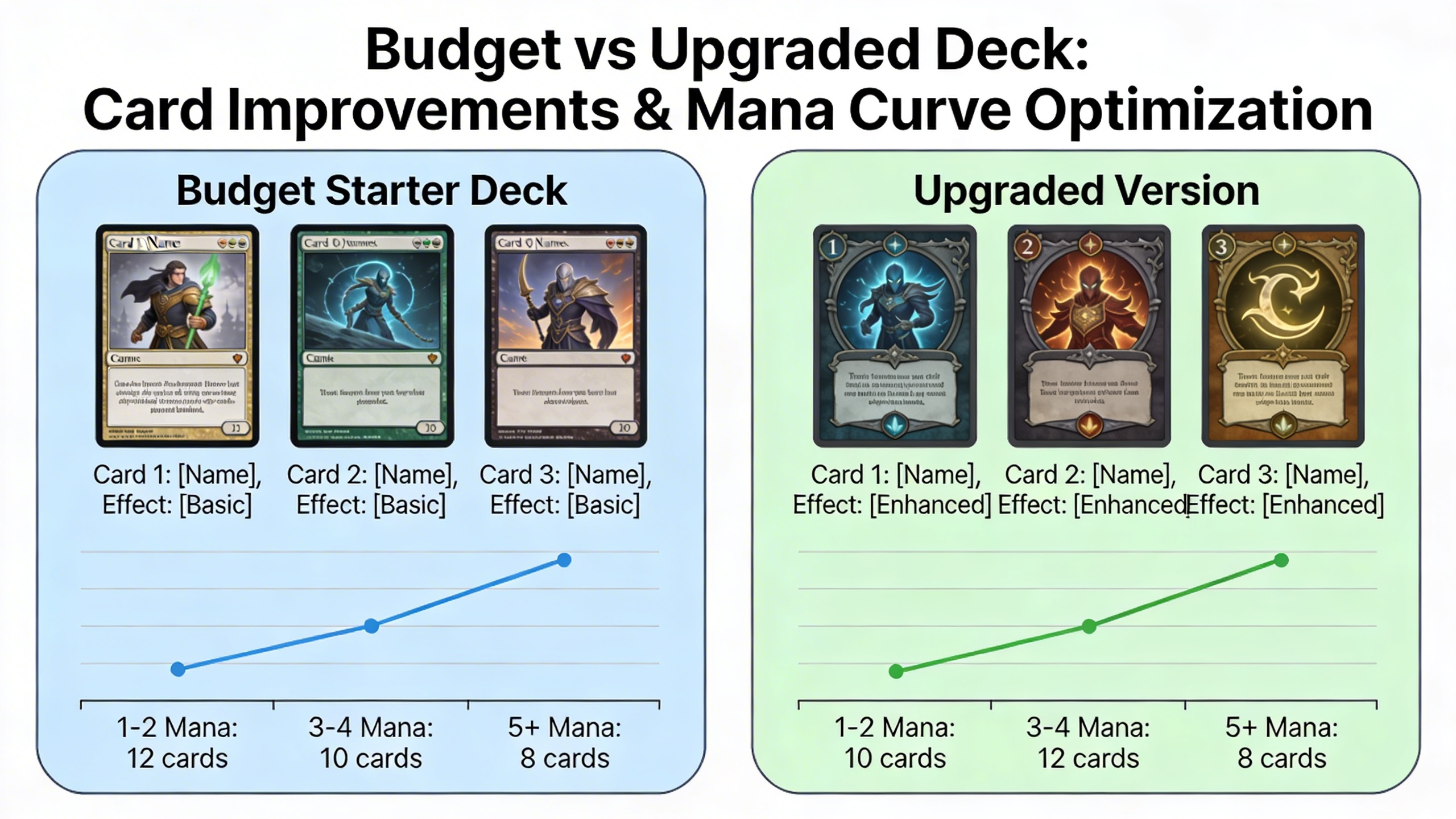
Arena’s preconstructed decks provide excellent foundations for budget builds. The “Strength in Numbers” white-green deck transforms into a formidable Selesnya Tokens strategy with minimal wildcard investment. Replace Inspiring Overseer with Wedding Anniversary and upgrade removal spells to March of Otherworldly Light for immediate improvements.
The mono-red “Lightning Strikes” deck requires only 8-12 rare wildcards to become ladder-competitive. Core upgrades include four copies of Monastery Swiftspear, Kumano Faces Kakkazan, and Lightning Strike. These modifications create a magic the gathering arena best deck capable of reaching Mythic rank while costing under 15 rare wildcards total.
For control players, the blue-white “Flying High” deck upgrades into Azorius Control through strategic additions. Prioritize counterspells like Negate and Make Disappear, then add Teferi, Hero of Dominaria as your primary win condition. This approach creates a competitive control deck using approximately 20 rare wildcards.
Free-to-Play Competitive Options
Several magic arena decks achieve competitive results using primarily common and uncommon cards. Mono-blue Tempo remains the premier budget option, requiring only 4-8 rare wildcards for optimal performance. The deck leverages cheap creatures like Delver of Secrets and protects them with counterspells and bounce effects.
| Deck Archetype | Rare Wildcards Required | Competitive Viability | Key Cards |
|---|---|---|---|
| Mono-Blue Tempo | 4-8 | Tier 2 | Delver of Secrets, Spell Pierce |
| Burn | 8-12 | Tier 1.5 | Monastery Swiftspear, Lightning Strike |
| White Weenie | 12-16 | Tier 2 | Champion of the Parish, Thalia’s Lieutenant |
Burn strategies excel in best arena deck discussions due to their consistent performance and low entry cost. The magic the gathering deck builder community consistently ranks mono-red burn among the most cost-effective competitive options. Focus on direct damage spells and efficient creatures rather than expensive planeswalkers or mythic rares.
White Weenie provides another budget-friendly path to competitive play. The deck’s aggressive curve and efficient removal create favorable matchups against expensive midrange strategies. Key upgrades include Adeline, Resplendent Cathar and Elite Spellbinder, both providing significant power increases for modest wildcard investment.
Maximizing Daily Rewards for Collection Building
Efficient resource management accelerates deck building progress significantly. Complete daily quests consistently, prioritizing 750-gold rewards over 500-gold alternatives. Reroll 500-gold quests once daily to maximize gold income potential.
Draft events offer the most efficient method for expanding your collection while building competitive magic arena decks. Quick Draft provides excellent value for newer players, offering guaranteed pack rewards plus potential prize support. Focus on rare-drafting when possible, prioritizing playable rares over draft synergies to build your constructed collection.
When tracking your collection and planning upgrades, using a reliable magic deck builder tool becomes essential. TCG Radar helps identify which cards you already own and tracks market values for optimal crafting decisions, ensuring your wildcards create maximum competitive impact.
Weekly wins provide consistent pack rewards that accumulate into significant collection growth over time. Aim for 15 weekly wins using your budget decks to maximize pack acquisition. These packs provide wildcards and new cards that gradually improve your deck building options without requiring additional investment.
Advanced Deck Building Techniques
Mastering advanced deck building separates casual Arena players from competitive threats. These sophisticated techniques transform good magic arena decks into tournament-caliber powerhouses that consistently perform across diverse matchups and evolving metagames.
Sideboard Construction for Best-of-Three
Effective sideboard construction requires strategic thinking beyond simply adding “good cards.” Your 15-card sideboard should address specific weaknesses while maintaining your deck’s core identity. Start by identifying your three worst matchups, then allocate 4-6 sideboard slots to improve each problematic pairing.
Consider Duress and Thoughtseize for combo-heavy metas, while cards like Rest in Peace target graveyard strategies. Broad answers like Leyline of the Void or Grafdigger’s Cage often provide better coverage than narrow hate cards. When using any magic the gathering deck builder, prioritize flexible sideboard options that improve multiple matchups simultaneously.
Transform your sideboard philosophy around these principles:
- Include 2-3 cards that dramatically improve your worst matchup
- Add 4-5 flexible answers for common strategies
- Reserve 3-4 slots for meta-specific hate cards
- Maintain 2-3 alternative win conditions or protection spells
The most successful magic deck builder approaches treat sideboards as extensions of the main strategy rather than collections of random answers. Your post-sideboard games should feel like playing an optimized version of your deck, not an entirely different strategy.
Meta Analysis and Deck Positioning
Understanding meta positioning transforms reactive players into proactive deck builders who anticipate shifts before they occur. Track popular archetypes using Arena’s ranked data, noting which strategies gain or lose popularity over weekly cycles. The magic the gathering arena best deck changes frequently, making adaptability crucial for sustained success.
Effective meta analysis involves monitoring several key indicators:
| Metric | Tracking Method | Action Threshold |
|---|---|---|
| Archetype Popularity | Arena ranked statistics | ±5% weekly change |
| New Card Adoption | Tournament results | 3+ copies in top decks |
| Sideboard Trends | Streaming content | Repeated mentions |
Position your deck to exploit emerging patterns rather than react to established trends. If aggressive strategies dominate, consider adding early interaction or lifegain elements. When control decks proliferate, incorporate uncounterable threats or card advantage engines. The best arena deck builders anticipate meta shifts 1-2 weeks before they become mainstream.
When analyzing card prices and meta trends, tools like TCG Radar help track which cards are gaining value, often indicating emerging strategies before they appear in tournament results.
Testing and Iteration Strategies
Systematic testing separates successful deck builders from those who rely on intuition alone. Establish baseline performance metrics before making changes, then test modifications against consistent opposition. Arena’s ranked ladder provides excellent testing grounds, but supplement ladder games with focused matchup practice.
Implement structured testing protocols:
- Play 20+ games with your baseline list, recording matchup results
- Identify specific problem cards or situations that repeatedly cause losses
- Make targeted changes (maximum 3 cards per iteration)
- Test modifications across 15+ games before evaluating effectiveness
- Document changes and their impact on win rates and game feel
Focus on meaningful sample sizes when evaluating changes. Single game results rarely indicate card effectiveness, while 10+ game samples provide actionable data. Track both overall win rates and specific matchup improvements to ensure changes address intended weaknesses.
The most effective magic arena decks emerge from iterative refinement rather than revolutionary overhauls. Small, targeted improvements compound over time, creating highly tuned machines that perform consistently across diverse metagames. Successful deck builders treat testing as an ongoing process rather than a pre-tournament activity, continuously refining their strategies based on evolving opposition and new card releases.
Remember that perfect magic the gathering deck builder lists don’t exist—only decks optimized for specific metagames and player preferences. Embrace iteration as the path to mastery, and your deck building skills will improve dramatically over time.
Common Deck Building Mistakes and Solutions
Even experienced players fall into predictable traps when building magic arena decks. Understanding these common pitfalls and their solutions can dramatically improve your win rate and climbing consistency. The most frequent mistakes revolve around mana base construction, threat density, and meta adaptation—all areas where small adjustments yield significant results.
Avoiding Mana Base Problems
Mana consistency remains the foundation of any competitive magic the gathering deck builder strategy. The most common error involves running too many colors without adequate fixing. Three-color decks require at least 8-12 dual lands to function reliably, while four-color builds need 12-16 fixing sources including basics that produce multiple colors.
Calculate your mana requirements using the hypergeometric distribution principle: for a four-mana spell you want to cast on turn four, you need at least 17-18 sources of that color in a 60-card deck. Popular magic deck builder tools often suggest 24-26 lands for most Standard formats, but aggressive decks can operate on 22-23 lands if their curve peaks at three mana.
Temple lands and pathway lands provide excellent fixing for budget builds, while shock lands and triomes offer premium consistency for competitive play. Always prioritize untapped sources for your early plays—a turn-one tapped land can cost you games against aggressive strategies.
Balancing Threats and Answers
The threat-to-answer ratio determines your deck’s proactivity versus reactivity. Aggressive decks should run 20-24 threats with minimal removal, while control decks typically feature 4-8 win conditions supported by 16-20 answers. Midrange strategies require careful balance, usually settling around 12-16 threats with 8-12 removal spells.
Many players overcorrect when building the magic the gathering arena best deck for their local meta. Facing too many aggressive opponents doesn’t mean loading up on expensive sweepers—efficient spot removal like Shock or Cut Down often performs better. Similarly, control-heavy metas call for card advantage engines and counterspells rather than additional creatures.
Consider versatile cards that serve multiple roles. Planeswalkers like Chandra, Hope’s Beacon function as both threats and answers, while cards like Bonecrusher Giant provide early pressure and late-game reach. These flexible options improve your threat density without sacrificing interaction.
Recognizing When to Pivot Strategies
Meta adaptation separates good deck builders from great ones. Monitor your match results over 20-30 games to identify patterns. If you’re consistently losing to aggressive decks, your curve might be too high or your life gain insufficient. Repeated losses to control suggest you need more card advantage or faster pressure.
The best arena deck for any given week depends on tournament results and Arena’s ranked ladder trends. Successful players track these shifts and adjust accordingly. When Mono-Red becomes popular, prioritize life gain and efficient removal. During control-heavy periods, focus on card advantage and resilient threats.
Don’t abandon your core strategy entirely—instead, adjust your flex slots and sideboard. A Rakdos Midrange deck might add more removal during aggressive metas or include additional card draw when facing control. These surgical changes maintain your deck’s identity while improving specific matchups.
Remember that perfect deck building requires iteration. Start with proven lists, identify weaknesses through gameplay, then make targeted improvements. This methodical approach builds better magic arena decks than starting from scratch each time.
Frequently Asked Questions
What is the best Magic Arena deck for beginners in 2026?
Mono-red aggro decks are ideal for beginners due to their straightforward strategy of dealing damage quickly and efficiently. These decks require minimal rare cards, making them budget-friendly while teaching fundamental concepts like mana curve and tempo. Red Deck Wins variants consistently perform well across all skill levels and provide excellent learning opportunities.
How many lands should I include in my Magic Arena deck?
Most 60-card decks should run 24 lands as a baseline, though this varies based on your mana curve and strategy. Aggressive decks with low mana costs can run 22-23 lands, while control decks often need 25-26 lands to hit their land drops consistently. Consider your deck's average mana cost and card draw capabilities when determining the exact count.
Can I build competitive Magic Arena decks without spending money?
Yes, you can build competitive decks as a free-to-play player by maximizing daily and weekly rewards, focusing on drafts for card collection, and prioritizing versatile cards that fit multiple decks. Budget mono-colored aggro decks and certain midrange strategies can compete effectively while you build your collection. Patience and smart resource management are key to long-term free-to-play success.
How often should I update my Magic Arena deck?
Update your deck whenever new sets release (quarterly), when major meta shifts occur, or if your win rate drops significantly below 50%. Monitor the current meta through tier lists and tournament results, making small adjustments before considering major overhauls. Standard rotation happens annually and requires complete deck rebuilds for affected cards.
What's the difference between Standard and Historic deck building?
Standard uses only the most recent sets and rotates annually, creating a smaller card pool with generally lower power levels and more predictable metas. Historic includes all cards ever released on Arena, allowing for higher-powered strategies and more diverse deck archetypes but requiring deeper format knowledge. Historic decks are more expensive to build but remain playable indefinitely.