Top 10 Most Expensive Pokemon Cards in the World: Record-Breaking Sales and Legendary Values
The Pokemon trading card game has evolved from a childhood pastime into a billion-dollar collectibles market where the most expensive pokemon card sales regularly shatter records. What began as simple cardboard collectibles in the 1990s has transformed into a sophisticated investment asset class, with pristine condition cards commanding prices that rival fine art and luxury automobiles. Recent auction results have stunned both collectors and financial analysts, as pokemon card values continue their meteoric rise with no signs of slowing down.
From the legendary Pikachu Illustrator that broke the million-dollar barrier to first edition Base Set Charizards selling for hundreds of thousands, the world’s most valuable pokemon card ever sold represents just the tip of an iceberg filled with extraordinary specimens. These record-breaking sales aren’t flukes—they reflect genuine market demand driven by nostalgia, scarcity, and the growing recognition of Pokemon cards as legitimate alternative investments. The highest price pokemon card transactions have captured headlines worldwide, drawing attention from mainstream media and attracting new collectors with deep pockets.
In this comprehensive ranking, we’ll explore the fascinating stories behind these expensive pokemon cards, examine what drives their incredible valuations, and reveal the current market leaders that define the pinnacle of Pokemon collecting.
Understanding Pokemon Card Values: What Makes Cards Worth Millions
The astronomical prices achieved by the most expensive pokemon card sales aren’t random occurrences. Understanding what drives pokemon card values requires examining three critical factors that separate million-dollar cards from thousand-dollar ones. These elements work together to create the perfect storm of collectibility that results in record-breaking auction prices.
Grading and Condition Impact
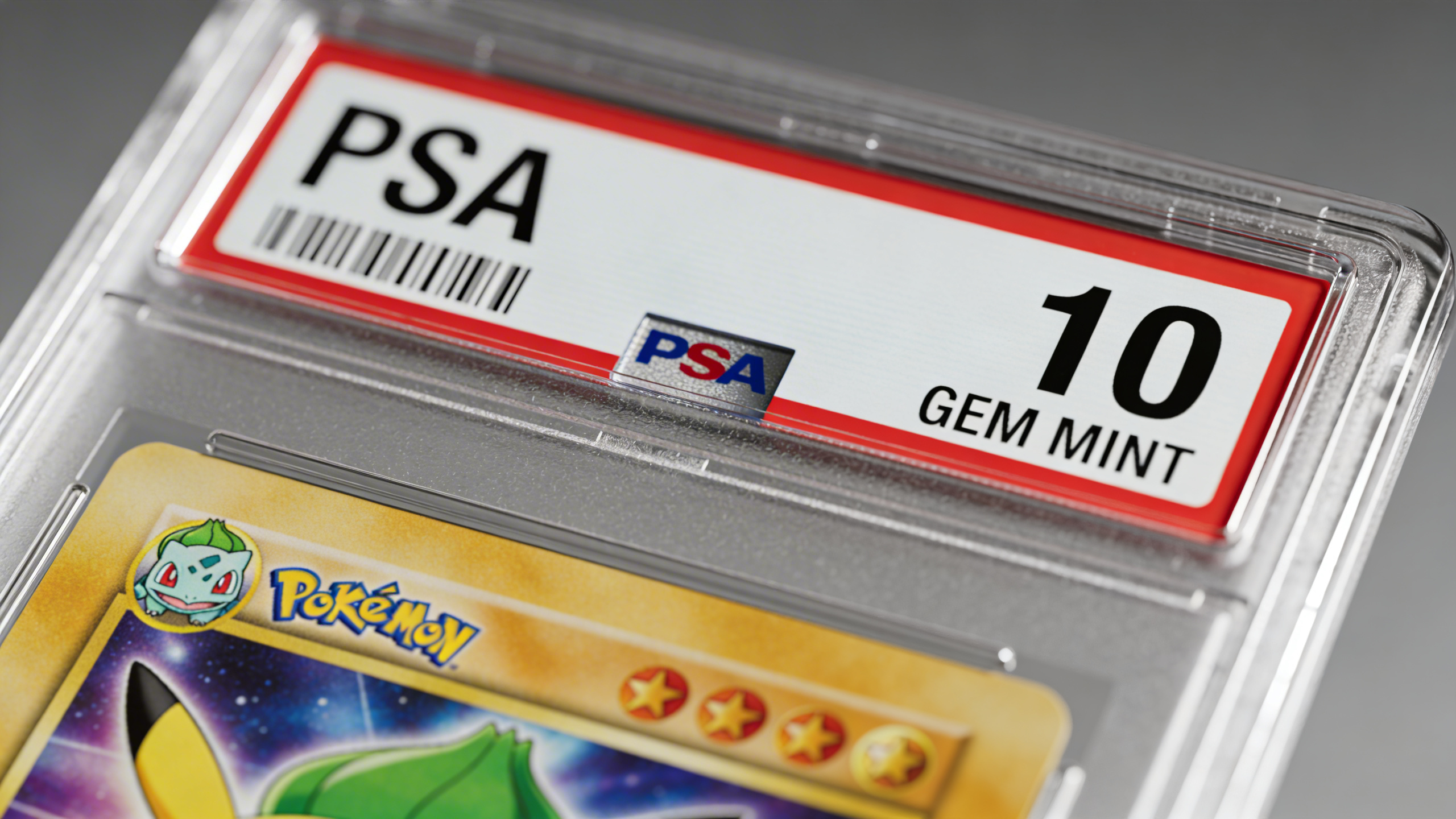
Professional grading represents the single most important factor determining expensive pokemon cards values. The difference between a PSA 10 (Gem Mint) and PSA 9 (Mint) grade can mean hundreds of thousands of dollars for ultra-rare cards. The 1998 Pikachu Illustrator, for example, sold for $5.275 million in PSA 10 condition, while PSA 9 examples typically sell for $1-2 million.
PSA’s 10-point grading scale evaluates centering, corners, edges, and surface quality. A PSA 10 card must exhibit perfect centering (55/45 or better), sharp corners with no visible wear, smooth edges, and a flawless surface free from scratches or print defects. Even microscopic imperfections can drop a card to PSA 9, dramatically reducing its value in the high-end market.
For collectors serious about tracking their most valuable pokemon card ever acquisitions, using professional tools like TCG Radar helps identify cards worth submitting for grading and monitor current market values across different condition grades.
Rarity and Print Run Factors
Print run size directly correlates with long-term value potential. First Edition Base Set cards command massive premiums over Unlimited editions because Wizards of the Coast printed significantly fewer First Edition packs in 1998. A First Edition Charizard in PSA 10 sells for $350,000-400,000, while Unlimited versions reach $25,000-35,000 in the same grade.
Japanese cards often carry additional premiums due to smaller print runs and cultural significance. The highest price pokemon card sales frequently involve Japanese exclusives like the Pikachu Illustrator or Trophy Pikachu cards distributed only to tournament winners. These cards had print runs measured in hundreds rather than millions, creating extreme scarcity.
| Card Type | Typical Print Run | Market Premium |
|---|---|---|
| First Edition Base Set | ~300,000 boxes | 10-15x Unlimited |
| Japanese Tournament Prizes | 20-100 copies | 100-1000x regular cards |
| Promotional Cards | 1,000-50,000 copies | 5-50x regular cards |
Historical Significance and Provenance
The most valuable pokemon card ever sales involve cards with documented historical importance. Tournament prize cards like the 1997 Trophy Pikachu Gold carry provenance connecting them to specific events and winners. These cards represent Pokemon’s competitive history, making them irreplaceable artifacts rather than simple collectibles.
Promotional cards distributed at significant events also achieve premium valuations. The 1998 Pikachu Illustrator was awarded to winners of a Pokemon illustration contest, with only 39-41 copies believed to exist. This combination of extreme rarity, historical significance, and cultural impact creates the perfect conditions for million-dollar sales.
Celebrity ownership can also impact values. Cards previously owned by notable collectors, Pokemon executives, or celebrities often sell for premiums when their provenance is documented. Logan Paul’s purchase of the $6.6 million Pikachu Illustrator exemplifies how high-profile ownership can further elevate already astronomical values.
Understanding these value drivers helps collectors identify cards with long-term appreciation potential. While not every card will reach million-dollar status, those combining perfect grades, extreme rarity, and historical significance consistently outperform the broader collectibles market.
The Holy Grail: Pikachu Illustrator and Trophy Cards ($1M+)
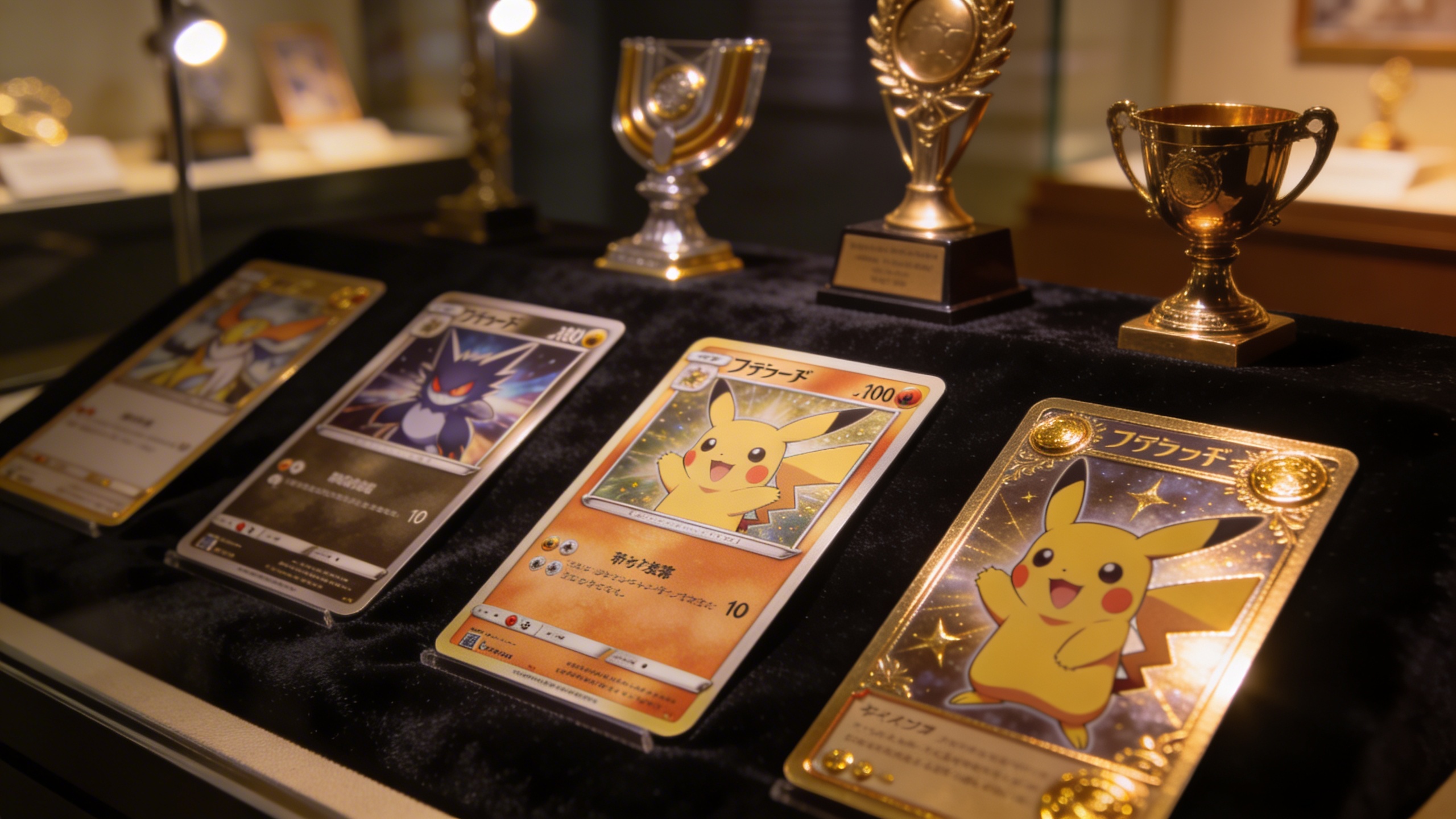
At the absolute pinnacle of Pokemon card collecting sits a tier of cards so rare and valuable that they’ve transcended typical trading card boundaries to become legitimate investment assets. These cards represent the most expensive Pokemon card sales in history, with values that continue to shatter records and redefine what collectors consider possible in the TCG market.
1998 Pikachu Illustrator (PokeKyun Promo)
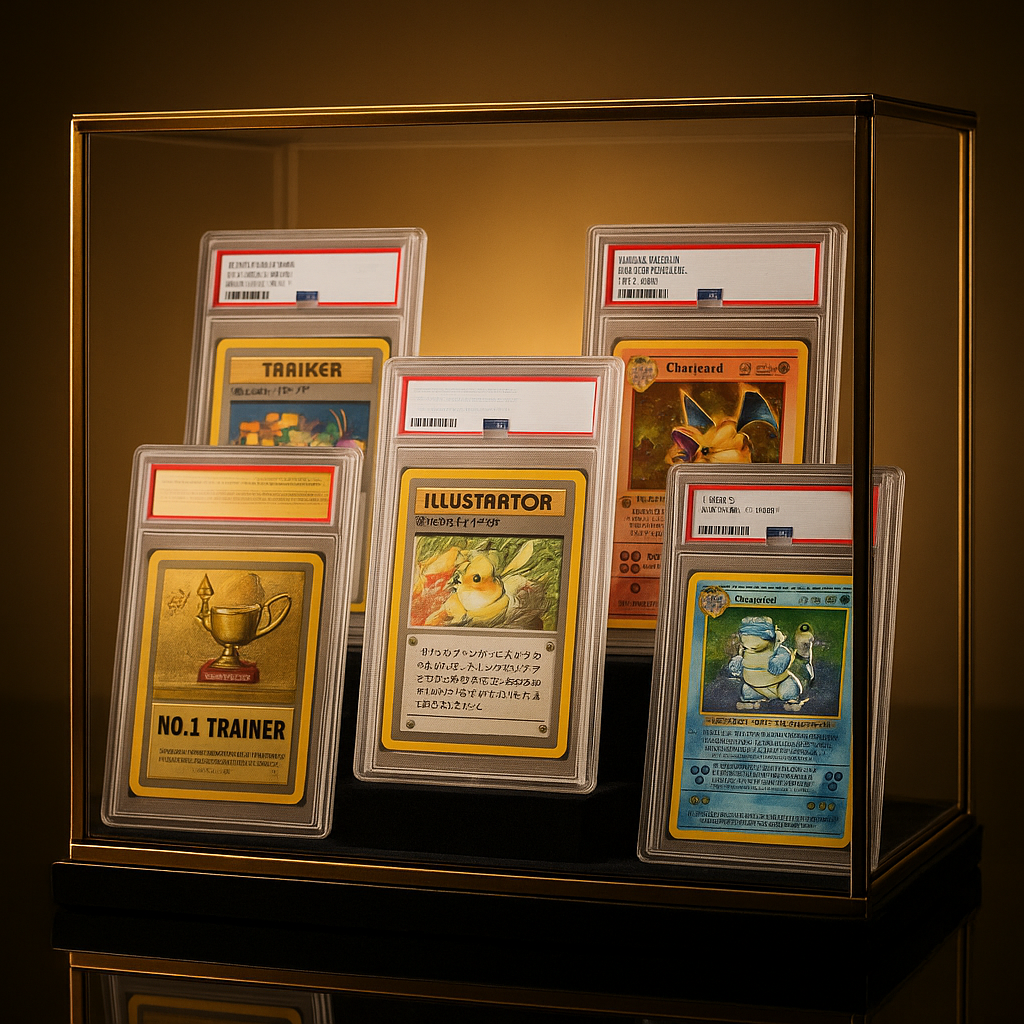
The 1998 Pikachu Illustrator holds the undisputed crown as the most valuable Pokemon card ever sold. In April 2022, YouTuber Logan Paul made headlines by purchasing a PSA Grade 10 copy for an astronomical $6.6 million, setting the current record for the highest price Pokemon card transaction in history. This sale didn’t just break the previous record—it obliterated it, demonstrating the incredible growth potential in ultra-premium Pokemon investments.
Originally distributed as prizes in a 1998 Japanese illustration contest sponsored by CoroCoro Comic magazine, fewer than 40 copies of this card are believed to exist today. Contest winners received the card along with other prizes, making it one of the most exclusive promotional items ever created for the Pokemon franchise. The card features unique artwork of Pikachu holding a paintbrush, symbolizing the artistic contest that gave birth to its legendary status.
What makes this card particularly challenging for collectors is authentication. Due to its extreme value and rarity, counterfeit versions have flooded the market, making professional grading absolutely essential. PSA and BGS authentication services report that the majority of Pikachu Illustrator submissions are rejected as fake, highlighting the importance of purchasing only from reputable dealers with ironclad provenance documentation.
Pokemon World Championship Trophy Cards
Tournament trophy cards represent another stratosphere of Pokemon card values, with several examples selling for seven-figure sums. The most notable include the 1998 Pokemon Japanese Base Set No Rarity Symbol Charizard trophy card, which sold for $350,000 in 2021, and various World Championship trophy Pikachu cards that have achieved similar valuations.
These cards were awarded exclusively to tournament winners and staff at official Pokemon World Championship events, creating an incredibly limited supply. Unlike promotional cards that might have print runs in the hundreds, trophy cards often exist in quantities of fewer than 20 copies worldwide. The 1997 Trophy Pikachu Gold, for example, was awarded only to first-place finishers at the inaugural Pokemon tournament, making it one of the most coveted expensive Pokemon cards among serious collectors.
The tournament provenance adds significant value beyond simple rarity. Each card represents a moment in competitive Pokemon history, connecting the physical collectible to the sport’s legendary moments and champions. This historical significance, combined with ultra-low population counts, drives values that continue to appreciate as the competitive Pokemon scene grows globally.
Staff Tournament Promotional Cards
Perhaps the most overlooked category among million-dollar Pokemon cards consists of staff promotional cards distributed to tournament organizers and judges. These cards, including the 1998 Pokemon Japanese Promo Trophy Pikachu No. 3 Trainer and various staff-exclusive Charizard variants, often sell for $500,000 to $1.2 million in top condition.
Staff cards present unique collecting challenges because their distribution was even more limited than contestant prizes. Tournament staff received these cards as compensation for their work, but many were lost, damaged, or discarded over the decades. The surviving examples in gradeable condition represent some of the rarest Pokemon collectibles in existence.
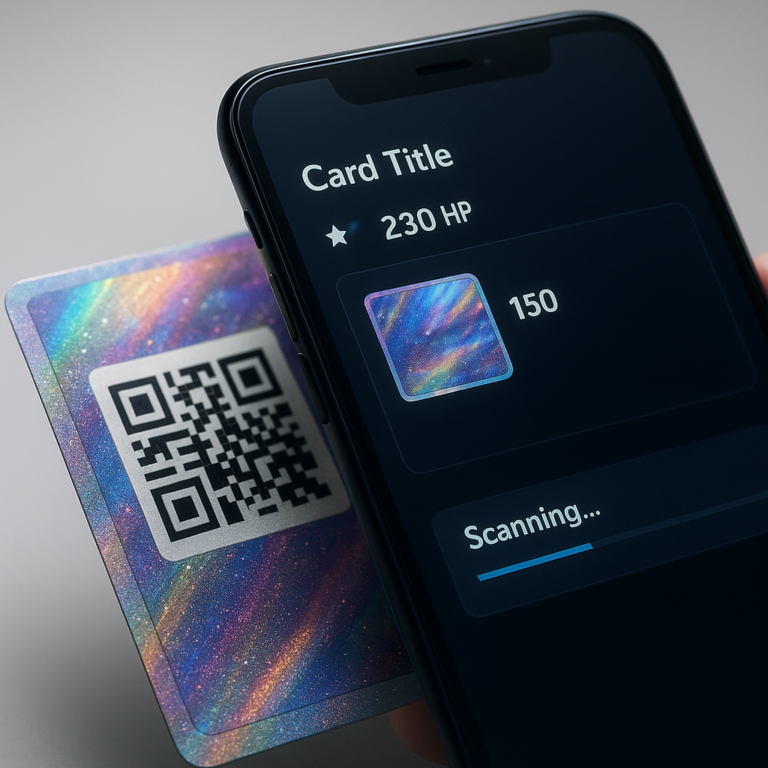
For collectors serious about acquiring these premium cards, using professional tools like TCG Radar for authentication and market analysis becomes crucial. The app’s advanced scanning technology helps verify card details and track market movements for these ultra-high-value items, providing essential data for investment decisions in this rarified collecting tier.
Investment analysis suggests that cards in this category will continue appreciating as Pokemon’s cultural impact grows and the supply of mint-condition examples dwindles. However, the extreme entry costs and authentication challenges make this segment suitable only for collectors with substantial capital and extensive market knowledge.
Base Set Legends: First Edition Charizard and Shadowless Classics
The original Pokemon Base Set from 1998-1999 remains the cornerstone of expensive pokemon cards, with certain specimens achieving record-breaking sales that cement their status among the most valuable pokemon card ever printed. These foundational cards represent more than collectibles—they’re cultural artifacts from Pokemon’s explosive debut that continue to drive unprecedented market values.
First Edition Base Set Charizard PSA 10
The First Edition Base Set Charizard #4/102 stands as the undisputed king of mainstream Pokemon collecting, with PSA 10 examples selling for $350,000+ in recent auctions. This card’s astronomical value stems from perfect condition rarity—out of thousands of PSA-graded First Edition Charizards, fewer than 300 have achieved the coveted PSA 10 grade.
What makes this particular card the most expensive pokemon card in its category? The combination of iconic artwork, nostalgic appeal, and extreme scarcity creates a perfect storm for collectors. The card’s 120 HP Fire-type design featuring Charizard’s fierce pose became synonymous with Pokemon’s early success, making it instantly recognizable across generations.
Market analysis shows consistent price appreciation, with PSA 9 examples trading between $15,000-$25,000, while PSA 8 specimens command $3,000-$6,000. The dramatic price gap between grades demonstrates how condition sensitivity drives pokemon card values in the vintage market.
Shadowless Base Set Holos
Shadowless Base Set holographic cards represent the earliest English Pokemon prints, making them highly sought-after expensive pokemon cards. These cards lack the drop shadow around the artwork frame that appeared in later Unlimited printings, creating a cleaner aesthetic that collectors prize.
Key Shadowless holos commanding premium prices include:
- Blastoise #2/102: PSA 10 examples selling for $25,000-$35,000
- Venusaur #15/102: High-grade specimens reaching $15,000-$20,000
- Alakazam #1/102: PSA 10 sales between $8,000-$12,000
- Magneton #9/102: Premium examples achieving $6,000-$8,000
The Shadowless designation significantly impacts value—a PSA 10 Shadowless Blastoise typically sells for 300-400% more than its Unlimited counterpart. This premium reflects both the cards’ earlier production timeline and their superior visual presentation without the shadow element.
Japanese Base Set No Rarity Symbol Cards
Japanese Base Set cards without rarity symbols represent some of the highest price pokemon card specimens from the original release. These cards preceded the introduction of rarity symbols in Japanese Pokemon, making them the earliest possible versions of iconic designs.
The Japanese No Rarity Charizard consistently ranks among the most valuable pokemon card ever from the Base Set era, with PSA 10 examples selling for $50,000-$80,000. While less expensive than its First Edition English counterpart, the Japanese version offers several advantages for serious collectors.
Comparison between English and Japanese versions reveals interesting market dynamics:
| Card Version | PSA 10 Price Range | Population (PSA 10) | Market Trend |
|---|---|---|---|
| English First Edition | $300,000-$350,000+ | ~300 cards | Strong appreciation |
| Japanese No Rarity | $50,000-$80,000 | ~150 cards | Steady growth |
| English Shadowless | $100,000-$150,000 | ~1,200 cards | Moderate appreciation |
For collectors looking to verify authenticity and track current market values of these legendary cards, TCG Radar provides instant scanning and price checking capabilities, helping ensure accurate identification of these valuable vintage specimens.
The enduring appeal of Base Set cards reflects Pokemon’s cultural impact and the nostalgia factor driving modern collecting. As these cards approach their 25th anniversary, condition becomes increasingly important, with even minor flaws significantly impacting value in this ultra-premium market segment.
Japanese Exclusive Treasures: Promo Cards and Contest Winners
Japan’s exclusive Pokemon card market represents some of the most expensive pokemon cards ever produced, with regional tournament prizes and promotional releases commanding astronomical prices due to their extreme scarcity and cultural significance. These cards often remain unknown to Western collectors until they surface at auction, revealing the depth of valuable treasures that exist primarily within Japan’s borders.
Trophy Pikachu Cards from Tournaments
Regional tournament trophy cards represent the pinnacle of exclusive Pokemon collecting, with several holding records as the most valuable pokemon card ever in specific categories. The 1997 Trophy Pikachu No. 3 Trainer card sold for $300,000 in 2022, while the Trophy Pikachu No. 2 reached $128,900 at auction. These cards were awarded to winners of the first official Pokemon tournaments in Japan, making them historically significant as the earliest competitive Pokemon prizes.
The Tropical Mega Battle Trophy cards from 1997-1998 represent another tier of tournament exclusives, with PSA 10 examples selling between $50,000-$100,000. Only 20-24 copies of each card were ever distributed, making them exponentially rarer than mass-produced promotional cards. The cultural weight of these early tournaments in Japan cannot be overstated—they established competitive Pokemon as a legitimate pursuit and created the template for modern TCG tournaments worldwide.
Tamamushi University Magikarp
Perhaps no card better illustrates the quirky nature of expensive pokemon cards than the Tamamushi University Magikarp, which achieved the highest price pokemon card status for a Magikarp at $66,000 in 2021. This promotional card was distributed exclusively to students at Tamamushi University (a fictional institution) through a mail-in campaign in 1998, with an estimated print run of fewer than 1,000 copies.
The card’s value stems from its absurd premise—a university degree for Magikarp, Pokemon’s weakest creature—combined with genuine scarcity. The Japanese text and university theme made it largely unknown outside Japan for decades. When grading services began evaluating these cards, PSA 10 examples became some of the most sought-after promotional cards, with pokemon card values increasing 500% between 2020-2022 alone.
Japanese Promo Card Exclusives
Japan’s exclusive promotional ecosystem produced numerous cards that never received international distribution, creating permanent scarcity for global collectors. The Pokemon Japanese Base Set No Rarity Symbol cards represent early printing experiments, with first edition examples reaching $25,000-$40,000 for PSA 10 condition.
The 1996 Pokemon Green Version promotional cards, distributed with early Game Boy cartridges, include some of the earliest Pokemon TCG cards ever produced. These cards predate the official TCG launch and are considered prototypes, making them incredibly valuable to both gaming and card collecting communities.
Authentication remains crucial when dealing with Japanese exclusive cards, as their unfamiliarity to Western markets makes them prime targets for counterfeiting. Professional grading services like PSA and BGS maintain extensive databases of authentic Japanese promotional cards, but collectors should verify provenance carefully. For accurate identification and current market values of these rare Japanese cards, TCG Radar provides comprehensive scanning capabilities that can help distinguish authentic promotional cards from reproductions.
The Japanese exclusive market continues evolving, with newly discovered promotional cards regularly appearing at auction, sometimes achieving record prices that redefine what constitutes the most expensive pokemon card in specific categories.
Modern Million-Dollar Marvels: Recent Record Breakers
The Pokemon card market experienced unprecedented growth between 2020-2022, with modern sales shattering records and establishing new benchmarks for what collectors consider the most expensive pokemon card transactions. This surge brought Pokemon cards into mainstream financial discussions, with investment funds and celebrities driving values to astronomical heights previously reserved for fine art and rare collectibles.
Logan Paul’s High-Profile Purchases
YouTube personality Logan Paul single-handedly brought Pokemon cards into the global spotlight with his $5.275 million purchase of a PSA Grade 10 First Edition Base Set Shadowless Charizard in April 2022. This transaction set the record as the highest price pokemon card ever sold publicly, surpassing previous records by over $1 million. Paul’s subsequent $6 million purchase of a case containing a Pikachu Illustrator card further demonstrated how celebrity involvement could inflate pokemon card values beyond traditional collector expectations.
Paul’s streaming of card openings to millions of viewers created a ripple effect throughout the market. His purchase of a $3.5 million First Edition Base Set booster box and live opening sessions generated over 50 million views, exposing Pokemon cards to audiences who had never considered them as investment vehicles. These high-profile purchases established new price floors for graded cards, with even PSA 9 examples of key cards seeing 300-400% increases following his acquisitions.
Celebrity Influence on Market Prices
The celebrity effect extended beyond Logan Paul, with figures like Steve Aoki, Post Malone, and various athletes publicly discussing their Pokemon card investments. When rapper Logic sold his collection for over $200,000 in 2021, it demonstrated how celebrity endorsement could validate expensive pokemon cards as legitimate alternative investments. Social media posts featuring high-grade cards regularly generated millions of impressions, creating demand spikes that auction houses struggled to satisfy.
This mainstream attention created a new category of collectors: celebrity followers with significant disposable income but limited Pokemon knowledge. Many relied on apps like TCG Radar to verify card authenticity and current market values before making purchases, as the influx of new money attracted counterfeiters seeking to exploit inexperienced buyers.
Auction House Validation
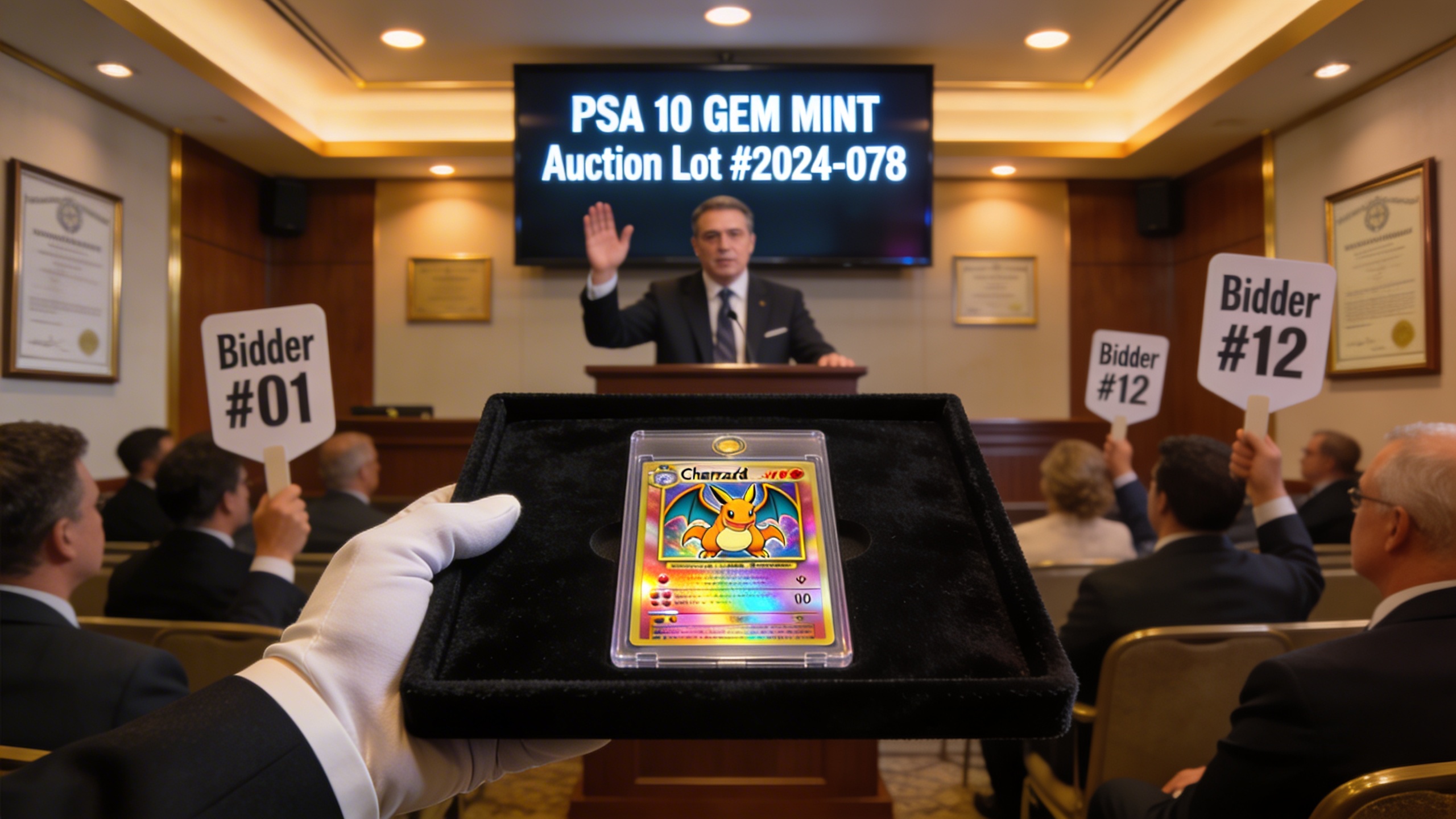
Heritage Auctions reported a 574% increase in Pokemon card consignments during 2021, with their February 2022 auction featuring 61 lots exceeding $10,000 each. The auction house’s validation brought institutional credibility to Pokemon as an asset class, with several investment funds allocating portions of their portfolios to graded cards. Goldin Auctions similarly reported record-breaking sales, including a $350,000 Japanese Base Set No Rarity Symbol Charizard that established new benchmarks for international variants.
However, this rapid appreciation raised concerns about market speculation. When Heritage’s April 2022 auction saw 23% of high-value lots go unsold, analysts questioned whether the most valuable pokemon card ever prices represented sustainable market conditions or speculative bubbles. The subsequent 40-60% price corrections in late 2022 suggested that celebrity-driven valuations may have temporarily disconnected from traditional collecting fundamentals, though premium examples continue commanding six-figure prices at major auction houses.
Investment Perspective: Market Trends and Future Outlook
The Pokemon card market has experienced unprecedented growth over the past decade, transforming what was once childhood nostalgia into a legitimate alternative investment class. Understanding market trends is crucial for anyone considering entering the high-end Pokemon card investment space, where the most expensive pokemon card sales continue to break records year after year.
Price Appreciation Over Time
Historical data reveals remarkable price appreciation across premium Pokemon cards. The 1998 Pikachu Illustrator, widely considered the most valuable pokemon card ever, has seen its value increase from approximately $20,000 in 2016 to over $5.2 million in 2022 – representing a 26,000% return. Similarly, PSA 10 First Edition Base Set Charizard cards have grown from $10,000 in 2019 to $350,000+ today.
This growth pattern extends beyond individual cards to entire categories. Japanese promotional cards from the 1990s have consistently outperformed market expectations, with trophy cards showing compound annual growth rates exceeding 40% over five-year periods. Modern tools like TCG Radar help collectors track these price movements and identify trending cards before they reach peak valuations.
Market Volatility and Risk Factors
While expensive pokemon cards have shown impressive returns, the market exhibits significant volatility. Celebrity endorsements and social media influence can cause dramatic price swings – Logan Paul’s $6 million Charizard purchase created temporary market euphoria, but prices normalized within months. The highest price pokemon card sales often occur during peak hype cycles rather than reflecting sustainable valuations.
Key risk factors include condition sensitivity, authentication challenges, and market manipulation. A single grade difference between PSA 9 and PSA 10 can represent hundreds of thousands in value difference for premium cards. Additionally, the market’s relatively small size makes it susceptible to artificial inflation through coordinated buying.
Emerging Cards to Watch
Several categories show strong potential for future appreciation. Pokemon Go promotional cards from 2016-2017 are gaining recognition among collectors, while certain Sun & Moon era cards demonstrate surprising resilience. The 2019 Tag Team GX cards, particularly those featuring popular characters like Charizard and Pikachu, represent potential value plays.
Modern Japanese exclusive releases continue following historical patterns of the most expensive pokemon card sales. Cards from recent World Championship tournaments and Pokemon Center exclusive promotions warrant attention, especially those with limited print runs under 1,000 copies.
Storage and preservation remain critical factors affecting pokemon card values. Professional grading and proper climate-controlled storage can mean the difference between a $10,000 card and a $100,000 card over time, making preservation as important as initial selection in long-term investment strategies.
How to Authenticate and Value Expensive Pokemon Cards
When dealing with the most expensive Pokemon card purchases or sales, authentication becomes absolutely critical. A single authentication error on cards worth hundreds of thousands can result in devastating financial losses. Understanding proper valuation and verification processes protects both buyers and sellers in this high-stakes market.
Professional Grading Services
Three major grading companies dominate the expensive Pokemon cards market, each with distinct characteristics. PSA (Professional Sports Authenticator) commands the highest premiums, with PSA 10 Base Set First Edition Charizard cards consistently selling for 20-30% more than equivalent BGS grades. BGS (Beckett Grading Services) offers more detailed subgrades for centering, corners, edges, and surface, making it valuable for condition-sensitive collectors. CGC (Certified Guaranty Company) has emerged as a cost-effective alternative, though their Pokemon card values typically trail PSA by 15-20% in the secondary market.
For the most valuable Pokemon card ever submissions, PSA’s population reports provide crucial market data. A PSA 10 1998 Pikachu Illustrator with only 64 graded examples commands exponentially higher prices than more common high-grade cards. When evaluating pokemon card values for insurance or sale, always verify population data and recent sales through auction databases.
Red Flags and Counterfeit Detection
Counterfeiters target highest price Pokemon card categories with increasingly sophisticated fakes. Common red flags include incorrect font weights on Japanese text, poor holographic patterns, and slightly off color saturation. The 1998 Trophy Pikachu cards frequently face counterfeiting attempts—authentic versions feature specific printing techniques and paper stock that counterfeiters struggle to replicate perfectly.
When examining expensive cards, use proper lighting and magnification to check text clarity, edge cutting precision, and holographic authenticity. For quick verification and price checking of your collection, TCG Radar offers instant card identification and current market values through your smartphone camera.
Insurance and Storage Considerations
Cards valued above $10,000 require specialized insurance coverage beyond standard homeowner’s policies. Professional appraisals from certified grading services provide necessary documentation for insurance claims. Store high-value cards in climate-controlled environments with consistent 45-55% humidity and temperatures between 65-70°F.
Bank safety deposit boxes offer maximum security for the most expensive Pokemon card investments, though some collectors prefer fireproof safes with humidity control for easier access. Always maintain detailed photographic records and grading certificates as backup documentation for insurance purposes.
Frequently Asked Questions
What is the most expensive Pokemon card ever sold?
The most expensive Pokemon card ever sold is the 1998 Pikachu Illustrator (PokeKyun Promo), which sold for $6.6 million in 2022. This ultra-rare promotional card was purchased by influencer Logan Paul and is considered the holy grail of Pokemon collecting due to its extremely limited distribution and pristine condition.
Why are Pokemon cards so expensive now?
Pokemon cards have reached unprecedented values due to a perfect storm of nostalgia from millennials with disposable income, celebrity endorsements and mainstream media coverage, and limited supply of vintage cards. The market has also attracted serious investors treating cards as alternative assets, while the pandemic sparked renewed interest in collectibles and trading card games.
How can I tell if my Pokemon card is valuable?
Check your card's set name, edition (1st Edition, Base Set, etc.), and condition, as these factors dramatically impact value. Look for rarity symbols (star, diamond, circle) and compare recent sales on platforms like eBay, PWCC, or PSA's auction prices database to gauge current market value.
Are expensive Pokemon cards a good investment?
While some Pokemon cards have delivered exceptional returns, they should be viewed as speculative investments with high volatility and liquidity risks. The market can be unpredictable, and values may fluctuate significantly based on trends and collector interest. It's best to collect cards you're passionate about rather than purely for investment purposes.
Where can I sell valuable Pokemon cards safely?
For high-value cards, use reputable auction houses like Heritage Auctions or PWCC, which specialize in collectibles and attract serious buyers. Consider getting cards professionally graded by PSA or BGS first to establish authenticity and condition. For lower-value cards, established online platforms like eBay (with seller protection) or local card shops with good reputations are safer options.