Pokemon Trading Card Price Guide: Valuing Your Collection Like a Pro
The Pokemon trading card market has experienced unprecedented growth, transforming childhood collectibles into serious investment opportunities worth millions of dollars. What was once a playground pastime has evolved into a sophisticated marketplace where pristine condition cards can command six-figure prices at auction. From the iconic Base Set Charizard selling for over $400,000 to modern cards like Logan Paul’s PSA 10 Pikachu Illustrator reaching astronomical values, understanding pokemon trading card worth has become essential for anyone holding these colorful pieces of cardboard.
Whether you’re a seasoned collector looking to assess your portfolio’s value, a parent discovering boxes of cards in the attic, or an investor exploring alternative assets, accurate pokemon trading card appraisal requires knowledge of complex factors including rarity, condition, market demand, and grading standards. The difference between a card worth $10 and one worth $10,000 often comes down to subtle details that only experienced collectors recognize.
This comprehensive pokemon trading card price guide will equip you with professional valuation techniques, current market insights, and practical strategies for maximizing your collection’s potential. You’ll learn to identify valuable cards, understand grading impact, navigate pricing resources, and make informed decisions about buying, holding, or selling your Pokemon investments.
Understanding Pokemon Card Rarity and Value Factors
Determining pokemon trading card worth requires understanding three fundamental factors that drive market values: rarity symbols, historical significance, and condition. These elements work together to establish a card’s position in the market, whether you’re dealing with a common Base Set card or a pristine Charizard from the original 1998 release.
Rarity Symbols and What They Mean
The small symbol in the bottom-right corner of most Pokemon cards serves as your first indicator of potential value. Circle symbols represent common cards, typically worth between $0.10 to $1.00 in played condition. These cards appear frequently in booster packs and form the foundation of most collections.
Diamond symbols indicate uncommon cards, which appear less frequently and generally command prices from $0.50 to $5.00 depending on the set and demand. Popular Pokemon like Kadabra or Haunter often fall into this category and can exceed typical uncommon pricing when they feature beloved characters.
Star symbols mark rare cards, the most valuable category in standard sets. These cards typically range from $2.00 to $50.00 or more, with holographic versions commanding premium prices. The Charizard from Base Set, bearing a star symbol, exemplifies how rarity combines with popularity to drive exceptional pokemon trading card prices.
Special symbols including hearts, lightning bolts, and unique set-specific markers often indicate promotional cards, error cards, or special releases. These can range from worthless promotional items to thousand-dollar rarities, making proper identification crucial for accurate pokemon trading card appraisal.
Set Age and Historical Significance
Vintage Pokemon cards from the original Base Set (1998-1999), Jungle, and Fossil sets command significantly higher prices than modern releases due to their historical importance and limited surviving population in good condition. A mint condition Base Set Charizard can sell for $5,000 to $10,000, while modern charizard cards typically peak around $100-500.
The Wizards of the Coast era (1998-2003) represents the golden age for collectors, with sets like Neo Genesis and Base Set 2 maintaining strong values decades later. Cards from this period benefit from nostalgia, lower print runs compared to modern sets, and the cultural impact of the original Pokemon phenomenon.
Modern sets, while featuring superior print quality and artwork, generally offer lower long-term investment potential due to higher production volumes. However, special modern releases like Hidden Fates shiny cards or Champions Path charizard variants can still achieve impressive pokemon trading card value through artificial scarcity and stunning visual appeal.
Condition Impact on Card Values
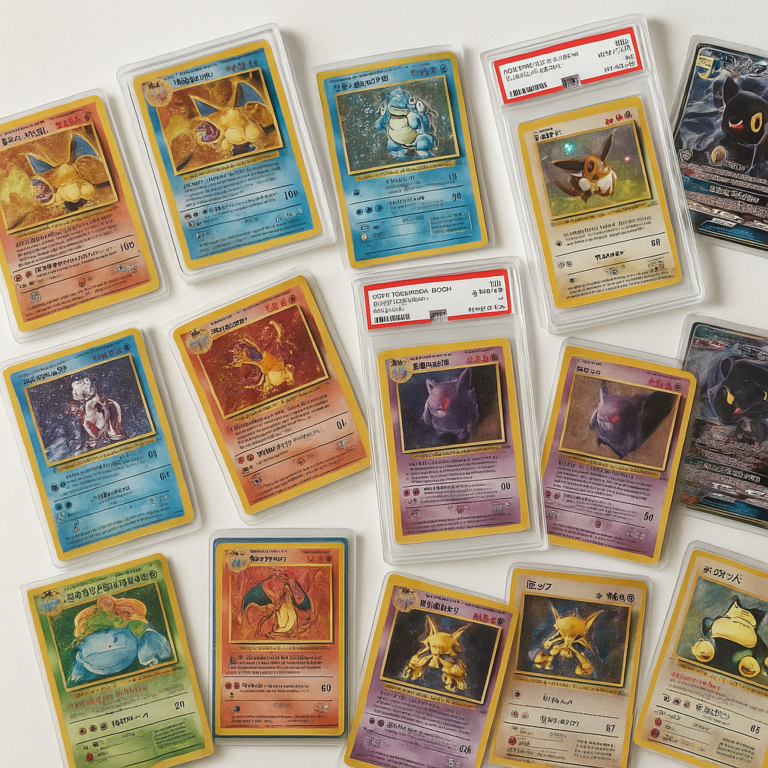
Card condition dramatically affects pricing, often representing the difference between a $10 card and a $1,000 card. Professional grading companies like PSA and BGS use a 10-point scale, with Gem Mint 10 cards commanding massive premiums over lower grades.
| Condition Grade | Typical Value Multiplier | Key Characteristics |
|---|---|---|
| Mint (9-10) | 5x-20x base value | Perfect corners, centering, no scratches |
| Near Mint (7-8) | 2x-4x base value | Minor edge wear, good centering |
| Excellent (5-6) | 1x-2x base value | Visible wear, possible light scratches |
| Good (3-4) | 0.3x-0.7x base value | Moderate wear, rounded corners |
| Poor (1-2) | 0.1x-0.3x base value | Heavy damage, creases, stains |
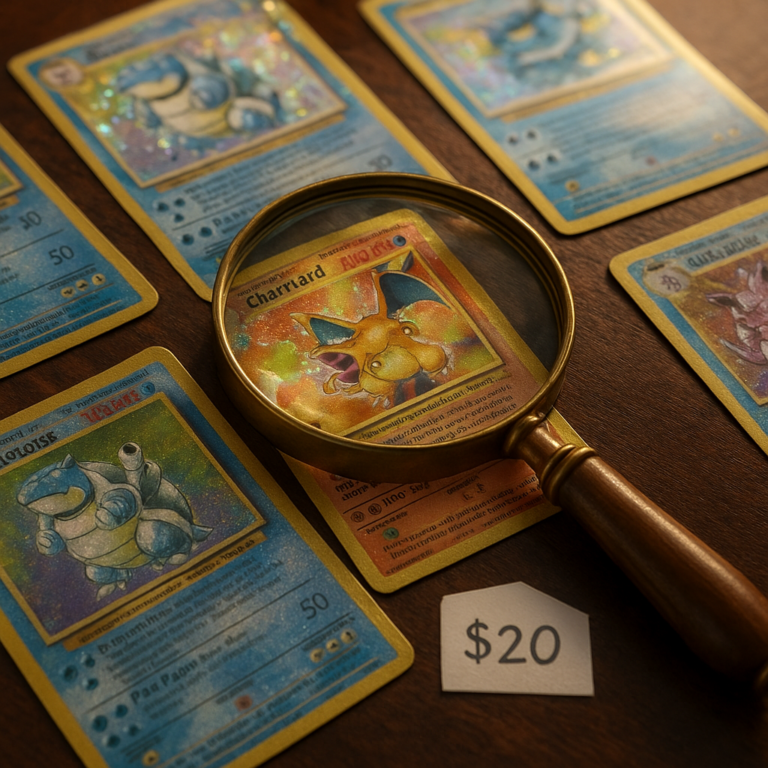
When conducting pokemon trading card appraisal, examine cards under good lighting for whitening on edges, surface scratches, centering issues, and corner wear. Even vintage cards in played condition retain value due to scarcity, but pristine examples command exponentially higher prices. Understanding these condition nuances enables accurate pokemon trading card price guide consultation and helps collectors make informed buying and selling decisions.

Most Valuable Pokemon Cards by Category
Understanding pokemon trading card worth requires examining different categories of high-value cards, each with distinct pricing patterns and market dynamics. From vintage Base Set classics to modern alternate art masterpieces, each category presents unique opportunities for collectors seeking valuable additions to their portfolios.
Base Set and Vintage Cards (1998-2003)
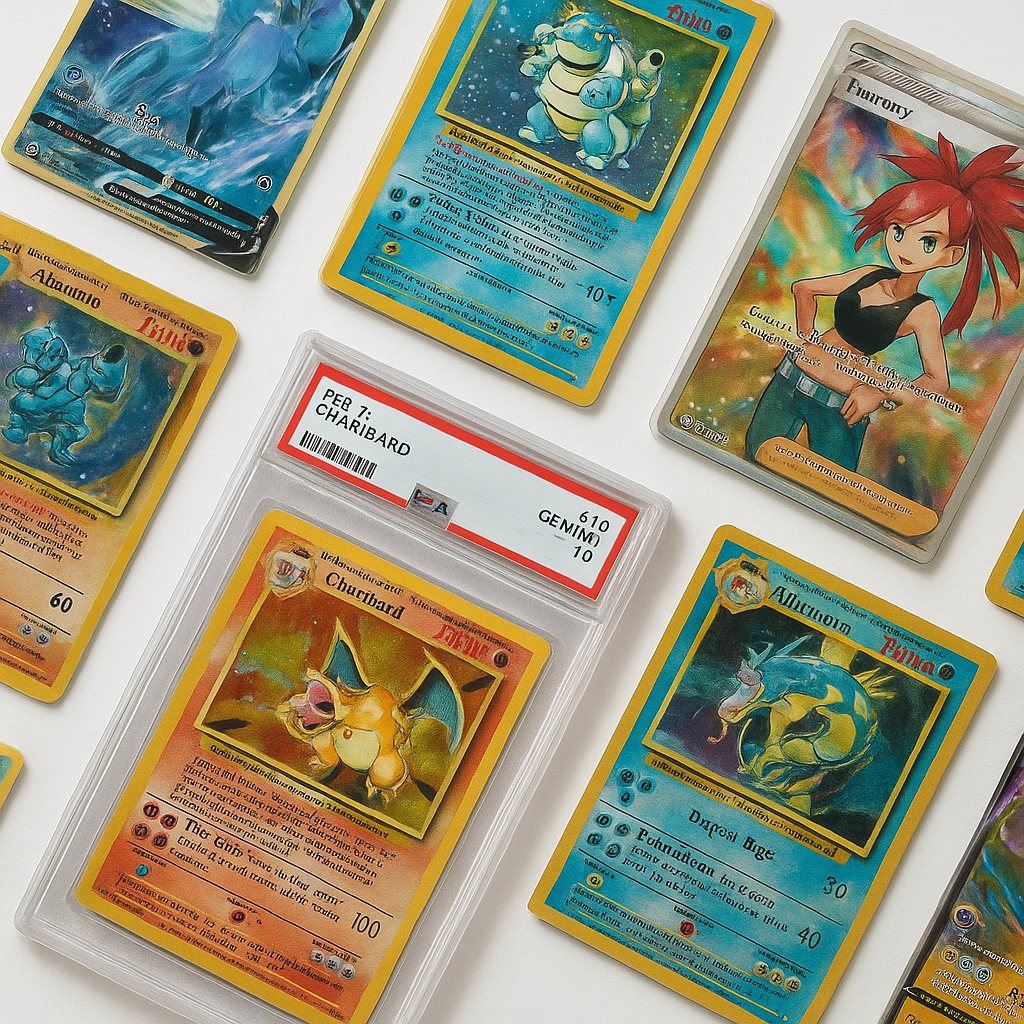
The original Base Set remains the cornerstone of pokemon trading card prices, with Charizard #4/102 leading the charge across multiple condition grades. A PSA 10 First Edition Base Set Charizard consistently commands $300,000-$400,000 at auction, while Unlimited versions in the same grade range from $3,000-$6,000. The pricing tiers break down as follows:
| Card Condition | First Edition | Unlimited | Shadowless |
|---|---|---|---|
| PSA 10 | $300,000-$400,000 | $3,000-$6,000 | $15,000-$25,000 |
| PSA 9 | $40,000-$60,000 | $1,200-$2,000 | $3,000-$5,000 |
| PSA 8 | $15,000-$25,000 | $400-$800 | $800-$1,500 |
Beyond Charizard, other Base Set heavy hitters include Blastoise #2/102 and Venusaur #15/102, with First Edition PSA 10 examples reaching $25,000-$40,000. The Neo Genesis Lugia #9/111 and Rocket’s Mewtwo from Team Rocket also command substantial premiums, particularly in Japanese first edition format.
Vintage promotional cards like the 1998 Pikachu Illustrator represent the absolute pinnacle of pokemon trading card appraisal, with recent sales exceeding $5 million for high-grade examples. The Trophy Pikachu cards from early tournaments routinely sell for $100,000-$300,000 depending on the specific event and condition.
Modern High-Value Cards (2016-Present)
The modern era has introduced alternate art cards and special illustrations that rival vintage pricing. Hidden Fates Shiny Charizard GX leads modern pokemon trading card value discussions, with PSA 10 examples reaching $2,000-$3,500. The Champion’s Path Charizard V rainbow rare maintains strong demand at $800-$1,200 in perfect condition.
Recent sets have produced several standout chase cards that experienced collectors actively pursue:
- Evolving Skies Rayquaza V Alt Art – $400-$600 (PSA 10)
- Battle Styles Tyranitar V Alt Art – $300-$500 (PSA 10)
- Chilling Reign Shadow Rider Calyrex V Alt Art – $250-$400 (PSA 10)
- Brilliant Stars Charizard V Alt Art – $350-$550 (PSA 10)
The introduction of Pokémon 25th Anniversary products created significant market movement, with the Golden Mew from Celebrations commanding $300-$500 in top condition. Modern full art trainer cards, particularly those featuring popular characters like Marnie and Rosa, have also established strong secondary market values ranging from $150-$400 for PSA 10 examples.
Japanese Exclusive and Promo Cards
Japanese exclusive releases often outperform their English counterparts in long-term pokemon trading card price guide evaluations. The Japanese Base Set No Rarity Charizard commands premiums of 20-30% over English versions due to superior print quality and lower population counts.
Tournament prize cards represent the most exclusive category of collectible Pokémon cards. Notable examples include:
- 1997 Trophy Pikachu Gold – $200,000-$400,000
- 1998 Tropical Mega Battle Exeggutor – $50,000-$100,000
- 2000 Neo Summer Battle Road Trophy – $30,000-$60,000
- 2005 World Championships Tropical Tidal Wave – $15,000-$25,000
Japanese promo cards from convenience store campaigns and special events frequently appreciate faster than mass-market releases. The McDonald’s 2021 25th Anniversary Japanese promos, while recent, already show strong growth potential with complete sets trading for $500-$800.
Understanding these categories helps collectors make informed decisions when building valuable collections. Each segment requires different expertise and market knowledge, making professional pokemon trading card appraisal services valuable for high-stakes transactions exceeding $1,000 per card.
Professional Card Grading and Its Impact on Value
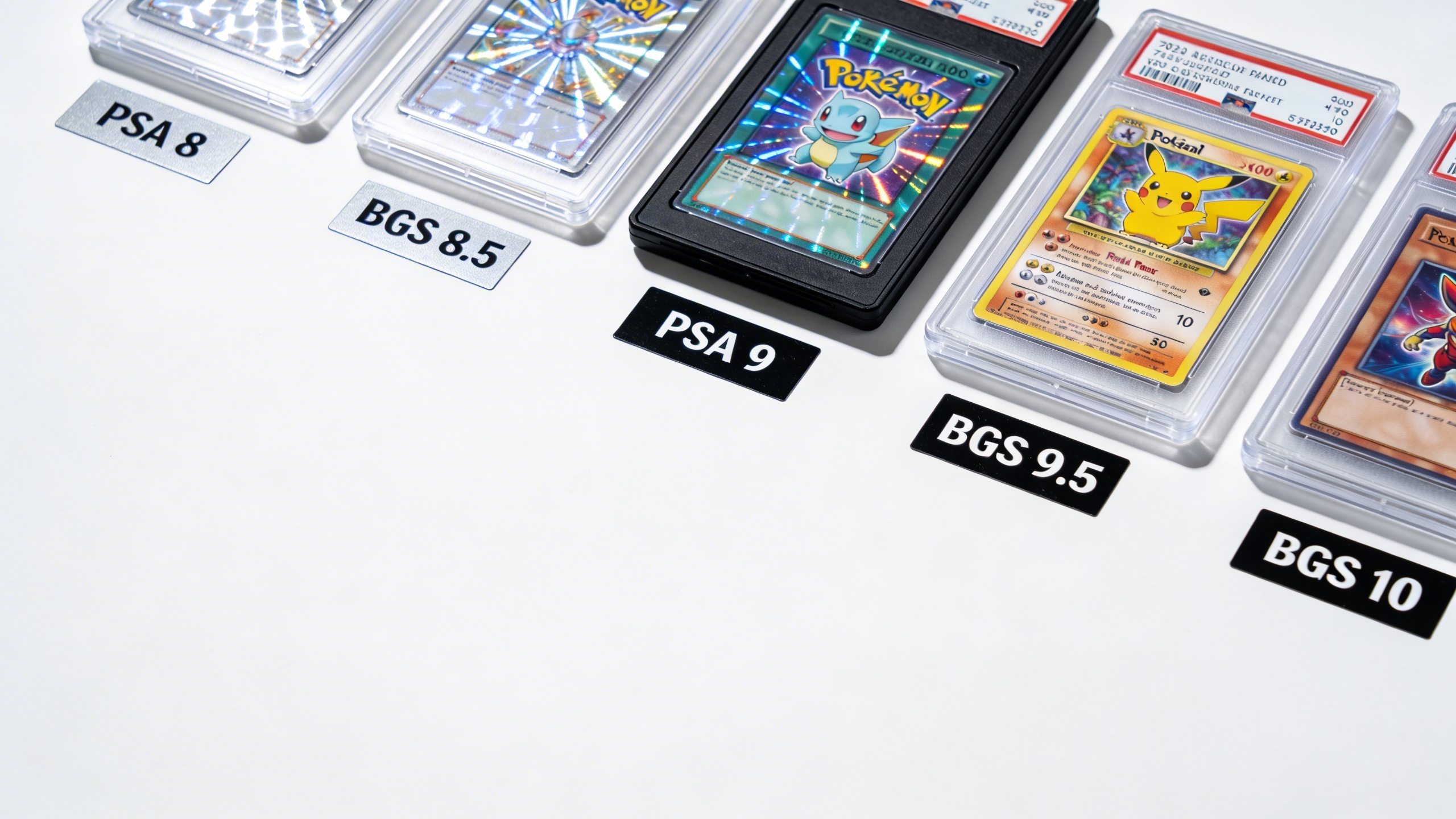
Professional grading transforms raw pokemon trading card worth by providing authenticated condition assessments that significantly influence market prices. Understanding how grading services operate and their impact on valuations is essential for serious collectors looking to maximize their pokemon trading card value through strategic submissions.
PSA vs BGS vs CGC Grading Services
Three major companies dominate the pokemon trading card appraisal landscape, each with distinct characteristics that affect final valuations. Professional Sports Authenticator (PSA) commands the highest market premiums, with PSA 10 cards typically selling for 15-30% more than equivalent grades from other services. Their simple 1-10 scale and widespread market acceptance make PSA the gold standard for vintage cards and high-value modern releases.
Beckett Grading Services (BGS) offers more detailed subgrades for centering, corners, edges, and surface, with their coveted Black Label 10 representing absolute perfection. BGS grades often appeal to collectors seeking detailed condition breakdowns, though market premiums vary by card type. Certified Guaranty Company (CGC) has emerged as a competitive alternative, offering faster turnaround times and competitive pricing while maintaining strict grading standards.
| Service | Market Premium | Turnaround Time | Cost Range |
|---|---|---|---|
| PSA | Highest | 30-180 days | $25-$300+ |
| BGS | High (Black Label) | 20-120 days | $30-$250+ |
| CGC | Growing | 15-60 days | $20-$200+ |
Grade Scale Understanding (1-10)
The condition scale dramatically affects pokemon trading card prices, with grades 8-10 representing the sweet spot for serious collectors. A PSA 8 card typically sells for 2-3 times the raw card value, while maintaining accessibility for most collectors. PSA 9 cards command 4-6 times raw value, representing excellent condition with minor flaws.
The coveted PSA 10 grade can increase pokemon trading card worth by 8-15 times compared to raw cards, depending on rarity and demand. For example, a raw Base Set Charizard might sell for $300-400, while a PSA 10 example commands $4,000-6,000. Lower grades (6-7) typically offer minimal premiums over raw cards unless dealing with extremely rare vintage material.
Cost vs Benefit Analysis of Grading
Determining when grading makes financial sense requires careful pokemon trading card price guide analysis. Cards worth $100+ in raw condition generally justify grading costs, especially if they appear to be in mint condition. Modern cards from recent sets should only be graded if they’re clearly pristine, as the market is saturated with high-grade examples.
Vintage cards from Base Set, Jungle, and Fossil often benefit from grading even in lower conditions due to their inherent rarity and collector demand. Calculate potential returns by researching sold listings for graded examples, then subtract grading costs ($25-50 for standard service) plus shipping and insurance.
Consider bulk submission discounts for multiple cards, but avoid grading borderline condition cards unless they hold significant sentimental value. Focus grading efforts on cards where authentication adds substantial value—particularly vintage holos, first edition cards, and modern chase cards in pristine condition.

Where to Find Accurate Pokemon Card Prices
Determining accurate pokemon trading card worth requires consulting multiple reliable sources and understanding how to interpret market data effectively. Professional collectors and investors rely on a combination of online platforms, auction results, and local expertise to establish comprehensive pokemon trading card prices for their collections.
Online Price Tracking Platforms
TCGPlayer stands as the industry standard for pokemon trading card price guide information, offering real-time market data from thousands of verified sellers. The platform provides average market prices, recent sales history, and price trends for cards across all conditions and sets. When using TCGPlayer, focus on the “Market Price” rather than listed prices, as this reflects actual transaction values.
PWCC Marketplace specializes in high-end graded cards and provides detailed auction results for premium Pokemon collectibles. Their monthly price reports offer invaluable insights into pokemon trading card appraisal trends for PSA and BGS graded cards, particularly useful for vintage and rare specimens worth over $1,000.
Additional platforms like PriceCharting and CardMavin aggregate data from multiple sources, providing comprehensive price histories and condition-based valuations. These tools excel at tracking long-term trends and identifying market fluctuations that might affect your collection’s overall pokemon trading card value.
Auction Sites and Sold Listings
eBay’s sold listings feature provides the most comprehensive view of actual transaction prices across all card conditions and rarities. When researching pokemon trading card prices on eBay, filter results by “Sold” listings and match your card’s exact condition, set, and any special characteristics like first edition stamps or error variations.
Pay attention to auction end times, as cards sold during peak hours (evenings and weekends) often command higher prices than those ending during weekdays. Factor in shipping costs and seller fees when calculating true market values, as these can significantly impact the final pokemon trading card worth.
Heritage Auctions offers premium results for high-value vintage cards and complete sets. Their detailed lot descriptions and professional photography provide excellent comparables for rare cards requiring formal pokemon trading card appraisal services.
Local Card Shop Valuations
Building relationships with knowledgeable local card shop owners provides invaluable real-world perspective on pokemon trading card value trends. Experienced dealers understand regional market preferences and can offer insights into cards that might be undervalued online but highly sought after locally.
Local shops also provide immediate liquidity options and can offer trade-in values that reflect current market conditions. Many shop owners attend major conventions and maintain connections with serious collectors, giving them access to private sale information not reflected in public auction data.
When consulting local dealers, bring multiple cards for evaluation to establish credibility and demonstrate serious collecting intent. Document their assessments and compare them with online data to develop a comprehensive understanding of your collection’s true market position.
Remember that accurate pokemon trading card price guide research requires patience and multiple data points. Cross-reference information from at least three sources before making significant buying or selling decisions, and always account for market timing and condition variations in your final valuations.
Market Trends and Investment Considerations
Understanding market dynamics is crucial for anyone serious about pokemon trading card appraisal and building a valuable collection. The Pokemon TCG market operates on complex cycles influenced by external factors, making timing and strategy essential components of successful collecting and investing.
Seasonal Price Fluctuations
Pokemon trading card prices follow predictable seasonal patterns that savvy collectors can leverage. December consistently shows the highest demand as holiday shoppers seek premium cards, with Base Set Charizard prices typically increasing 15-20% during the holiday season. Conversely, January through March often presents buying opportunities as the market corrects from holiday peaks.
Pokemon anniversary celebrations create significant price spikes. The 25th anniversary in 2021 drove vintage card values up 300-500% in some cases, with First Edition Base Set cards reaching unprecedented heights. Anniversary years for specific sets also trigger renewed interest—the 20th anniversary of the Neo Genesis set in 2020 saw cards like Lugia double in value within six months.
Tax refund season (February-April) traditionally brings increased buying activity, while summer months often see softer prices as collectors shift focus to outdoor activities. Understanding these cycles helps optimize both buying and selling decisions when evaluating pokemon trading card worth.
Pop Culture Impact on Values
Media releases create immediate and lasting effects on pokemon trading card prices. The 2019 Detective Pikachu movie triggered a 40% increase in Pikachu card values across all sets, while the 2022 Pokemon Legends: Arceus game release boosted ancient Pokemon card prices significantly.
Nostalgia cycles play a powerful role in market dynamics. As millennials who grew up with Pokemon enter their peak earning years, cards from the Wizards of the Coast era (1998-2003) have seen sustained growth. The 20-25 year nostalgia cycle suggests that Diamond & Pearl era cards may be the next major beneficiaries.
Celebrity endorsements and social media trends create sudden demand spikes. When Logan Paul purchased a PSA 10 Base Set Charizard for $6 million, it legitimized Pokemon cards as serious investments and drove widespread market attention. Any pokemon trading card price guide must account for these unpredictable but powerful influences.
Long-term vs Short-term Investment Strategies
Short-term strategies focus on capitalizing on trends and events. Buying cards before movie releases, game launches, or tournament seasons can yield quick profits. However, this approach requires constant market monitoring and carries higher risk due to speculation.
Long-term investing emphasizes blue-chip cards with proven track records. Base Set Charizard, Trophy Pikachu cards, and other iconic Pokemon have shown consistent appreciation over decades. Portfolio diversification across different eras, rarities, and Pokemon reduces risk while maintaining growth potential.
A balanced approach combines both strategies: maintaining a core portfolio of stable, high-grade vintage cards while allocating 20-30% to speculative modern cards and trending Pokemon. This strategy provides steady growth while capturing opportunities from market volatility.
Consider factors beyond pure financial returns when building your collection. Cards with personal significance often provide satisfaction regardless of market performance, while maintaining condition and proper storage protects long-term pokemon trading card value regardless of market conditions.
How to Properly Appraise Your Collection
Conducting a thorough pokemon trading card appraisal requires systematic organization and careful evaluation of each card’s condition and market position. Professional collectors understand that accurate valuation goes beyond simply looking up pokemon trading card prices online—it involves comprehensive documentation and strategic decision-making about which cards deserve professional attention.
Cataloging and Inventory Methods
Digital tracking systems provide the foundation for effective collection management. Popular tools like TCGPlayer’s Collection Tracker, Pokemon TCG Live, and custom spreadsheets allow collectors to monitor pokemon trading card worth across their entire inventory. When building your database, record essential details including card name, set number, condition assessment, acquisition date, and purchase price.
Create separate categories for different value tiers: cards worth under $10, mid-range cards between $10-100, and premium cards exceeding $100. This segmentation helps prioritize your appraisal efforts and identifies which portions of your collection require the most attention. Include high-resolution photos of valuable cards, noting any visible wear, centering issues, or surface imperfections that could affect grading outcomes.
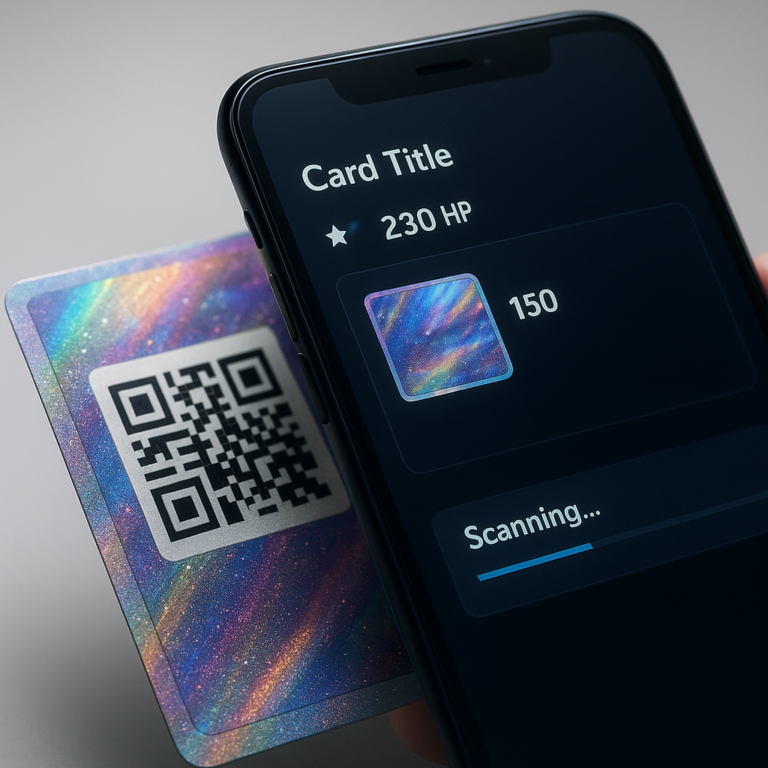
Modern inventory apps like CollX and TCGDB offer barcode scanning features that automatically populate card information and current market values. These tools sync with major pricing databases, ensuring your pokemon trading card price guide data remains current without manual updates.
Identifying Key Cards Worth Grading
Professional grading represents a significant investment, making ROI calculations essential before submitting cards. Generally, cards worth $50 or more in raw condition become candidates for grading services like PSA or BGS. However, the grading decision depends on several factors: current condition, potential grade outcome, and the spread between raw and graded prices.
Calculate potential returns by comparing ungraded pokemon trading card prices with recent sales of graded examples. For instance, a near-mint Base Set Charizard might sell for $400 raw but command $1,200-2,000 in PSA 9-10 condition. With grading costs around $50-100 per card, this represents excellent ROI potential for high-grade examples.
Focus grading efforts on first edition cards, promotional releases, and cards from popular sets like Base Set, Neo Genesis, and modern chase cards from recent expansions. Avoid grading damaged or heavily played cards unless they’re exceptionally rare, as lower grades rarely justify the expense.
Insurance and Documentation
Collections exceeding $1,000 in value require proper insurance coverage and documentation. Standard homeowner’s policies typically provide minimal coverage for collectibles, making specialized collectibles insurance necessary for serious collectors. Companies like Collectibles Insurance Services offer coverage specifically designed for trading card collections.
Maintain detailed records including purchase receipts, grading certificates, and professional appraisal documents. Photograph your most valuable cards annually, noting any condition changes that might affect their pokemon trading card value. Store this documentation separately from your physical collection, preferably in cloud storage with backup copies.
For collections worth $10,000 or more, consider annual professional appraisals from certified experts. These formal valuations provide crucial documentation for insurance claims and estate planning purposes, ensuring your collection’s full value receives proper recognition and protection.
Selling Your Pokemon Cards for Maximum Value
Once you’ve completed your pokemon trading card appraisal and identified valuable cards in your collection, choosing the right selling strategy becomes crucial for maximizing returns. The platform you select, timing of your sales, and presentation quality can significantly impact your final selling price.
Best Platforms for Different Card Types
Different selling platforms excel for specific card categories. eBay remains the premier marketplace for high-value vintage cards like Base Set Charizard or Neo Genesis Lugia, where auction formats can drive competitive bidding. The platform’s global reach ensures maximum exposure for rare cards worth $500 or more.
For modern cards and bulk sales, TCGPlayer offers lower fees and attracts serious collectors who understand current pokemon trading card prices. This platform works exceptionally well for graded cards from recent sets like Brilliant Stars or Lost Origin, where standardized pricing helps buyers make informed decisions.
Local card shops and Facebook groups provide excellent venues for mid-tier cards valued between $20-200. These channels eliminate shipping risks and fees while building relationships within your collecting community. Many shops offer store credit at 10-15% above cash prices, beneficial if you’re actively collecting.
Timing Your Sales Strategy
Market timing significantly influences pokemon trading card worth realization. Holiday seasons, particularly November through January, see increased demand as gift-buyers enter the market. Newly announced Pokemon games or anime releases often spike interest in related cards.
Monitor major tournament schedules, as competitive play drives demand for specific cards. Pokemon World Championships in August typically creates opportunities for tournament-legal cards from recent sets. Conversely, avoid selling during major set releases when attention shifts to new products.
Economic factors also matter. Tax refund season (February-April) often brings increased collector spending, while summer months may see decreased activity as families focus on vacations.
Avoiding Common Selling Mistakes
Poor photography destroys potential sales value. Use natural lighting, capture all card edges clearly, and photograph any damage honestly. Buyers rely heavily on images when determining pokemon trading card value, making professional presentation essential.
Avoid emotional pricing based on personal attachment. Stick to your pokemon trading card price guide research and current market data. Overpricing leads to stagnant listings that eventually require price reductions.
Never ship valuable cards without tracking and insurance. Cards worth over $100 should include signature confirmation. Many sellers lose money through inadequate shipping protection, turning profitable sales into losses.
Research completed sales rather than active listings when setting prices. Active listings show asking prices, while completed sales reveal actual market values. This distinction prevents overestimating your cards’ current worth and ensures competitive pricing strategies.
Frequently Asked Questions
How much is my Pokemon card worth?
Your Pokemon card's value depends on several key factors: rarity, condition, age, and current market demand. To determine accurate value, first identify your card's set, rarity symbol, and assess its condition using the grading scale from Poor to Mint. Then check recent sold listings on platforms like eBay, TCGPlayer, or PWCC Marketplace for comparable cards in similar condition to establish current market value.
What Pokemon cards are worth the most money?
The most valuable Pokemon cards include the 1998 Base Set Shadowless Charizard ($350,000+ in perfect condition), Trophy Pikachu cards from tournaments ($100,000+), and the Logan Paul Charizard ($5.275 million). Other high-value cards include first edition Base Set holos, Japanese promotional cards, and modern chase cards like alternate art Charizards from recent sets, which can range from hundreds to thousands of dollars.
Should I get my Pokemon cards graded?
Grading makes sense for cards worth $100+ in raw condition, especially vintage holos, first editions, and modern chase cards in near-mint or better condition. Professional grading from PSA or BGS can significantly increase value for high-condition cards, but factor in grading costs ($20-50+ per card) and turnaround times. Only grade cards where the potential value increase exceeds the grading investment.
Where can I sell my Pokemon cards for the best price?
For maximum returns, eBay auctions work best for rare/vintage cards due to competitive bidding, while TCGPlayer and local card shops offer quick sales for modern cards. High-value graded cards ($1,000+) perform well at auction houses like Heritage Auctions or PWCC Marketplace. Consider Facebook groups and Discord communities for mid-tier cards, but always factor in platform fees (10-13% for eBay) when calculating final profits.
How do I know if my Pokemon card is real or fake?
Authentic Pokemon cards have specific texture, weight, and print quality that fakes often miss - look for the proper card stock thickness, crisp text without blurring, and correct holographic patterns. Red flags include unusual coloring, poor print quality, incorrect fonts, missing copyright information, or cards that feel too light or smooth. When in doubt, compare suspicious cards side-by-side with verified authentic cards or consult grading services for authentication.