Complete Pokemon Trading Card Game Guide: Everything You Need to Know in 2026
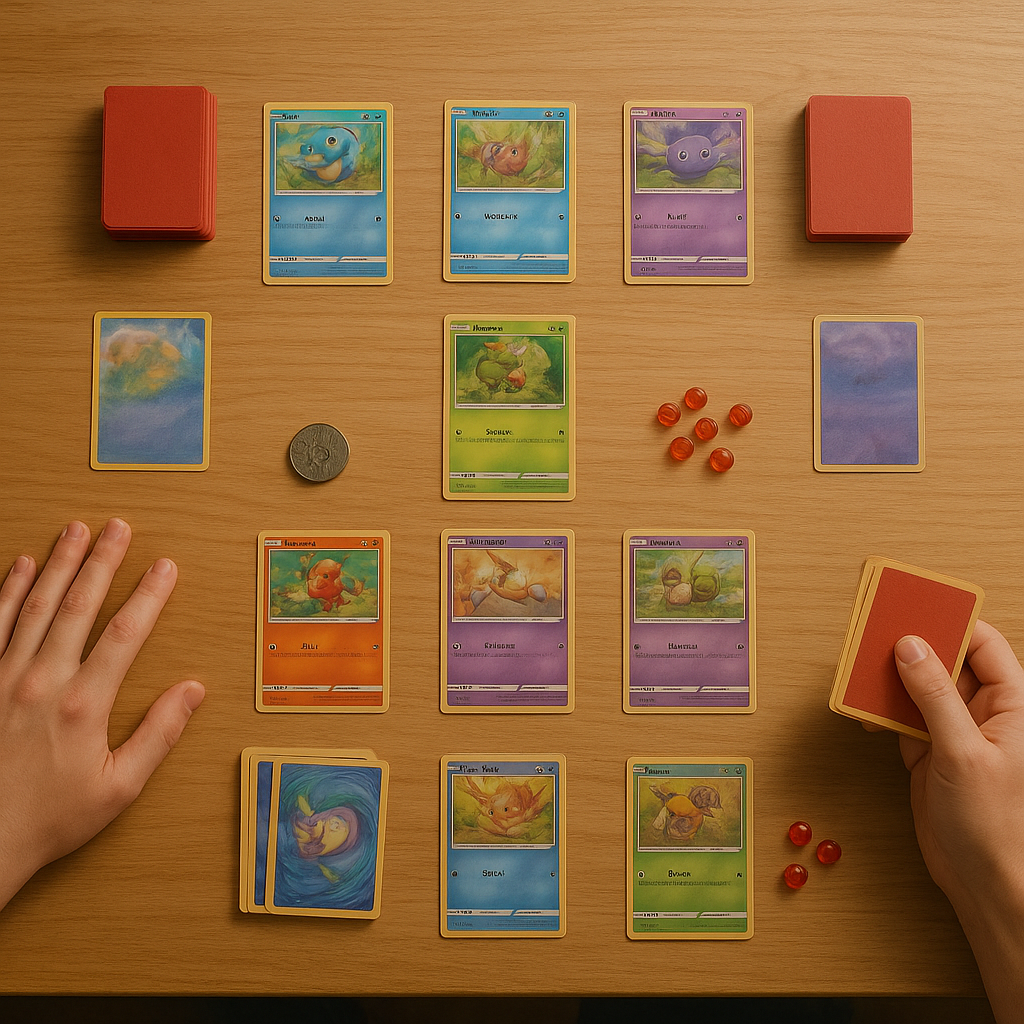
Welcome to the extraordinary world of the Pokemon Trading Card Game, where strategic gameplay meets beloved characters in an experience that has captivated millions worldwide since 1996. What began as a simple card game has evolved into a global phenomenon that continues to grow stronger in 2026, with new generations discovering the thrill of collecting, trading, and battling with their favorite Pokemon. The pokemon tcg has masterfully adapted to modern times while preserving the core elements that made it legendary—combining nostalgia with cutting-edge gameplay mechanics that challenge both newcomers and seasoned trainers.
This comprehensive guide covers everything you need to master the pokemon card game, from understanding basic rules and card types to building competitive decks and navigating digital platforms like Pokemon Trading Card Game Live. Whether you’re a curious beginner wondering about pokemon trading cards or an experienced player seeking advanced strategies, you’ll discover practical insights into deck construction, competitive play, set rotations, and the ever-expanding universe of Pokemon trading card expansions. By the end of this guide, you’ll have the knowledge and confidence to step into any Pokemon TCG battle with strategy, skill, and the spirit of a true Pokemon trainer.
What is the Pokemon Trading Card Game?
The Pokemon Trading Card Game is a strategic collectible card game where players battle using decks of Pokemon cards, energy cards, and trainer cards. Unlike traditional card games that rely purely on luck or abstract mechanics, the pokemon tcg recreates the beloved world of Pokemon through gameplay that mirrors the video game experience of catching, training, and battling with these iconic creatures.
At its core, the pokemon card game combines tactical deck building with exciting head-to-head battles. Players take on the role of Pokemon trainers, using their carefully constructed 60-card decks to defeat opponents by knocking out six Pokemon or forcing their opponent to run out of cards. This unique victory condition system creates dynamic gameplay where every card played can shift the momentum of battle.
Origins and History of Pokemon TCG
The pokemon trading card game launched in Japan in October 1996, developed by Media Factory under license from Nintendo. Created just months after the original Pokemon Red and Green video games captured the nation’s imagination, the TCG was designed to bring the Pokemon experience into the physical world. The first set, Base Set, featured 102 cards including the now-legendary Charizard that would become one of the most valuable pokemon trading cards in history.
Wizards of the Coast brought the game to North America in January 1999, sparking what many consider the first major TCG boom outside of Magic: The Gathering. The English Base Set print run couldn’t meet demand, with cards selling out nationwide and creating a secondary market that persists today. By 2003, The Pokemon Company International took over publishing duties, ensuring consistent global releases and tournament support that continues through pokemon trading card game live and beyond.
The game has evolved through over 90 expansion sets, introducing mechanics like Pokemon-ex, Pokemon Prime, Pokemon-GX, and most recently, Pokemon V and VMAX cards. Each era brought new strategic depth while maintaining the accessible gameplay that made Pokemon TCG a gateway for millions of players worldwide.
How Pokemon TCG Differs from Other Trading Card Games
The pokemon trading card game stands apart from competitors through its unique three-card-type system and prize card mechanic. While games like Magic: The Gathering use complex mana systems, Pokemon employs straightforward energy attachments that even young players can master. Pokemon cards serve as both your attacking forces and your life total—when a Pokemon is knocked out, your opponent takes prize cards, creating tension around every battle decision.
The evolution mechanic adds another distinctive layer, allowing Basic Pokemon to evolve into more powerful Stage 1 and Stage 2 forms. This creates natural deck archetypes and strategic timing decisions absent in most other TCGs. Trainer cards provide powerful one-time effects and ongoing support, but unlike spell cards in other games, they don’t require specific resources to play beyond being in your hand.
Pokemon’s rotation format also sets it apart, with older sets regularly cycling out of tournament play to keep the game fresh and accessible. This prevents the power creep issues that plague eternal formats in other games, ensuring new players can compete competitively without investing in decades of card history.
The Global Pokemon TCG Community
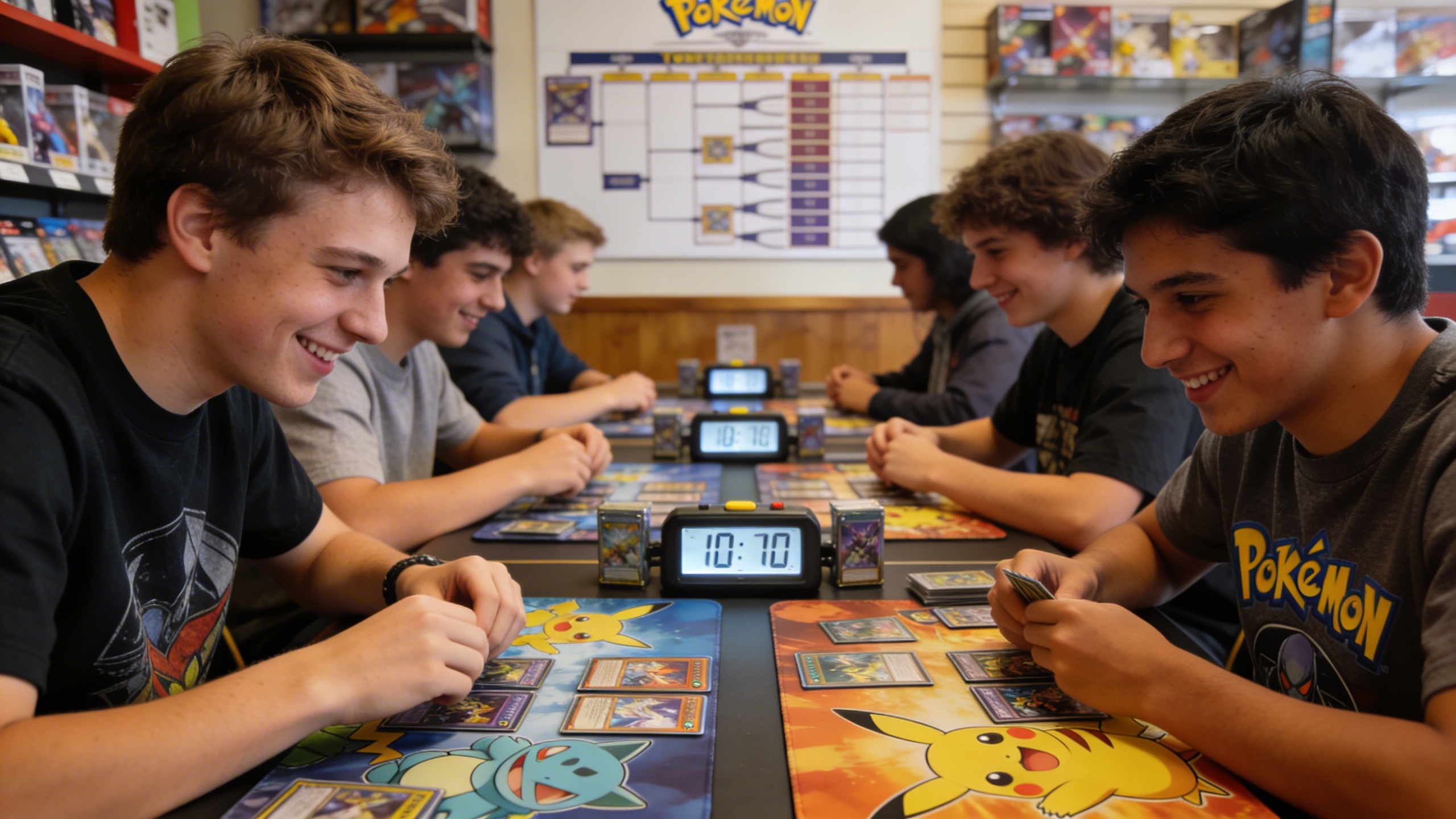
The pokemon trading card game boasts one of the most organized competitive scenes in all of gaming. The Championship Series features regional, national, and world championship events across multiple age divisions, with the Pokemon World Championships serving as the ultimate proving ground for the world’s best players. Prize pools regularly exceed $500,000, attracting professional players from around the globe.
Local game stores form the foundation of the community through weekly leagues, monthly tournaments, and special events. The Professor Program trains volunteers to judge tournaments and teach new players, creating a welcoming environment that has helped the game maintain its family-friendly reputation for over 25 years.
Digital integration through pokemon trading card game live has expanded the community beyond physical boundaries, allowing players to practice, trade, and compete online. This platform has become essential for testing new strategies and connecting with players worldwide, especially during periods when in-person play isn’t possible.
Pokemon TCG Basic Rules and Gameplay
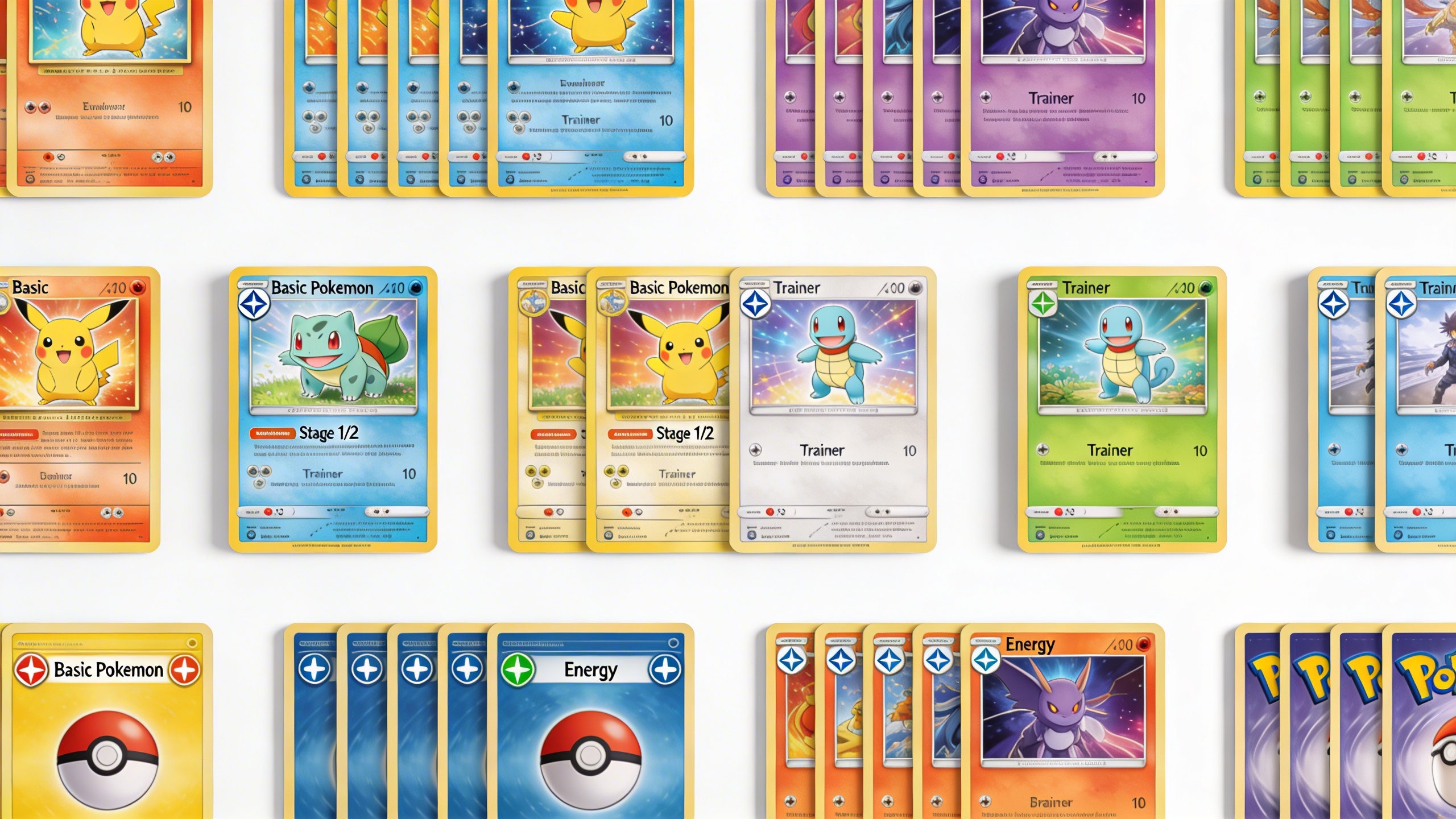
Learning the pokemon trading card game rules might seem overwhelming at first, but the core gameplay mechanics are surprisingly straightforward. The pokemon tcg follows a structured turn-based system where two players battle using their Pokemon teams, with the ultimate goal of claiming six Prize cards before their opponent. Understanding these fundamental rules will transform your collection of pokemon trading cards into an engaging strategic experience.
Setting Up Your First Game
Every pokemon card game begins with proper setup, and the most critical requirement is your 60-card deck. This isn’t just a random number—the 60-card limit ensures balanced gameplay and forces strategic deck building decisions. Your deck must contain exactly 60 cards, with no more than four copies of any single card (except basic Energy cards, which have no limit).
Each player draws seven cards to start, then places one Basic Pokemon face-down as their Active Pokemon. You’ll also set aside six cards face-down as Prize cards—these represent your path to victory. If you don’t draw any Basic Pokemon in your opening hand, you must shuffle your hand back into your deck and draw seven new cards, while your opponent gets to draw an extra card as compensation.
The setup phase also involves placing any additional Basic Pokemon on your Bench (you can have up to five Benched Pokemon) and putting the remaining Prize cards face-down to the side. Both players flip their Active Pokemon face-up simultaneously, and the game begins with whoever goes first—determined by a coin flip.
Turn Structure and Game Flow
Each turn in the pokemon trading card game follows a specific sequence that maintains the game’s strategic flow. Your turn begins by drawing one card from your deck, then you can perform several actions in any order: play Trainer cards, attach one Energy card per turn, evolve your Pokemon, use Pokemon Abilities, and retreat your Active Pokemon.
The Energy attachment rule is particularly crucial—you can only attach one Energy card from your hand to one of your Pokemon each turn. This limitation creates the game’s resource management aspect, as powerful attacks often require multiple Energy cards. For example, Charizard ex from Obsidian Flames typically needs three or more Energy to use its devastating attacks effectively.
Pokemon evolution follows a natural progression: Basic Pokemon can evolve into Stage 1, which can then evolve into Stage 2. However, you cannot evolve a Pokemon on the same turn it was played or evolved, except through specific card effects. When a Pokemon evolves, it retains all attached Energy cards and damage counters, but any special conditions are removed.
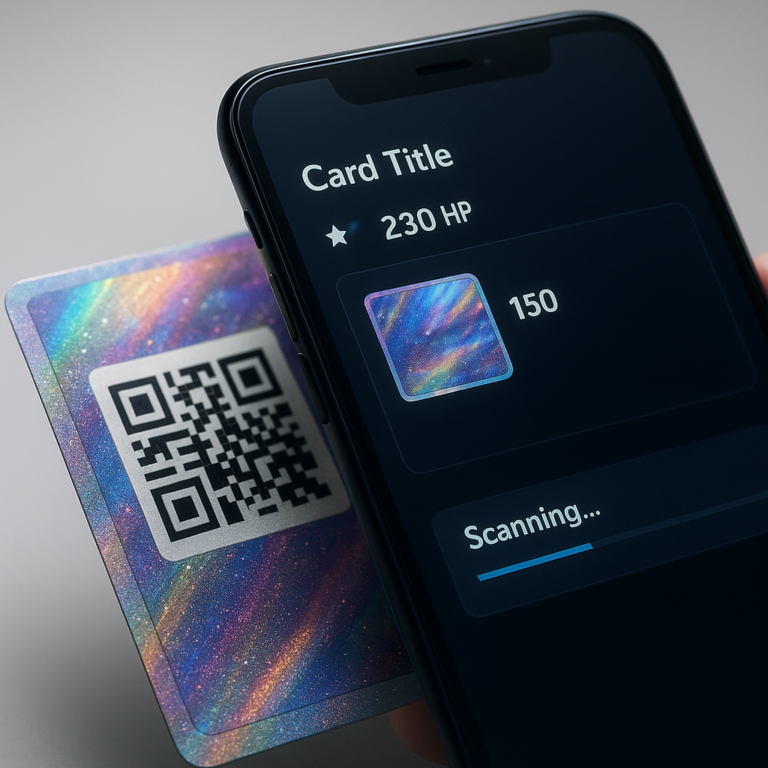
Your turn concludes with the Attack phase, where your Active Pokemon can use one of its attacks if you have the required Energy attached. After declaring an attack, your opponent checks for Weakness and Resistance, applies any damage, and the turn passes to them. If you’re tracking your collection’s value while playing, TCG Radar provides instant price scanning to help you understand the monetary value of the cards you’re using in battle.
Win Conditions and Prize Cards
The pokemon trading card game live and physical versions share identical win conditions, making the transition between formats seamless. You achieve victory through one of three methods: taking all six Prize cards, causing your opponent to run out of Pokemon in play, or forcing them to draw from an empty deck.
The Prize card system creates the game’s primary tension. When you Knock Out an opponent’s Pokemon, you draw Prize cards equal to that Pokemon’s Prize value—most Pokemon award one Prize card, but powerful Pokemon ex, Pokemon GX, and Pokemon VMAX can award two or even three Prize cards when defeated. This risk-reward system means using high-HP, high-damage Pokemon like Miraidon ex or Charizard ex can accelerate your victory but also gives your opponent significant progress toward their own win.
Prize card management becomes a critical strategic element, especially in competitive play. Some players include specific cards in their deck knowing they might become Prize cards, while others use cards like Professor’s Research or Ultra Ball to manipulate their deck composition. Advanced players often track which Prize cards they’ve seen to calculate probabilities for crucial late-game draws.
The third win condition—decking your opponent—rarely occurs in casual games but can be a legitimate strategy in competitive formats. Cards like Team Rocket’s Handiwork or mill-focused strategies attempt to exhaust the opponent’s deck rather than taking Prize cards directly.
Understanding these core rules provides the foundation for enjoying pokemon trading cards at any level, from kitchen table battles to tournament play. The beauty of the pokemon tcg lies in how these simple mechanics create infinite strategic possibilities.

Understanding Pokemon Card Types and Rarities
The pokemon trading card game features a sophisticated card classification system that every player must understand to build effective decks and recognize valuable cards. Each card in the pokemon tcg serves a specific purpose, from the Pokemon creatures that battle to the support cards that enable strategic plays. Learning these distinctions will transform how you approach both collecting and playing the pokemon card game.
Pokemon Cards: Basic, Stage 1, and Stage 2
Pokemon cards form the core of every deck and are categorized by their evolution stage. Basic Pokemon represent the foundation of your team—cards like Pikachu, Snorlax, and Charizard ex that can be played directly from your hand to start battles. These cards typically have lower HP but can attack immediately, making them essential for early game pressure.
Stage 1 Pokemon evolve from Basic Pokemon and generally offer improved attacks and higher HP. Cards like Raichu (evolving from Pikachu) or Machoke (from Machop) provide the middle ground between accessibility and power. The pokemon trading card game live platform makes it easy to practice evolution timing, as digital play helps you understand when to evolve for maximum advantage.
Stage 2 Pokemon represent the pinnacle of evolution lines, requiring both the Basic and Stage 1 forms to reach the field. Charizard, Blastoise, and Venusaur exemplify these powerhouses, often featuring devastating attacks and substantial HP pools exceeding 300 points. However, their setup requirements make them high-risk, high-reward investments in competitive play.
Trainer Cards and Their Functions
Trainer cards provide the strategic backbone of successful pokemon trading cards decks. These non-Pokemon cards fall into three main categories: Items, Supporters, and Stadiums. Item cards offer immediate effects like Professor’s Research (draw 7 cards) or Ultra Ball (search for Pokemon), with no usage restrictions per turn.
Supporter cards deliver powerful effects but limit you to one per turn, creating crucial decision points. Cards like Professor Juniper and Marnie reshape your hand, while Boss’s Orders forces opponent Pokemon switches. Stadium cards remain in play until replaced, affecting both players—examples include Training Court (recover basic Energy) and Path to the Peak (limiting Pokemon abilities).
The interaction between Trainer cards often determines game outcomes more than Pokemon selection. Successful pokemon tcg players typically run 25-35 Trainer cards per 60-card deck, emphasizing consistency and strategic flexibility over raw Pokemon power.
Energy Cards and Special Energy Types
Energy cards fuel Pokemon attacks and come in two varieties: Basic Energy and Special Energy. The nine Basic Energy types (Grass, Fire, Water, Lightning, Psychic, Fighting, Darkness, Metal, and Colorless) provide straightforward attack costs with no additional effects.
Special Energy cards offer unique abilities beyond attack requirements. Double Colorless Energy provides two Colorless Energy but only counts as one card, accelerating setup for expensive attacks. Rainbow Energy supplies any color but inflicts 10 damage on the Pokemon it’s attached to, creating risk-reward decisions.
Cards like Twin Energy (two Energy for Stage 1 Pokemon only) and Horror Psychic Energy (prevents retreat) add strategic layers to deck building. Understanding energy requirements helps optimize deck ratios—most competitive decks run 8-12 Energy cards depending on attack costs and acceleration options.
Rarity Symbols and Card Values
Pokemon trading card game rarity symbols appear in the bottom-right corner and significantly impact card values. Common cards display a circle, Uncommon cards show a diamond, and Rare cards feature a star. Within Rare classifications, Holo Rare cards have foil treatment on the Pokemon illustration, while Rare Holo V and VMAX cards represent premium collectibles.
Special rarities include Secret Rare cards (numbered beyond the set’s base count), Alternative Art cards featuring unique illustrations, and Rainbow Rare cards with prismatic foil effects. When building collections or evaluating trades, TCG Radar provides instant card identification and current market values, helping you make informed decisions about purchases and trades.
The card numbering system follows the format “XXX/YYY” where XXX represents the individual card number and YYY shows the total set size. Secret Rare cards exceed this count (like 250/234), immediately identifying them as premium collectibles worth significantly more than standard cards.
Pokemon Trading Card Sets and Expansions
The pokemon trading card game features an extensive catalog of sets and expansions that have evolved dramatically since its 1998 debut. Understanding the various sets, their rotation schedules, and collectible value is essential for both competitive players and collectors navigating the pokemon tcg landscape in 2026.
Current Standard Format Sets (2024-2026)
The Standard format rotation determines which sets remain legal for competitive play in pokemon trading card game live and official tournaments. As of 2026, the current Standard format includes sets from the Sword & Shield series onward, with the Paldea Evolved, Obsidian Flames, and Paradox Rift expansions forming the core of the current meta.
The rotation schedule follows a predictable annual pattern, typically occurring each September. Sets rotate out after approximately two years in Standard format, ensuring the competitive environment remains fresh while maintaining card accessibility. Recent additions like Twilight Masquerade and Shrouded Fable have introduced powerful new mechanics that reshape tournament strategies.
| Set Name | Release Date | Key Cards | Standard Legal Until |
|---|---|---|---|
| Paldea Evolved | June 2023 | Chien-Pao ex, Miraidon ex | September 2025 |
| Obsidian Flames | August 2023 | Charizard ex, Pidgeot Control | September 2025 |
| Paradox Rift | November 2023 | Roaring Moon ex, Iron Valiant ex | September 2026 |
Players building competitive decks should prioritize cards from newer sets to maximize their tournament viability. The pokemon card game’s rotation system ensures that investment in current sets provides at least 12-18 months of competitive play before rotation occurs.
Classic and Vintage Pokemon Sets
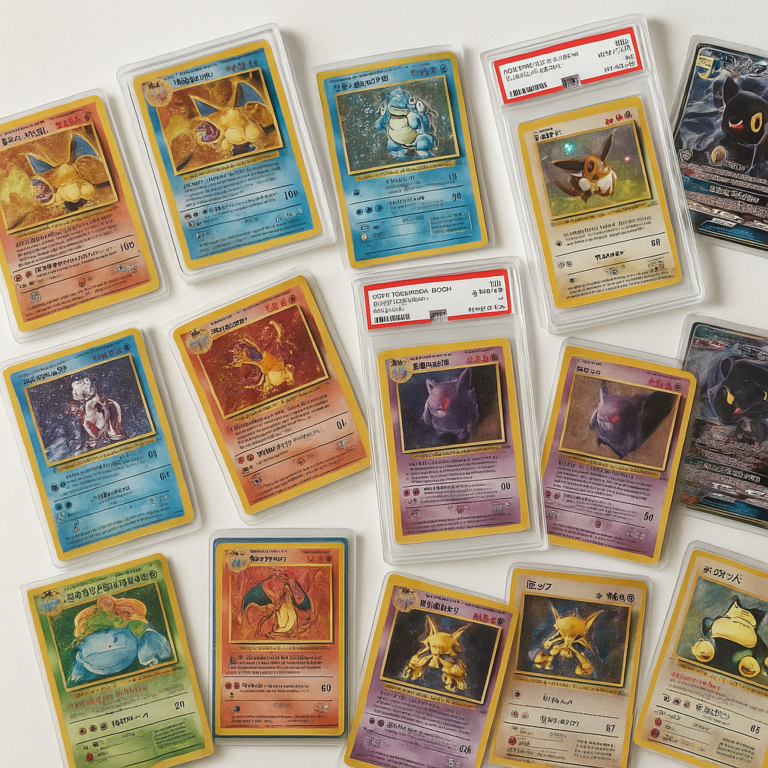
Vintage pokemon trading cards from the original Base Set through Neo series command premium prices among collectors. The 1998 Base Set remains the holy grail, with PSA 10 Charizard cards selling for $300,000+ at auction. First Edition stamps and shadowless variants significantly increase card values.
The most valuable vintage sets include Base Set (1998), Jungle (1999), Fossil (1999), and the complete Neo series (2000-2001). Team Rocket introduced the first “Dark” Pokemon variants, while the e-Card series featured unique dot-code technology that never appeared in later releases.
Japanese exclusive sets like Vending Machine cards and various promotional releases often exceed English counterparts in value due to limited availability. Trophy cards from early tournaments can reach six-figure prices, making them the ultimate collector’s items.
For collectors looking to verify authenticity and current market values of vintage cards, using a reliable card scanner like TCG Radar provides instant price comparisons and helps identify counterfeit cards that flood the vintage market.
Special Collections and Premium Products
Premium products offer exclusive cards and alternate artwork unavailable in standard booster packs. Elite Trainer Boxes, Ultra Premium Collections, and Holiday Calendar products typically include unique promotional cards, premium foiling techniques, and collectible accessories.
The 25th Anniversary Collection and Pokemon GO collaboration sets exemplify successful special releases that blend nostalgia with modern gameplay mechanics. These limited edition products often appreciate significantly after their initial print run ends.
Crown Zenith and similar special sets serve as capstone releases for each generation, featuring alternate art cards and premium materials. Holiday-themed products like the Advent Calendar consistently sell out due to their gift-giving appeal and exclusive promotional cards.
The 2026 release calendar includes quarterly special collections, with summer and holiday products traditionally offering the highest collectible value. Pre-ordering limited edition releases often provides the best value proposition, as secondary market prices typically increase 50-100% within months of release.
Building Your Pokemon TCG Deck
Building an effective Pokemon trading card game deck requires understanding fundamental construction rules, strategic card choices, and budget considerations. Whether you’re competing in Pokemon Trading Card Game Live or local tournaments, a well-constructed deck forms the foundation of competitive success.
Deck Construction Rules and Guidelines
Every Pokemon TCG deck must contain exactly 60 cards, with no exceptions for tournament play. This strict limit forces strategic decisions about which cards deserve inclusion. The four-copy rule restricts players to maximum four copies of any card with the same name, except for basic Energy cards which have no limit.
A balanced deck typically includes 10-15 Pokemon cards, 30-35 Trainer cards, and 10-15 Energy cards. Pokemon ex and Pokemon V cards often serve as primary attackers due to their high HP and powerful attacks, though they award multiple Prize cards when knocked out. Supporting Pokemon like Radiant Charizard or Crobat V provide crucial setup abilities.
Trainer cards form the engine of competitive decks. Professor’s Research and Ultra Ball appear in nearly every successful build, providing essential draw power and Pokemon search capabilities. Stadium cards like Path to the Peak can shut down opponent strategies, while Tool cards like Choice Belt boost damage output against Pokemon V.
Energy consistency determines deck reliability. Most decks run 8-12 basic Energy cards, supplemented by Special Energy like Twin Energy or Aurora Energy when appropriate. Single-type decks achieve greater consistency, while multi-type builds offer tactical flexibility at the cost of reliability.
Popular Deck Archetypes and Strategies
The current Pokemon card game meta features several dominant archetypes. Charizard ex decks leverage Charizard ex’s Burning Darkness attack for massive damage output, typically paired with Pidgeot Control for consistent setup. These decks consistently place in top tournament cuts, with complete builds costing $200-300.
Miraidon ex represents the premier Lightning-type strategy, utilizing Ancient Booster Capsule and Electric Generator to accelerate Energy attachments. The deck’s explosive speed often overwhelms opponents before they establish board presence. Key cards include Miraidon ex ($15-20), Electric Generator ($8-12), and Regieleki ($5-8).
Control decks like Snorlax Stall focus on disruption rather than knockout prizes. These builds use cards like Iono and Judge to limit opponent resources while slowly advancing their win condition. Control strategies require deep game knowledge but offer competitive viability on smaller budgets.
Lost Box variants utilize the Lost Zone mechanic for powerful late-game plays. Comfey’s Flower Selecting ability fills the Lost Zone while Colress’s Experiment provides massive card draw. These decks excel against Pokemon ex strategies but struggle against aggressive single-prize attackers.
Budget-Friendly Deck Building Tips
New players can build competitive Pokemon trading cards decks without breaking the bank. The Charizard ex Battle League Deck ($30-35) provides an excellent starting point, including two Charizard ex and essential Trainer cards. Upgrading with additional Professor’s Research ($3-5 each) and Ultra Ball ($8-10 each) significantly improves consistency.
Single-prize Pokemon offer budget alternatives to expensive Pokemon ex cards. Chien-Pao builds cost under $100 while remaining tournament viable. Lost Box variants also provide competitive options around $120-150, significantly less than tier-one Charizard builds.
Proxy testing before purchasing prevents costly mistakes. Pokemon Trading Card Game Live allows free deck testing with virtual cards, helping players identify preferred strategies before investing real money. Many local game stores also permit proxy tournaments for deck refinement.
When building your collection, consider using TCG Radar to quickly scan and track card values. This powerful scanner app helps identify valuable pulls and monitor price trends across different Pokemon trading card sets.
Focus on versatile staple cards that work across multiple deck types. Cards like Professor’s Research, Ultra Ball, and Battle VIP Pass appear in numerous competitive builds, making them worthwhile investments. Avoid format-specific cards unless committed to particular strategies.
Trading and buying singles typically costs less than booster pack gambling. Calculate exact deck costs using current market prices, then purchase individual cards from reputable sellers. This approach guarantees specific cards while avoiding duplicate pulls from random packs.
Consider rotation schedules when building decks. Cards from older sets eventually become illegal in Standard format play, making recent releases safer long-term investments. The current Standard format includes sets from Sword & Shield base through the latest releases, with annual rotation typically occurring each August.
Pokemon TCG Online and Digital Platforms
The Pokemon trading card game has successfully transitioned into the digital realm, offering players new ways to enjoy their favorite card game. Pokemon Trading Card Game Live serves as the official digital platform, providing an authentic Pokemon TCG experience that mirrors physical gameplay while adding unique digital features.
Pokemon Trading Card Game Live Overview
Pokemon Trading Card Game Live represents the evolution of digital Pokemon card gaming. This free-to-play platform allows players to build decks, battle opponents worldwide, and collect digital cards using the same rules and mechanics as the physical Pokemon trading card game. The platform features an intuitive interface that makes it easy for both newcomers and veterans to navigate deck building, card collection, and competitive play.
The game includes several key features that enhance the Pokemon TCG experience. Players can participate in daily challenges, earn rewards through gameplay, and access a comprehensive tutorial system. The platform supports cross-platform play, meaning you can battle opponents regardless of whether they’re using mobile devices, tablets, or computers. Regular updates introduce new cards and features that keep pace with physical set releases.
Transitioning from Physical to Digital
One of the most valuable aspects of Pokemon Trading Card Game Live is how it connects with physical Pokemon trading cards. Every booster pack, theme deck, and collection box includes a code card that can be redeemed for digital packs in the online platform. This system allows collectors to expand their digital collection simply by purchasing physical products.
Code card redemption is straightforward – players enter the unique code found in physical products to receive equivalent digital packs or items. For example, a Scarlet & Violet booster pack includes a code that provides one digital booster pack with the same card pool. Elite Trainer Boxes and special collections often include codes for multiple packs or exclusive digital items.
Digital collection management offers several advantages over physical cards. Players can easily search their entire collection, filter cards by type or rarity, and organize decks without worrying about card condition or storage space. The platform automatically tracks card counts and deck legality, making it simple to build tournament-ready decks. For collectors who want to track both their physical and digital collections, tools like TCG Radar can help manage and value your physical Pokemon trading cards alongside your digital collection.
Online Tournament and Ranked Play
The competitive scene in Pokemon Trading Card Game Live mirrors organized play in the physical Pokemon card game. Players can participate in ranked battles using Standard, Expanded, or Limited formats, with matchmaking systems that pair opponents of similar skill levels. The ranked ladder system provides monthly rewards based on performance, including rare cards and cosmetic items.
Tournament play includes both casual and competitive options. Daily tournaments offer quick competitive experiences, while special events often coincide with major physical tournaments or set releases. The platform tracks detailed statistics, allowing players to analyze their performance and improve their gameplay.
The online competitive scene has become increasingly important for Pokemon TCG players. Many professional players use the digital platform to test new strategies, practice for major tournaments, and stay current with meta developments. The convenience of online play means you can battle opponents anytime, making it easier to maintain competitive skills between physical events.
Pokemon Trading Card Game Live successfully bridges the gap between physical and digital play, offering Pokemon trading card enthusiasts a comprehensive platform that enhances rather than replaces the traditional Pokemon card game experience.
Competitive Pokemon TCG Play
The competitive Pokemon trading card game scene offers players opportunities to test their skills against others at local, regional, and international levels. Whether you’re a casual player looking to improve or an aspiring champion, understanding the tournament structure and formats is essential for success in organized play.
Tournament Formats and Structure
Competitive Pokemon TCG play operates under two primary formats: Standard and Expanded. The Standard format includes only the most recent card sets, typically covering approximately two years of releases. As of 2026, Standard format includes sets from Sword & Shield base through the current expansion, ensuring a focused meta with balanced gameplay options.
The Expanded format allows a broader card pool, including sets dating back to Black & White. This format creates more diverse deck possibilities but requires deeper knowledge of card interactions and combos. Most major tournaments use Standard format, while some special events feature Expanded play.
Tournament rounds follow Swiss-style pairings, where players face opponents with similar records. Best-of-three matches are standard for premier events, with each game lasting up to 50 minutes plus three turns. Understanding time management becomes crucial, as slow play can result in automatic losses regardless of board state.
Championship Series and World Championships
The Pokemon Trading Card Game Championship Series represents the pinnacle of competitive play. Players earn Championship Points (CP) through tournament performance, with different events awarding varying amounts based on attendance and prestige level.
Regional Championships serve as major stepping stones, typically awarding 200-500 CP to top finishers. These events draw hundreds of players and offer substantial prize support, including cash prizes for top performers and booster packs for all participants. International Championships represent the next tier, featuring the world’s best players competing for 1000+ CP and five-figure prize pools.
The Pokemon World Championships crown annual champions across multiple age divisions: Junior (ages 10 and under), Senior (ages 11-14), and Masters (ages 15+). World Championship qualification requires earning sufficient CP throughout the season, with thresholds varying by geographic region. Winners receive $25,000 scholarships and the coveted World Champion title.
The championship point system resets annually, creating fresh opportunities for new players to qualify. Top performers from previous seasons receive invitations to special events, but everyone starts each season with equal footing for World Championship qualification.
Local Game Store Events and League Play
Local Game Store (LGS) events form the foundation of competitive Pokemon card game play. Weekly League tournaments provide accessible entry points for new players, typically costing $5-10 with prize support including booster packs and promotional cards. These events use Standard format and follow relaxed tournament rules, making them ideal for learning competitive play fundamentals.
Pokemon League Challenge events occur monthly at participating stores, offering more structured competition with Championship Point rewards. Top finishers earn 15-40 CP depending on attendance, making these events valuable for qualification pursuits. Prize support includes special promotional cards and playmats unavailable elsewhere.
Prerelease tournaments accompany each new set release, allowing players to experience new cards before official launch. These sealed format events provide six booster packs for deck construction, creating unique gameplay experiences where deck-building skills matter as much as play skill. Prerelease events offer exclusive promotional cards and early access to new strategies.
Many stores also host casual Pokemon trading card game live events, where players can practice with digital versions before paper tournaments. These hybrid events help players refine strategies and test new deck ideas without the pressure of formal competition.
For players tracking their collection value and tournament-legal cards, scanning tools become invaluable for maintaining accurate decklists and understanding card market values. TCG Radar provides instant card identification and pricing data, helping competitive players make informed decisions about deck construction and trading opportunities.
Frequently Asked Questions
How much does it cost to start playing Pokemon TCG?
You can start playing Pokemon TCG for $15-30 with a starter deck or Battle Academy set, which includes everything needed for basic gameplay. Booster packs cost $3-5 each, while building a competitive tournament deck typically requires a $100-300 investment depending on the meta and card prices.
What is the best Pokemon TCG set for beginners?
Pokemon TCG Battle Academy ($20) is the ideal starting point, offering pre-constructed decks and simplified rules for learning. For players ready for standard gameplay, current starter decks from the latest expansion provide competitive-ready cards and clear instructions for tournament play.
Can I play Pokemon TCG online for free?
Yes, Pokemon TCG Live is completely free-to-play and available on mobile devices and PC. You can earn cards through daily challenges, battle passes, and redeeming codes from physical booster packs, making it an excellent way to practice and build your collection digitally.
How often do Pokemon TCG rules change?
Major rule changes are rare, but the Standard format rotates annually each April, removing older sets from competitive play. Minor rule clarifications and card errata are updated as needed, with all official changes announced on the Pokemon website and tournament organizer channels.
What makes a Pokemon card valuable or rare?
Card value depends on rarity symbols (circle = common, diamond = uncommon, star = rare), with special rarities like holographic, ultra rare, and secret rare commanding higher prices. First edition stamps, promotional cards, perfect grading conditions, and competitive playability in tournaments significantly increase a card's market value.