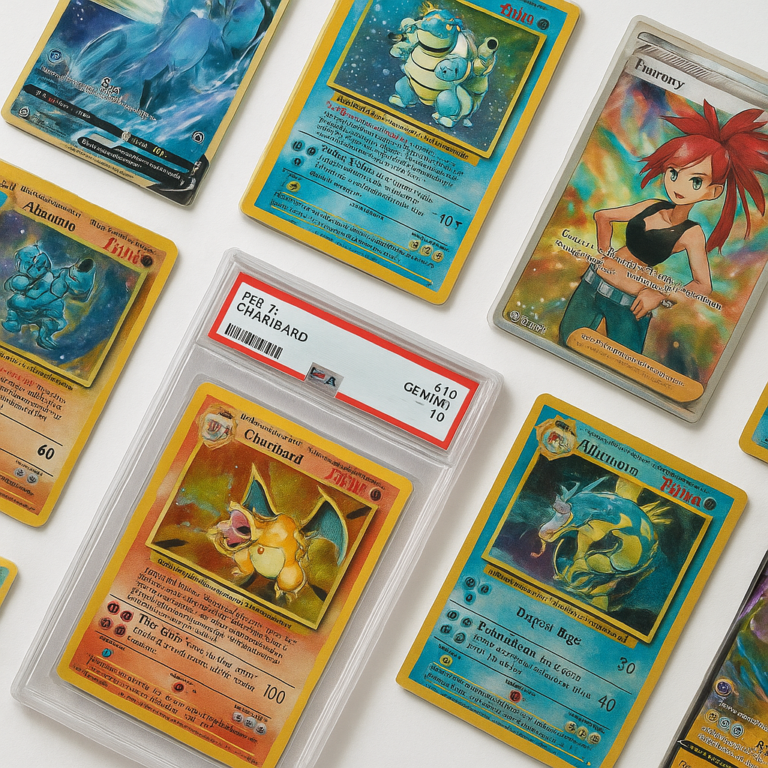
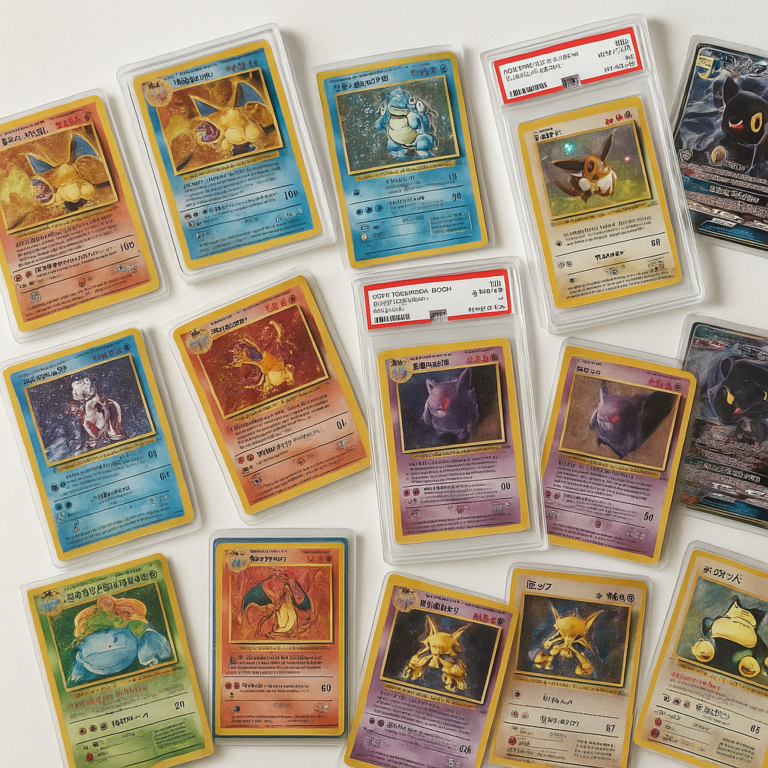
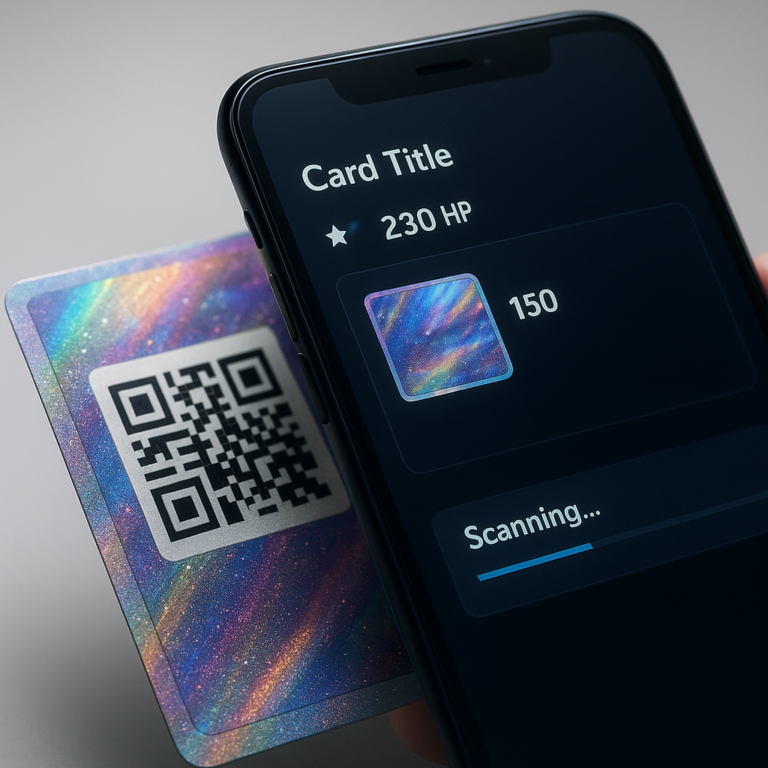
Shiny Pokemon Cards: The Complete Collector’s Guide to Rare Holographic Treasures
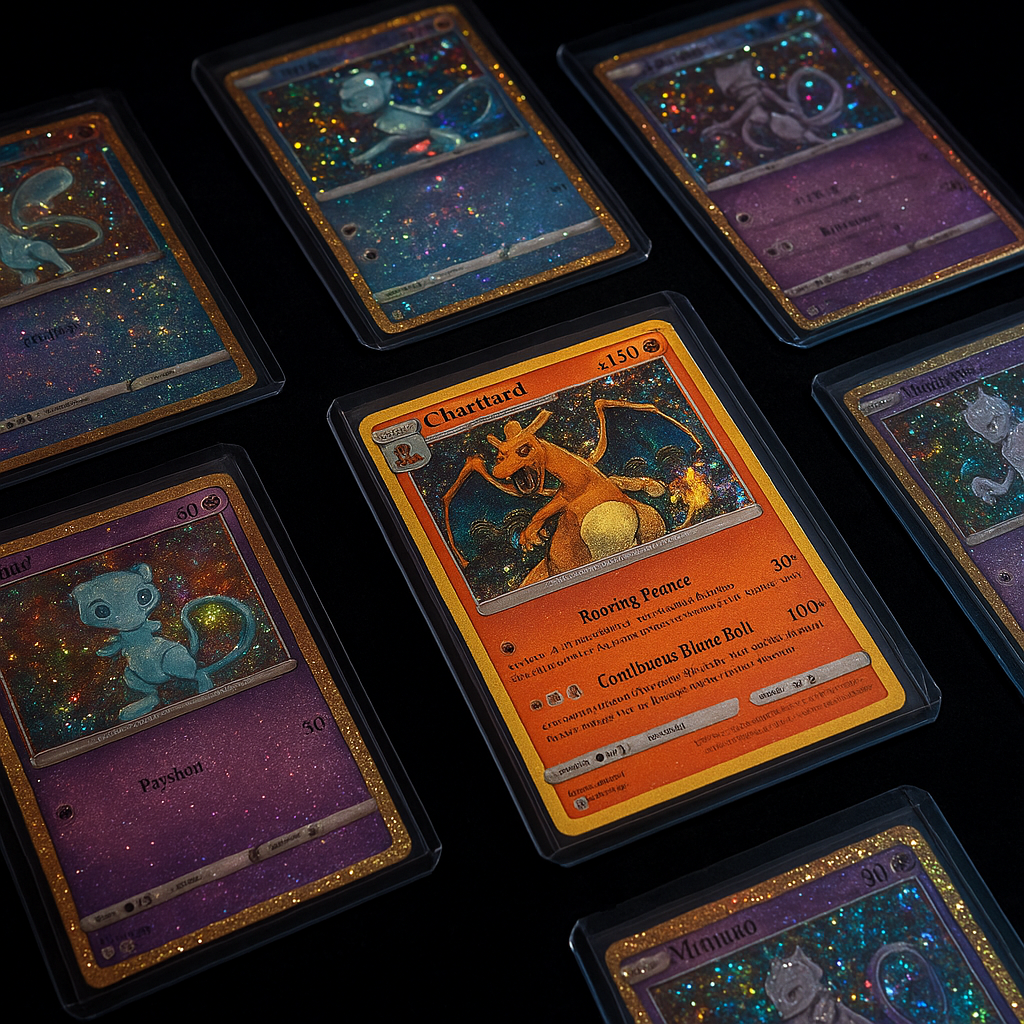
The gleaming surface of a shiny Pokemon card catches the light like a precious gemstone, instantly commanding attention from collectors across the globe. These rare holographic treasures represent the pinnacle of Pokemon trading card collecting, featuring beloved characters in their alternate color schemes with stunning foil treatments that make them shine with an otherworldly brilliance. From the coveted shiny mew card that can fetch thousands of dollars to the iconic shiny mewtwo card that graces countless wish lists, these pokemon cards with shiny pokemon have become the holy grail for serious collectors and investors alike.
The allure of shiny pokemon cards extends far beyond their visual appeal – they represent some of the rarest and most valuable cards in the entire Pokemon TCG universe. Whether you’re a seasoned collector looking to add museum-quality pieces to your collection or a newcomer eager to understand what makes these cards so special, this comprehensive guide will equip you with everything you need to know. You’ll discover how to identify authentic cards, uncover the most valuable specimens currently commanding top dollar, learn proven strategies for building a world-class collection, and understand the investment potential that has made these shimmering treasures a cornerstone of the modern collectibles market.
Understanding Shiny Pokemon Cards: Basics and Origins
The world of Pokemon card collecting reached new heights of excitement when shiny Pokemon cards first appeared in the trading card game. These extraordinary collectibles represent some of the most sought-after treasures in the TCG universe, combining stunning visual appeal with significant rarity that drives collectors to pursue them relentlessly.
What Makes a Pokemon Card ‘Shiny’
A shiny pokemon card features Pokemon depicted in their rare alternate color schemes, directly inspired by the shiny Pokemon phenomenon from the video games. Unlike regular Pokemon cards, these special variants showcase Pokemon in completely different color palettes—think golden Magikarp instead of orange, or silver Mewtwo instead of purple. The term “shiny” originates from the sparkling animation effect these rare Pokemon display when encountered in the video games, typically occurring at a rate of approximately 1 in 4,096 encounters in modern games.
In the TCG context, pokemon cards with shiny pokemon go beyond simple color changes. These cards often feature unique holofoil patterns, special textures, and distinctive borders that set them apart from standard releases. The Shiny Mew card from various sets exemplifies this perfectly, displaying Mew in its rare blue coloration rather than the typical pink, accompanied by premium foiling techniques that create an unmistakable premium feel.
Historical Evolution of Shiny Cards in TCG
The journey of shiny pokemon cards began in earnest with the Neo Revelation set in 2000, which introduced the first widely recognized shiny Pokemon card: Shining Gyarados. This groundbreaking card featured the iconic red Gyarados in a full-art format with spectacular gold foiling, establishing the template for future shiny releases.
The evolution continued through several key milestones:
- 2002: Neo Destiny brought us Shining Magikarp, completing the Gyarados evolution line
- 2004-2005: The e-Card series introduced more sophisticated holofoil techniques
- 2009: The HeartGold SoulSilver era revitalized shiny cards with improved printing technology
- 2016-present: Modern sets like Hidden Fates and Shining Legends have made shiny cards more accessible while maintaining their premium status
The Shiny Mewtwo card from XY Evolutions represents a pinnacle of this evolution, showcasing advanced printing techniques that create depth and movement in the foiling pattern. These technological advances have made modern shiny cards more visually striking than their predecessors while maintaining the core appeal that made the originals so desirable.
Difference Between Shiny Cards and Regular Holofoils
Understanding the distinction between shiny cards and regular holographic cards is crucial for collectors. Regular holofoil cards feature standard Pokemon artwork with a reflective foil pattern applied to specific areas, typically the Pokemon itself or the background. These cards maintain the Pokemon’s normal coloration and serve as the premium version of base cards.
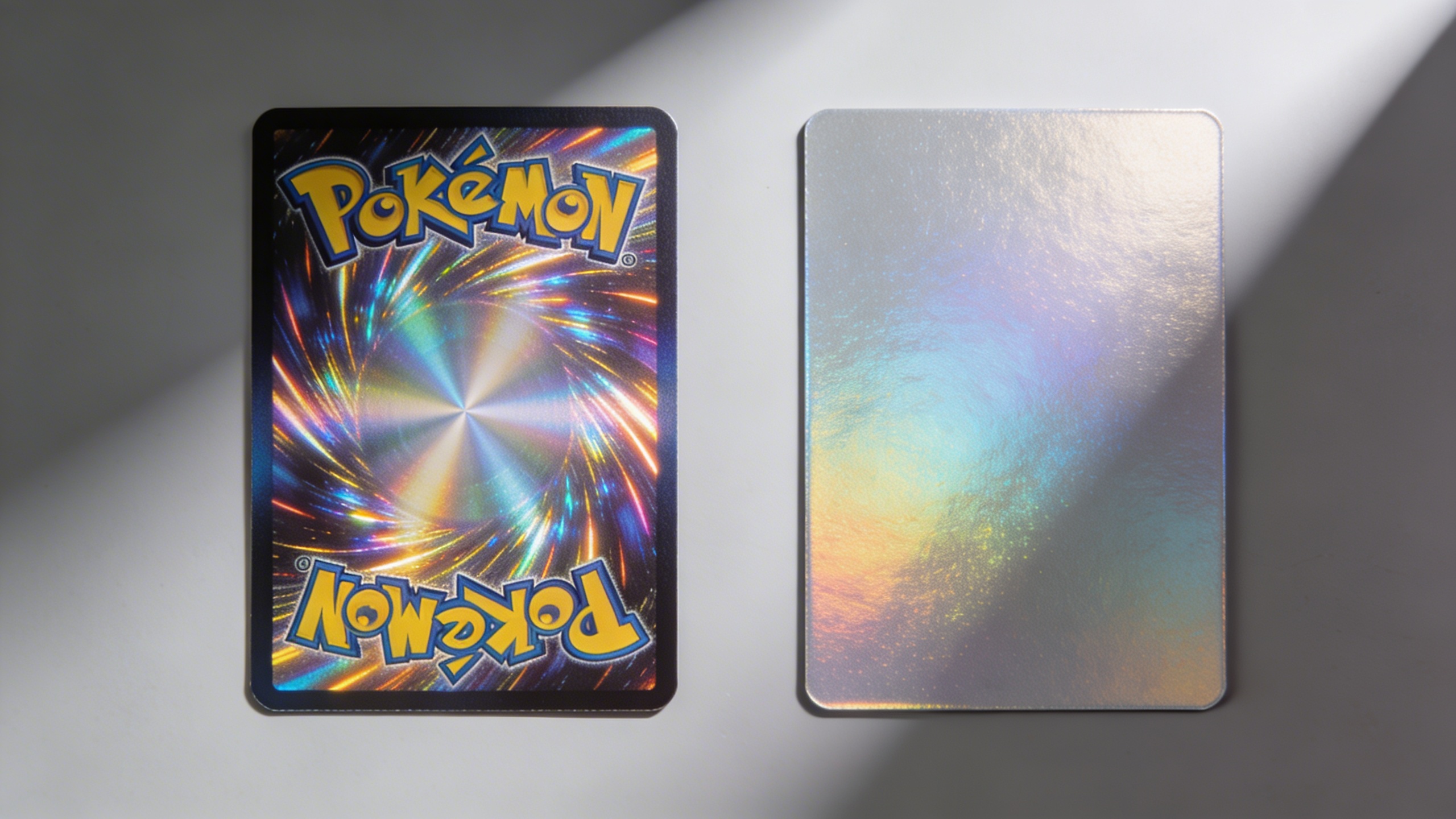
Shiny cards, conversely, represent an entirely different category of collectible. They feature Pokemon in their alternate color schemes and often employ unique foiling patterns not found on regular cards. The foil application tends to be more extensive and sophisticated, sometimes covering the entire card surface with intricate patterns that complement the shiny Pokemon’s special coloration.
For collectors looking to identify and value their shiny pokemon cards accurately, using a reliable card scanning tool becomes essential. TCG Radar offers the fastest and most accurate way to identify shiny variants and check their current market values, helping collectors distinguish between regular holofoils and genuine shiny cards.
The rarity factor also differs significantly. While regular holofoils might appear in 1-2 packs per booster box, shiny cards often have much lower pull rates, sometimes appearing in fewer than 1 in 100 packs depending on the set. This scarcity, combined with their unique visual appeal and connection to the beloved video game mechanic, makes shiny Pokemon cards among the most valuable and sought-after collectibles in the entire Pokemon TCG ecosystem.
Most Valuable Shiny Pokemon Cards in 2026
The market for shiny pokemon cards has reached unprecedented heights in 2026, with certain cards commanding five-figure prices at auction. Understanding which shiny pokemon card variants hold the most value helps collectors make informed investment decisions and prioritize their collection goals. Market data from recent sales shows consistent appreciation across premium shiny cards, particularly those featuring iconic Pokemon in pristine condition.
Top 10 Most Expensive Shiny Cards
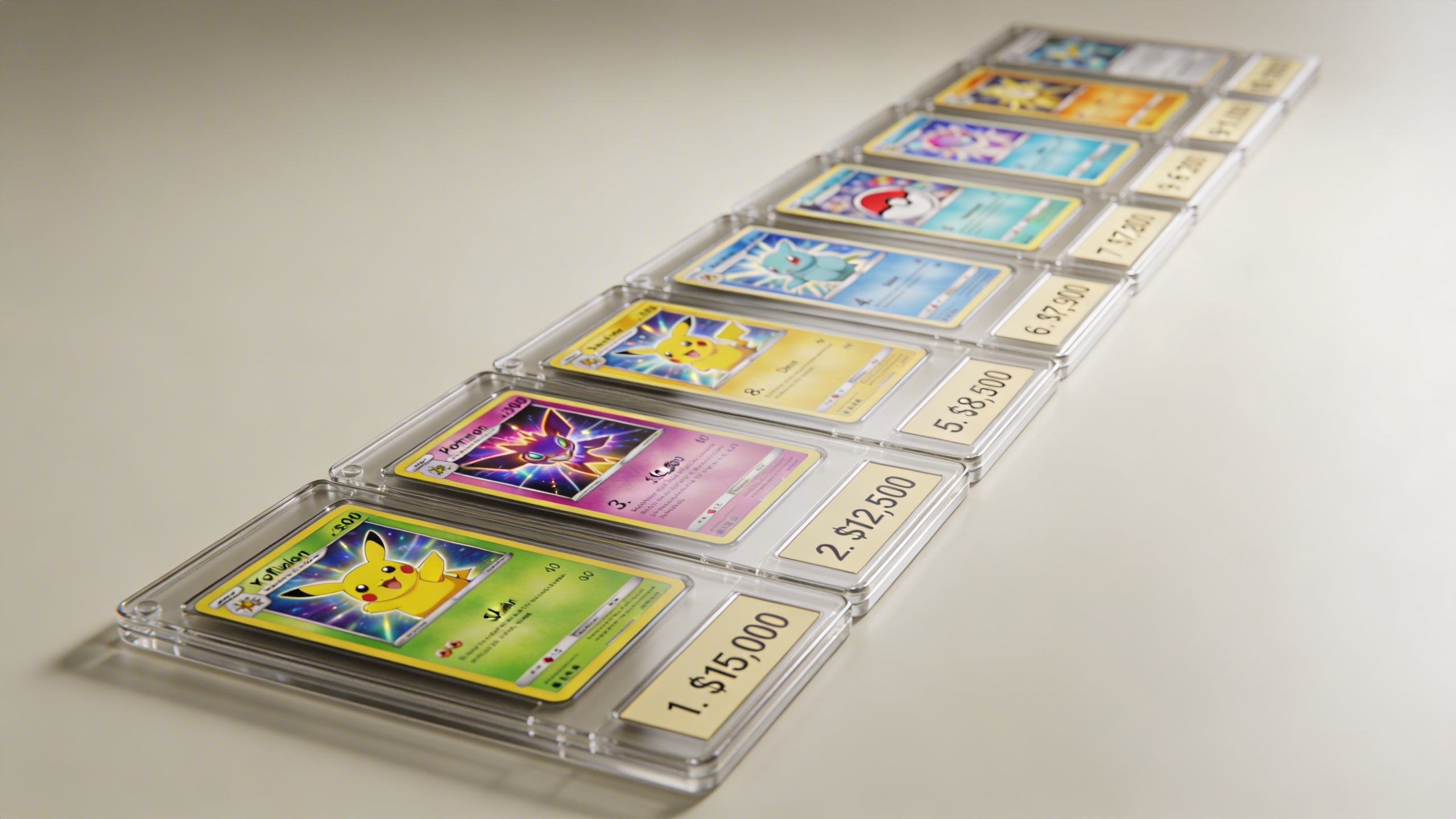
Current market analysis reveals the most valuable pokemon cards with shiny pokemon commanding premium prices due to their rarity and collector demand. Here are the top performers based on recent auction results:
| Card Name | Set | PSA 10 Value | Raw NM Value |
|---|---|---|---|
| Shining Charizard | Neo Revelation | $18,500-$22,000 | $8,500-$12,000 |
| Shining Gyarados | Neo Revelation | $12,000-$15,500 | $5,500-$7,800 |
| Shining Magikarp | Neo Revelation | $11,200-$14,000 | $4,800-$6,500 |
| Shiny Mew | Southern Islands | $9,800-$13,200 | $4,200-$5,900 |
| Crystal Charizard | Aquapolis | $9,500-$12,800 | $3,800-$5,200 |
The condition impact on these shiny pokemon cards cannot be overstated. A PSA 10 Shining Charizard consistently sells for 2-3 times the value of an ungraded near-mint copy, making professional grading essential for high-value cards. The authentication and condition verification provided by services like PSA and BGS has become crucial for serious collectors.
For collectors looking to track current market values and verify card authenticity, TCG Radar provides instant price checking and card identification through its advanced scanning technology, helping ensure you’re making informed purchasing decisions.
Shiny Charizard Variants and Values
Charizard remains the undisputed king of shiny pokemon cards, with multiple variants showing strong appreciation over the past five years. The original Shining Charizard from Neo Revelation leads the market, but several other variants deserve attention:
- Shining Charizard (Neo Revelation #107) – The holy grail, with PSA 10 examples reaching $22,000 in recent auctions
- Crystal Charizard (Aquapolis #146/147) – Featuring unique crystal-like artwork, valued at $9,500-$12,800 in PSA 10
- Shiny Charizard GX (Hidden Fates SV49) – Modern alternative at $180-$250 in PSA 10
- Charizard VMAX Shiny (Champion’s Path) – Entry-level option at $45-$75 in PSA 10
The price trajectory for these cards shows consistent upward momentum, with the original Shining Charizard appreciating approximately 340% over the past three years. This growth reflects both the card’s iconic status and its extreme scarcity in high grades.
Legendary and Mythical Shiny Cards Worth Collecting
Beyond Charizard, legendary and mythical Pokemon offer exceptional investment potential in shiny form. The shiny mew card from the Southern Islands collection represents one of the most sought-after pieces, with its ethereal blue coloring and limited distribution making it a centerpiece for serious collectors.
The shiny mewtwo card variants also command significant premiums, particularly the Neo Destiny Shining Mewtwo, which regularly sells for $8,500-$11,200 in PSA 10 condition. Its psychic-type rarity and connection to the original Pokemon movie storyline contribute to sustained collector interest.
Other notable legendary shiny cards include:
- Shining Gyarados (Neo Revelation) – $12,000-$15,500 PSA 10
- Crystal Lugia (Aquapolis) – $6,800-$9,200 PSA 10
- Crystal Celebi (Aquapolis) – $4,500-$6,100 PSA 10
- Shiny Rayquaza (various sets) – $2,800-$4,200 PSA 10
Market trends indicate that shiny pokemon cards featuring legendary Pokemon consistently outperform regular Pokemon variants in terms of long-term value retention. The combination of gameplay significance, aesthetic appeal, and inherent rarity creates a perfect storm for sustained collector demand and price appreciation.
Identifying Authentic Shiny Pokemon Cards
With the rising value of shiny Pokemon cards, counterfeiters have become increasingly sophisticated in their reproduction attempts. Protecting your investment requires understanding proper authentication methods and recognizing the telltale signs of fake cards. Whether you’re purchasing a shiny Mew card for $800 or a shiny Mewtwo card approaching four figures, authentication expertise is essential.
Authentication Methods and Red Flags
Authentic shiny Pokemon cards exhibit specific characteristics that counterfeiters struggle to replicate perfectly. Start by examining the card’s texture and feel. Genuine Pokemon cards have a distinctive smooth finish with subtle texture variations, while fakes often feel either too glossy or rough to the touch. The holographic foil pattern should display crisp, consistent rainbow effects that shift smoothly as you tilt the card.
Check the card’s edges and corners carefully. Authentic cards maintain sharp, clean cuts with consistent white borders. Counterfeit shiny pokemon cards frequently show uneven borders, rough cutting marks, or slightly off-center printing. The card thickness should match standard Pokemon card specifications—typically 0.012 inches thick.
Font quality provides another crucial authentication point. Examine the text closely for proper spacing, consistent letter thickness, and accurate color reproduction. Fake cards often display slightly blurred text, incorrect fonts, or color variations that don’t match official specifications. For valuable cards like shiny Charizard variants, even minor font discrepancies can indicate counterfeiting.
When evaluating pokemon cards with shiny pokemon, use proper lighting to examine the holographic elements. Authentic cards display consistent foil patterns that align perfectly with the card’s design. Counterfeit versions may show misaligned foil, inconsistent shine patterns, or holographic effects that appear dull or overly bright.
Professional Grading for Shiny Cards
Professional grading services like PSA and BGS provide the most reliable authentication for high-value shiny Pokemon cards. These services employ expert authenticators who examine cards using specialized equipment and decades of experience. A PSA 10 or BGS 9.5+ grade not only confirms authenticity but significantly increases market value.
Grading costs typically range from $20-100 depending on declared value and turnaround time. For shiny pokemon cards valued above $200, professional grading becomes cost-effective investment protection. The authentication process includes UV light examination, microscopic analysis, and comparison against extensive databases of known authentic cards.
Consider grading particularly important for vintage shiny cards from Base Set, Neo series, or early e-Card sets, where counterfeiting techniques have become more refined over time. Modern tools like TCG Radar can help you quickly verify current market values before deciding whether grading makes financial sense for specific cards.
Common Counterfeits and How to Spot Them
Several counterfeit patterns appear frequently in the shiny Pokemon card market. Many fake shiny Mew cards display overly saturated colors or incorrect holographic patterns that don’t match authentic Neo Revelation specifications. Similarly, counterfeit shiny Mewtwo cards often show poor foil alignment or incorrect energy symbol placement.
Chinese counterfeiters commonly produce cards with slightly incorrect card dimensions—authentic Pokemon cards measure exactly 2.5 x 3.5 inches. Measure suspicious cards carefully, as even 1-2mm variations indicate counterfeiting. Additionally, examine the copyright information and set symbols closely. Counterfeiters frequently use incorrect fonts, missing accent marks, or slightly altered Pokemon Company logos.
The “rip test” remains controversial but effective for worthless cards. Authentic Pokemon cards tear in specific patterns due to their blue core layer, while fakes typically tear differently or lack the characteristic blue center. However, never perform this test on valuable cards—rely on visual inspection and professional authentication instead.
Where to Find and Buy Shiny Pokemon Cards
Finding authentic shiny pokemon cards requires knowing where to look and how to evaluate sellers. The marketplace for these premium collectibles spans from major online platforms to intimate local game stores, each offering unique advantages for collectors seeking specific cards.
Best Online Marketplaces and Retailers
eBay remains the largest marketplace for pokemon cards with shiny pokemon, hosting thousands of listings daily. Look for sellers with 99%+ feedback ratings and detailed photos showing card condition. TCG Player offers competitive pricing with seller verification, while COMC provides authentication services for high-value purchases. For sealed products, retailers like Safari Zone and Steel City Collectibles maintain consistent inventory of booster boxes containing potential shiny pulls.
Price comparison becomes crucial when hunting for specific cards like a shiny mew card or shiny mewtwo card. Use sold listings on eBay to establish market values, then cross-reference with TCG Player’s pricing data. Many collectors save 10-15% by purchasing from multiple sellers rather than paying premium prices from single sources.
Local Card Shops and Trading Events
Local game stores offer hands-on inspection opportunities unavailable online. Many shops maintain display cases featuring graded shiny pokemon cards, allowing you to examine holographic patterns and print quality before purchasing. Weekly Pokemon League events and monthly tournaments create trading environments where collectors often bring rare cards for sale or trade.
Regional conventions like Gen Con and local comic conventions frequently host card vendors specializing in vintage and modern shiny pokemon cards. These events provide negotiation opportunities, especially when purchasing multiple cards from the same dealer. Cash transactions often yield 5-10% discounts compared to credit card payments.
Auction Houses and Private Sales
Heritage Auctions and Goldin Auctions handle high-end Pokemon sales, including PSA 10 graded shiny cards that command four-figure prices. These platforms provide detailed condition reports and authenticity guarantees, making them ideal for investment-grade purchases. Auction formats can result in below-market prices during off-peak periods, particularly for cards without celebrity ownership history.
Private sales through collector forums like E4 and PokeBeach connect serious collectors directly. These transactions require careful verification of card authenticity and seller reputation. Request additional photos, check references, and use secure payment methods with buyer protection. For valuable cards, consider using escrow services to protect both parties during high-value transactions.
When evaluating any potential purchase, factor in shipping costs, insurance, and potential customs fees for international orders. Document all communications and maintain records of purchase prices for insurance and tax purposes. For collectors building comprehensive collections, TCG Radar provides instant price checking and collection tracking capabilities, helping you spot good deals and avoid overpaying for cards already in your collection.
Risk assessment should include seller verification, payment method security, and return policies. Avoid deals that seem too good to be true, especially for high-value shiny pokemon cards, as counterfeit cards frequently target popular characters and valuable rarities.
Building Your Shiny Pokemon Card Collection Strategy
Developing a successful shiny pokemon card collection requires careful planning, proper preservation techniques, and strategic financial management. Whether you’re targeting specific high-value cards like the Shiny Mew Gold from Celebrations or building a comprehensive set of pokemon cards with shiny pokemon, a structured approach will maximize both your enjoyment and investment potential.
Setting Collection Goals and Budgets
Before purchasing your first shiny pokemon cards, establish clear objectives for your collection. Some collectors focus on specific generations, such as all shiny pokemon cards from the Neo sets, while others target particular Pokemon like shiny mewtwo card variants or complete shiny mew card collections across different sets.
Create a realistic budget that accounts for both immediate purchases and long-term goals. High-grade shiny pokemon cards from vintage sets can range from $50 for common shinies to over $10,000 for pristine examples of cards like the Shining Gyarados from Neo Revelation. Allocate 60-70% of your budget to cards you genuinely want to keep, and reserve 30-40% for trading opportunities or unexpected finds.
Consider adopting a tier-based approach: prioritize must-have cards in your primary budget, identify secondary targets for when funds allow, and maintain a wishlist of dream cards for future acquisition. This strategy prevents impulsive purchases while ensuring steady progress toward your collection goals.
For accurate pricing and collection tracking, TCG Radar provides real-time market values and helps you scan cards to verify authenticity and condition, making it easier to stay within budget while identifying good deals.
Storage and Preservation Best Practices
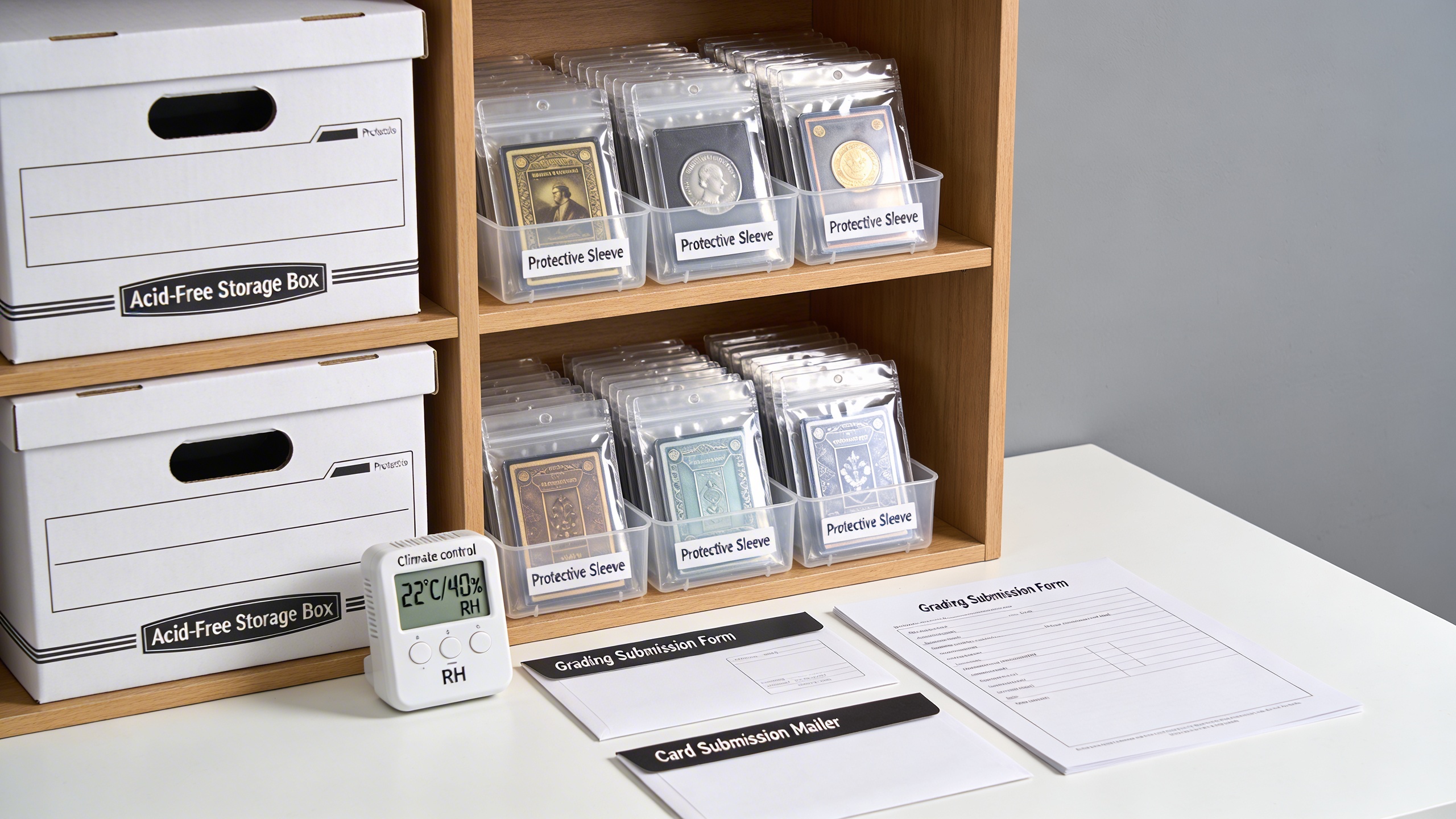
Proper storage is crucial for maintaining the value and condition of shiny pokemon cards. Start with penny sleeves made from archival-quality materials, followed by semi-rigid card savers or magnetic holders for cards worth over $20. For extremely valuable cards like PSA 10 shiny mewtwo card specimens, consider professional grading and storage in protective cases.
Environmental control plays a vital role in preservation. Store your collection in a climate-controlled environment with temperatures between 65-70°F and humidity levels of 45-55%. Avoid basements, attics, or areas prone to temperature fluctuations. UV light can fade holographic foil over time, so keep cards away from direct sunlight and consider UV-filtering storage boxes.
Organize your collection using archival binders with side-loading pages or storage boxes specifically designed for trading cards. Label each section clearly and avoid overstuffing pages, which can cause bending or scratching. For pokemon cards with shiny pokemon that you handle frequently, use perfect-fit sleeves underneath standard sleeves for double protection.
Insurance and Documentation for High-Value Cards
Once your shiny pokemon cards collection exceeds $2,000 in value, consider specialized collectibles insurance. Standard homeowner’s or renter’s insurance typically provides minimal coverage for trading cards, often capping claims at $1,000-2,000 total. Collectibles insurance policies offer agreed-value coverage, meaning you and the insurer establish the card’s value upfront.
Maintain detailed documentation of every card in your collection. Record purchase dates, prices paid, condition notes, and current market values. Take high-resolution photographs of each card from multiple angles, capturing any unique characteristics or flaws. For graded cards, document the certification number and grading company.
Create both digital and physical backups of your inventory. Spreadsheet programs work well for basic tracking, while specialized collection management software can provide more advanced features like market value tracking and insurance reporting. Update your records quarterly or after significant purchases to ensure accuracy.
Store copies of receipts, certificates of authenticity, and grading reports in a fireproof safe or safety deposit box. For extremely valuable shiny mew card or shiny mewtwo card specimens worth over $5,000, consider professional appraisals every 2-3 years to maintain accurate insurance coverage as market values fluctuate.
By implementing these strategic approaches to collection building, storage, and documentation, you’ll protect your investment while building a shiny pokemon cards collection that brings lasting enjoyment and potential financial returns.
Investment Potential of Shiny Pokemon Cards
The collectible card market has witnessed remarkable growth over the past decade, with shiny Pokemon cards emerging as particularly compelling investment vehicles. These premium holographic treasures have demonstrated consistent appreciation rates that often outpace traditional investment options, making them attractive alternatives for portfolio diversification.
Market Trends and Future Projections
Historical data reveals that high-grade shiny Pokemon cards have appreciated an average of 15-25% annually since 2020. Base Set Shadowless Charizard examples in PSA 10 condition have increased from $6,000 in 2019 to over $25,000 in 2024. Similarly, the shiny Mew card from Southern Islands has seen values climb from $800 to $3,200 for pristine specimens during the same period.
Market analysts project continued growth driven by several factors: expanding global collector base, limited print runs of vintage sets, and increasing mainstream acceptance of trading cards as legitimate collectibles. The shiny Mewtwo card from various premium sets consistently commands four-figure prices, with Neo Revelation examples reaching $8,000+ in top condition.
Demographic shifts also support long-term bullishness. Millennials who grew up with Pokemon are now entering peak earning years, creating sustained demand for nostalgic pokemon cards with shiny pokemon variants. This generational wealth transfer is expected to maintain upward pressure on prices through 2030.
Factors Affecting Long-term Value
Several key variables determine the investment potential of any shiny pokemon card. Condition remains paramount—PSA 10 examples typically command 3-5x premiums over PSA 9 counterparts. Population reports significantly impact values, with cards having fewer than 100 PSA 10 examples often experiencing exponential price growth.
Cultural relevance plays a crucial role in determining which shiny Pokemon cards maintain investment appeal. Iconic characters like Charizard, Pikachu, and legendary Pokemon consistently outperform lesser-known species. First edition stamps, error variants, and promotional releases add additional premium layers that serious investors should prioritize.
Market liquidity varies considerably across different cards. Popular shiny pokemon cards from Base Set, Jungle, and Fossil maintain active trading markets, while obscure Japanese promotional releases may prove difficult to liquidate quickly. When evaluating potential acquisitions, consider both the card’s desirability and your ability to exit positions efficiently.
For accurate valuation and market tracking, collectors increasingly rely on TCG Radar to scan and identify cards while monitoring real-time pricing data across multiple marketplaces.
Portfolio Diversification with TCG Investments
Financial advisors recommend limiting collectible investments to 5-10% of total portfolio allocation. Within this allocation, diversifying across different eras, languages, and Pokemon species helps mitigate risk. A balanced approach might include 40% vintage English cards, 30% Japanese exclusives, 20% modern premium releases, and 10% speculative positions on emerging sets.
Risk tolerance should guide specific allocations. Conservative investors might focus on established blue-chip cards like Neo Genesis Lugia or Base Set holofoils, while aggressive collectors could pursue high-upside plays in recent shiny pokemon cards from special collections.
Storage and insurance considerations add operational complexity but protect long-term value. Professional grading, climate-controlled storage, and adequate insurance coverage are essential for serious investment positions. These costs should factor into overall return calculations when evaluating the true profitability of TCG investments.
Trading and Selling Shiny Pokemon Cards
Successfully trading and selling your shiny pokemon cards requires strategic planning, market awareness, and careful attention to legal requirements. Whether you’re looking to upgrade your collection through trades or maximize profits from sales, understanding the marketplace dynamics will help you achieve better outcomes.
Best Practices for Trading
Establishing trust and following proper etiquette forms the foundation of successful pokemon card trading. Always verify card authenticity before any trade, especially when dealing with high-value cards like a shiny Mew card or shiny Mewtwo card. Use protective sleeves and toploaders when shipping cards, and consider tracked shipping for trades valued over $20.
Document every trade with photos and written agreements. Popular trading platforms like Reddit’s r/PokemonTCGTrades require timestamp photos and reputation building through smaller trades first. When trading pokemon cards with shiny pokemon variants, research current market values using recent sold listings rather than asking prices, as these provide more accurate valuations.
For high-value trades exceeding $100, consider using a middleman service or trading at local card shops where both parties can inspect cards in person. This approach significantly reduces fraud risk and ensures both traders receive exactly what they expect.
Maximizing Sale Value
Timing your sales strategically can increase profits by 20-40% compared to rushed transactions. Monitor market trends and sell during peak demand periods, such as new set releases when collectors seek specific shiny pokemon cards to complete their collections. Holiday seasons typically see increased buying activity, making October through December optimal selling windows.
Professional grading through PSA or BGS can substantially increase sale values for pristine cards. A raw shiny Charizard might sell for $150, while the same card graded PSA 10 could command $400-500. However, factor in grading costs ($20-50 per card) and turnaround times when deciding whether to grade.
For quick and accurate price checking before listing your cards, TCG Radar provides instant market valuations by simply scanning your cards with your phone camera. This tool helps ensure you’re pricing competitively while maximizing your returns.
Choose selling platforms based on your card values and timeline. eBay offers the largest buyer pool but charges 10-13% in fees. Local Facebook groups and card shops typically have lower fees but smaller audiences. For cards worth over $500, consider consignment through established dealers who can access high-end collector networks.
Tax Implications and Record Keeping
Treating your shiny pokemon card transactions as a business requires careful documentation for tax purposes. The IRS considers regular buying and selling of collectibles as taxable income, not capital gains. Keep detailed records including purchase dates, costs, sale prices, and all related expenses like grading fees and shipping costs.
Maintain spreadsheets tracking each card’s acquisition cost, condition improvements, and final sale price. Save all receipts, PayPal transactions, and correspondence related to purchases and sales. For cards held over one year, you may qualify for capital gains treatment, which often results in lower tax rates than ordinary income.
Consider consulting a tax professional if your annual pokemon card sales exceed $10,000, as you may need to file additional forms and potentially pay quarterly estimated taxes. Proper record keeping protects you during audits and ensures you’re claiming all legitimate business deductions.
Frequently Asked Questions
What is the most expensive shiny Pokemon card ever sold?
The most expensive shiny Pokemon card ever sold is the 1998 Pikachu Illustrator Promo, which reached $5.275 million at auction in 2022. Other record-breaking sales include the Base Set Shadowless Charizard in PSA 10 condition selling for over $350,000, and various shiny Charizard variants from different sets commanding six-figure prices at major auction houses.
How can I tell if my shiny Pokemon card is real?
Authentic shiny Pokemon cards have distinct holographic patterns that shift smoothly under light, high-quality printing with sharp text and images, and proper card stock texture. Check for consistent foil application, correct font styles, and compare with verified examples online. For valuable cards, consider professional authentication services like PSA or BGS for definitive verification.
Are shiny Pokemon cards a good investment in 2026?
Shiny Pokemon cards continue to show strong investment potential in 2026, with vintage cards appreciating 15-20% annually over the past five years. Market factors like increased collector interest, limited supply of high-grade vintage cards, and Pokemon's enduring popularity support continued growth. However, focus on graded cards in excellent condition and iconic Pokemon for the best long-term returns.
Where is the best place to buy authentic shiny Pokemon cards?
Reputable sources include established online platforms like eBay (with seller verification), PWCC Marketplace, and Heritage Auctions for high-end cards. Local card shops offer hands-on inspection but may have limited inventory, while major auction houses provide authentication guarantees for expensive purchases. Always verify seller ratings, return policies, and card authenticity before buying.
How should I store my shiny Pokemon cards to maintain their value?
Store shiny Pokemon cards in penny sleeves followed by rigid toploaders or magnetic holders to prevent damage and scratching. Maintain stable temperature (65-70°F) and humidity (45-55%) in a dark environment away from direct sunlight. For high-value cards, consider professional grading services like PSA or BGS, which provide protective cases and increase resale value.