Blastoise Pokemon Card: Complete Price and Value Guide for Collectors
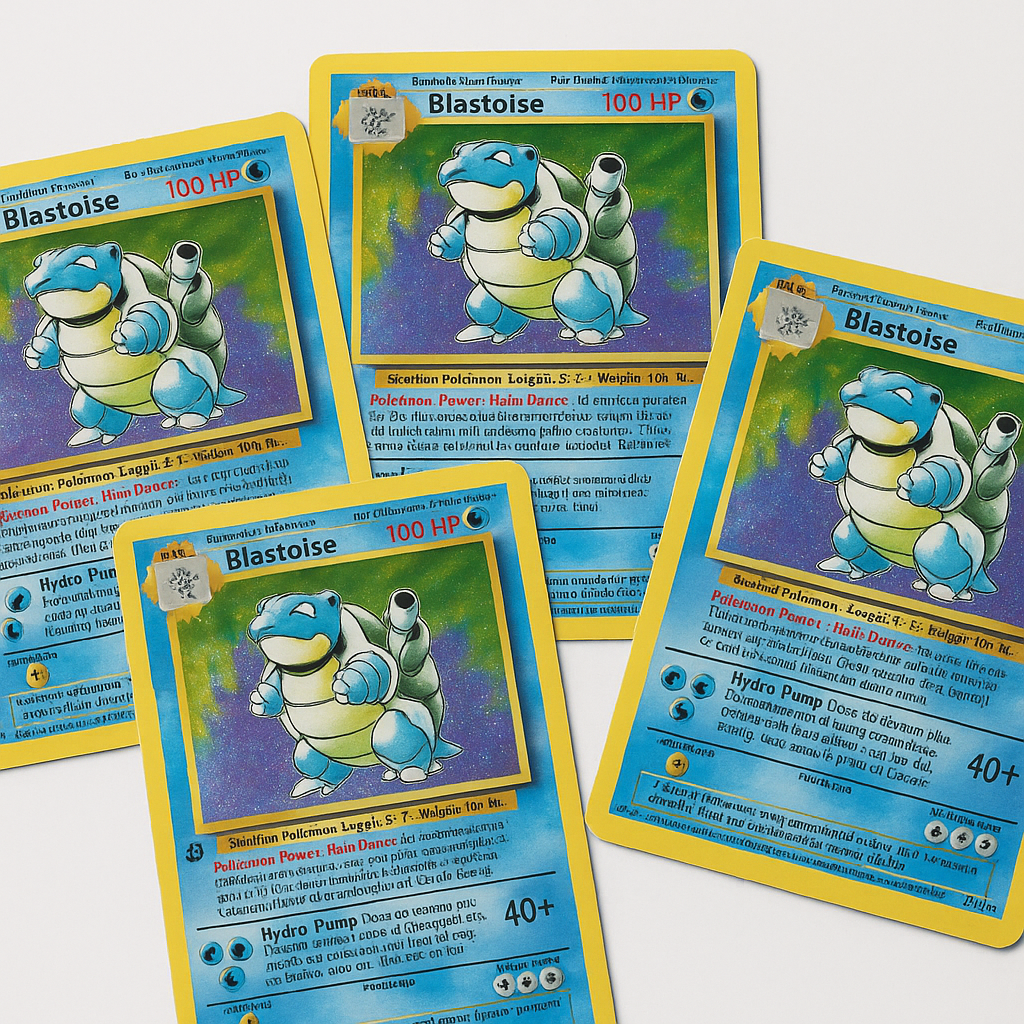
The Blastoise Pokemon card stands as one of the most coveted and recognizable cards in the entire Pokemon Trading Card Game universe. Since its debut in the Base Set of 1998, this Water-type powerhouse has captured the hearts of collectors worldwide, with pristine examples commanding thousands of dollars at auction. From the classic Base Set unlimited edition trading around $50-100 in near mint condition to the legendary First Edition shadowless variant reaching $10,000+ for PSA 10 graded copies, Blastoise card value spans an incredible range that reflects both nostalgia and genuine scarcity.
Understanding blastoise pokemon card price fluctuations requires knowledge of the numerous variants released over the decades, including promotional releases, Japanese exclusives, and special tournament prizes. Whether you’re evaluating a childhood collection or considering a significant investment, determining accurate blastoise card worth depends on factors like edition, condition, grading, and market timing. This comprehensive guide will equip you with the expertise to navigate the complex Blastoise market, covering everything from identifying authentic cards and understanding grading standards to tracking current blastoise pokemon card value trends and making strategic buying or selling decisions.
Understanding Blastoise Card Variants and Rarity
The blastoise pokemon card has appeared in numerous forms since its debut in 1998, with each variant carrying distinct value propositions for collectors. Understanding these differences is crucial for accurately assessing blastoise card value and making informed purchasing decisions. From the iconic Base Set releases to modern promotional cards, each variant tells a unique story in Pokemon TCG history.
Base Set Blastoise Editions
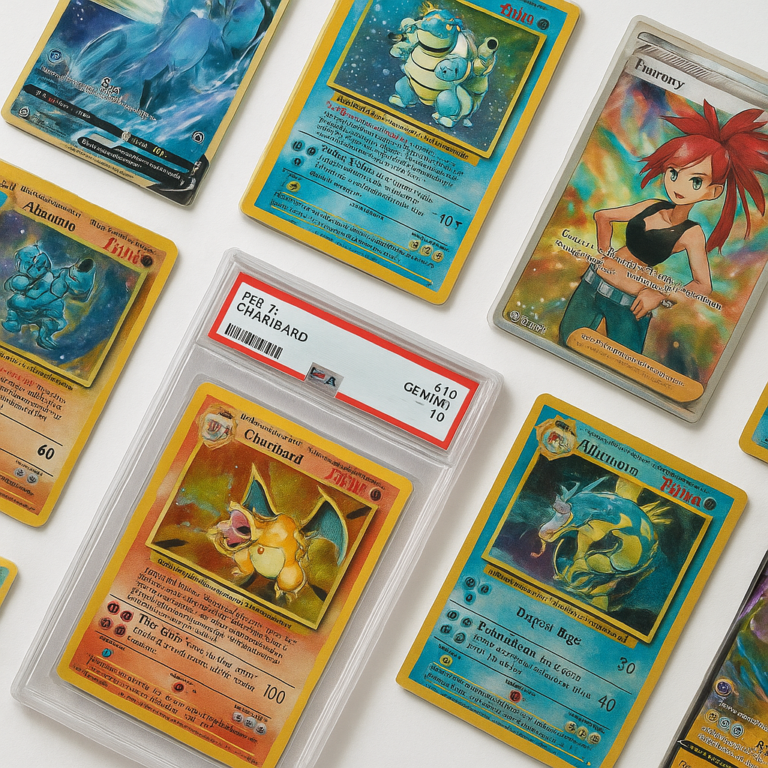
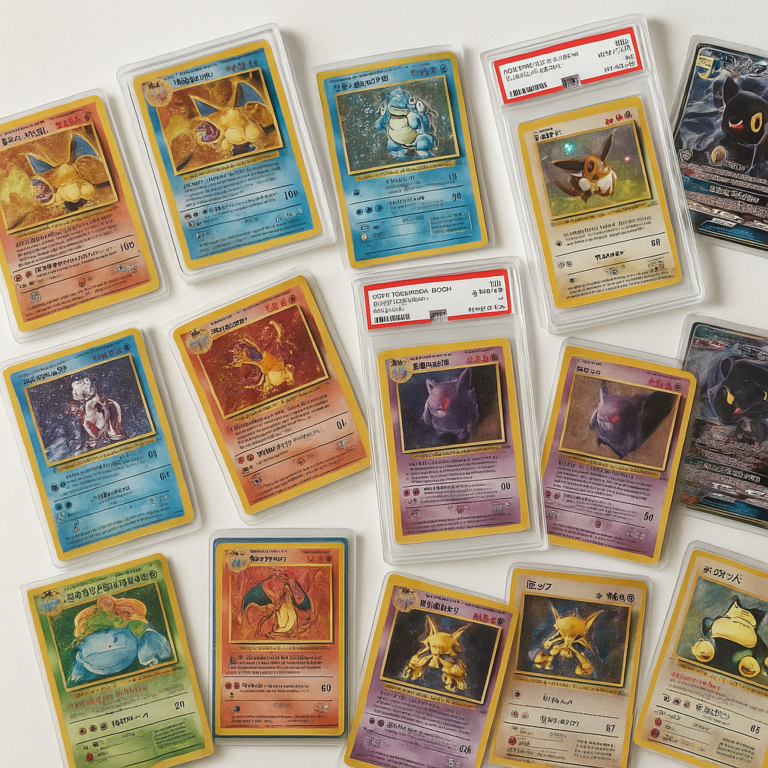
The original Base Set Blastoise remains the most sought-after variant, with three distinct print runs that significantly impact blastoise pokemon card price. The 1st Edition Base Set Blastoise (4/102) commands the highest premiums, with PSA 10 examples selling for $15,000-$25,000 at auction. This variant features the coveted “1st Edition” stamp and represents the first appearance of Blastoise in the English Pokemon TCG.
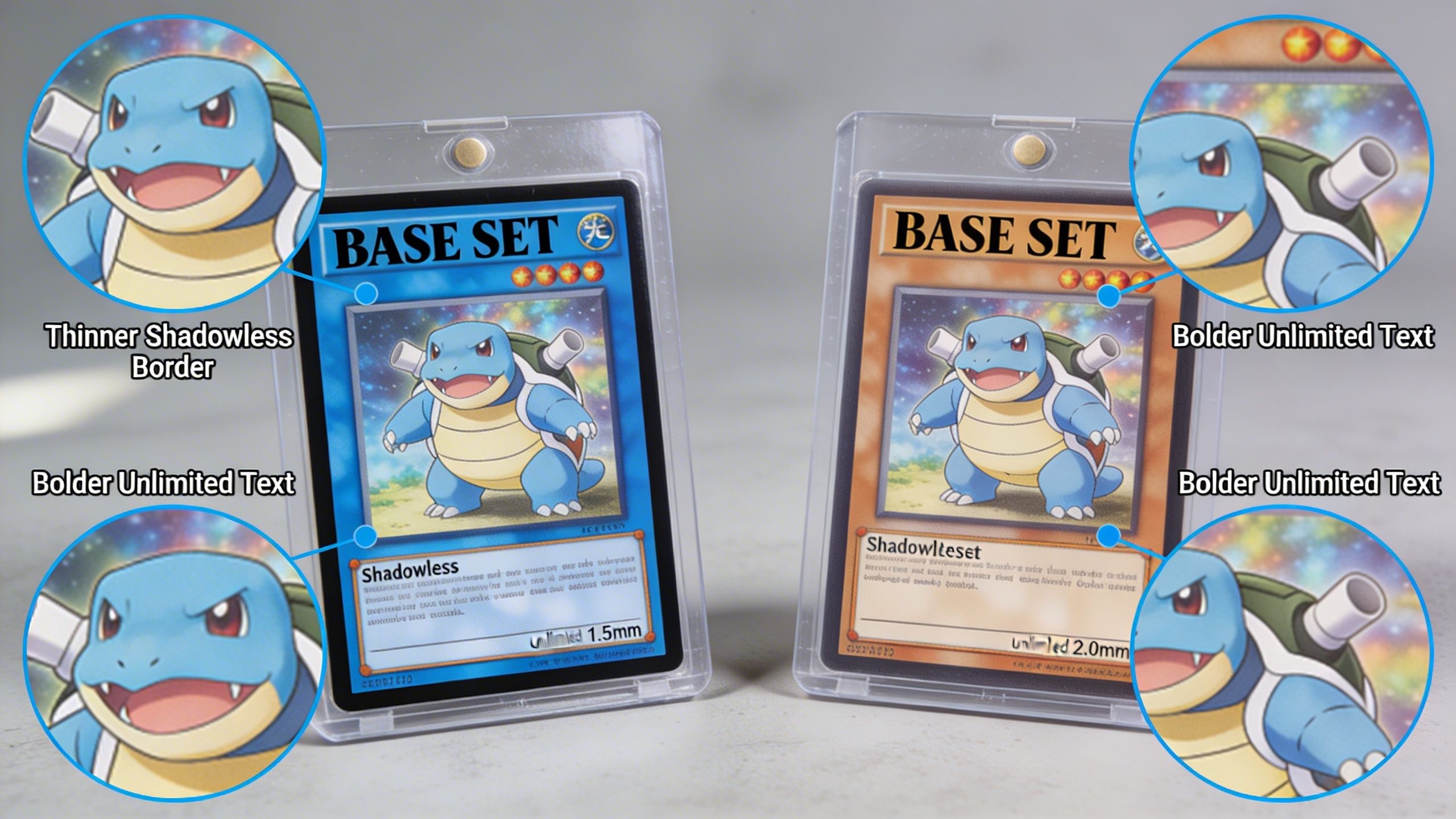
Shadowless Base Set Blastoise cards, printed immediately after the 1st Edition run, typically trade for $3,000-$8,000 in mint condition. These cards lack the drop shadow around the artwork frame, creating a cleaner visual appearance that many collectors prefer. The shadowless variant bridged the gap between 1st Edition and Unlimited prints, making it a middle-ground option for serious collectors.
Unlimited Base Set Blastoise cards, while still valuable, represent the most accessible entry point into vintage Blastoise collecting. PSA 10 examples generally sell for $1,500-$3,000, making them attractive for collectors seeking authentic Base Set cards without the premium of earlier prints. The unlimited print run continued for several years, resulting in higher population numbers and more moderate pricing.
Promotional and Special Releases
Several promotional Blastoise cards have emerged over the decades, each with unique scarcity factors affecting blastoise card worth. The Wizards Black Star Promo Blastoise from 1999 remains highly coveted, particularly the error version with “Pokémon” misspelled as “Pokémon” on the card back. These error cards can command $2,000-$5,000 in top condition.
Japanese promotional releases often carry significant premiums due to limited distribution. The 1996 Japanese Base Set Blastoise, predating the English release by two years, regularly sells for $8,000-$15,000 in PSA 10 condition. Trophy cards featuring Blastoise from tournament events represent the ultimate rarity tier, with some examples selling for six-figure sums at major auctions.
Crystal Kingdra from the e-Card series and various anniversary sets have featured Blastoise in special artwork treatments. These cards typically range from $500-$2,000 depending on condition and specific release, offering collectors alternatives to the traditional Base Set variants while maintaining substantial investment potential.
Modern Reprints and Their Values
Contemporary Pokemon sets have featured numerous Blastoise reprints, though these modern cards generally trade for significantly less than vintage originals. The XY Evolutions Blastoise deliberately mimicked the original Base Set artwork, creating renewed interest among nostalgic collectors. While these cards rarely exceed $100 even in perfect condition, they serve important roles in completing modern set collections.
Classic Collection reprints and anniversary sets have reintroduced vintage Blastoise artwork to new audiences. These reprints typically feature updated card stock, holographic patterns, and legal text that distinguish them from originals. Collectors should understand that modern reprints do not negatively impact original blastoise pokemon card value, as vintage cards maintain their historical significance and scarcity premiums.
When evaluating any Blastoise variant, accurate identification becomes essential for determining fair market value. Tools like TCG Radar can help collectors quickly identify specific variants and access current market pricing data, ensuring informed decisions whether buying or selling these iconic cards.
The diverse landscape of Blastoise variants offers collecting opportunities across all budget ranges, from modern reprints under $50 to museum-quality 1st Edition cards worth tens of thousands. Understanding these distinctions empowers collectors to build meaningful collections aligned with their goals and budgets.
Current Market Values and Price Ranges
The blastoise pokemon card market has shown remarkable stability and growth over the past few years, with values varying dramatically based on condition, grading status, and regional demand. Understanding these price ranges helps collectors make informed decisions whether buying, selling, or evaluating their existing collections.
Base Set Blastoise Pricing by Condition
The iconic Base Set Blastoise (#2/102) from 1998 remains the most sought-after version, with prices fluctuating significantly based on condition. Raw, ungraded cards show substantial price variations that reflect the critical importance of preservation quality in determining blastoise card value.
| Condition Grade | Price Range (USD) | Market Notes |
|---|---|---|
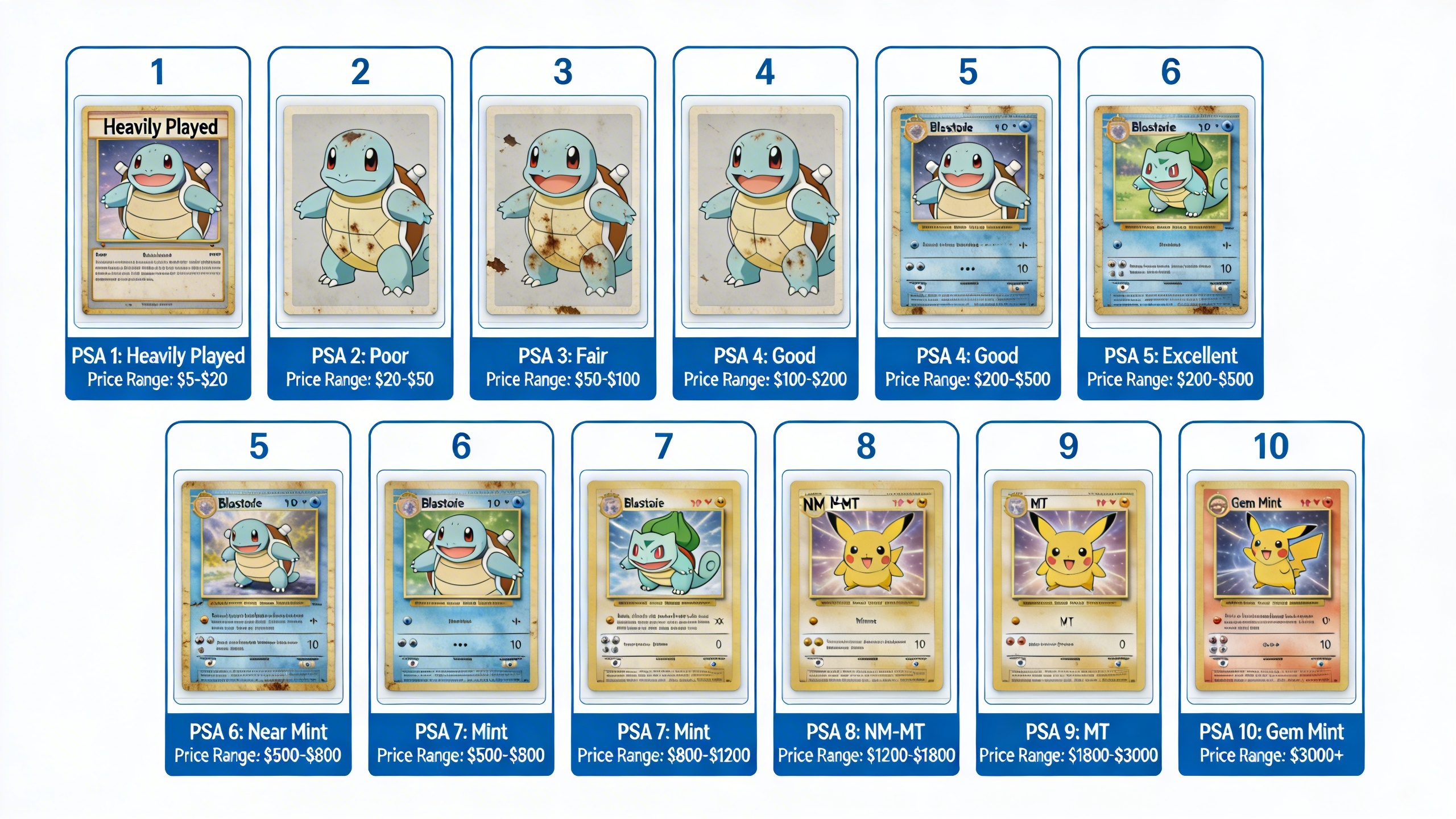
| PSA 10 (Gem Mint) | $3,500 – $5,500 | Premium specimens, highest demand |
| PSA 9 (Mint) | $800 – $1,400 | Excellent condition, strong collector interest |
| PSA 8 (Near Mint) | $350 – $600 | Good display quality, moderate wear |
| PSA 7 (Very Fine) | $200 – $350 | Noticeable wear but structurally sound |
| PSA 6 (Fine) | $150 – $250 | Significant wear, budget-friendly option |
| PSA 5-1 (Poor-Good) | $75 – $150 | Heavy wear, mainly for completion |
Raw, ungraded Base Set Blastoise cards typically sell for 20-40% less than their graded equivalents, with near mint raw copies ranging from $250-400. The uncertainty around exact condition creates hesitation among buyers, making professional grading increasingly attractive for higher-value specimens.
Graded vs Ungraded Card Values
Professional grading has fundamentally transformed how collectors approach blastoise pokemon card price evaluation. PSA and BGS graded cards command significant premiums over raw cards, with the authentication and condition guarantee justifying higher prices.
The grading premium becomes most pronounced in higher grades. A PSA 9 Base Set Blastoise typically sells for 2-3 times the price of a comparable raw card, while PSA 10 examples can reach 4-5 times raw card values. This premium reflects buyer confidence in the card’s verified condition and long-term preservation.
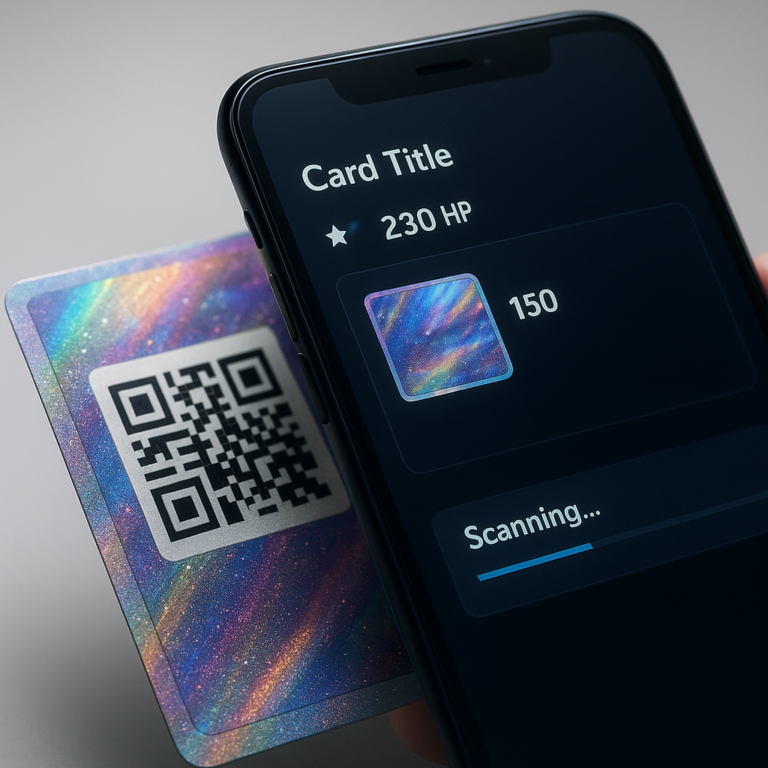
For collectors managing multiple cards and tracking values across different conditions, using a comprehensive tool like TCG Radar provides accurate, real-time pricing data for both graded and ungraded Blastoise variants. The app’s scanning technology helps identify specific printings and provides current market valuations instantly.
BGS graded cards often trade at slight discounts compared to PSA equivalents, typically 10-15% lower for the same numerical grade. However, BGS Black Label cards (perfect 10s across all subgrades) can exceed even PSA 10 prices, sometimes reaching $6,000+ for exceptional Base Set examples.
Japanese grading companies like PSA Japan occasionally surface in the market, but these typically trade at 20-30% discounts compared to PSA USA grades due to collector preference for the more established grading standard.
Regional Price Variations
Blastoise card worth varies considerably across different geographic markets, influenced by local demand, currency fluctuations, and shipping costs. Understanding these regional differences helps collectors identify arbitrage opportunities and optimal selling venues.
The United States market generally sets baseline pricing for English Base Set Blastoise cards, with eBay sales data providing the most comprehensive price discovery mechanism. US collectors typically pay premium prices for high-grade examples, driving the upper end of the market.
European markets, particularly the UK and Germany, show strong demand for English cards but often trade at 5-10% discounts compared to US prices. Brexit-related shipping complications and VAT considerations have created pricing inefficiencies that savvy collectors can exploit.
Japanese domestic markets present unique dynamics, with Japanese Base Set cards (from the original 1996 release) commanding premiums over English versions. Japanese PSA 10 Base Set Blastoise cards regularly exceed $4,000, reflecting both scarcity and domestic collector preference for first-edition Japanese cards.
Australian and Canadian markets closely track US pricing but factor in currency exchange rates and shipping costs. Canadian collectors often find better values purchasing from US sellers despite exchange rate considerations, while Australian collectors face significant shipping premiums that can add 15-20% to final acquisition costs.
The blastoise pokemon card value continues evolving as global markets mature and new collectors enter the hobby. Regional price disparities create opportunities for international collectors willing to navigate shipping and customs requirements, though these gaps have narrowed as online marketplaces become more efficient at global price discovery.
Factors That Determine Blastoise Card Worth
Understanding what drives blastoise pokemon card value requires examining several interconnected factors that collectors and investors consider when determining worth. The market for these iconic cards operates on principles that combine rarity, condition, and cultural significance to establish pricing structures that can vary dramatically between seemingly similar cards.
Card Condition and Grading Standards
Professional grading represents the most significant factor influencing blastoise card value in today’s market. PSA and BGS grading services provide standardized condition assessments that can multiply a card’s worth exponentially. A raw Base Set Blastoise in near-mint condition might sell for $200-400, while the same card graded PSA 10 commands $2,000-3,500 at current market rates.
The grading scale directly correlates with pricing premiums. PSA 9 examples typically sell for 40-60% of PSA 10 values, while PSA 8 cards drop to roughly 25-35% of gem mint pricing. BGS Black Label 10s, representing perfect centering, corners, edges, and surface quality, often achieve the highest premiums in the marketplace. For collectors serious about tracking blastoise pokemon card price fluctuations across different grades, using TCG Radar provides real-time market data and price comparisons across multiple platforms.
Minor condition issues like edge wear, centering problems, or surface scratches can reduce values by 50-80% compared to pristine examples. This dramatic price sensitivity makes condition assessment crucial for both buyers and sellers in the Blastoise market.
Print Run Rarity and Age
The chronological release and print run size fundamentally determine blastoise card worth across different sets. 1st Edition Base Set Blastoise cards command the highest premiums because they represent the original Pokemon TCG release with the smallest print run. These cards feature the distinctive “1st Edition” stamp and were printed for only a brief period in 1998-1999.
Shadowless Base Set Blastoise cards, printed after 1st Edition but before Unlimited editions, occupy the second tier of value. The absence of drop shadows around the artwork frame makes these cards easily identifiable and highly sought after. Unlimited Base Set versions, while still valuable, typically sell for 60-70% less than their shadowless counterparts due to larger print runs.
Japanese Base Set cards often command premiums over English versions due to superior print quality and smaller distribution outside Japan. The age factor also influences pricing, as older cards become increasingly scarce in high grades due to 25+ years of potential wear and damage.
Market Demand and Pop Culture Impact
Pokemon’s cultural relevance directly impacts blastoise pokemon card value through cyclical demand patterns. Major Pokemon media releases, including movies, games, and anniversary celebrations, typically drive increased interest in classic cards. The 25th anniversary celebrations in 2021 sparked significant price appreciation across vintage Pokemon cards, with Blastoise values reaching all-time highs.
Celebrity endorsements and social media exposure also influence market dynamics. When high-profile figures showcase Pokemon card collections or investments, demand surges create temporary price spikes. The COVID-19 pandemic accelerated this trend as collectors turned to nostalgia-driven investments during lockdowns.
Competitive play relevance affects modern Blastoise card pricing, though vintage cards derive value primarily from collectibility rather than tournament viability. The character’s status as one of the original starter evolutions ensures consistent baseline demand from both nostalgic collectors and new Pokemon fans discovering classic cards for the first time.
Authentication and Avoiding Counterfeits
Protecting your investment in any blastoise pokemon card requires careful authentication, especially for high-value vintage cards where counterfeits are increasingly sophisticated. Understanding how to identify genuine cards can save collectors thousands of dollars and preserve the integrity of their collections.
Identifying Authentic Blastoise Cards
Genuine Pokémon cards exhibit specific physical characteristics that counterfeiters struggle to replicate perfectly. The card stock should feel substantial with a smooth, professional finish—authentic cards have a distinctive texture that cheap reproductions cannot match. Base Set Blastoise cards feature sharp, vibrant colors with precise text alignment and proper font spacing throughout.
The holographic foil pattern on authentic cards displays a consistent rainbow effect that shifts smoothly under light. Genuine holofoil shows the classic Pokémon cosmos pattern with stars and sparkles that appear three-dimensional. Energy symbols should be perfectly circular with clean edges, while the Pokémon logo maintains crisp definition without blurred or pixelated edges.
Card dimensions must measure exactly 2.5 x 3.5 inches, and the black border should maintain uniform width around the entire perimeter. The blue light test reveals authentic cards’ translucent quality—when held up to bright light, genuine cards show a subtle blue tint, while counterfeits often appear completely opaque or show incorrect coloration.
Common Counterfeit Red Flags
Several warning signs immediately identify fake Blastoise cards that could significantly impact your blastoise card value assessment. Poor print quality represents the most obvious red flag—blurred text, misaligned elements, or colors that appear too saturated or washed out indicate reproduction cards.
Incorrect card thickness often betrays counterfeits, as fake cards frequently feel either too flimsy or unnaturally thick compared to authentic stock. The holographic pattern may appear flat, pixelated, or use entirely wrong designs that don’t match official Pokémon foil patterns.
Font inconsistencies provide another clear indicator—counterfeit cards often use incorrect typefaces for card names, attack descriptions, or copyright information. Energy symbols may appear distorted, off-center, or use wrong colors that don’t match official specifications.
Suspicious pricing should raise immediate concerns. If someone offers a mint condition Base Set Blastoise for significantly below market rates, exercise extreme caution. Legitimate sellers understand current blastoise pokemon card price ranges and rarely undervalue their inventory dramatically.
Professional Authentication Services
For valuable Blastoise cards worth over $500, professional authentication through PSA, BGS, or CGC provides essential protection and market credibility. These services verify authenticity while assigning condition grades that directly impact blastoise card worth in the marketplace.
PSA (Professional Sports Authenticator) remains the most recognized grading service, with their slabs commanding premium prices for high-grade vintage cards. BGS offers detailed subgrades for centering, corners, edges, and surface quality, providing comprehensive condition analysis. CGC has gained popularity for their competitive turnaround times and consistent grading standards.
Authentication becomes particularly crucial when purchasing raw cards from private sellers or auction sites. The grading fee, typically $20-100 depending on declared value and service level, represents worthwhile insurance for protecting your investment. For accurate current market assessment of any Blastoise variant, TCG Radar provides instant price verification through advanced card scanning technology, helping collectors make informed authentication decisions.
Investment Potential and Market Trends
The blastoise pokemon card has emerged as one of the most compelling investment opportunities in the Pokemon trading card market, demonstrating remarkable price appreciation and sustained collector interest over the past decade. Understanding the investment landscape for these iconic cards requires examining historical performance, future growth drivers, and strategic portfolio considerations.
Historical Price Performance
Blastoise card value has experienced extraordinary growth since 2014, with certain variants showing returns that rival traditional investment assets. The Base Set Shadowless Blastoise exemplifies this trend, appreciating from approximately $150 in mint condition in 2014 to over $3,000 by 2024. This represents a compound annual growth rate exceeding 30% for the highest-grade examples.
The COVID-19 pandemic marked a significant inflection point for blastoise pokemon card price appreciation. Celebrity endorsements, increased digital engagement, and nostalgia-driven purchasing pushed values to unprecedented heights. PSA 10 examples of the Base Set Unlimited Blastoise surged from $400 in early 2020 to peaks exceeding $1,500 during the 2021 market frenzy.
First Edition Base Set Blastoise cards have shown the most dramatic appreciation, with PSA 10 examples reaching $25,000+ at market peaks. Even lower-grade copies have benefited, as PSA 8 examples now command prices that exceeded PSA 10 values just five years ago.
Future Value Predictions
Several factors suggest continued strength for blastoise card worth in the coming years. The expanding global Pokemon fanbase, particularly in emerging markets, creates new demand pools for vintage cards. Additionally, the finite supply of high-grade vintage cards becomes increasingly apparent as more examples receive professional grading.
Technological integration presents another growth catalyst. Apps like TCG Radar are making card identification and valuation more accessible, potentially bringing new collectors into the market who can easily track blastoise pokemon card value fluctuations and make informed purchasing decisions.
The 30th anniversary of Pokemon in 2026 could trigger significant collector activity, similar to how the 25th anniversary celebrations boosted market interest. Institutional investment in trading cards and the development of fractional ownership platforms may also expand the investor base beyond traditional collectors.
Portfolio Diversification with Pokemon Cards
Incorporating Blastoise cards into an investment portfolio offers unique diversification benefits, as Pokemon cards typically exhibit low correlation with traditional financial markets. However, investors should carefully consider allocation limits and risk factors.
The Pokemon card market demonstrates high volatility, with blastoise pokemon card price swings of 20-30% occurring within months during market corrections. Liquidity can be limited for high-value cards, potentially making quick exits challenging during market downturns.
Successful Pokemon card investing requires significant expertise in authentication, grading, and market timing. Storage and insurance costs add ongoing expenses, while the lack of dividends or interest means returns depend entirely on price appreciation.
Conservative investors should limit Pokemon card exposure to 5-10% of their portfolio, focusing on iconic cards like Base Set Blastoise that have demonstrated long-term demand. More aggressive collectors might allocate higher percentages while diversifying across multiple Pokemon and sets to spread risk.
The key to successful Blastoise card investment lies in understanding rarity, condition sensitivity, and market cycles while maintaining realistic expectations about both potential returns and inherent risks in this emerging alternative asset class.
Where to Buy and Sell Blastoise Cards
Finding the right marketplace for your Blastoise Pokemon card transactions depends on your budget, the card’s rarity, and your comfort level with different selling platforms. Each venue offers distinct advantages for maximizing your blastoise card value while ensuring secure transactions.
Trusted Online Marketplaces
eBay remains the most popular platform for blastoise pokemon card transactions, offering extensive buyer protection and global reach. Recent sales data shows Base Set Blastoise cards selling between $150-$800 depending on condition, while shadowless variants command $400-$2,000. TCG Player provides competitive pricing with verified seller ratings, making it ideal for mid-range purchases. For accurate blastoise pokemon card price verification before listing or purchasing, TCG Radar offers instant card scanning and real-time market values, helping you identify fair pricing across multiple platforms.
COMC (Check Out My Cards) specializes in graded cards and offers consignment services, taking a percentage but handling shipping and customer service. Their platform typically shows 10-15% higher blastoise card worth compared to raw cards due to their authentication process.
Local Card Shops and Conventions
Local game stores provide immediate transactions without shipping risks, though prices may vary significantly from online markets. Many shops offer store credit at 60-70% of market value or cash at 50-60%, making them suitable for quick sales rather than maximum profit. The benefit lies in examining cards personally before purchase and building relationships with knowledgeable dealers.
Pokemon conventions and card shows offer the best selection and competitive pricing. Major events like Gen Con or regional Pokemon tournaments feature dozens of vendors, creating natural price competition. Experienced collectors often find 1st Edition Base Set Blastoise cards at conventions for 10-20% below online prices due to reduced overhead costs.
Auction Houses and High-End Sales
Heritage Auctions and Goldin Auctions handle premium Blastoise cards worth over $5,000, particularly PSA 10 graded specimens. These platforms attract serious collectors willing to pay premium prices for pristine condition cards. A PSA 10 Shadowless Blastoise sold for $25,200 through Heritage Auctions in 2022, demonstrating the potential for exceptional returns.
Consider auction houses when your blastoise pokemon card value exceeds $3,000 in graded condition. They provide professional photography, detailed descriptions, and access to high-net-worth collectors who rarely browse standard marketplaces. However, auction fees typically range from 15-25%, making them cost-effective only for truly rare specimens.
Consignment through established dealers offers middle-ground solutions, combining professional presentation with lower fees than major auction houses while maintaining access to serious collectors seeking investment-grade Pokemon cards.
Caring for Your Blastoise Collection
Protecting your Blastoise Pokemon card collection requires a strategic approach that balances preservation costs with potential value retention. Whether you own a single Base Set Shadowless Blastoise or an extensive collection spanning multiple sets, proper care ensures your cards maintain their condition and market appeal over time.
Proper Storage and Protection
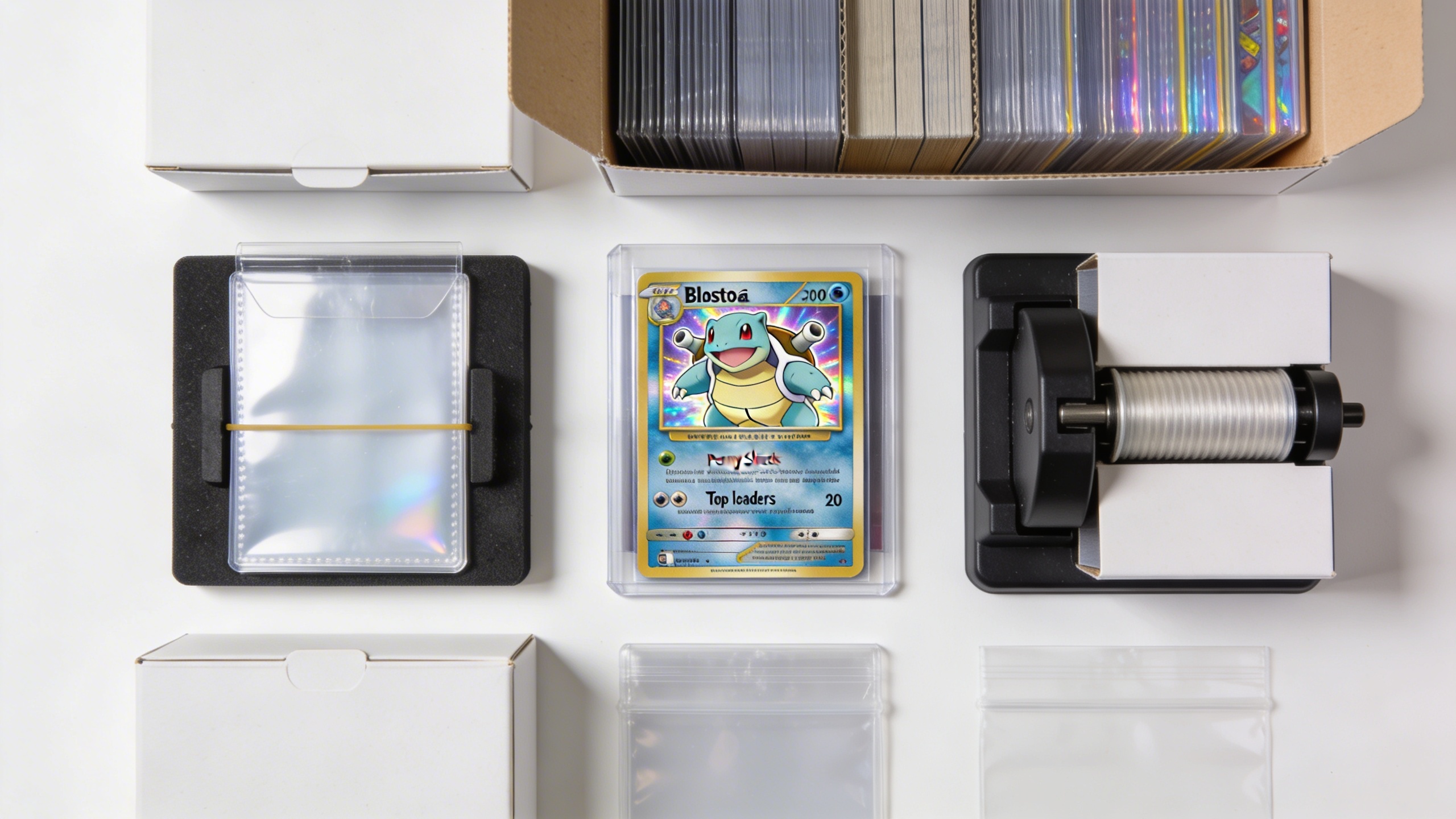
The foundation of preserving blastoise card value starts with appropriate storage solutions. Penny sleeves provide the first line of defense against surface damage, while top loaders offer rigid protection for individual cards worth $50 or more. For high-value cards like a PSA 10 Base Set Shadowless Blastoise, consider magnetic holders or one-touch cases that eliminate the risk of corner damage during insertion.
Climate control plays a crucial role in long-term preservation. Store your collection in a cool, dry environment with temperatures between 60-70°F and humidity levels below 50%. Avoid basements, attics, and areas prone to temperature fluctuations. For extensive collections, investing in a small dehumidifier can prevent warping and edge damage that significantly impacts blastoise pokemon card price.
Organize cards in storage boxes with dividers to prevent shifting and contact damage. Label sections clearly and maintain an inventory spreadsheet tracking card conditions, purchase prices, and current estimated values. Apps like TCG Radar can help you quickly scan and catalog your collection while tracking real-time market values.
Insurance and Documentation
Collections valued over $1,000 warrant insurance consideration. Document each card with high-resolution photos showing front, back, and any notable condition issues. Maintain purchase receipts, grading certificates, and authentication documents in both physical and digital formats. Many homeowner’s insurance policies exclude collectibles, making specialized collectibles insurance essential for serious collectors.
Update your documentation annually, as blastoise pokemon card value can fluctuate significantly. The 1998 Base Set Shadowless Blastoise that sold for $350 in 2020 might command $800+ today in similar condition.
When to Consider Professional Grading
Professional grading becomes cost-effective when the potential grade premium exceeds grading costs plus shipping. A raw Near Mint Base Set Shadowless Blastoise worth $400 could justify PSA grading if it has potential for a PSA 9 grade, which typically sells for $600-800. However, grading a damaged card worth $50 rarely makes financial sense given the $20-30 grading cost.
Consider the card’s rarity, condition, and current blastoise card worth before submitting. Focus grading efforts on first edition cards, promotional releases, and specimens in exceptional condition where the grade premium significantly impacts market value.
Frequently Asked Questions
How much is a 1st edition Base Set Blastoise worth?
A 1st edition Base Set Blastoise ranges from $300-800 in played condition to $15,000-25,000+ for PSA 10 mint condition. Near mint raw cards typically sell for $2,000-4,000, while PSA 9 examples command $4,000-8,000. The premium for perfect PSA 10 condition reflects the card's iconic status and extreme rarity in pristine condition.
What's the difference between shadowless and unlimited Blastoise cards?
Shadowless Blastoise cards lack the drop shadow around the artwork frame and were printed in the first Base Set run, making them significantly rarer. Unlimited versions have the drop shadow and were printed in much larger quantities later. Shadowless cards typically sell for 3-5x more than unlimited versions due to their limited print run and collector preference.
Are Japanese Blastoise cards more valuable than English versions?
Japanese Base Set Blastoise cards are generally less valuable than their English counterparts, typically selling for 30-50% of English card prices. However, Japanese cards often have better print quality and centering, and certain Japanese-exclusive sets or promotional cards can be extremely valuable. The English 1st edition shadowless remains the most sought-after version among collectors.
How can I tell if my Blastoise card is authentic?
Authentic Blastoise cards have specific card stock thickness, sharp printing quality, and proper holographic foil patterns that shift correctly under light. Check for consistent font spacing, proper card dimensions (2.5" x 3.5"), and the correct copyright information. Common counterfeit indicators include poor print quality, incorrect holographic patterns, wrong card stock feel, and misspelled text or logos.
Should I get my Blastoise card professionally graded?
Professional grading makes financial sense for cards in near mint or better condition, as high grades (PSA 9-10) can increase value by 200-500%. Consider grading costs ($20-100+ depending on service level) against potential value increase - cards worth under $500 raw may not justify grading expenses. For valuable vintage Blastoise cards in excellent condition, grading provides authentication and can significantly boost market value.