Pokemon Card Collecting: Complete Beginner’s Guide to Building Your Collection in 2026
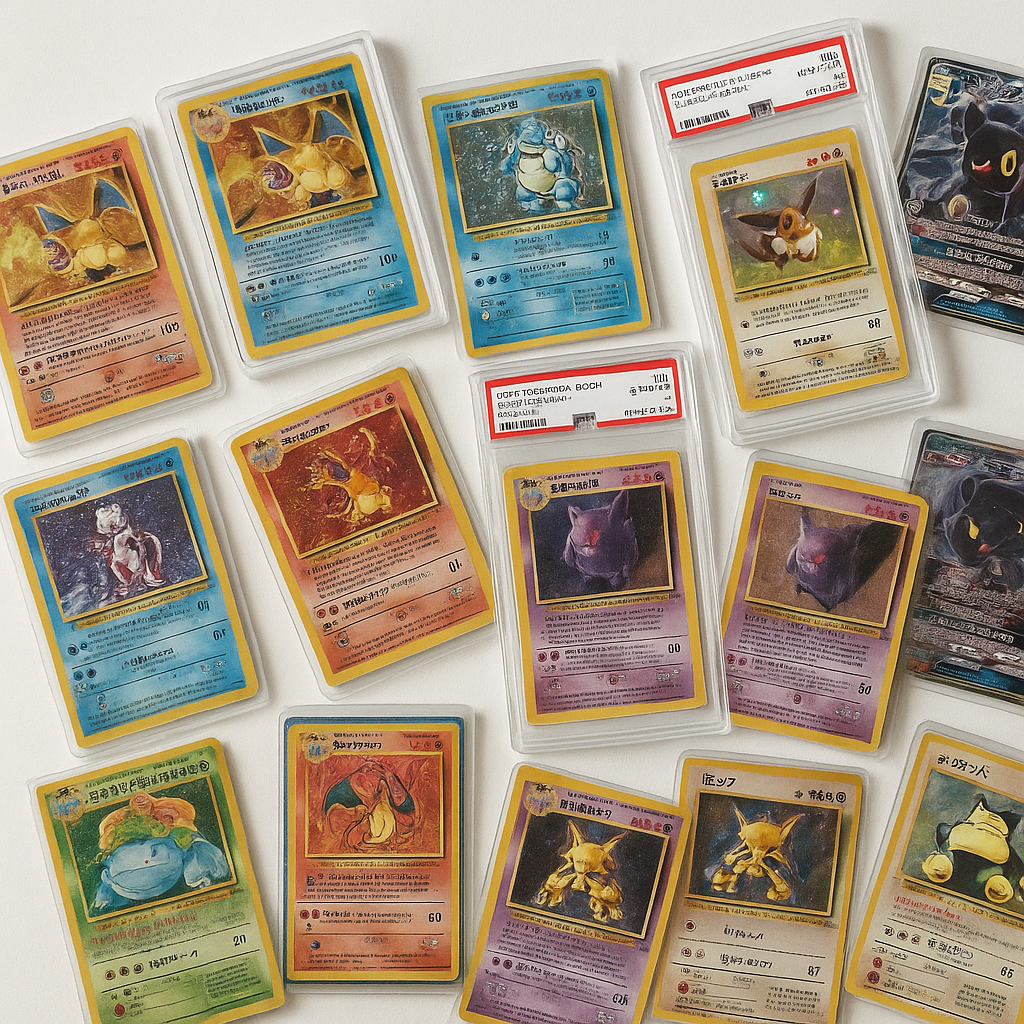
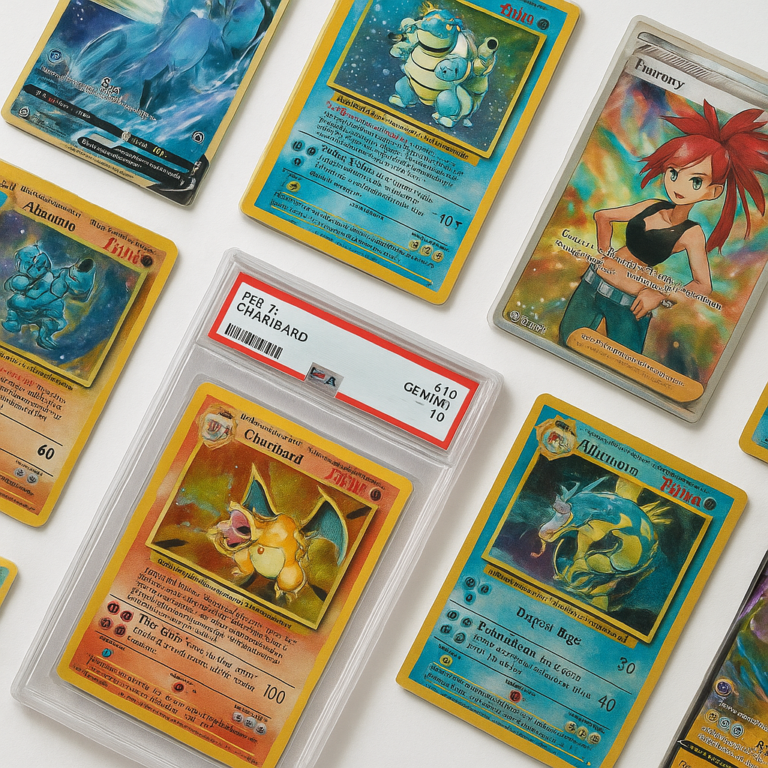
Pokemon cards have transformed from childhood treasures into one of the most dynamic collectible markets of the 21st century. What began as a simple trading card game in the 1990s has evolved into a sophisticated investment landscape where vintage Base Set Charizards sell for hundreds of thousands of dollars, and modern chase cards can appreciate faster than traditional assets. The market explosion that started in 2020 has stabilized into a mature ecosystem where collectors can buy pokemon cards with genuine confidence in their long-term value potential.
Whether you’re drawn by nostalgia for your childhood collection or intrigued by the investment opportunities surrounding expensive pokemon cards like the Trophy Pikachu series, 2026 presents an ideal entry point for new collectors. The grading infrastructure has matured, japanese pokemon cards are more accessible than ever, and the distinction between player cards and collectible graded pokemon cards has created clear pathways for different collecting approaches. This comprehensive guide will walk you through every aspect of building a successful Pokemon card collection, from understanding rarity symbols and identifying valuable sets to developing a strategic approach that aligns with your goals and budget.
Understanding Pokemon Cards: Types, Sets, and Rarity
Before diving into where to buy pokemon cards, understanding the fundamental differences between card types, sets, and rarity systems will help you make informed collecting decisions. Pokemon cards serve various purposes beyond just collecting, including competitive play and investment opportunities.
Pokemon cards fall into three main categories: Pokemon cards (featuring the creatures themselves), Trainer cards (providing gameplay effects), and Energy cards (powering Pokemon attacks). Within Pokemon cards specifically, you’ll encounter Basic Pokemon, Stage 1 and Stage 2 evolutions, Pokemon-ex, Pokemon-GX, Pokemon V, and Pokemon VMAX cards. Each type has different gameplay mechanics and collectible value, with special variants like alternate art cards and secret rares commanding premium prices.
Base Set vs Modern Pokemon Cards
The original Base Set from 1998 represents the holy grail of Pokemon collecting, featuring iconic cards like Charizard (#4/102) that regularly sell for thousands in mint condition. These vintage cards used simpler artwork and card mechanics compared to today’s releases, but their historical significance makes them among the most expensive pokemon cards on the market.
Modern sets like Scarlet & Violet introduce complex mechanics, holographic treatments, and premium card types that didn’t exist in the Base Set era. While newer cards may lack the nostalgic appeal, sets like Crown Zenith and Paldea Evolved offer impressive artwork and innovative card designs. Modern booster packs typically cost $4-6 each, while vintage Base Set packs can exceed $500 unopened.
Key differences include card quality improvements, with modern cards featuring better centering and print quality, though this makes graded pokemon cards from the Base Set era particularly valuable due to their rarity in pristine condition.
Rarity Symbols and Card Values
Understanding rarity symbols directly impacts your ability to identify valuable cards in your collection. Common cards display a circle symbol, uncommon cards show a diamond, and rare cards feature a star. However, the real value lies in special rarities: holofoil rares, Pokemon-ex, Pokemon V, and secret rare cards numbered beyond the set’s base count.
| Rarity Symbol | Card Type | Typical Value Range |
|---|---|---|
| ● | Common | $0.10 – $1 |
| ♦ | Uncommon | $0.25 – $3 |
| ★ | Rare | $1 – $15 |
| ★H | Rare Holo | $3 – $50 |
| Various | Secret Rare | $15 – $300+ |
Secret rare cards numbered above the set’s base count (like 199/198) often become the most sought-after pulls. Rainbow rare cards, alternate art cards, and gold cards represent the pinnacle of modern Pokemon card collecting, with cards like Charizard VMAX Rainbow Rare reaching $200-400 in mint condition.
Japanese vs English Pokemon Cards
Japanese pokemon cards often feature superior print quality, with sharper colors and better centering compared to English versions. The Japanese market receives sets several months before international releases, creating early access to new artwork and mechanics. Cards like the Japanese Base Set No Rarity Charizard command premium prices due to their unique characteristics.
Price differences between regions can be significant. Japanese exclusive cards, promotional releases, and tournament prizes often sell for 20-50% more than their English counterparts. However, English cards maintain broader market appeal and liquidity, making them easier to buy and sell.
Japanese cards also use different rarity systems and promotional distribution methods. Prize cards from official tournaments, convenience store promotions, and magazine inserts create unique collecting opportunities unavailable in English markets. When building your collection, consider both regions to maximize your exposure to rare and valuable cards while understanding the distinct characteristics that drive pricing in each market.

Where to Buy Pokemon Cards: Best Sources and Retailers
Knowing where to buy pokemon cards can make the difference between building a valuable collection and wasting money on overpriced or counterfeit products. Each purchasing venue offers distinct advantages and drawbacks that collectors should understand before making their first purchase.
Target and Major Retailers vs Local Card Shops
Major retailers like Target, Walmart, and GameStop offer the most accessible entry point for new collectors. These stores typically sell booster packs at MSRP ($3.99-$4.99 per pack), ensuring you avoid inflated prices during high-demand periods. Target’s exclusive Pokemon trading card game products, such as special tins and collection boxes, often provide excellent value for beginners building their foundation.
Local card shops present a completely different experience. While prices may run 10-20% higher than big box stores, these shops offer expert knowledge, organized play events, and access to japanese pokemon cards that major retailers rarely stock. Shop owners can guide newcomers toward sets that align with their collecting goals and budget constraints.
The trade-off centers on convenience versus expertise. Major retailers excel at volume purchasing and consistent availability, while local shops provide personalized service and community connections that enhance the collecting experience long-term.
Online Marketplaces and Auction Sites
Online platforms like eBay, TCGPlayer, and COMC dominate the secondary market for expensive pokemon cards and hard-to-find items. eBay auctions can yield significant savings on vintage cards, but require careful seller verification to avoid counterfeits. Look for sellers with 99%+ feedback ratings and detailed, high-resolution photographs showing card corners, edges, and surfaces.
TCGPlayer offers price protection through their marketplace guarantee, making it ideal for purchasing graded pokemon cards from PSA, BGS, or CGC. The platform’s price history graphs help identify fair market values, preventing overpayment during market fluctuations.
Amazon provides convenience but carries higher counterfeit risks, particularly for japanese pokemon cards and vintage products. Stick to Amazon-fulfilled items from reputable sellers when using this platform.
Pokemon Card Packs vs Singles Strategy
The pack versus singles decision fundamentally shapes your collecting approach and budget efficiency. Booster packs offer excitement and potential profit, but mathematics work against collectors seeking specific cards. A typical booster box contains 36 packs at $144, yet the chase card you want might cost $50 as a single.
Singles purchasing makes financial sense for targeted collecting. If you need specific cards for deck building or completing sets, buying individual cards eliminates gambling and guarantees results. This approach particularly benefits collectors pursuing expensive pokemon cards, where pack odds make direct purchase the only viable option.
However, pack opening provides intangible benefits that singles cannot match. The discovery element, potential for valuable pulls, and social aspects of pack opening create experiences worth the premium for many collectors.
New collectors should start with a hybrid approach: buy singles for specific wants, then allocate a separate budget for pack opening entertainment. This strategy satisfies both practical collecting needs and the excitement that draws people to the hobby.
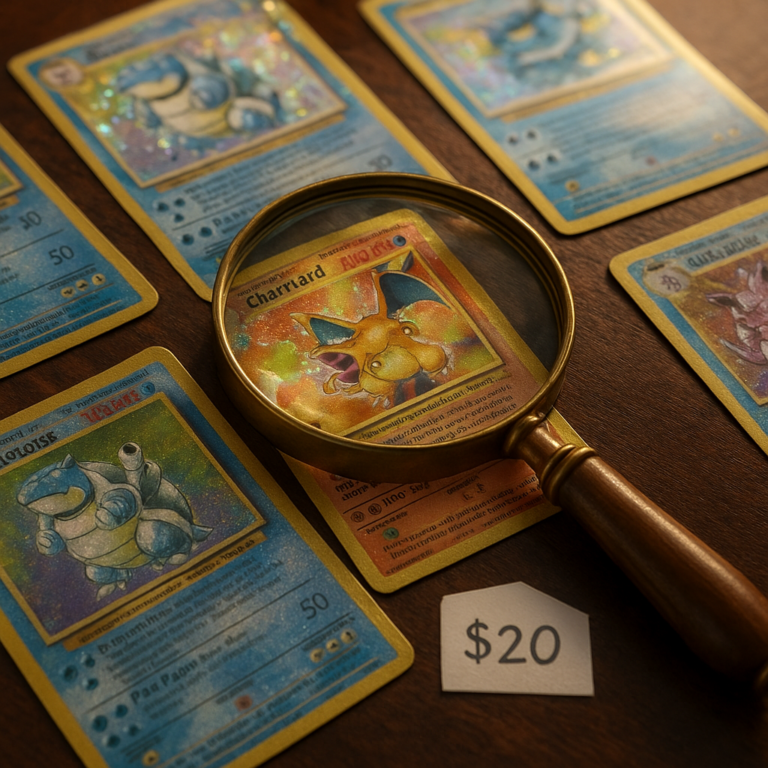
Regardless of your chosen venue, always verify card authenticity through proper lighting examination, texture analysis, and seller reputation research. Building relationships with trusted sellers across multiple platforms ensures consistent access to legitimate products as your collection grows.
Most Expensive Pokemon Cards and Investment Potential
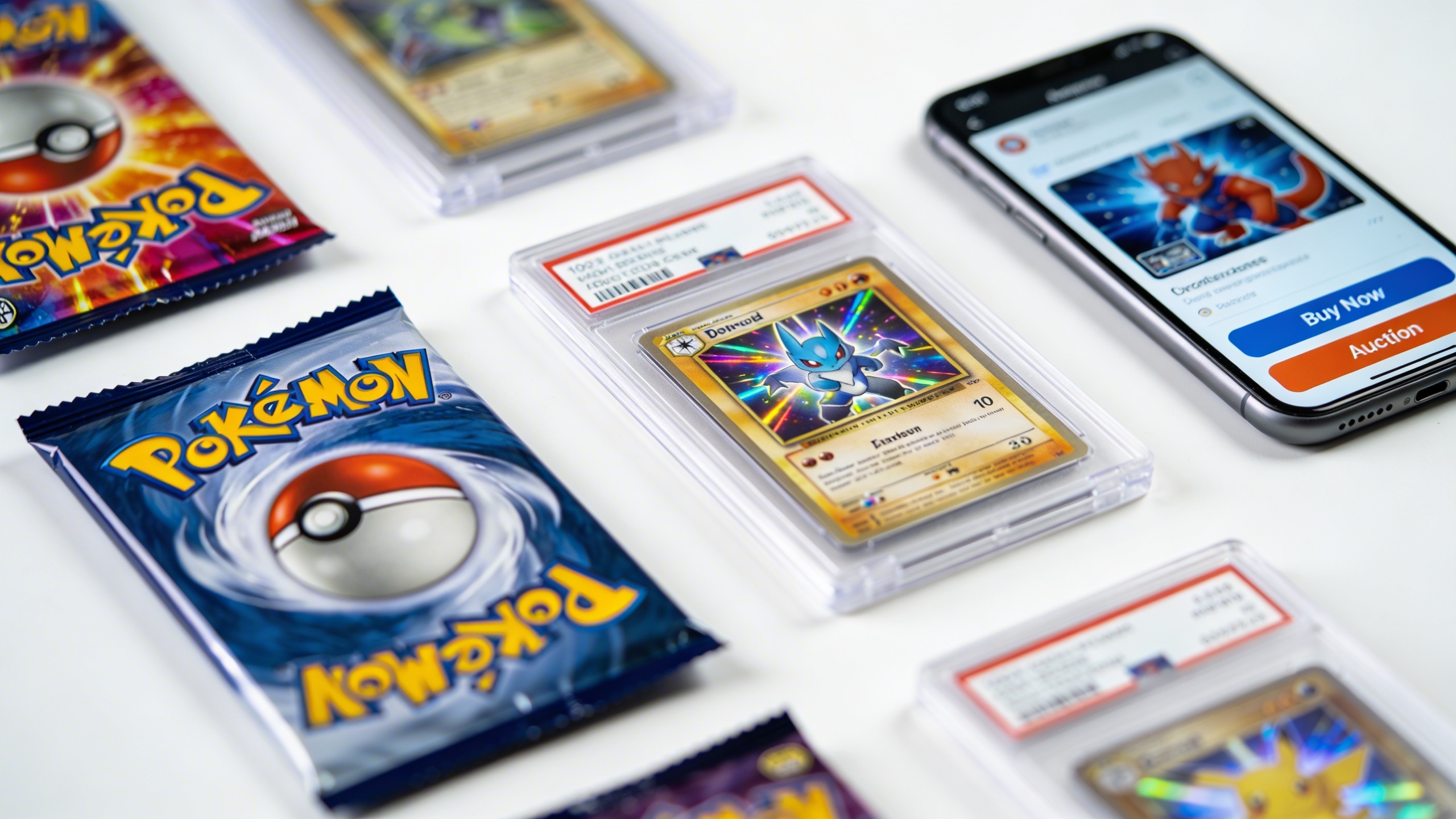
Understanding which pokemon cards command the highest prices can help new collectors make informed decisions about their investments. The most valuable cards combine rarity, condition, and nostalgic appeal, with some specimens selling for hundreds of thousands of dollars at auction. By studying historical price trends and market factors, collectors can identify both established blue-chip cards and emerging opportunities in the modern market.
Charizard and Other Blue-Chip Cards
The 1998 Base Set First Edition Charizard remains the holy grail of pokemon cards, with PSA 10 examples selling for $350,000 to $400,000 in recent years. This iconic card’s value stems from its status as the most recognizable Pokemon character combined with extremely limited high-grade availability. The Shadowless version typically trades between $150,000 to $200,000 in perfect condition.
Other consistently valuable blue-chip cards include the 1998 Pikachu Illustrator (ポケモンイラストレーター), which holds the record for most expensive pokemon cards ever sold at $5.275 million in 2022. The Trophy Pikachu cards from early tournaments, particularly the 1998 Pikachu No. 3 Trainer, regularly achieve six-figure prices when properly graded.
| Card Name | Set/Year | PSA 10 Price Range | Market Trend |
|---|---|---|---|
| Base Set 1st Edition Charizard | 1998 | $350,000-$400,000 | Stable/Growing |
| Pikachu Illustrator | 1998 | $2M-$6M | Volatile |
| Trophy Pikachu No. 3 | 1998 | $100,000-$300,000 | Steady Growth |
| Base Set Shadowless Charizard | 1999 | $150,000-$200,000 | Stable |
First Edition and Shadowless Cards
First Edition and Shadowless cards from the original Base Set represent the foundation of high-value pokemon card collecting. These cards were printed in extremely limited quantities compared to later unlimited editions, creating natural scarcity that drives prices upward. The key difference lies in the printing symbols: First Edition cards feature a small “1st Edition” stamp, while Shadowless cards lack the drop shadow around the artwork border.
Beyond Charizard, other valuable First Edition cards include Blastoise ($15,000-$25,000 PSA 10), Venusaur ($8,000-$12,000 PSA 10), and even common cards like Machamp can reach $1,000-$2,000 in perfect condition. When you buy pokemon cards from this era, condition becomes paramount—the difference between a PSA 9 and PSA 10 can represent tens of thousands of dollars in value.
Japanese pokemon cards from the original Base Set often command premium prices due to their earlier release date and different artwork variations. The Japanese Base Set Charizard, while less expensive than its English counterpart, still achieves $20,000-$40,000 for PSA 10 examples.
Modern Chase Cards Worth Collecting
The modern pokemon card market has produced several cards with significant investment potential, particularly special illustration rares and alternate art cards. The Charizard VMAX Rainbow Rare from Champions Path peaked at $500-$600 but has stabilized around $200-$300 for PSA 10 copies. Similarly, the Pikachu VMAX from Vivid Voltage maintains strong value at $150-$250.
Japanese exclusive cards continue to show promise, with the 25th Anniversary Golden Box Pikachu and special tournament promos achieving $300-$800 depending on the specific card and condition. The Pokemon 25th Anniversary Classic Collection has also produced several cards worth monitoring, including the special Charizard variants.
Graded pokemon cards from recent sets like Pokemon 151 and Paldean Fates are showing early signs of strong value retention. The alternate art Charizard ex from Pokemon 151 trades between $400-$600 in PSA 10 condition, while Eeveelution alternate arts from various modern sets maintain $100-$300 price points.
Key factors driving modern card values include print run size, character popularity, artwork quality, and competitive playability. Cards featuring Charizard, Pikachu, and Eevee evolutions consistently outperform others, while unique artwork styles and special finishes add premium value. Collectors should focus on low-population PSA 10 cards from Japanese sets and English special releases for the best long-term investment potential.
Pokemon Card Grading: PSA, BGS, and CGC Explained
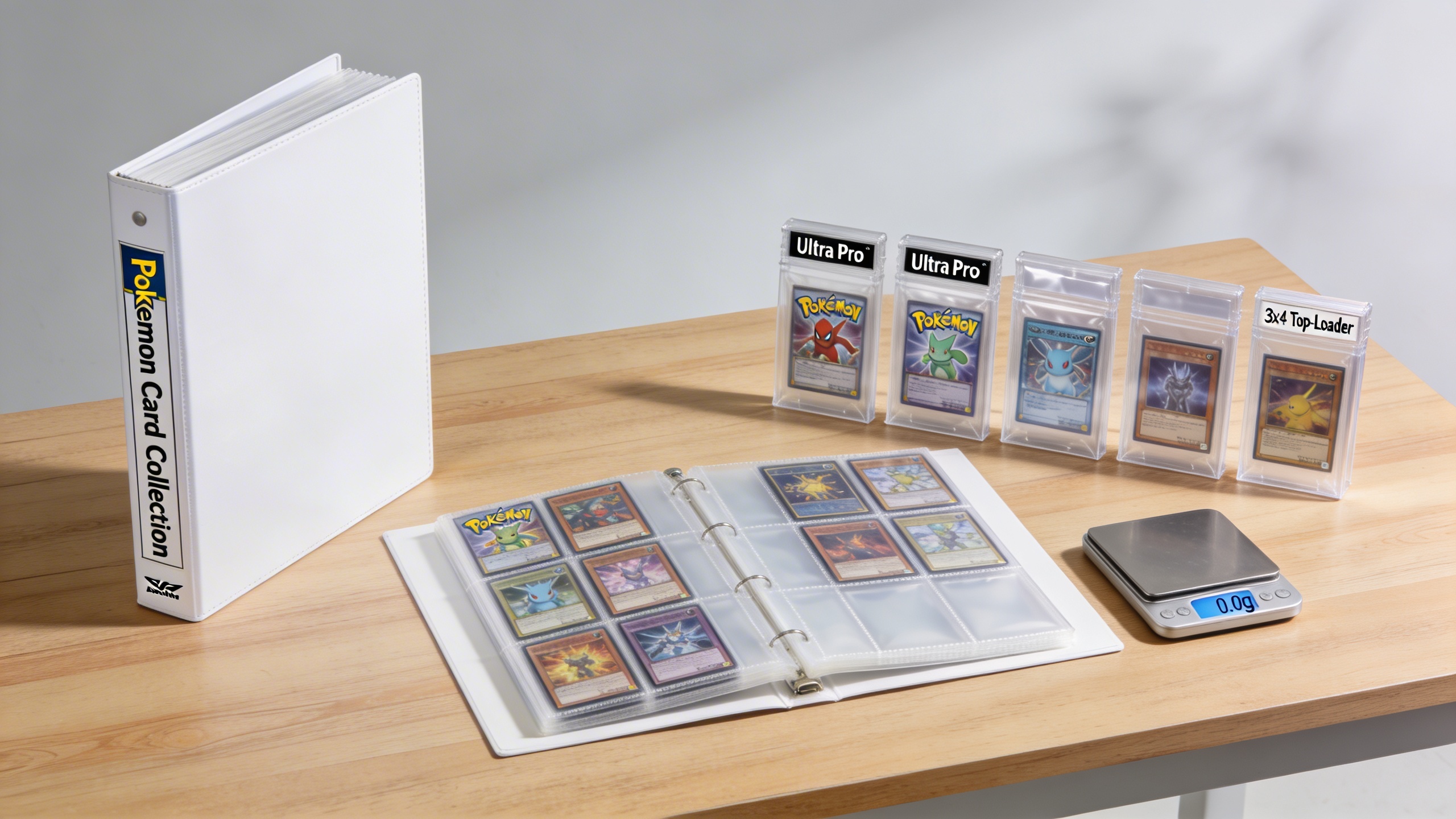
Professional grading has transformed the pokemon cards market, providing collectors with authenticated condition assessments that significantly impact value. Understanding when and how to grade your cards can mean the difference between a $50 card and a $500 investment piece.
The three major grading companies—Professional Sports Authenticator (PSA), Beckett Grading Services (BGS), and Certified Guaranty Company (CGC)—each offer unique advantages for pokemon card collectors. PSA dominates market share with approximately 70% of graded pokemon cards, while BGS appeals to collectors seeking detailed subgrades for centering, corners, edges, and surface quality.
When to Grade Your Pokemon Cards
Not every card deserves the grading treatment. Focus on cards that meet specific criteria: first edition Base Set cards, expensive pokemon cards from vintage sets (1998-2003), modern chase cards like alternate art cards from recent sets, and japanese pokemon cards with unique artwork or limited print runs.
Consider grading when your ungraded card’s raw value exceeds $100, as the potential return justifies the investment. Cards showing mint condition with perfect centering, sharp corners, and pristine surfaces are prime candidates. Popular targets include Charizard cards from any era, Trophy Pikachu promotional cards, and full art cards from Sun & Moon or Sword & Shield series.
Avoid grading damaged cards, commons from unlimited print runs, or cards where grading costs would exceed 30% of the card’s potential graded value. The exception is sentimental cards with personal significance, where authentication matters more than profit.
Understanding Grading Scales and Costs
Each company uses a 1-10 scale, but their standards differ slightly. PSA’s scale ranges from Poor (1) to Gem Mint (10), with PSA 10 representing the highest achievable grade. BGS offers similar grades but includes the coveted Black Label designation for cards receiving perfect 10 subgrades across all categories.
Current grading costs vary by service level and declared value:
| Service | PSA Economy | PSA Regular | BGS Standard | CGC Standard |
|---|---|---|---|---|
| Cost | $25 | $50 | $40 | $30 |
| Turnaround | 45-60 days | 20-30 days | 30-45 days | 25-35 days |
| Max Value | $499 | $1,499 | $999 | $999 |
Factor in shipping costs ($15-25) and insurance when calculating total expenses. For valuable vintage cards, consider higher-tier services that include authentication verification and detailed photography.
Graded Pokemon Cards Market Value
Grading dramatically affects market pricing, with PSA 10 cards typically commanding 300-500% premiums over raw near-mint copies. A raw first edition Base Set Charizard in excellent condition might sell for $1,200, while the same card graded PSA 10 consistently reaches $6,000-8,000.
The grade differential creates significant value gaps. PSA 9 cards usually sell for 40-60% of PSA 10 prices, while PSA 8 cards drop to 25-35% of gem mint values. This steep curve makes condition crucial when you buy pokemon cards for grading purposes.
Japanese pokemon cards often grade higher due to superior print quality, making them attractive grading candidates. Cards like Japanese Base Set No Rarity Charizard or Trophy Pikachu cards frequently achieve perfect grades, driving substantial premiums in the collector market.
Market data shows graded pokemon cards maintain stronger price stability during market downturns. While raw card prices fluctuate with trends, graded examples provide authentication and condition certainty that institutional buyers and serious collectors value. This stability makes graded cards particularly attractive for long-term investment strategies in the evolving pokemon cards marketplace.
New Pokemon Cards and Staying Current with Releases
Staying current with new Pokemon card releases is essential for collectors who want to secure the best products before prices spike and chase cards become scarce. The Pokemon Company International maintains a steady release schedule throughout the year, with major expansions launching every three to four months alongside supplemental products like special collections and premium boxes.
2026 Pokemon TCG Release Schedule
The 2026 Pokemon TCG schedule features several anticipated releases that collectors should monitor closely. The Legends: Z-A tie-in set, expected in Q2 2026, will likely introduce new Mega Evolution mechanics and chase cards featuring legendary Pokemon from the Kalos region. Following this, the summer release will focus on the 30th anniversary of Pokemon, potentially reprinting iconic cards from Base Set in premium foil treatments.
Japanese Pokemon cards typically release 2-3 months before their English counterparts, giving collectors valuable insight into upcoming chase cards and market trends. Monitoring Japanese releases through sites like PokeBeach and PokemonCard.com helps identify which cards generate the most excitement before English pre-orders begin.
Pre-ordering and Launch Day Strategies
Securing new Pokemon cards at retail price requires strategic planning and quick execution. Pre-orders typically open 4-6 weeks before release dates, and popular products like special collections or anniversary sets can sell out within hours. Establishing accounts with multiple retailers including GameStop, Target, Best Buy, and local game stores increases your chances of securing allocations.
For high-demand releases, consider these proven strategies:
- Set up stock alerts through retailers’ mobile apps and third-party tracking services
- Pre-order from Japanese retailers for earlier access to new cards, though shipping costs add $15-25 per order
- Join local Pokemon League groups where store owners often announce allocation details
- Follow Pokemon TCG social media accounts for surprise product announcements
Launch day success often depends on timing and preparation. Most major retailers restock online between 9-11 AM EST on release days, while physical stores typically open sales at store opening times.
Identifying Future Chase Cards Early
Predicting which new cards will become expensive Pokemon cards requires analyzing several factors including artwork quality, competitive playability, and character popularity. Alternate art cards featuring fan-favorite Pokemon like Charizard, Pikachu, and Eevee evolutions consistently command premium prices, often reaching $150-300 for graded examples within months of release.
Secret rare cards numbered above the set’s base count historically appreciate fastest, especially those featuring unique foil patterns or illustration styles. The recent trend toward Special Illustration Rare cards has created new chase categories, with cards like Professor’s Research (Alternate Art) from Lost Origin maintaining $80-120 values.
Monitor competitive Pokemon play through tournament results and deck analysis websites. Cards that see heavy play in championship-level decks often maintain strong secondary market values, particularly when they receive premium alternate art treatments. Additionally, cards featuring Pokemon from upcoming video games or anime story arcs tend to generate increased collector interest.
Building relationships with local card shop owners provides insider knowledge about allocation sizes and customer demand patterns. Shops often gauge pre-release interest through pre-order numbers, helping identify which products will likely experience immediate sellouts and price increases.
How to Sell Pokemon Cards for Maximum Profit
Successfully selling pokemon cards requires strategic timing, platform selection, and proper presentation. Whether you’re liquidating duplicates or cashing in on valuable investments, understanding the marketplace dynamics can significantly impact your profits.
Timing Your Sales for Best Prices
Market timing plays a crucial role in maximizing returns on expensive pokemon cards. Holiday seasons, particularly November through January, consistently show increased demand as gift-buyers enter the market. Additionally, major Pokemon media releases like new video games or anime seasons often create temporary price spikes for related cards.
Monitor trending cards on platforms like PWCC Marketplace and eBay’s sold listings to identify peak selling windows. Base Set Charizard prices, for example, typically surge around Pokemon anniversaries and nostalgia-driven media coverage. Japanese pokemon cards often experience different timing patterns, with Golden Week in Japan creating increased domestic demand that affects international prices.
Avoid selling during major set releases when collectors focus spending on new products. The weeks following Pokemon TCG set launches typically see decreased activity in the secondary market as buyers allocate funds to booster boxes and new singles.
eBay vs Local Card Shop vs Online Platforms
Each selling platform offers distinct advantages depending on your card values and selling goals. Here’s a comprehensive comparison:
| Platform | Best For | Fees | Pros | Cons |
|---|---|---|---|---|
| eBay | High-value graded cards | 13.25% total | Largest audience, auction format | High fees, shipping requirements |
| Local Card Shops | Quick sales, bulk lots | 40-60% of market value | Immediate payment, no shipping | Lower prices, limited inventory needs |
| TCGPlayer | Modern singles | 10.75% + $0.30 | Dedicated TCG audience | Lower visibility for vintage cards |
| COMC | Large collections | Varies by service | Professional photography, consignment | Longer selling timeline |
For graded pokemon cards valued over $100, eBay’s auction format typically yields the highest returns despite higher fees. Local shops work well for quick cash needs but expect to receive 40-50% of market value. TCGPlayer excels for modern tournament-legal cards where competitive players actively search for specific singles.
Preparing Cards for Sale
Professional presentation dramatically impacts final sale prices. High-quality photography remains essential—use natural lighting or a lightbox setup with multiple angles showing card condition clearly. For raw cards, photograph any whitening, scratches, or centering issues honestly to avoid disputes.
Accurate condition assessment prevents negative feedback and returns. Study PSA and BGS grading standards to describe conditions properly. Cards you might consider “mint” often grade as “near mint” due to minor print lines or edge wear invisible to casual inspection.
For valuable ungraded cards, consider professional grading before selling. A PSA 10 Base Set Charizard commands significantly more than raw copies, often justifying grading costs. However, calculate potential grades conservatively—borderline cards risk expensive grading fees without proportional value increases.
Package cards securely using penny sleeves, toploaders, and bubble mailers. Include tracking for shipments over $20 and insurance for high-value items. Professional packaging reflects seller credibility and protects your reputation for future sales.
Building Your Collection Strategy and Long-term Goals
Successful pokemon cards collecting requires more than just buying appealing cards—it demands strategic planning, proper protection, and careful portfolio management. Whether you’re targeting vintage Base Set cards or the latest Japanese pokemon cards releases, establishing clear goals and systems will maximize both your enjoyment and potential returns.
Setting a Collection Budget and Sticking to It
Before you buy pokemon cards, establish a monthly collecting budget that won’t strain your finances. Most successful collectors allocate 5-10% of their disposable income to cards, with beginners starting around $50-100 monthly. Create separate budget categories for different collecting goals: $30 for modern pack openings, $40 for graded pokemon cards, and $30 for specific chase cards.
Track your spending using apps like Mint or a simple spreadsheet. When expensive pokemon cards catch your eye—like a PSA 10 Charizard Base Set 1st Edition at $350,000—resist impulse purchases. Instead, save incrementally toward high-value targets. Many collectors use the “one expensive card per quarter” rule, allowing time to research market trends and verify authenticity.
Consider opportunity costs when allocating funds. A $200 modern booster box might yield $50-80 in cards, while that same $200 could secure a Shadowless Charizard in played condition—a card with stronger long-term appreciation potential.
Storage and Protection for Pokemon Cards
Proper storage preserves card condition and protects your investment. Use penny sleeves for all cards, followed by toploaders for anything worth $10 or more. Store cards in a cool, dry environment with stable temperature—basements and attics create humidity fluctuations that damage cards over time.
For high-value cards, invest in magnetic holders or Card Saver I sleeves if planning to grade. Japanese pokemon cards often feature different dimensions, so verify sleeve compatibility before purchase. Ultra Pro and BCW offer reliable storage solutions, with 4-pocket binders perfect for displaying complete sets while maintaining protection.
Organize cards by set, rarity, or value depending on your collecting focus. Many collectors separate raw cards from graded pokemon cards, using specialized graded card storage boxes that accommodate PSA and BGS slabs without scratching.
Tracking Your Collection Value
Monitor your collection’s value using dedicated apps like TCGPlayer, TCGDB, or specialized Pokemon tools like PokemonPrice. These platforms track recent sales data, helping you understand market trends and portfolio performance. Update values quarterly rather than daily to avoid emotional decision-making based on short-term fluctuations.
Create a simple spreadsheet documenting each card’s purchase price, current market value, and condition notes. Include photos for insurance purposes—many collectors photograph their entire collection annually. This documentation proves invaluable for insurance claims and helps identify your best-performing investments.
Set specific milestones: reaching $1,000 in collection value, completing a particular set, or acquiring your first PSA 10 vintage card. These goals maintain motivation while providing measurable progress markers. Remember that collecting should remain enjoyable—adjust strategies if tracking becomes stressful rather than helpful.
Frequently Asked Questions
Are Pokemon cards a good investment in 2026?
Pokemon cards can be a good investment, but the market has matured significantly since the 2020-2021 boom. Focus on high-grade vintage cards from Base Set through Neo series, as these have shown consistent long-term growth. Set realistic expectations and only invest money you can afford to lose, as the collectibles market can be volatile.
How much should I spend on my first Pokemon card purchase?
Start with a budget of $50-100 for your first Pokemon card purchases to learn the market without significant financial risk. This amount allows you to buy a few quality singles or a couple of booster packs to understand card conditions, pricing, and your collecting preferences. Focus on education and enjoyment before making larger investments.
What Pokemon cards are worth the most money right now?
The most valuable Pokemon cards include Base Set 1st Edition Charizard (PSA 10 selling for $300,000+), Trophy Pikachu cards from tournaments, and other 1st Edition Base Set holos. Modern alternatives with strong value include Moonbreon from Evolving Skies, Japanese exclusive promos, and high-grade cards from recent sets like 151 and Pokemon GO. Condition is crucial for value retention.
Should I open Pokemon card packs or buy singles?
Opening packs provides entertainment and the thrill of discovery but is statistically less cost-effective for building specific collections. Buying singles allows you to target exact cards you want at predictable prices, making it better for serious collectors. Consider opening a few packs for fun, then focus on singles for cards you actually need.
How do I know if my Pokemon cards are fake?
Authentic Pokemon cards have a specific cardstock feel with slight texture, crisp printing with no blurry edges or color bleeding, and proper font consistency. Check for the correct copyright information, proper energy symbols, and compare suspicious cards to verified authentic ones. When in doubt, use professional grading services or consult experienced collectors before making expensive purchases.