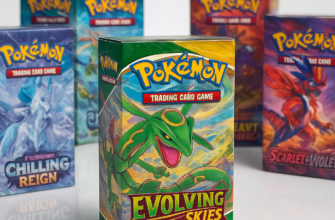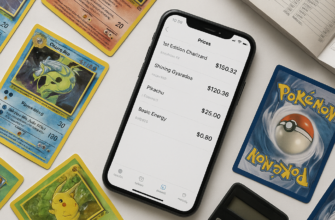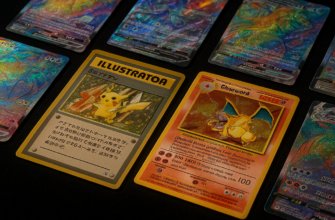
Welcome to the captivating world of Pokemon TCG, where strategic gameplay meets beloved creatures in one of the most enduring trading card games ever created. What began as a simple companion to the Pokemon video games has evolved into a global phenomenon spanning physical cards, digital platforms, and competitive tournaments worldwide. With the recent launch of Pokemon TCG Pocket bringing the excitement to mobile devices, millions of new trainers are discovering the depth and strategy that has kept players engaged for over 25 years.
Whether you’re a complete beginner curious about your first Pokemon TCG game or an experienced player looking to refine your competitive edge, this comprehensive guide covers everything you need to master the art of Pokemon battles. From understanding basic rules and exploring the vast array of Pokemon TCG sets to navigating digital platforms and building championship-caliber decks, we’ll walk you through each essential aspect of the game. You’ll discover how to identify valuable cards, utilize resources like TCGPlayer Pokemon for market insights, and develop the strategic thinking that separates casual players from true champions in this ever-evolving trading card universe.
- What is Pokemon Trading Card Game?
- History and Evolution of Pokemon TCG
- Core Game Mechanics and Objectives
- Physical vs Digital Pokemon TCG Formats
- Getting Started with Pokemon TCG
- Essential Components and Card Types
- Building Your First Deck
- Where to Buy Pokemon Cards
- Pokemon TCG Rules and Gameplay
- Turn Structure and Game Flow
- Battle Mechanics and Damage Calculation
- Special Conditions and Status Effects
- Pokemon TCG Sets and Card Rarity
- Current and Popular Pokemon TCG Sets
- Understanding Card Rarity and Value
- Booster Packs vs Singles Strategy
- Digital Pokemon TCG Platforms
- Pokemon TCG Pocket Mobile Experience
- Pokemon TCG Online Features
- Cross-Platform Play and Rewards
- Competitive Pokemon TCG Strategy
- Meta Deck Analysis and Tier Lists
- Tournament Preparation and Play
- Advanced Deck Building Techniques
- Pokemon TCG Community and Resources
- Reddit Communities and Discussion Forums
- Finding Local Pokemon TCG Events
- Content Creators and Learning Resources
What is Pokemon Trading Card Game?
The Pokemon Trading Card Game (TCG) is a strategic collectible card game where players use decks of Pokemon cards to battle against each other. Each player takes on the role of a Pokemon Trainer, using their collection of Pokemon, Trainer cards, and Energy cards to defeat their opponent’s Pokemon and claim victory. Since its debut, the pokemon tcg has become one of the world’s most popular trading card games, combining strategic gameplay with the beloved Pokemon franchise.
History and Evolution of Pokemon TCG
The pokemon tcg game launched in Japan in October 1996, developed by Media Factory in collaboration with Creatures Inc. and Nintendo. The initial Base Set featured 102 cards, including iconic Pokemon like Charizard, Blastoise, and Venusaur. The game quickly expanded internationally, reaching North America in January 1998 through Wizards of the Coast.
Over nearly three decades, the Pokemon TCG has evolved dramatically. Early sets focused on the original 150 Pokemon, but the game now encompasses over 1,000 different Pokemon across multiple generations. Major milestones include the introduction of Pokemon-ex cards in 2003, Pokemon-GX cards in 2017, and the current Pokemon V and VMAX mechanics. Each era brought new pokemon tcg sets that expanded gameplay possibilities while maintaining the core strategic elements that made the game successful.
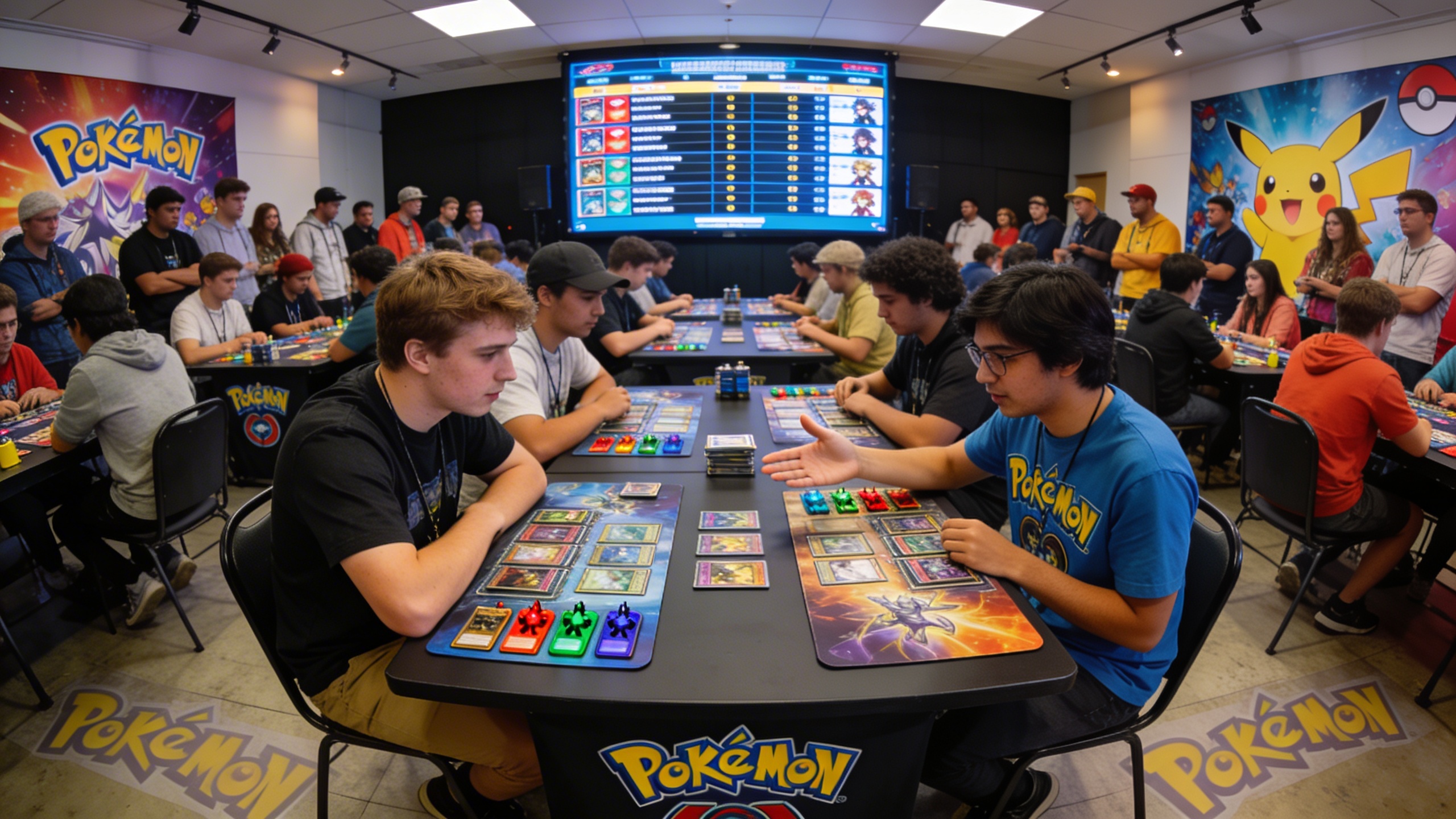
The game’s competitive scene has grown alongside its casual appeal. The Pokemon World Championships, first held in 2004, now attracts thousands of players annually competing for substantial prize pools. Regional tournaments, local leagues, and online competitions have created a robust competitive ecosystem that spans all skill levels.
Core Game Mechanics and Objectives
A standard Pokemon TCG match involves two players, each using a 60-card deck. The primary objective is to knock out six of your opponent’s Pokemon by taking Prize cards, though alternative win conditions exist. Players can also win if their opponent runs out of Pokemon to play or cannot draw a card at the start of their turn.
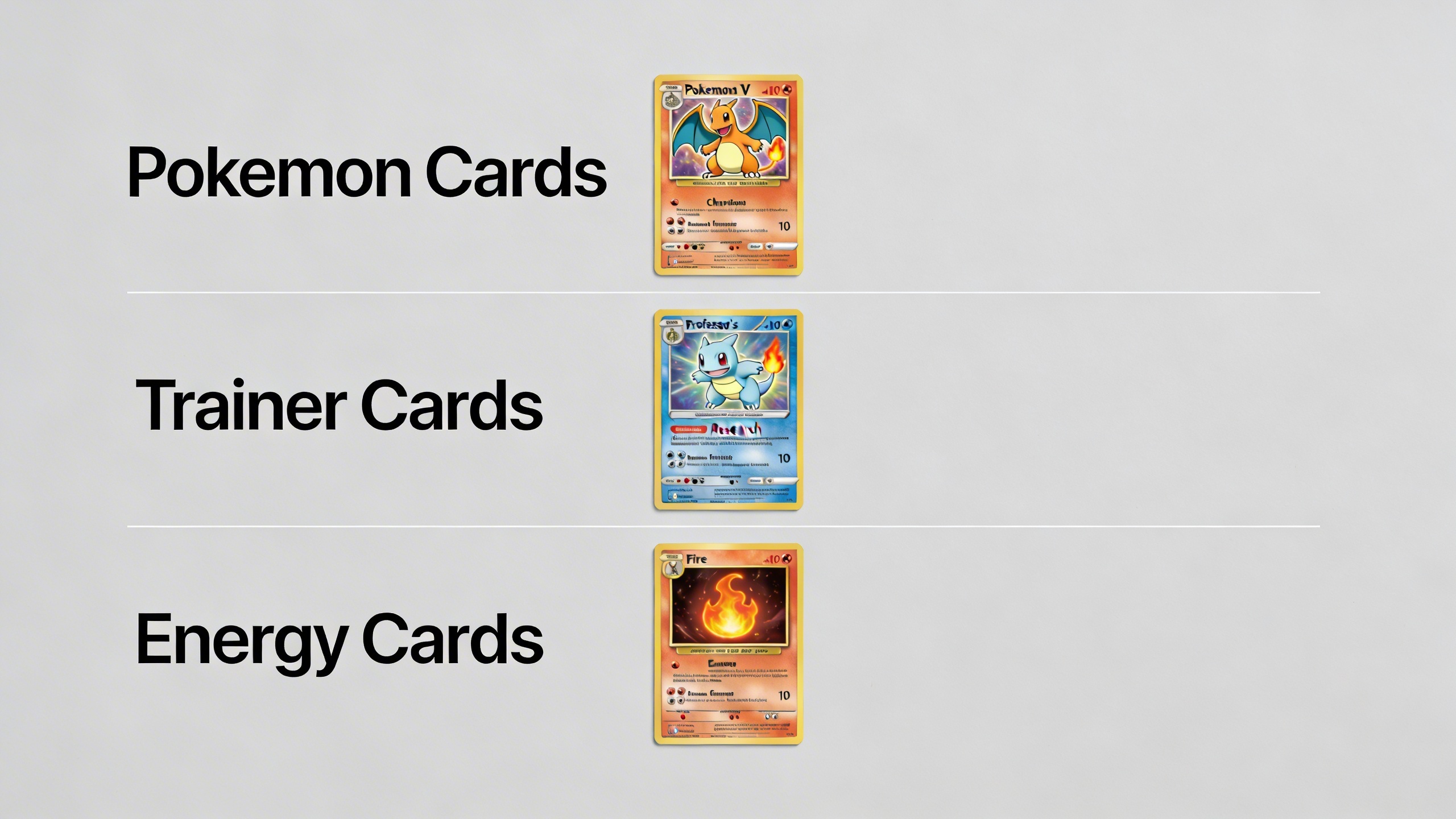
The gameplay revolves around three main card types: Pokemon cards represent the creatures that battle, Energy cards provide the power needed for attacks, and Trainer cards offer various effects and support options. Each turn follows a structured sequence: draw a card, play Pokemon and Trainer cards, attach Energy, attack with an Active Pokemon, and pass the turn.
Strategic depth emerges from deck building, resource management, and timing decisions. Players must balance powerful Pokemon that require multiple Energy cards against quicker, more efficient attackers. The Prize card system creates momentum swings, as knocking out high-value Pokemon like Pokemon V or VMAX can provide multiple Prize cards in a single turn.
Physical vs Digital Pokemon TCG Formats
Traditional physical Pokemon TCG involves collecting actual cards, building physical decks, and playing face-to-face with opponents. Physical cards retain collectible value, with rare cards from popular pokemon tcg sets often appreciating significantly. Players can use apps like TCG Radar to quickly scan and identify cards, check current market prices, and manage their collections efficiently.
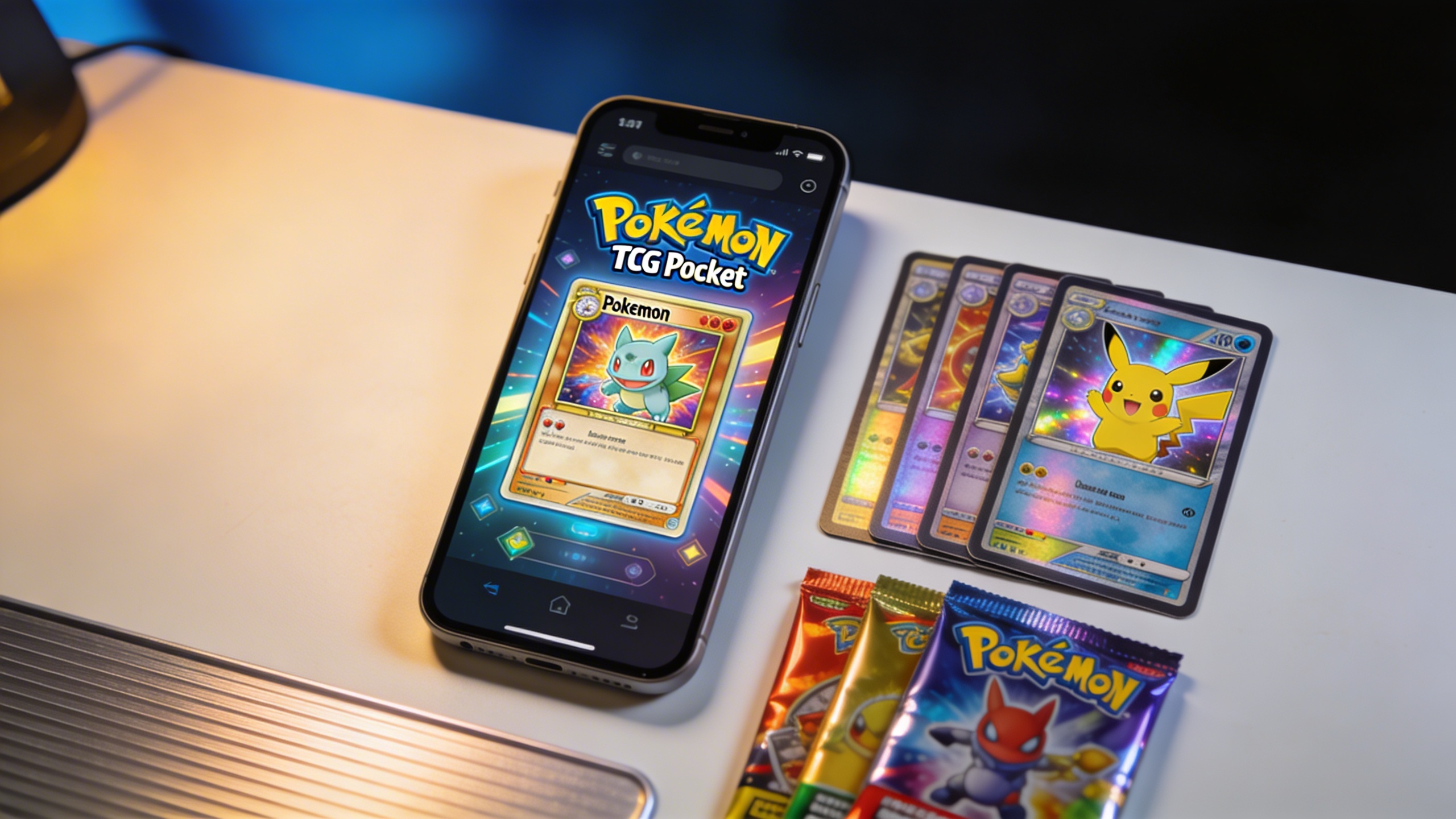
Pokemon TCG Online served as the primary digital platform for years, allowing players to redeem code cards from physical products for digital versions. However, this platform has been replaced by Pokemon TCG Pocket, which offers a streamlined mobile experience with shorter matches and simplified mechanics. Pokemon tcg pocket focuses on collecting digital cards through booster packs and features a more casual gameplay approach.
The digital formats provide accessibility advantages, allowing players to compete globally without needing physical cards. However, many collectors and competitive players prefer physical cards for their tangible value and the social aspects of in-person play. Platforms like tcgplayer pokemon have made physical card acquisition easier, offering extensive marketplaces where players can purchase specific cards for their decks.
Both formats serve different audiences: physical Pokemon TCG appeals to collectors and competitive players who enjoy the full strategic depth, while digital versions attract casual players seeking convenient, quick matches on mobile devices.
Getting Started with Pokemon TCG
Starting your pokemon tcg journey can feel overwhelming with hundreds of sets and thousands of cards available. However, understanding the fundamental components and knowing where to begin will set you up for success whether you’re interested in casual collecting or competitive play.
Essential Components and Card Types
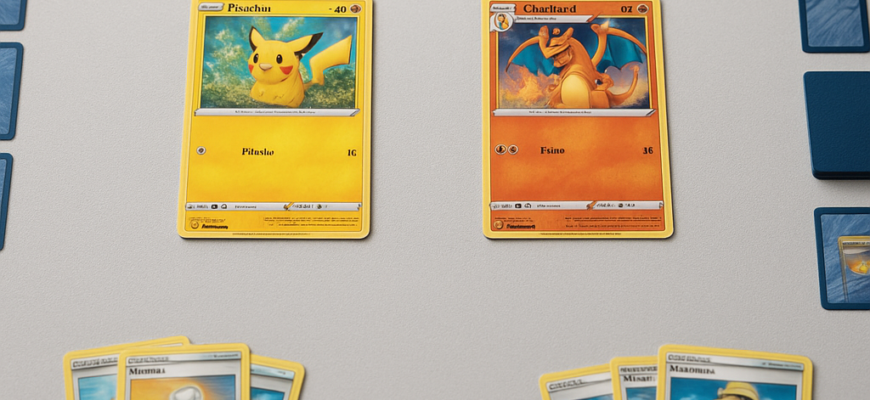
Every pokemon tcg game revolves around three core card types that work together to create strategic gameplay. Pokemon cards serve as your main attackers and defenders, featuring artwork, HP values, attacks, and retreat costs. Basic Pokemon like Pikachu or Charmander can be played directly from your hand, while Stage 1 and Stage 2 Pokemon require evolution from their previous forms.
Trainer cards provide the strategic backbone of any deck, offering draw power, search effects, and game-changing abilities. Popular Trainer cards include Professor’s Research for drawing seven new cards, Ultra Ball for searching Pokemon, and Boss’s Orders for controlling your opponent’s active Pokemon. These cards often determine the pace and flow of matches.
Energy cards fuel your Pokemon’s attacks, with each attack requiring specific energy types and amounts. Basic Energy cards like Fire, Water, and Grass provide consistent energy sources, while Special Energy cards like Twin Energy or Aurora Energy offer unique effects but come with restrictions. Most competitive decks run 8-12 energy cards to ensure consistent attack opportunities.
When building your collection, consider using TCG Radar to quickly scan and identify cards you encounter. This powerful card scanner app helps new players learn card values and track their growing collections with remarkable accuracy.
Building Your First Deck
Theme decks and Battle Academy boxes provide excellent entry points for new players, typically costing $15-30 and including everything needed to start playing. The Battle Academy specifically teaches gameplay fundamentals through progressive lessons using simplified Pokemon like Pikachu, Cinderace, and Mewtwo.
For players ready to build custom decks, budget options under $50 can still compete effectively. A solid Charmander evolution line deck might include 4 Charmander, 3 Charmeleon, 2 Charizard, along with essential Trainers and 12 Fire Energy cards. Popular budget archetypes include single-prize Pokemon decks featuring cards like Blissey V or Bibarel for consistent setup.
Advanced players often invest $100-300 in competitive decks featuring powerful Pokemon V and VMAX cards. Current top-tier decks might center around Charizard ex from Obsidian Flames or Miraidon ex from Paldea Evolved, supported by expensive Trainer cards like Professor’s Research and Ultra Ball.
The pokemon tcg pocket mobile game offers another excellent learning platform, allowing players to experience simplified gameplay mechanics before transitioning to physical cards. This digital version helps newcomers understand energy management and attack timing without the initial investment.
Where to Buy Pokemon Cards
Local game stores remain the heart of pokemon tcg communities, offering organized play events, knowledgeable staff, and opportunities to trade with other players. Most stores sell individual cards, booster packs, and tournament supplies while hosting weekly leagues and monthly tournaments.
Online marketplaces provide broader selection and competitive pricing. TCGPlayer stands as the primary marketplace for individual cards, with tcgplayer pokemon listings showing real-time market prices and seller ratings. Recent pokemon tcg sets like Paldea Evolved and Obsidian Flames maintain active secondary markets with cards ranging from $0.25 commons to $200+ alternate art cards.
| Purchase Option | Pros | Cons | Best For |
|---|---|---|---|
| Local Game Store | Community, events, immediate pickup | Limited selection, higher prices | New players, tournament prep |
| TCGPlayer | Competitive prices, huge selection | Shipping costs, condition variance | Specific cards, deck building |
| Big Box Retailers | Convenient, MSRP pricing | Limited competitive cards | Casual collecting, sealed products |
Major retailers like Target and Walmart stock current pokemon tcg sets and starter products at manufacturer suggested retail prices, making them reliable sources for booster packs and theme decks. However, competitive singles are rarely available through these channels.
Starting with a $30-50 budget allows most players to purchase a theme deck and several booster packs, providing both playable cards and the excitement of opening new packs while learning the game’s fundamentals.
Pokemon TCG Rules and Gameplay
Understanding the core mechanics of the pokemon tcg is essential for transitioning from casual play to competitive mastery. The game follows a structured turn-based system where players alternate between drawing cards, evolving Pokemon, and engaging in strategic battles. Each match begins with both players drawing seven cards and setting up their Active Pokemon and Bench, creating the foundation for tactical gameplay that has made Pokemon one of the most enduring trading card games worldwide.
Turn Structure and Game Flow
Every turn in the pokemon tcg game follows a precise six-step sequence that maintains consistent pacing and strategic depth. The turn begins with the Draw Phase, where the active player draws one card from their deck. This is followed by the Setup Phase, during which players can play Basic Pokemon from their hand onto their Bench (up to five Pokemon total), evolve existing Pokemon by placing Stage 1 or Stage 2 cards on top of Basic or Stage 1 Pokemon respectively, and attach one Energy card per turn to any of their Pokemon.
The Action Phase allows players to use Trainer cards, Supporter cards (limited to one per turn), and Pokemon Abilities. Trainer cards like Professor’s Research or Ultra Ball provide immediate effects, while Supporter cards such as Marnie or Boss’s Orders offer powerful one-time benefits. The Attack Phase follows, where the Active Pokemon can use one of its attacks by paying the required Energy cost. Finally, the turn concludes with the End Phase, where any end-of-turn effects resolve and the turn passes to the opponent.
Victory conditions in pokemon tcg sets remain consistent across all formats: take all six Prize cards by knocking out opponent’s Pokemon, force the opponent to run out of cards in their deck, or leave the opponent unable to have an Active Pokemon. These multiple win conditions create diverse strategic paths and prevent games from becoming overly predictable.
Battle Mechanics and Damage Calculation
Damage calculation in Pokemon TCG involves several key factors that experienced players must master. Base damage starts with the attack’s printed damage value, which then gets modified by Weakness, Resistance, and various card effects. Weakness doubles the damage dealt when a Pokemon attacks another Pokemon with a matching Weakness type—for example, a Water-type attack dealing 60 damage to a Fire-type Pokemon with Water Weakness would inflict 120 damage instead.
Resistance reduces incoming damage by a fixed amount, typically 20 or 30 points, providing defensive value against specific types. This mechanic appears less frequently than Weakness but can significantly impact game outcomes when relevant type matchups occur.
| Damage Modifier | Effect | Example |
|---|---|---|
| Weakness | Double damage | 60 damage becomes 120 |
| Resistance | Reduce by fixed amount | 60 damage becomes 30 (with -30 resistance) |
| Pokemon Tools | Various modifications | +20 damage, damage prevention |
Additional damage modifiers come from Pokemon Tools, Stadium cards, and Abilities. Cards like Muscle Band historically added 20 damage to attacks against Evolution Pokemon, while protective tools like Focus Sash can prevent knockout damage under specific conditions. Understanding these interactions becomes crucial when evaluating tcgplayer pokemon deck lists and competitive strategies.
Special Conditions and Status Effects
Special Conditions add tactical complexity by imposing ongoing effects on affected Pokemon. Poison places one damage counter on the affected Pokemon between turns, creating consistent pressure that accumulates over time. Burn functions similarly but requires a coin flip between turns—heads removes the condition while tails places two damage counters on the Pokemon.
Paralysis prevents the affected Pokemon from attacking or retreating during the opponent’s next turn, offering temporary but powerful control. Sleep follows similar restrictions but allows the affected player to flip a coin at the end of each turn to potentially wake up their Pokemon. Confusion forces players to flip a coin when attempting to attack—tails results in the attack failing and the Pokemon taking 30 damage to itself.
Players can remove Special Conditions through several methods: evolving the affected Pokemon, retreating to the Bench (except when Paralyzed), or using specific Trainer cards and Abilities. Cards like Poke Flute or Switch provide immediate condition removal, while some Pokemon Abilities offer passive protection against certain Special Conditions.
The pokemon tcg pocket format maintains these core mechanics while streamlining certain interactions for mobile play. Whether playing physical cards or digital versions, mastering these fundamental rules creates the foundation for advanced strategies and competitive success across all pokemon tcg sets and formats.
Pokemon TCG Sets and Card Rarity
Understanding Pokemon TCG sets and card rarity forms the foundation of smart collecting and competitive play. With dozens of sets available and complex rarity systems, knowing which cards to prioritize can save you hundreds of dollars while building a stronger deck or collection.
Current and Popular Pokemon TCG Sets
The 2026 Standard rotation features several key sets that define the current meta. Paldea Evolved (PAL) remains a cornerstone set with powerful cards like Miraidon ex and Koraidon ex driving competitive play. The newer Obsidian Flames (OBF) introduced Charizard ex variants that command $40-60 each on the secondary market.
Recent releases include Paradox Rift (PAR) and Paldean Fates (PAF), with the latter serving as a special set focused on Shiny Pokemon variants. These pokemon tcg sets rotate annually, so staying current with Standard format requirements is crucial for tournament players. The 2026 rotation will likely exclude Sun & Moon era sets, making Sword & Shield block the oldest legal cards.
Popular sets for collectors include Crown Zenith for its Galarian Gallery subset and Pokemon GO for its nostalgic appeal. When building around specific pokemon tcg game strategies, focus on sets containing your deck’s key Pokemon lines rather than chasing the newest releases.
Understanding Card Rarity and Value
Pokemon card rarity follows a clear hierarchy that directly impacts both gameplay utility and market value. Common cards feature a circle symbol and typically cost $0.10-0.50, while Uncommon cards show a diamond symbol and range from $0.25-1.00. These form the backbone of most decks despite their low individual value.
Rare cards display a star symbol and include both regular Pokemon and holographic variants. Standard Rare cards cost $1-5, while Rare Holo cards command $3-15 depending on competitive viability. The real value begins with Ultra Rare cards: Pokemon ex, Pokemon V, and Pokemon VMAX cards that drive $10-100+ price tags.
Secret Rare cards represent the pinnacle of each set, featuring rainbow foiling, alternate artwork, or special treatments. These cards carry numbers exceeding the base set count (like 199/198) and often reach $50-300+ values. For accurate pricing on any card you encounter, TCG Radar provides instant price scanning and market data across all major platforms.
| Rarity Level | Symbol | Typical Price Range | Pull Rate (per pack) |
|---|---|---|---|
| Common | Circle | $0.10 – $0.50 | 7-8 cards |
| Uncommon | Diamond | $0.25 – $1.00 | 3-4 cards |
| Rare/Rare Holo | Star | $1.00 – $15.00 | 1 guaranteed |
| Ultra Rare | Star | $10.00 – $100.00 | 1 in 3-4 packs |
| Secret Rare | Star | $50.00 – $300.00+ | 1 in 20+ packs |
Booster Packs vs Singles Strategy
The eternal debate between opening booster packs and buying singles directly impacts your budget and collection goals. Booster packs offer excitement and the chance at valuable pulls, but mathematics rarely favors pack opening for specific cards. A typical pokemon tcg booster pack costs $4-5 but averages only $2-3 in card value.
Competitive players should prioritize singles purchasing through platforms like tcgplayer pokemon marketplace or local game stores. Building a $200 competitive deck through singles costs significantly less than the $400-600 you’d spend in packs hoping for the same cards. The pokemon tcg pocket digital version actually demonstrates this principle well, offering guaranteed card acquisition paths.
However, booster packs excel for casual collecting, draft events, and when you need multiple cards from a specific set. Special products like Elite Trainer Boxes provide better pack-to-price ratios while including useful accessories like dice and playmats. Consider your goals: chase specific cards with singles, build general collections with packs, and use sealed products for gameplay experiences.
Digital Pokemon TCG Platforms
The Pokemon TCG has successfully transitioned into the digital realm, offering players multiple ways to enjoy the game beyond physical cards. Whether you’re looking to practice strategies, collect digital cards, or compete online, Pokemon’s digital platforms provide comprehensive experiences that complement traditional gameplay.
Pokemon TCG Pocket Mobile Experience
Pokemon TCG Pocket represents the franchise’s mobile-first approach to digital card gaming. This streamlined platform focuses on quick matches and accessible collection building, making it perfect for players who want to enjoy the pokemon tcg game on the go. The app features simplified deck construction with pre-built decks from popular pokemon tcg sets, allowing newcomers to jump into battles without extensive deck-building knowledge.
The mobile platform excels in its user-friendly interface and social features. Players can easily trade digital cards, participate in daily challenges, and unlock rewards through regular play. Pokemon TCG Pocket also introduces unique mechanics not found in the physical game, such as automated shuffling and streamlined energy attachment, which speeds up gameplay significantly.
For collectors tracking their physical cards alongside digital ones, using a comprehensive scanner app like TCG Radar helps maintain accurate inventory records across both formats. This becomes especially valuable when comparing digital pack opening results with physical collection gaps.
Pokemon TCG Online Features
The desktop Pokemon TCG client offers a more traditional experience that closely mirrors physical gameplay. This platform provides access to the complete range of pokemon tcg sets, from classic Base Set cards to the latest expansions. Players can build complex decks using the full card pool and engage in ranked matches that follow official tournament rules.
One significant advantage of the desktop client is its robust trading system. Unlike many digital TCGs, Pokemon’s online platform allows extensive card trading between players, creating a dynamic economy similar to physical card markets. The platform also features comprehensive deck-building tools with advanced filtering options, making it easier to construct competitive decks from specific pokemon tcg sets.
Tournament practice modes simulate official play environments, complete with timer systems and best-of-three match formats. This makes the platform invaluable for competitive players preparing for physical tournaments or those looking to test new strategies without the cost of purchasing physical cards.
Cross-Platform Play and Rewards
Both digital platforms integrate seamlessly with physical Pokemon TCG purchases through code card redemptions. Each physical booster pack includes a code that unlocks digital packs, effectively doubling your collection opportunities. This system bridges the gap between physical and digital play, allowing collectors to maximize value from their purchases.
The reward systems across platforms encourage consistent play through daily login bonuses, seasonal events, and achievement unlocks. Cross-platform progression ensures that accomplishments in Pokemon TCG Pocket can contribute to your overall Pokemon account status, while desktop client achievements unlock cosmetic rewards and premium currency.
Competitive players benefit from unified ranking systems that track performance across both platforms. Success in digital tournaments can earn qualification points for physical events, while physical tournament participation often unlocks exclusive digital rewards. This integration creates a comprehensive ecosystem where digital and physical pokemon tcg experiences enhance each other, providing multiple pathways for players to engage with their favorite trading card game.
Competitive Pokemon TCG Strategy
Transitioning from casual play to competitive pokemon tcg requires understanding the current meta, mastering advanced deck building principles, and developing tournament-level skills. The competitive scene operates on multiple levels, from local game store tournaments to international championships, each demanding specific preparation strategies and deck optimization techniques.
Meta Deck Analysis and Tier Lists
The competitive pokemon tcg meta constantly evolves with each new set release and rotation cycle. Currently, Charizard ex variants dominate Tier 1, featuring consistent 330 HP threats that can sweep games when properly supported. Popular builds include the Pidgeot Control variant, which uses Pidgeot’s Keen Eye ability to search for key cards, and the Arcanine ex variant that provides additional type coverage.
Tier 1 also features Miraidon ex decks, leveraging Lightning-type synergies with cards like Electric Generator and Regieleki VMAX. These decks excel at energy acceleration and can establish powerful board states by turn two. The consistency comes from Miraidon ex’s Tandem Unit ability, which searches for two Lightning pokemon tcg cards from your deck.
Understanding tier lists helps players make informed decisions about deck selection and tournament preparation. Tier 2 contenders include Lost Box variants, which utilize the Lost Zone mechanic from recent pokemon tcg sets to power up Sableye and Cramorant. These decks require precise resource management but offer explosive late-game potential.
Meta analysis extends beyond individual card power levels. Successful competitive players track matchup percentages, identifying favorable and unfavorable pairings. For example, Charizard ex typically struggles against water-type decks running Chien-Pao ex, while Miraidon ex can overwhelm slower setup decks before they establish board presence.
Tournament Preparation and Play
Tournament preparation begins weeks before the event, starting with deck selection based on expected meta representation. Local tournaments typically feature 3-5 rounds of Swiss pairings, while Regional Championships can extend to 9+ rounds with a top cut elimination bracket. Understanding tournament structure helps players pace their preparation and manage stamina during long competition days.
Physical preparation includes organizing your deck box, ensuring all cards are tournament-legal and properly sleeved. Many players use TCG Radar to verify card authenticity and check current market values when finalizing their 60-card lists. The app’s scanning technology helps identify potential counterfeit cards that could result in disqualification.
Mental preparation involves playtesting against expected meta decks, practicing common scenarios, and developing sideboarding strategies for best-of-three matches. Successful tournament players maintain detailed notes on opponent tendencies and tech card choices observed during rounds.
Time management becomes crucial during tournament play. Most matches operate on a 50-minute timer, requiring players to balance careful decision-making with efficient play pace. Practice with timer pressure helps develop the rhythm needed for competitive success.
Advanced Deck Building Techniques
Advanced deck building transcends simply copying successful lists from tcgplayer pokemon results. Consistency optimization involves calculating draw probabilities and adjusting trainer card ratios accordingly. Most competitive decks run 12-16 draw supporters, with Professor’s Research and Colress’s Experiment forming the core engine.
Card synergies extend beyond obvious type combinations. Successful builders identify subtle interactions, such as using Battle VIP Pass to accelerate basic pokemon setup while thinning the deck for more consistent draws later. Advanced players also consider prize trade mathematics, ensuring their pokemon tcg game plan remains viable even when behind on prizes.
Tech card selection requires meta knowledge and prediction skills. Including one copy of Path to the Peak can shut down opponent’s ability-based strategies, while Radiant Greninja provides consistent draw support in non-Rule Box focused builds. The key lies in identifying cards that improve multiple matchups without compromising core strategy consistency.
Energy count optimization often separates amateur builds from professional-level lists. Most two-type decks require 8-12 energy cards, with the exact count depending on acceleration methods and attack costs. Players must balance having enough energy to execute their strategy while avoiding dead draws in the late game.
Successful competitive players also master the art of reading opponent’s hands and predicting their next moves based on card draw patterns and energy attachments, skills that develop through extensive tournament experience and careful observation.
Pokemon TCG Community and Resources
The Pokemon TCG community extends far beyond the cards themselves, offering countless opportunities to connect with fellow players, improve your skills, and stay updated on the latest developments. Whether you’re looking to discuss pokemon tcg pocket strategies or find competitive tournaments, these resources will enhance your journey from casual player to serious competitor.
Reddit Communities and Discussion Forums
Reddit serves as the hub for Pokemon TCG discussion, with r/PokemonTCG boasting over 400,000 members sharing pulls, deck lists, and strategy advice. To maximize your engagement, focus on contributing meaningful content rather than simple card photos. Share detailed deck analyses, ask specific rules questions, and participate in weekly discussion threads about pokemon tcg sets and meta predictions.
The r/ptcgo community specifically focuses on digital gameplay strategies, while r/pkmntcgtrades facilitates safe card exchanges between collectors. When posting deck help requests, include your current list, budget constraints, and local meta information. This approach generates more useful feedback than generic “rate my deck” posts. Many players also frequent the official Pokemon forums and Discord servers for real-time strategy discussions.
Finding Local Pokemon TCG Events
Pokemon League events occur weekly at thousands of locations worldwide, providing structured play for all skill levels. Use the official Pokemon website’s event locator to find nearby leagues, tournaments, and special events. Most local game stores host Pokemon League on specific weekdays, typically offering both casual play and organized tournaments.
Championship Series events represent the competitive pinnacle, with Regional Championships, International Championships, and the World Championships offering substantial prize pools. Players earn Championship Points through sanctioned events, qualifying for higher-tier competitions. Many stores also run casual tournaments with booster pack prizes, perfect for testing new strategies without high-stakes pressure.
Content Creators and Learning Resources
YouTube channels like AzulGG, LittleDarkFury, and Tricky Gym provide comprehensive strategy guides covering everything from basic pokemon tcg game mechanics to advanced competitive tactics. These creators regularly analyze new pokemon tcg sets, predict meta shifts, and showcase innovative deck builds that often influence tournament play.
For market insights and card valuations, TCG Radar offers the fastest card scanning technology to instantly identify and price check your collection. This proves invaluable when evaluating trades or tracking portfolio values across different tcgplayer pokemon listings.
Limitless TCG provides tournament results, deck lists, and meta analysis tools used by professional players worldwide. Their database tracks winning strategies across different formats, helping you understand which decks perform best in current competitive environments. Combine these resources with regular practice at local events to accelerate your improvement and connect with the broader Pokemon TCG community.
Frequently Asked Questions
How much does it cost to start playing Pokemon TCG?
You can start playing Pokemon TCG with a theme deck or battle academy for $15-30, which includes everything needed for casual play. For competitive play, budget decks typically cost $50-150, while top-tier tournament decks can range from $200-400 depending on the meta and card prices. Many players begin with budget builds and gradually upgrade their decks over time.
What's the difference between Pokemon TCG Pocket and the physical game?
Pokemon TCG Pocket is a mobile app with simplified mechanics, faster gameplay, and digital card collection that's more accessible for casual players. The physical TCG offers the complete tournament experience with full rule complexity, face-to-face interaction, and tangible card ownership. While Pocket is great for learning basics and quick matches, serious competitive play requires the physical game.
Which Pokemon TCG sets are legal for tournament play in 2026?
The Standard format for 2026 includes sets from Sword & Shield base set onward, rotating annually each April to maintain a balanced competitive environment. Currently legal sets include all Sword & Shield series, Brilliant Stars, Astral Radiance, and newer releases through the latest expansion. Check the official Pokemon website or tournament organizers for the most current rotation schedule.
How do I find the value of my Pokemon cards?
Use TCGPlayer, eBay sold listings, or PWCC Marketplace to check current market prices for your specific cards and conditions. Card condition significantly affects value, so accurately assess whether your cards are Near Mint, Lightly Played, or worse. Consider getting valuable vintage or rare cards professionally graded by PSA or BGS to maximize their worth.
Can I play Pokemon TCG online for free?
Yes, Pokemon TCG Live is completely free-to-play and offers online battles, deck building, and card collection through gameplay rewards and daily challenges. You can earn in-game currency and booster packs without spending money, though purchasing physical products provides code cards for additional digital content. The platform includes tutorial modes and ranked play for all skill levels.