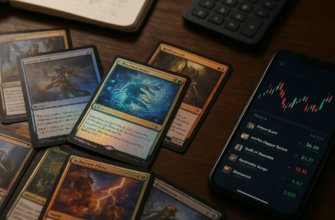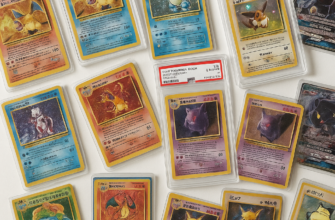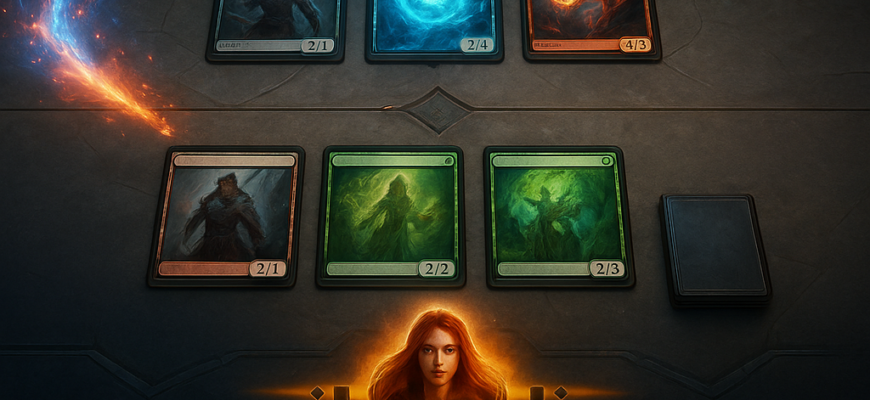
Magic: The Gathering Arena has transformed how millions of players experience the world’s most beloved trading card game, bringing the strategic depth and excitement of Magic directly to your digital devices. This comprehensive platform captures every nuance of the tabletop experience while adding modern conveniences like instant matchmaking, stunning visual effects, and seamless cross-platform play. Whether you’re a seasoned planeswalker returning to the multiverse or a newcomer curious about magic arena mtg, this digital gateway offers an unparalleled introduction to one of gaming’s most enduring franchises.
As we enter 2026, Magic Arena stands as the definitive way to play Magic competitively and casually online, hosting everything from kitchen table-style matches to high-stakes tournament qualifiers. The platform’s intuitive interface makes complex interactions accessible to beginners while maintaining the strategic complexity that has captivated players for over three decades. Our comprehensive mtg arena guide will walk you through every aspect of the digital experience, from your first login to mastering advanced competitive strategies.
You’ll discover how to build powerful decks, navigate the various game formats, optimize your collection management, and climb the competitive ladder while understanding the platform’s economy and monetization systems that make arena planeswalkers thrive in this digital realm.
- What is Magic: The Gathering Arena?
- Platform Overview and Core Features
- Arena vs Physical Magic
- System Requirements and Compatibility
- Getting Started with MTG Arena
- Account Creation and Tutorial
- Understanding the Interface
- Your First Decks and Cards
- Game Formats and Play Modes
- Standard and Historic Formats
- Limited Formats: Draft and Sealed
- Special Events and Rotating Modes
- Building and Managing Your Collection
- Pack Opening and Wildcards
- Crafting Strategy and Resource Management
- Collection Tracking and Organization
- Competitive Play and Ranking System
- Ranked Ladder and Seasons
- Arena Championship Series
- Pro Tour Qualification Paths
- Economy and Monetization
- Free-to-Play Progression
- Premium Currency and Purchases
- Battle Pass and Mastery System
- Advanced Strategies and Tips
- Deck Building Fundamentals
- Meta Analysis and Adaptation
- Performance Optimization
What is Magic: The Gathering Arena?
Magic: The Gathering Arena represents Wizards of the Coast’s premier digital adaptation of the world’s most popular trading card game. This free-to-play platform brings the strategic depth and excitement of Magic to your computer or mobile device, offering both newcomers and veteran planeswalkers an authentic digital Magic experience without the need for physical cards.
Launched in 2018, magic the gathering arena has quickly become the go-to platform for competitive digital Magic play. The game faithfully recreates the rules and mechanics of paper Magic while adding quality-of-life improvements like automated rules enforcement, stunning visual effects, and streamlined gameplay that makes matches flow smoothly.
Platform Overview and Core Features
Magic Arena operates on a robust free-to-play model that allows players to build competitive decks without spending money, though optional purchases can accelerate collection building. The game features multiple formats including Standard, Historic, Alchemy, and Limited events like Draft and Sealed.
Key features that define the magic arena mtg experience include:
- Real-time multiplayer matches with players worldwide
- Comprehensive tutorial system perfect for new players
- Daily quests and rewards that provide free cards and currency
- Ranked ladder system with seasonal rewards
- Special events featuring unique formats and prizes
- Full rules automation that handles complex interactions
The game’s economy centers around Gold (earned through play) and Gems (premium currency), which can be used to enter events, purchase booster packs, or unlock cosmetic upgrades. Arena planeswalkers can earn substantial rewards through consistent play, making it genuinely possible to build competitive decks without spending money.
Arena vs Physical Magic
While magic arena maintains the core gameplay of paper Magic, several key differences enhance the digital experience. The automated rules engine eliminates disputes and speeds up play, while the timer system ensures matches conclude within reasonable timeframes. Visual and audio effects bring spells and creatures to life in ways impossible with physical cards.
However, Arena focuses primarily on recent sets and rotating formats. Unlike paper Magic’s extensive card pool dating back to 1993, Arena’s collection includes sets from Ixalan forward, plus select reprints in digital-only sets. This streamlined approach keeps the meta fresh but means classic cards and eternal formats like Legacy aren’t available.
The social aspects also differ significantly. While Arena includes friend lists and direct challenges, it lacks the face-to-face interaction and local community building that defines many players’ paper Magic experiences. Arena excels at providing quick, competitive matches but can’t replicate the social atmosphere of local game stores.
System Requirements and Compatibility
Magic Arena runs on Windows PC, Mac, iOS, and Android devices, offering true cross-platform play with shared accounts across all platforms. The system requirements remain modest, making the game accessible to players with older hardware.
Minimum PC requirements include Windows 7 or later, 4GB RAM, and DirectX 11 support. Mac users need macOS 10.13 or newer. Mobile versions require iOS 11+ or Android 6.0+ with at least 3GB RAM for optimal performance. The game requires approximately 3-4GB of storage space across all platforms.
Cross-platform functionality means your collection, progress, and rank carry over seamlessly between devices. Whether you’re grinding ranked matches on PC or completing daily quests on your phone during commute, your mtg arena guide journey continues uninterrupted. The mobile versions feature touch-optimized interfaces while maintaining full gameplay functionality, ensuring the complete Arena experience regardless of your preferred platform.
Regular updates introduce new cards, features, and quality-of-life improvements, keeping the platform current with paper Magic releases and community feedback. This commitment to ongoing development has made Arena the definitive way to play Magic digitally.
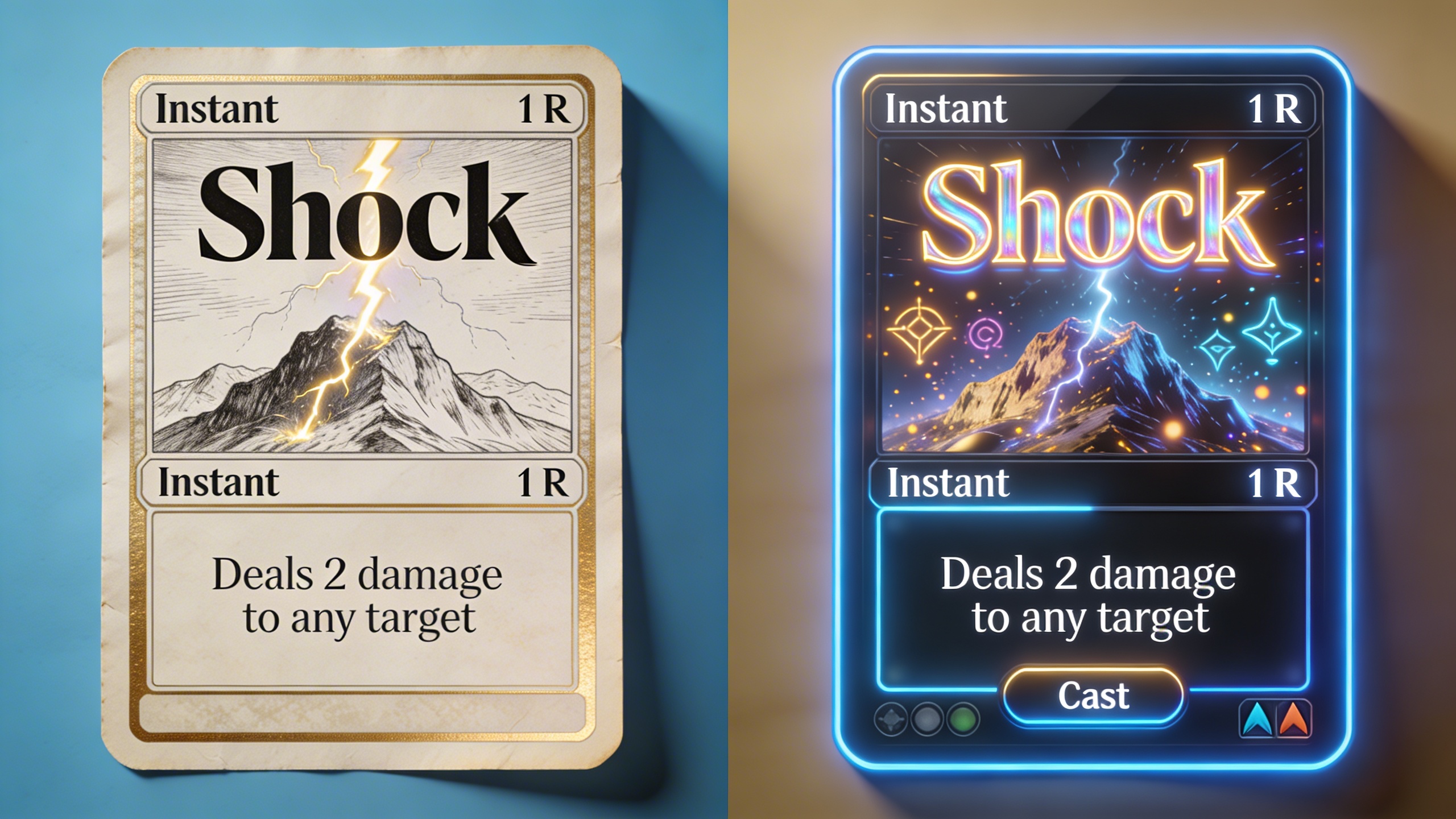
Getting Started with MTG Arena
Starting your journey in Magic: The Gathering Arena begins with a streamlined registration process designed to get new players into the game quickly. The platform welcomes both complete newcomers to Magic and veteran paper players looking to explore the digital realm.
Account Creation and Tutorial
Creating your magic arena account requires only a valid email address and password through the official Wizards of the Coast platform. Once registered, magic the gathering arena immediately launches into an interactive tutorial that covers fundamental gameplay mechanics. This comprehensive walkthrough introduces the five colors of mana, basic card types, and core combat rules through guided matches against AI opponents.
The tutorial cleverly uses simplified versions of iconic arena planeswalkers like Chandra and Jace to demonstrate different strategies. Each lesson builds upon the previous one, starting with creature combat and progressing through more complex interactions involving instants, sorceries, and planeswalker abilities. New players typically complete this introduction within 30-45 minutes, though you can revisit individual lessons anytime.
Understanding the Interface
The magic arena mtg interface prioritizes clarity and accessibility. The main battlefield displays your creatures, lands, and graveyard in clearly defined zones, while your hand appears at the bottom of the screen. The opponent’s board mirrors this layout at the top, creating an intuitive visual representation of the game state.
Key interface elements include the phase indicator showing the current turn step, life totals prominently displayed for both players, and a comprehensive card preview system. Hovering over any card reveals its full text and relevant oracle information. The settings menu allows customization of auto-tap preferences, stop settings for specific phases, and visual effects intensity.
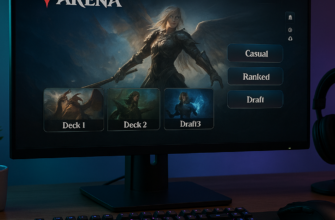
Navigation between different game modes occurs through the main menu, which clearly separates ranked play, casual matches, limited events, and the store. The collection tab provides powerful filtering tools to organize your cards by set, color, rarity, and format legality.
Your First Decks and Cards
Magic arena provides new players with a substantial starting collection including ten preconstructed decks representing different color combinations and strategies. These decks feature cards from recent Standard sets and include powerful rares like Goldspan Dragon and Teferi, Hero of Dominaria depending on current rotation.
The new player experience gradually unlocks these decks over your first several days of play, encouraging experimentation with different playstyles. Each deck comes with a brief strategy guide explaining its core gameplan and key interactions. This mtg arena guide approach helps players identify which colors and strategies resonate with their preferences.
Additionally, completing daily quests and weekly wins rewards you with gold, individual card rewards (ICRs), and booster packs. The mastery pass system provides additional progression rewards, though the free track offers substantial value for budget-conscious players. Within your first week, expect to accumulate enough resources to craft several rare wildcards and begin customizing your decks.
For players looking to optimize their collection management and track card values across both digital and physical formats, TCG Radar offers excellent tools for monitoring your Magic collection’s worth and identifying key cards to prioritize in your arena drafts and pack openings.
Game Formats and Play Modes
Magic: The Gathering Arena offers diverse gameplay experiences through multiple formats and play modes, each designed to challenge different aspects of your strategic thinking. Understanding these formats is crucial for maximizing your enjoyment and competitive success on the platform.
Standard and Historic Formats
Standard format forms the foundation of competitive Magic Arena play, featuring cards from the most recent two years of releases. This rotating format ensures a constantly evolving metagame where strategies shift with each new set release. Currently, Standard includes approximately 1,500-2,000 cards from the past eight sets, creating a focused but diverse card pool.
Historic format provides a non-rotating alternative that includes every card available in Magic: The Gathering Arena since its launch. This format appeals to players who want to use their entire collection without worrying about rotation. Historic’s deeper card pool allows for more powerful combos and established archetypes, making it ideal for players seeking high-powered gameplay.
Both formats offer ranked and casual play options. Ranked play uses a tier system from Bronze to Mythic, with monthly resets and seasonal rewards. The ranking system in magic arena mtg provides clear progression goals and matches players against similarly skilled opponents. Casual play removes ranking pressure while still offering daily win rewards and quest completion opportunities.
Limited Formats: Draft and Sealed
Limited formats level the playing field by having all participants build decks from the same card pool. Premier Draft represents the premium limited experience, where eight players draft from three booster packs each, picking one card at a time before passing the pack to the next player. This format costs 1,500 gems or 10,000 gold and offers substantial rewards based on your win record, with 7-win runs returning significant value.
Quick Draft provides a more accessible entry point at 750 gems or 5,000 gold, using AI drafters instead of human opponents. While the rewards are lower, this format allows unlimited time for pick decisions and serves as excellent practice for newer players learning draft fundamentals.
Sealed format gives players six booster packs to build a 40-card deck without the drafting process. This format emphasizes deck-building skills over draft strategy and typically costs 2,000 gems or 9,000 gold. Sealed events often feature the newest sets, providing early access to fresh cards and mechanics.
Successful draft strategy focuses on reading signals from other drafters, maintaining mana curve balance, and prioritizing removal spells and efficient creatures. The BREAD method (Bombs, Removal, Evasion, Aggro, Duds) provides a useful framework for card evaluation during drafts. When evaluating your drafted cards for collection value, tools like TCG Radar can help you understand the real-world worth of premium cards you’ve opened.
Special Events and Rotating Modes
Magic Arena regularly features special events that modify traditional gameplay rules or highlight specific themes. These events often coincide with set releases, holidays, or competitive tournaments. Popular recurring events include Singleton (highlander-style gameplay), Artisan (commons and uncommons only), and Pauper (commons only).
Arena planeswalkers often receive spotlight treatment in special events that build decks around specific characters or storylines. These themed events provide unique rewards including exclusive card styles, sleeves, and avatars unavailable through regular play.
Seasonal formats like Alchemy introduce digital-only mechanics and rebalanced cards, creating experiences impossible in paper Magic. Alchemy events typically run for several weeks and offer both competitive and casual variants with entry fees ranging from free to 2,500 gold.
Event rewards scale with performance, often featuring rare individual card rewards (ICRs), booster packs, gems, and cosmetic items. Many special events offer positive expected value for average players, making them excellent opportunities to expand your collection while experiencing unique gameplay variants.
The key to maximizing your mtg arena guide experience lies in diversifying your play across multiple formats. This approach prevents gameplay fatigue while developing different strategic skills and building a comprehensive collection for future formats and events.
Building and Managing Your Collection
Building a competitive collection in Magic: The Gathering Arena requires strategic planning and efficient resource management. Unlike physical Magic cards, Arena’s digital economy revolves around wildcards, packs, and careful allocation of premium currencies. Understanding these systems will accelerate your collection growth and help you build the decks you want to play.
Pack Opening and Wildcards
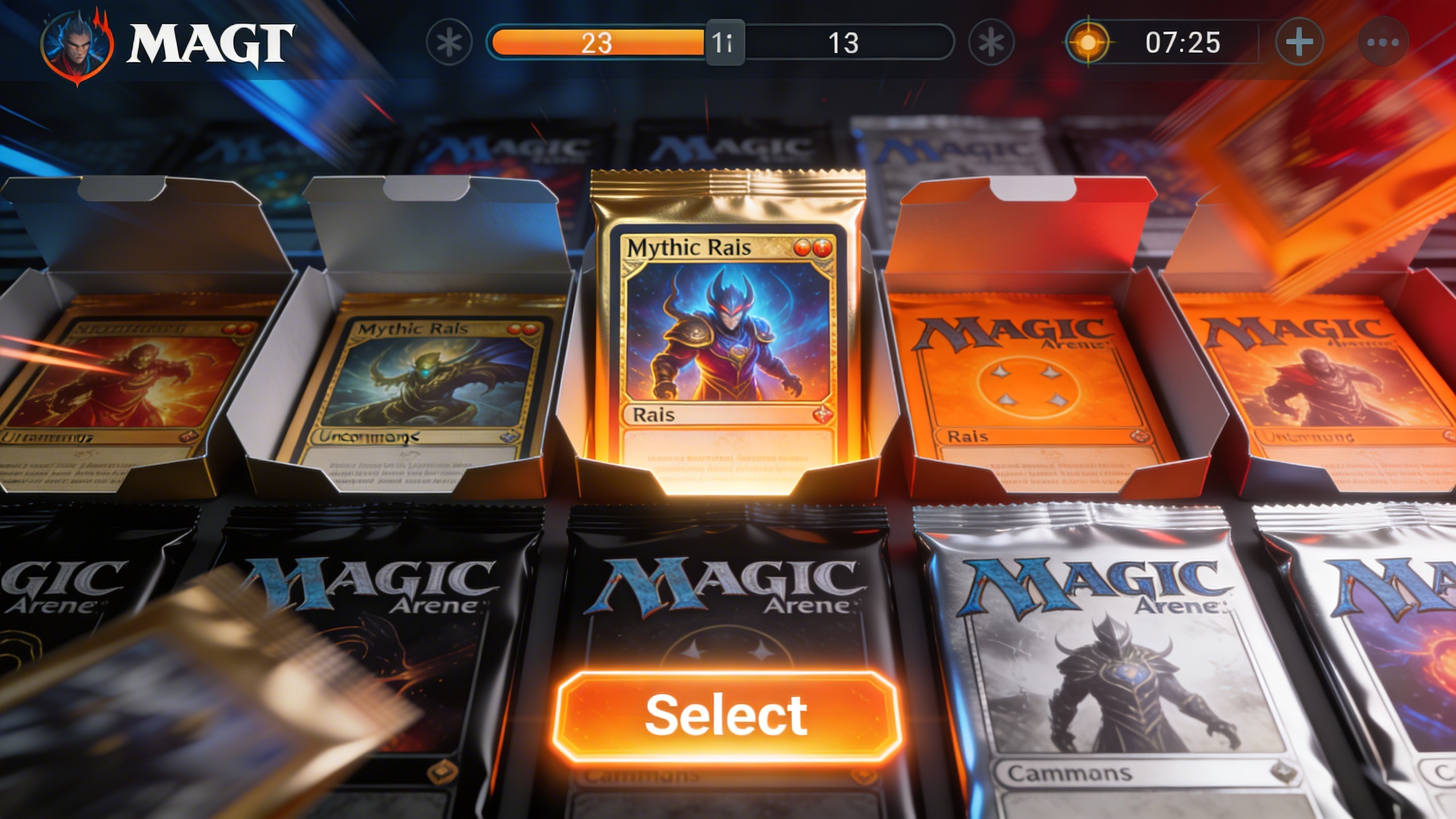
The wildcard system forms the backbone of collection building in magic the gathering arena. Each pack you open provides a small chance of containing wildcards, with guaranteed wildcard progress through the wildcard wheel. Common and uncommon wildcards drop frequently, while rare and mythic rare wildcards require more patience to accumulate.
Opening packs from the most recent Standard sets typically provides the best value for new players. Current sets like Wilds of Eldraine and The Lost Caverns of Ixalan contain cards you’ll use across multiple formats. Avoid opening older packs unless you’re specifically targeting cards from those sets, as they rotate out of Standard more quickly.
The duplicate protection system ensures you won’t receive fifth copies of rares or mythics you already own four copies of. This makes completing sets more efficient once you’ve collected most cards from a particular expansion. Focus your pack openings on one set at a time to maximize this protection benefit.
Crafting Strategy and Resource Management
Effective wildcard management separates successful magic arena mtg players from those who struggle with limited resources. Before crafting any card, research multiple competitive decks that use those cards. Versatile cards like Sheoldred, the Apocalypse or powerful planeswalkers appear in numerous deck archetypes, making them excellent wildcard investments.
Prioritize crafting lands first when building new decks. Rare dual lands enable consistent mana bases across multiple strategies, providing more long-term value than flashy creatures or spells. A complete mana base opens up significantly more deck-building options than individual powerful cards.
| Resource Priority | Best Use | Efficiency Rating |
|---|---|---|
| Rare Wildcards | Dual lands, versatile cards | High |
| Mythic Wildcards | Arena planeswalkers, win conditions | Medium |
| Gold | Current set packs, drafts | High |
| Gems | Mastery Pass, premium drafts | Variable |
Save mythic rare wildcards for true build-around cards and powerful arena planeswalkers that define strategies. Cards like Jace, the Mind Sculptor or Teferi, Hero of Dominaria have shaped entire formats and justify their mythic rarity cost.
Collection Tracking and Organization
Arena’s built-in collection interface provides basic filtering and search functionality, but serious players benefit from external tracking tools. The deck builder’s collection filter helps identify which cards you own and need for specific strategies. Use the “Not Collected” filter to see exactly which cards require wildcards for your target deck.
For comprehensive collection management that extends beyond magic arena, consider using TCG Radar to track your physical cards alongside your digital collection. This scanner app helps maintain a complete picture of your Magic investments across both formats.
Organize your deck collection using Arena’s folder system. Create folders for different formats (Standard, Historic, Explorer) and archetypes (Aggro, Control, Midrange). This organization becomes invaluable as your collection grows and you maintain multiple competitive decks.
Monitor your collection completion percentage for current Standard sets through the pack opening interface. Once you reach 80-90% completion for rares in a set, consider switching your pack openings to newer releases. The duplicate protection system makes those final cards expensive to acquire through random packs.
Regular collection audits help identify unused wildcards and guide future crafting decisions. This mtg arena guide approach ensures you’re always working toward specific deck goals rather than crafting cards impulsively. Set collection milestones and track your progress toward building tier-one competitive decks in your preferred formats.
Competitive Play and Ranking System
Magic: The Gathering Arena transforms casual card battles into serious competitive play through its sophisticated ranking system and professional tournament pathways. Whether you’re climbing the ranked ladder or pursuing championship glory, understanding Arena’s competitive structure is essential for any serious player looking to test their skills against the best in the digital realm.
Ranked Ladder and Seasons
The ranked ladder in magic the gathering arena operates on a monthly season structure with seven distinct tiers: Bronze, Silver, Gold, Platinum, Diamond, Mythic, and the prestigious Mythic Top 1200. Each tier from Bronze through Diamond contains four subdivisions, requiring players to earn two wins to advance and preventing rank loss within the same tier.
The real competition begins at Diamond rank, where losses can demote players back to lower subdivisions. Mythic rank represents the pinnacle of magic arena mtg competition, displaying numerical rankings for the top players globally. Reaching Mythic typically requires maintaining a 60-65% win rate through Diamond, making it a significant achievement that separates casual players from serious competitors.
Monthly rewards scale dramatically with rank advancement. Bronze players receive basic card packs, while Mythic finishers earn premium rewards including rare cards, gems, and exclusive cosmetics. The current season’s arena planeswalkers and special card styles are often locked behind higher rank achievements, incentivizing consistent competitive play.
Arena Championship Series
The Arena Championship represents magic arena’s premier competitive circuit, featuring quarterly championships with substantial prize pools exceeding $200,000 per event. Players qualify through multiple pathways, including Mythic rank finishes, Arena Open tournaments, and regional qualifiers.
The championship format typically features both Limited and Constructed portions, testing players across multiple skill sets. Recent championships have showcased formats like Standard, Historic, and Alchemy, with participants competing for both prize money and qualification points toward the Magic World Championship.
Arena Open events serve as crucial stepping stones, offering weekend tournaments with entry fees ranging from 2,500 gems to direct qualification tickets. These events regularly attract thousands of participants, with Day 2 advancement requiring strong performance against increasingly skilled opposition.
Pro Tour Qualification Paths
The modern Pro Tour qualification system integrates magic arena mtg results with paper Magic tournaments, creating multiple advancement routes for aspiring professionals. Arena Championship winners automatically qualify for the next Pro Tour, while consistent Mythic finishers accumulate qualification points throughout the competitive season.
Regional Championship Qualifiers (RCQs) now accept Arena results alongside local game store tournaments, expanding accessibility for digital-first players. The mtg arena guide to professional qualification emphasizes consistency over individual tournament success, rewarding players who maintain high-level performance across multiple months.
Professional players often recommend focusing on a single competitive format while maintaining familiarity with others. The current system rewards specialists who can achieve repeated Mythic finishes in their preferred format, whether Standard, Historic, or Limited environments.
Success in Arena’s competitive ecosystem requires dedication beyond casual play. Top players typically invest 4-6 hours daily in ranked matches, supplemented by extensive deck testing and meta analysis. The digital format’s rapid pace allows for significantly more practice games than paper Magic, making consistent improvement achievable for committed players willing to embrace the grind toward professional qualification.
Economy and Monetization
Understanding Magic: The Gathering Arena’s economy is crucial for maximizing your collection growth while managing your budget effectively. The game employs a dual-currency system designed to accommodate both free-to-play players and those willing to invest in their digital collection.
Free-to-Play Progression
Magic Arena provides generous daily rewards that form the backbone of free-to-play progression. Players earn 500-750 gold daily through four daily wins, plus an additional quest worth 500-750 gold. Weekly wins provide up to 250 gold and three individual card rewards for your first 15 victories. This system allows dedicated players to accumulate approximately 7,000-8,000 gold weekly without spending money.
The wildcard system represents Arena’s most player-friendly feature for collection building. Opening packs grants wildcard progress, with mythic rare wildcards appearing roughly every 30 packs and rare wildcards every 6 packs. Free players can realistically craft 2-3 competitive decks per set release by maximizing daily rewards and draft participation.
Premium Currency and Purchases
Gems serve as magic the gathering arena’s premium currency, purchasable with real money at rates ranging from $4.99 for 750 gems to $99.99 for 20,000 gems. The most cost-effective purchase is the $49.99 bundle providing 9,200 gems, offering approximately 15% better value than smaller denominations.
Smart spending strategies focus on high-value purchases. The welcome bundle ($4.99 for 2,500 gems) provides exceptional value for new players. Draft events offer the best gem-to-card ratio for skilled players, as winning 4+ games returns your entry fee while providing significant card rewards. Avoid purchasing individual packs with gems unless you need specific wildcards immediately.
For collection completion, the most efficient approach involves rare-drafting during set releases. This strategy maximizes rare acquisition while building gem reserves through competitive performance.
Battle Pass and Mastery System
Each set introduces a Mastery Pass costing 3,400 gems, functioning as magic arena mtg’s seasonal battle pass. The pass provides approximately 1,200 gems in value through cosmetics, plus 10+ booster packs, exclusive card styles, and arena planeswalkers unavailable elsewhere. Players reaching level 72+ typically break even on gem value while gaining substantial cosmetic content.
Free mastery tracks offer meaningful rewards including packs, gold, and card styles through level 80. Completing daily and weekly challenges efficiently progresses both free and premium tracks. The mastery system encourages consistent play while providing clear progression milestones.
Strategic mastery pass purchases depend on your play frequency and cosmetic preferences. Players averaging 4+ wins daily typically reach maximum level with weeks remaining in each season. However, purchasing early provides immediate booster packs that accelerate collection building for current formats.
This mtg arena guide’s economy section demonstrates how thoughtful resource management enables competitive play regardless of spending level. Whether pursuing free-to-play mastery or strategic premium purchases, understanding Arena’s monetization systems ensures optimal value from your time and investment in this comprehensive digital magic experience.
Advanced Strategies and Tips
Mastering magic the gathering arena requires more than just understanding the basic rules. Advanced players must develop sophisticated deck building skills, stay current with meta trends, and optimize their technical setup for competitive play. This comprehensive mtg arena guide covers the essential strategies that separate casual players from serious competitors.
Deck Building Fundamentals
Successful deck construction in magic arena begins with understanding mana curves and synergy patterns. Competitive decks typically feature 24-26 lands in 60-card formats, with most spells concentrated in the 2-4 mana range. Focus on building around powerful win conditions like Teferi, Hero of Dominaria or aggressive creatures that pressure opponents early.
When crafting your deck, prioritize consistency over flashy combinations. Include 4 copies of your most important cards and 3 copies of situational pieces. Arena planeswalkers often serve as both win conditions and value engines, making cards like Jace, the Mind Sculptor excellent investments for control strategies.
Consider your removal suite carefully. Efficient answers like Lightning Bolt or Path to Exile provide flexibility against diverse threats. Sideboard construction becomes crucial for best-of-three matches, where you can adapt to specific matchups with targeted hate cards or alternative win conditions.
Meta Analysis and Adaptation
Staying competitive in magic the gathering arena requires constant meta monitoring. Track tournament results from major events and analyze the most successful deck archetypes. Websites like MTGGoldfish and EDHRec provide valuable data on card popularity and deck performance across different formats.
Successful players adapt their strategies based on ladder trends. If aggressive red decks dominate your rank, include additional life gain or board wipes in your configuration. When control decks become prevalent, consider faster clock strategies or cards that generate card advantage like Wilderness Reclamation.
Meta shifts often occur following new set releases or major tournaments. Monitor professional streams and content creators who provide early insights into emerging strategies. This magic arena mtg approach helps you stay ahead of trends rather than reacting after they become established.
Performance Optimization
Technical optimization significantly impacts your competitive performance in magic arena. Ensure your system meets recommended specifications: 8GB RAM, DirectX 11 support, and a stable internet connection with low latency. Enable full-screen mode and disable unnecessary background applications to maximize frame rates during crucial decision points.
Configure your interface settings for optimal visibility. Increase text size for card details and enable auto-ordering for triggered abilities. These adjustments reduce misclicks and improve decision-making speed during complex board states.
For content creators and streamers, invest in quality recording software like OBS Studio and consider dual-monitor setups. This allows real-time interaction with viewers while maintaining focus on gameplay. Many successful streamers combine educational content with entertainment, explaining their decision-making process while demonstrating advanced techniques.
Join active community resources like Reddit’s r/MagicArena and Discord servers focused on competitive play. These platforms provide deck lists, meta discussions, and opportunities to practice with skilled opponents. Regular participation in community events and tournaments accelerates your improvement and helps build valuable networking connections within the magic the gathering arena ecosystem.
Frequently Asked Questions
Is Magic: The Gathering Arena free to play?
Yes, Magic: The Gathering Arena is completely free to download and play, with no upfront cost required. Players can earn cards, packs, and in-game currency through daily quests, weekly wins, and event participation. While the game offers optional gem purchases for faster collection building and cosmetic upgrades, all gameplay content can be accessed through regular play.
Can I play MTG Arena on mobile devices?
MTG Arena is available on PC (Windows), Mac, iOS, and Android devices, offering cross-platform play and account synchronization. Mobile versions require iOS 13.0+ or Android 6.0+ with at least 4GB RAM for optimal performance. The game automatically syncs your collection and progress across all platforms when logged into the same account.
How do wildcards work in MTG Arena?
Wildcards are special tokens that let you craft any card of the corresponding rarity (Common, Uncommon, Rare, or Mythic Rare) that you want to add to your collection. You earn wildcards by opening booster packs, advancing the Wildcard Track, or purchasing them directly with gems. Each wildcard can only be used once and is consumed when crafting a card.
What's the difference between Standard and Historic formats?
Standard format only allows cards from the most recent two years of Magic sets, creating a constantly rotating and balanced competitive environment. Historic format includes all cards ever released on Arena, offering more diverse deck-building options but potentially higher power levels. Standard is the primary competitive format for most tournaments, while Historic provides a more casual, eternal format experience.
How can I qualify for professional Magic tournaments through Arena?
Players can qualify for professional tournaments through the Arena Championship Series by reaching Mythic rank and performing well in monthly Qualifier events. Top performers in these qualifiers advance to Arena Championships, which offer invitations to the Pro Tour. Additionally, Arena hosts special qualifier events throughout the year that provide direct paths to premier competitive play.