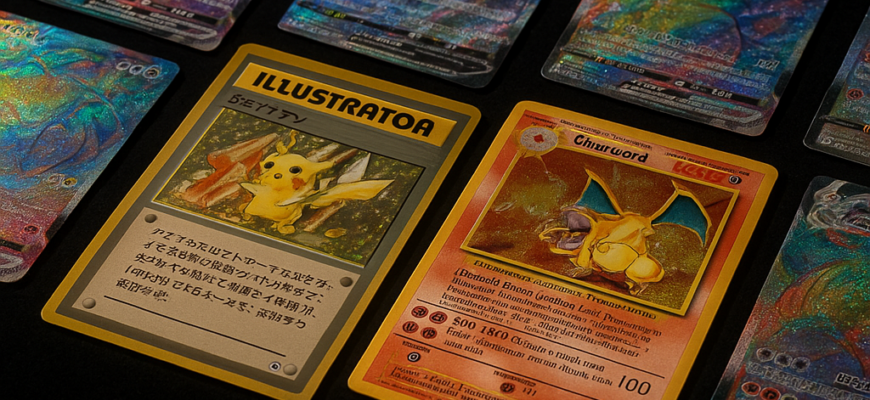
The Pokemon trading card game has evolved into one of the world’s most lucrative collectible markets, where rare pokemon cards routinely sell for hundreds of thousands of dollars at auction. What began as a simple children’s game in 1998 has transformed into a sophisticated investment landscape, with pristine condition cards from the original Base Set commanding prices that rival luxury automobiles. The most rare pokemon card ever sold—a PSA Grade 10 Pikachu Illustrator—fetched an astounding $5.275 million in 2022, cementing Pokemon’s position as the king of collectible card games.
Today’s collectors navigate an increasingly complex rarity system that extends far beyond the original holographic cards. From vintage Charizards that sparked the initial collecting craze to modern rainbow pokemon cards featuring stunning alternate artwork, the market offers opportunities for collectors at every level. Ultra rare pokemon cards now include everything from secret rare variants to promotional tournament prizes, each with distinct characteristics that affect their long-term value potential.
This comprehensive guide will equip you with the knowledge to identify, evaluate, and acquire the most coveted cards in the Pokemon universe, whether you’re hunting for the rarest pokemon card in the world or building a strategic collection for future appreciation.
- Understanding Pokemon Card Rarity Classifications
- Traditional Rarity Symbols and What They Mean
- Modern Ultra Rare Categories
- Special Promotional and Tournament Cards
- The Most Expensive Pokemon Cards Ever Sold
- Record-Breaking Auction Results
- Pikachu Illustrator and Other Holy Grails
- First Edition Base Set Charizard Variants
- Rainbow Pokemon Cards: The Modern Chase Cards
- What Makes Rainbow Cards Special
- Most Valuable Rainbow Pokemon Cards
- Finding Rainbow Cards in Current Sets
- Vintage vs Modern Rare Pokemon Cards
- Why Vintage Cards Command Premium Prices
- Modern Cards with Investment Potential
- Condition and Grading Impact on Value
- Best Pokemon Packs and Products for Rare Card Hunting
- Premium Products with Best Rare Card Odds
- Japanese vs English Pack Differences
- When to Buy Booster Boxes vs Individual Packs
- Where to Buy and Sell Rare Pokemon Cards Safely
- Trusted Online Marketplaces and Auction Sites
- Local Card Shops and Convention Buying
- Authentication and Avoiding Counterfeits
- Investment Strategy for Rare Pokemon Cards
- Cards with Long-Term Growth Potential
- Market Trends and Timing Your Purchases
- Proper Storage and Protection Methods
Understanding Pokemon Card Rarity Classifications
Pokemon card rarity determines both a card’s scarcity and its potential value in the collector’s market. Understanding these classifications is essential for anyone serious about collecting rare pokemon cards, as rarity directly influences pricing, demand, and long-term investment potential.
Traditional Rarity Symbols and What They Mean
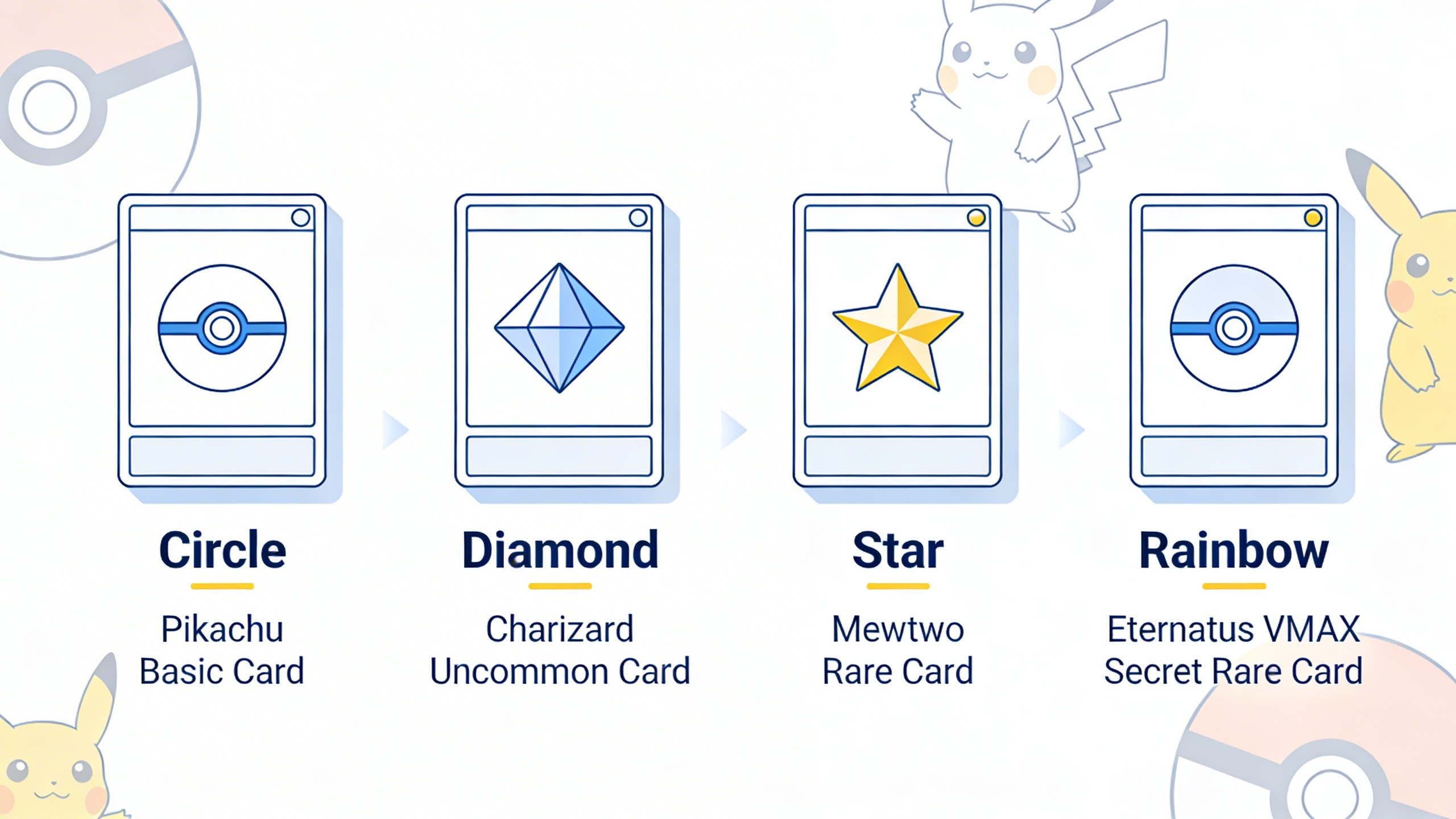
Every Pokemon card features a small symbol in the bottom right corner that indicates its rarity level. The circle symbol represents common cards, which appear frequently in booster packs and typically hold minimal value. Diamond symbols mark uncommon cards, which are moderately scarce and may have some collectible appeal depending on the specific card and set.
The star symbol identifies rare cards, which form the foundation of most valuable collections. These cards appear less frequently than commons and uncommons, with pull rates typically ranging from 1 in 3 to 1 in 4 booster packs. Holographic cards, marked with a star symbol and featuring a distinctive foil pattern across the artwork, represent the traditional premium tier that collectors have pursued since the game’s inception in 1996.
Holographic cards from classic sets like Base Set, Jungle, and Fossil remain highly sought after, with first edition versions commanding premium prices. A first edition Base Set Charizard, for example, can sell for thousands of dollars in mint condition, making it one of the most recognizable rare pokemon cards in the hobby.
Modern Ultra Rare Categories
The Pokemon Trading Card Game has evolved significantly since its early days, introducing multiple categories of ultra rare pokemon cards that exceed traditional rarity levels. Pokemon-EX cards, introduced in 2012, feature full-art designs and powerful gameplay mechanics. These were followed by Pokemon-GX cards, which combine stunning artwork with game-changing abilities.
Secret rare cards represent the pinnacle of modern Pokemon collecting, featuring card numbers that exceed the official set count. These cards often showcase alternate artwork, special foiling techniques, or unique design elements. Pull rates for secret rares typically range from 1 in 36 to 1 in 72 booster packs, depending on the specific set and card type.
Rainbow pokemon cards deserve special recognition as some of the most visually striking cards in modern sets. These cards feature a distinctive rainbow foil pattern that covers the entire card surface, creating an eye-catching prismatic effect. Rainbow rare versions of popular Pokemon like Charizard, Pikachu, and Lugia consistently rank among the most expensive cards in their respective sets.
Alternate art cards have gained tremendous popularity among collectors, featuring reimagined artwork of familiar Pokemon in new settings or styles. These cards often command higher prices than their standard counterparts due to their unique visual appeal and limited availability.
Special Promotional and Tournament Cards
Promotional cards occupy a unique position in Pokemon collecting, as they’re distributed outside of regular booster packs through special events, tournaments, or promotional campaigns. Tournament prize cards represent some of the rarest pokemon card in the world specimens, as they’re awarded exclusively to top performers at official Pokemon events.
Staff cards, given to tournament organizers and judges, are particularly scarce since they’re distributed in extremely limited quantities. The 1998 Pokemon Illustrator card, awarded to winners of a Japanese illustration contest, is widely considered the most rare pokemon card in existence, with auction prices exceeding $6 million for pristine examples.
Black Star Promo cards, identifiable by their distinctive numbering system, span decades of Pokemon history and include everything from movie tie-ins to retail promotions. Some promo cards, like the Southern Islands collection or certain anniversary releases, have become cornerstone pieces for serious collectors.
For collectors looking to identify and value these various rarity classifications, using a reliable card scanning tool like TCG Radar can provide instant identification and current market pricing for any Pokemon card, making it easier to assess the true rarity and value of potential acquisitions.
The Most Expensive Pokemon Cards Ever Sold
The Pokemon trading card market has witnessed astronomical price appreciation over the past decade, with certain rare pokemon cards achieving values that rival fine art and luxury collectibles. These record-breaking sales have fundamentally transformed how collectors and investors view Pokemon cards, elevating them from childhood toys to serious investment assets worth millions of dollars.
Record-Breaking Auction Results
The pinnacle of Pokemon card collecting was reached in February 2022 when a PSA Grade 10 Pikachu Illustrator sold for $5.275 million at Heritage Auctions, setting the all-time record for any Pokemon card sale. This transaction shattered previous records and demonstrated the incredible demand for ultra rare pokemon cards in pristine condition.
Prior to this historic sale, a PSA Grade 9 First Edition Base Set Charizard held the spotlight with a $369,000 sale in March 2022. The dramatic price difference between Grade 9 and Grade 10 examples illustrates the premium collectors place on perfect condition cards. Even more impressive was the $6 million private sale of another Pikachu Illustrator in 2021, though this transaction occurred outside public auction channels.
Other notable seven-figure sales include a PSA Grade 10 Trophy Pikachu Gold that reached $300,000 and various Charizard variants exceeding $100,000. These results have established a clear hierarchy among the most rare pokemon card specimens, with promotional tournament prizes and Japanese exclusives commanding the highest premiums.
Pikachu Illustrator and Other Holy Grails
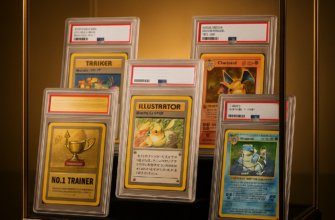
The Pikachu Illustrator (ポケモンイラストレーター) stands as the rarest pokemon card in the world, with fewer than 40 copies believed to exist. Originally awarded to winners of a 1997 Japanese illustration contest, this promotional card was never sold commercially, making each surviving example extraordinarily valuable.
Other Japanese promotional cards that achieve exceptional prices include the Trophy Pikachu series from early Pokemon tournaments. The Trophy Pikachu No. 3 Trainer, awarded to third-place finishers in the first official Pokemon tournament, regularly sells for $100,000+ in high grades. Similarly, the Trophy Pikachu No. 2 Trainer commands six-figure sums when graded PSA 10.
The Tropical Mega Battle No. 2 Trainer represents another holy grail, with only 20 copies distributed to 1998 tournament participants in Hawaii. Recent sales have reached $50,000-$80,000 for high-grade examples. These tournament prizes showcase how limited distribution and historical significance drive values for ultra rare pokemon cards.
When evaluating these premium cards, collectors often turn to professional scanning tools to verify authenticity and condition. TCG Radar provides instant identification and current market values, helping collectors navigate the complex landscape of rare Pokemon card authentication and pricing.
First Edition Base Set Charizard Variants
The First Edition Base Set Charizard remains the most recognizable expensive Pokemon card among mainstream collectors. PSA Grade 10 examples consistently sell between $200,000-$400,000, with shadowless variants commanding premium prices over unlimited editions.
Several distinct Charizard variants exist within the Base Set, each with different market values:
| Variant | PSA 10 Price Range | Notable Features |
|---|---|---|
| First Edition Shadowless | $200,000-$400,000 | No drop shadow, “Edition 1” stamp |
| Shadowless Unlimited | $25,000-$50,000 | No drop shadow, no edition stamp |
| Base Set Unlimited | $6,000-$12,000 | Drop shadow present |
The dramatic price differences reflect rarity and collector preference, with first edition shadowless examples representing the original print run. Rainbow pokemon cards and other modern ultra-rare variants have gained popularity, but none approach the historical significance and values of these classic Base Set specimens.
Understanding these market dynamics helps collectors identify which rare pokemon cards offer the best investment potential. The combination of nostalgic appeal, proven scarcity, and institutional collector interest ensures that top-tier Pokemon cards will likely continue appreciating in value over time.
Rainbow Pokemon Cards: The Modern Chase Cards
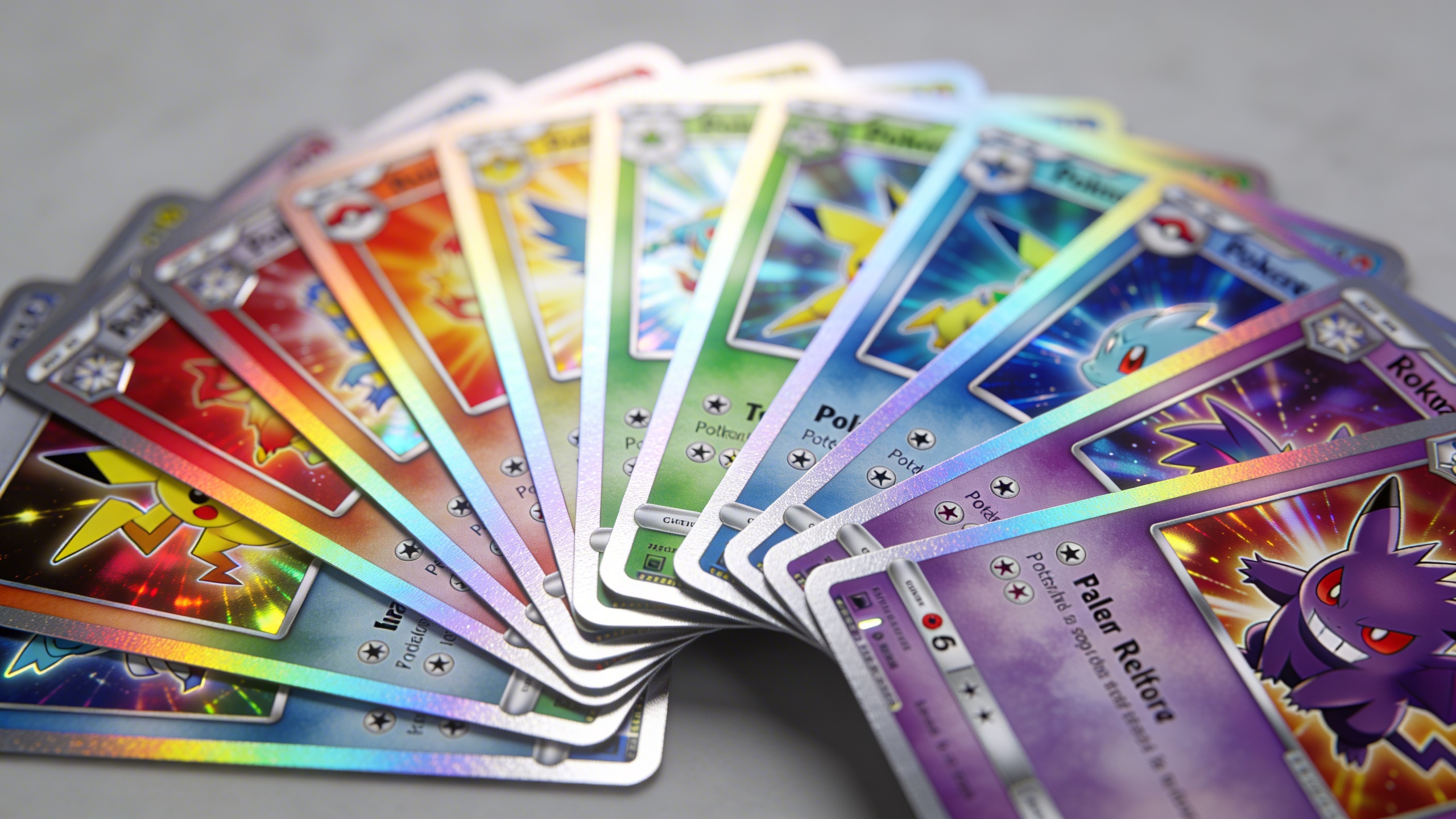
Rainbow Pokemon cards represent the pinnacle of modern Pokemon card collecting, combining stunning visual appeal with extreme scarcity. These ultra rare pokemon cards have become the holy grail for collectors worldwide, often commanding prices that rival vintage classics. Since their introduction in the Sun & Moon series, rainbow cards have redefined what it means to chase rare pokemon cards in contemporary sets.
What Makes Rainbow Cards Special
Rainbow rare cards utilize a revolutionary printing technique that creates a mesmerizing rainbow foil pattern across the entire card surface. Unlike traditional holofoil cards that feature selective holographic elements, rainbow cards showcase a full-card rainbow effect that shifts and shimmers under different lighting conditions. This distinctive aesthetic sets them apart from other ultra rare pokemon cards in any collection.
The appeal extends beyond visual impact. Rainbow cards typically feature the most powerful Pokemon in their respective sets, often representing legendary or mythical creatures with maximum HP and devastating attacks. Each rainbow card is essentially a premium alternate art version of an already powerful card, making them both competitively relevant and aesthetically stunning.
Pull rates for rainbow cards are notoriously low, typically ranging from 1 in 300 to 1 in 500 packs depending on the set. This extreme scarcity contributes significantly to their market value and collector desirability. When combined with their striking appearance, these odds make rainbow cards some of the most coveted rare pokemon cards in modern sets.
Most Valuable Rainbow Pokemon Cards
Several rainbow cards have achieved legendary status among collectors. Rainbow Rare Charizard VMAX from Champion’s Path commands prices between $400-800 in mint condition, making it one of the most valuable modern cards. The Rainbow Rare Pikachu VMAX from Vivid Voltage similarly trades for $300-600, depending on condition and market fluctuations.
Other notable high-value rainbow cards include Lugia VSTAR from Silver Tempest ($200-400), Umbreon VMAX from Evolving Skies ($250-500), and the elusive Rainbow Rare Rayquaza VMAX from Evolving Skies ($300-600). These prices reflect both the cards’ rarity and the enduring popularity of their featured Pokemon.
| Card Name | Set | Market Value (NM) | Pull Rate |
|---|---|---|---|
| Charizard VMAX Rainbow | Champion’s Path | $400-800 | ~1:300 |
| Pikachu VMAX Rainbow | Vivid Voltage | $300-600 | ~1:400 |
| Umbreon VMAX Rainbow | Evolving Skies | $250-500 | ~1:450 |
Finding Rainbow Cards in Current Sets
Rainbow cards appear exclusively in booster boxes and elite trainer boxes, never in theme decks or starter products. The most effective approach involves purchasing sealed booster boxes, which guarantee a certain number of ultra rare cards per box. Most modern sets include 1-2 rainbow cards per booster box on average.
For collectors tracking rainbow card values and market trends, using TCG Radar provides instant price verification and condition assessment. This scanning technology helps collectors identify valuable pulls immediately and track their collection’s worth over time.
Current sets like Paldea Evolved and Obsidian Flames continue featuring rainbow cards, though pull rates remain consistently challenging. Collectors should focus on popular Pokemon like starter evolutions, legendary creatures, and fan-favorite species for the best long-term value potential in the rainbow rare category.
Vintage vs Modern Rare Pokemon Cards
The Pokemon card market presents collectors with a fascinating dichotomy between vintage treasures and modern marvels. Understanding the fundamental differences between these eras helps collectors make informed decisions about which rare pokemon cards deserve their attention and investment dollars.
Why Vintage Cards Command Premium Prices
Vintage Pokemon cards from the Base Set through Neo Destiny (1998-2001) consistently outperform modern releases in terms of raw value appreciation. The nostalgia factor drives much of this premium, as adult collectors with disposable income seek to recapture childhood memories. Base Set Shadowless Charizard exemplifies this phenomenon, with PSA 10 examples selling for $350,000-$400,000 despite having significantly lower artwork complexity than today’s cards.
Limited print runs during Pokemon’s early years created genuine scarcity that modern sets cannot replicate. Wizards of the Coast printed far fewer cards than today’s massive production volumes, making high-grade vintage cards increasingly rare. The rarest pokemon card in the world, the 1998 Pikachu Illustrator, exists in fewer than 50 confirmed copies, contributing to its $6+ million auction prices.
Vintage cards also benefit from established market recognition. Collectors understand which cards hold long-term value, creating stable demand patterns that support consistent price growth over decades.
Modern Cards with Investment Potential
While vintage cards dominate headlines, certain modern releases show remarkable investment potential. Rainbow pokemon cards from recent sets represent the current chase cards, with Charizard VMAX Rainbow Rare from Champion’s Path maintaining $300-500 values despite being printed in 2020.
The Pokemon 25th Anniversary Classic Collection demonstrated that modern sets can produce instant classics. The Golden Mew card from this set reached $500-800 shortly after release, proving that ultra rare pokemon cards from contemporary sets can achieve significant premiums.
Japanese exclusive releases continue generating strong returns. Cards like Eevee Heroes Special Art Rares and Cosmic Eclipse Secret Rares show that modern Japanese sets often outperform their English counterparts in long-term value retention.
Current sets worth monitoring include Scarlet & Violet base, Pokemon 151, and any future anniversary collections. These releases combine nostalgia elements with modern card quality, creating the perfect storm for future appreciation.
Condition and Grading Impact on Value
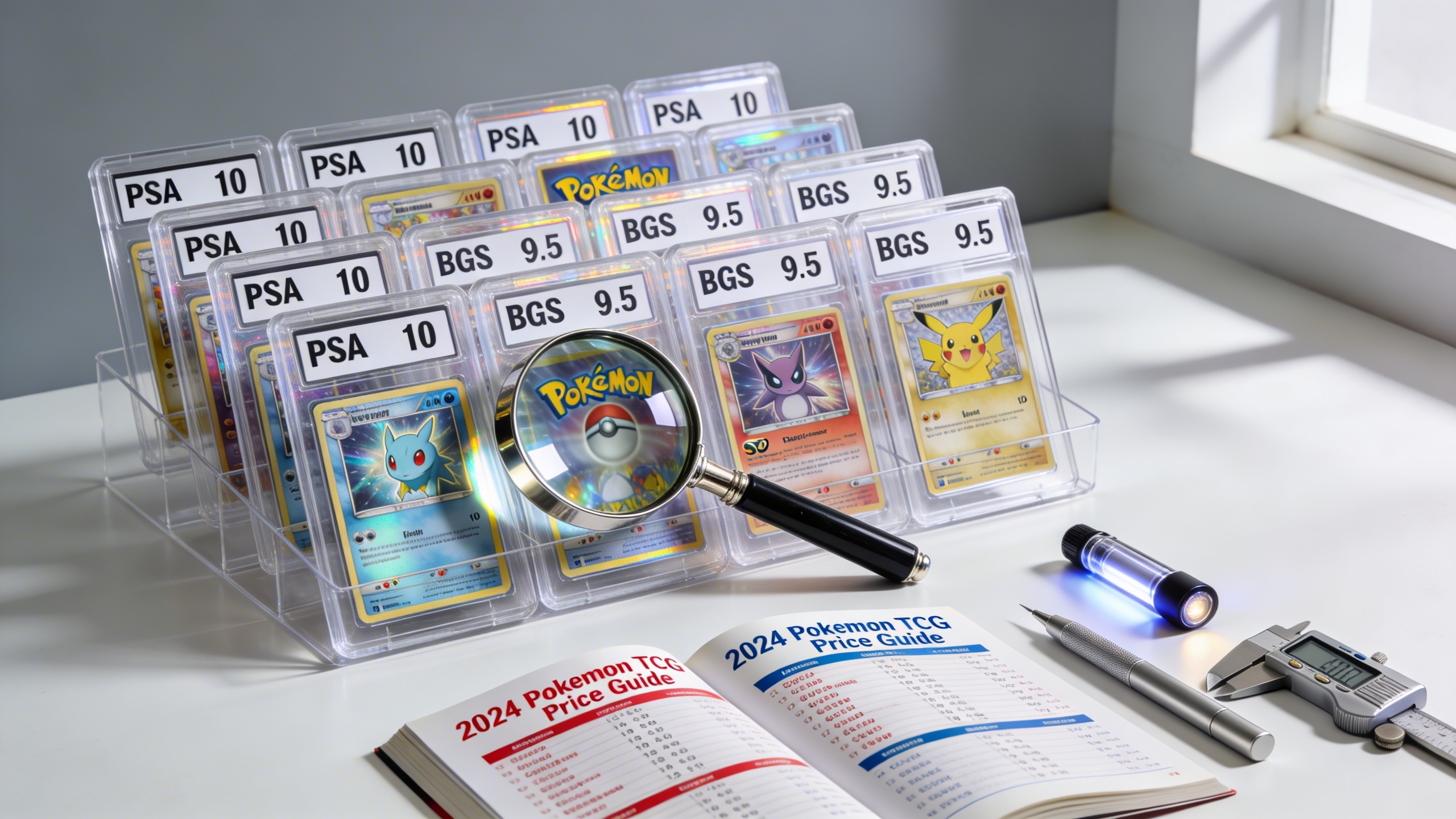
Professional grading dramatically affects both vintage and modern card values, though the impact varies significantly between eras. For vintage cards, the difference between ungraded and PSA 10 copies can exceed 10x the base price. A Near Mint Base Set Charizard might sell for $3,000-4,000, while a PSA 10 example commands $25,000-30,000.
PSA, BGS, and CGC represent the three major grading authorities, each with distinct advantages. PSA maintains the highest market premiums for vintage cards, while BGS often leads for modern releases due to their subgrades system. CGC offers faster turnaround times and competitive pricing, making them increasingly popular for newer cards.
Modern cards face different grading economics. Since print quality has improved dramatically, achieving high grades is more common, reducing the premium gap between grades. However, perfect 10s still command significant premiums, especially for popular characters and rainbow variants.
When evaluating cards for grading consideration, use tools like TCG Radar to check current market values and determine if grading costs justify potential returns. The app’s price tracking features help identify which cards benefit most from professional authentication.
Smart collectors focus on cards showing centering, corner, and surface perfection before submitting for grading. Even minor imperfections can result in grades that don’t justify the $50-100+ grading costs, making careful pre-screening essential for maximizing returns on both vintage treasures and modern chase cards.
Best Pokemon Packs and Products for Rare Card Hunting
Successfully hunting for rare pokemon cards requires strategic product selection and understanding which packs offer the best odds for your investment. Different Pokemon products provide varying pull rates and exclusive cards, making some significantly better choices than others for serious collectors seeking ultra rare pokemon cards.
Premium Products with Best Rare Card Odds
Elite Trainer Boxes consistently deliver superior value for rare card hunting, containing 8-10 booster packs plus premium accessories. Recent sets like Pokemon 151 and Scarlet & Violet base set ETBs offer guaranteed rare or better cards with improved pull rates compared to individual packs. Special premium collections such as Ultra Premium Collections provide even better odds, often including exclusive promos and guaranteed rainbow pokemon cards or alternate art cards.
Booster boxes represent the gold standard for serious hunters, containing 36 packs with case-guaranteed ratios. Modern sets typically guarantee 3-4 ultra rare cards per box, including potential rainbow rares, alternate arts, and secret rares. The most recent sets like Paldea Evolved and Obsidian Flames have shown consistent pull rates of approximately 1 rainbow rare per box, making them excellent investments for collectors targeting the most rare pokemon card variants.
Special sets like Pokemon Go, Crown Zenith, and holiday collections often feature unique card pools with exclusive artwork and higher rare densities. These limited-run products frequently contain cards that become highly sought after, with some achieving values comparable to vintage finds.
Japanese vs English Pack Differences
Japanese Pokemon products offer several advantages for rare card hunting. Japanese booster boxes contain only 20 packs but maintain similar ultra rare guarantees, effectively doubling your odds per pack. The card quality is notably superior, with sharper printing, better centering, and premium foil treatments that enhance long-term value.
Japanese exclusive cards often become the rarest pokemon card variants globally when they don’t receive English releases. Sets like High Class Pack collections and special promotional boxes feature unique artwork and alternate versions unavailable elsewhere. However, Japanese products typically cost 20-30% more than English equivalents, requiring careful consideration of your collecting goals.
Language barriers can complicate purchases, but the superior pull rates and exclusive content make Japanese products worthwhile for dedicated collectors. Many Japanese cards also grade better due to superior manufacturing standards, crucial when targeting PSA 10 specimens.
When to Buy Booster Boxes vs Individual Packs
Booster boxes provide the best value when hunting specific ultra rare pokemon cards, offering guaranteed ratios and eliminating the variance of random pack selection. Calculate approximately $4-5 per pack in boxes versus $4.50-6 for individual packs, making boxes 15-20% more cost-effective.
Individual packs work better for casual collecting or when targeting specific cards from multiple sets. They allow budget flexibility and prevent overcommitment to single sets. However, avoid loose packs from questionable sources, as pack weighing and searching can eliminate rare cards.
For serious collectors building valuable collections, TCG Radar provides essential market data to track card values and verify authenticity when evaluating potential purchases. The app’s comprehensive database helps identify which products offer the best return on investment for your rare card hunting strategy.
Pre-order timing significantly impacts costs, with early pre-orders often 10-15% cheaper than release prices. Monitor market trends and set popularity to optimize your purchasing strategy for maximum rare card acquisition.
Where to Buy and Sell Rare Pokemon Cards Safely
Finding legitimate sources for rare pokemon cards requires careful research and due diligence. The market for ultra rare pokemon cards has attracted both reputable dealers and unscrupulous sellers, making it essential to know where to shop safely. Whether you’re hunting for rainbow pokemon cards or seeking the most rare pokemon card for your collection, choosing the right marketplace can mean the difference between a successful purchase and a costly mistake.
Trusted Online Marketplaces and Auction Sites
eBay remains the largest marketplace for rare pokemon cards, hosting thousands of listings daily. Look for sellers with 99%+ feedback ratings and extensive selling history in trading cards. PWCC Marketplace has emerged as the premier auction house for high-end cards, specializing in graded specimens worth $1,000 and above. Their authentication process and buyer protection make them ideal for purchasing the rarest pokemon card in the world or other five-figure investments.
Heritage Auctions offers quarterly Pokemon card auctions featuring museum-quality pieces. Their detailed condition reports and provenance documentation provide confidence when bidding on vintage cards. For immediate purchases, TCGPlayer connects buyers with verified card shops nationwide, offering competitive pricing on both modern ultra rare pokemon cards and classic Base Set holos.
Before making significant purchases, use TCG Radar to scan and verify current market prices. This advanced card scanner app provides real-time pricing data from multiple marketplaces, ensuring you pay fair market value for your targeted cards.
Local Card Shops and Convention Buying
Building relationships with local game stores creates opportunities to acquire rare cards before they reach online markets. Many shops receive collections from longtime players and offer first access to regular customers. Convention dealers often bring their best inventory to major events like Gen Con or regional Pokemon tournaments, providing chances to inspect cards in person.
Local dealers typically offer more flexible pricing than online platforms, especially for bulk purchases or trade-ins. Establishing trust with shop owners can lead to notifications when exceptional pieces arrive, including rainbow pokemon cards from recent sets or vintage treasures from estate collections.
Authentication and Avoiding Counterfeits
Counterfeit rare pokemon cards have become increasingly sophisticated, making authentication crucial for valuable purchases. Genuine cards exhibit specific texture patterns, proper coloring, and precise cut quality. The card stock should feel substantial with a smooth finish, while fake cards often appear glossy or have incorrect thickness.
Professional grading through PSA or BGS provides the highest level of authentication for expensive cards. Graded cards command premium prices but eliminate authenticity concerns entirely. For raw cards, examine the font clarity on text, energy symbols alignment, and holographic patterns under direct light.
Red flags include prices significantly below market value, sellers with limited feedback, and cards with suspicious surface textures or colors. When purchasing ultra rare pokemon cards worth hundreds or thousands of dollars, request additional photos showing the card from multiple angles and under different lighting conditions. Always use payment methods offering buyer protection, and consider third-party authentication services for transactions exceeding $500.
Investment Strategy for Rare Pokemon Cards
Building a profitable rare pokemon cards portfolio requires strategic thinking beyond simply chasing the most expensive options. Smart collectors focus on identifying undervalued gems, understanding market cycles, and protecting their investments through proper storage methods.
Cards with Long-Term Growth Potential
The 1st Edition Base Set Shadowless cards remain the gold standard for long-term appreciation, but savvy investors look beyond the obvious choices. Japanese exclusive promos like the Pokemon Center Lady (SR) from SM12a show consistent 15-20% annual growth. Rainbow pokemon cards from recent sets, particularly alternate art trainers and legendary Pokemon, demonstrate strong upward trends as supply decreases post-rotation.
Ultra rare pokemon cards from the Black & White era present exceptional opportunities. Cards like Plasma Storm Charizard (#136) trade at fraction of their vintage counterparts while maintaining similar scarcity ratios. The key is identifying cards with iconic Pokemon, unique artwork, or tournament significance before mainstream recognition drives prices higher.
Modern Japanese sets often preview future English market trends 6-12 months early. Monitoring Japanese auction sites reveals which cards maintain premium pricing, indicating potential growth when English versions release. The most rare pokemon card investments combine nostalgia factor with genuine scarcity—look for error cards, staff promos, or regional exclusives with documented low print runs.
Market Trends and Timing Your Purchases
Pokemon card markets follow predictable cycles tied to set releases and competitive seasons. Prices typically peak during initial release hype, drop 30-40% within 3-6 months, then gradually recover as supply diminishes. The optimal buying window occurs 4-8 months post-release when panic selling subsides but before long-term collectors begin accumulating.
Economic factors significantly impact luxury collectibles. During market uncertainty, focus on blue-chip cards like PSA 10 Base Set holos that maintain value better than speculative modern cards. Use tools like TCG Radar to track real-time pricing trends and identify sudden market shifts that create buying opportunities.
Proper Storage and Protection Methods
Protection quality directly correlates with investment returns. Every card should immediately enter a penny sleeve, then a rigid toploader rated for the card’s thickness. For cards valued above $100, consider magnetic holders or PSA submission to maximize long-term appreciation potential.
Climate control prevents the most common value destroyers: humidity warping and temperature fluctuations causing print layer separation. Maintain 45-55% humidity and 65-70°F temperature in storage areas. Store toploaders vertically in card storage boxes, never horizontally stacked, to prevent corner damage from weight pressure.
Insurance becomes essential once collections exceed $5,000 in value. Document everything with high-resolution photos and maintain updated spreadsheets with purchase prices, current values, and condition notes. The rarest pokemon card in the world means nothing if poor storage destroys its condition and market value.
Frequently Asked Questions
What is the rarest Pokemon card in the world?
The Pikachu Illustrator card from 1998 is widely considered the rarest Pokemon card, with only 39-41 copies believed to exist and selling for over $5 million in pristine condition. Other extremely rare contenders include Trophy Pikachu cards from Pokemon tournaments and promotional cards like the No. 1 Trainer card, which were distributed in very limited quantities to contest winners and special events.
How much are rare Pokemon cards worth?
Rare Pokemon cards can range from hundreds of dollars to several million, depending on multiple factors including condition, rarity, age, and current market demand. Cards in mint condition from the Base Set era (1998-2000) typically command the highest prices, while modern rare cards usually fall in the hundreds to low thousands range. The most expensive sales include graded vintage cards and unique promotional items that can reach six or seven-figure prices at auction.
What Pokemon packs have the best chance of rare cards?
Japanese booster packs generally offer better rare card ratios than English packs, with premium products like booster boxes providing guaranteed rare pulls. Current sets with strong rare card odds include special collections, elite trainer boxes, and anniversary sets that feature increased pull rates for chase cards. Vintage packs from Base Set, Jungle, and Fossil offer valuable cards but at much higher pack prices due to their age and scarcity.
How can I tell if my Pokemon card is rare and valuable?
Check the rarity symbol in the bottom right corner of the card - stars, diamonds, and special symbols indicate rare cards, while circles represent common cards. Research your card's current market value using resources like PSA population reports, eBay sold listings, and price tracking websites like TCGPlayer or PWCC Marketplace. The card's set number, condition, and any special characteristics like first edition stamps or promotional markings significantly impact its value.
Are rainbow Pokemon cards worth collecting?
Rainbow rare cards are highly sought after by collectors due to their stunning visual appeal and limited pull rates, making them excellent long-term investments. Popular rainbow rares from sets like Hidden Fates, Evolving Skies, and Brilliant Stars have shown strong value retention and growth over time. The most valuable rainbow rares typically feature popular Pokemon like Charizard, Pikachu, or legendary Pokemon, with graded examples commanding premium prices in the secondary market.