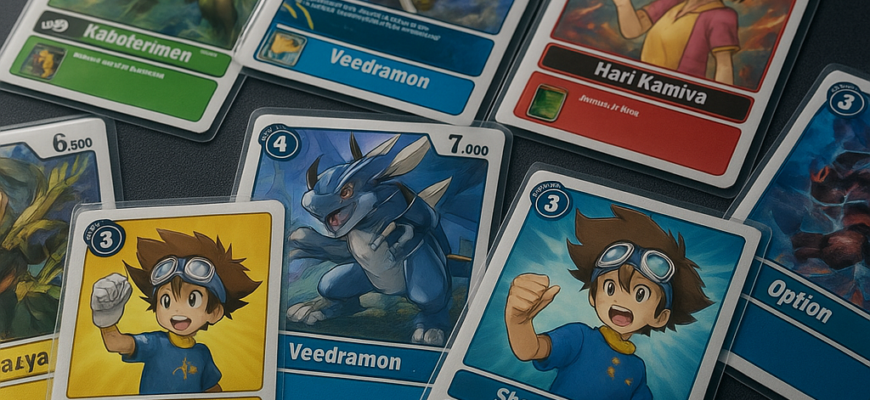
Welcome to the captivating world of the Digimon Trading Card Game, where digital monsters come to life through strategic gameplay and stunning artwork. Since its triumphant revival in 2020, the digimon tcg has experienced explosive growth, attracting both nostalgic fans of the beloved anime series and newcomers drawn to its unique mechanics and competitive depth. Unlike other trading card games, the digimon trading card game offers a fresh take on evolution-based gameplay, where players guide their digital companions through various stages of growth while battling opponents in fast-paced duels.
Whether you’re a complete newcomer curious about digimon cards or a seasoned TCG player looking to explore a new game system, this comprehensive guide will transform you from a beginner into a confident duelist ready to enter the digital world. We’ll walk you through everything from understanding basic card types and core mechanics to building competitive decks and mastering advanced strategies. By the end of this journey, you’ll have all the knowledge needed to start your adventure in the digimon tcg game, complete with insights into where to find the best cards and how to navigate the competitive scene that’s shaping the meta in 2026.
- What is the Digimon Trading Card Game?
- History and Evolution of Digimon TCG
- How Digimon TCG Differs from Other Card Games
- The Digital World Meets Strategic Gameplay
- Understanding Digimon TCG Card Types and Mechanics
- Digimon Cards and Digivolution Lines
- Tamer Cards and Option Cards
- The Memory Gauge System Explained
- How to Play Digimon TCG: Rules and Gameplay
- Game Setup and Turn Structure
- Combat and Security Checks
- Win Conditions and Game Flow
- Building Your First Digimon TCG Deck
- Choosing Your Colors and Strategy
- Essential Cards for New Players
- Budget Deck Building Tips
- Popular Digimon TCG Formats and Competitive Play
- Standard Format and Tournament Rules
- Limited Formats and Draft Play
- Online Play and Digital Platforms
- Where to Buy Digimon TCG Cards and Products
- Official Retailers and Local Game Stores
- Online Marketplaces and TCGPlayer
- Booster Boxes vs Singles Strategy
- Advanced Strategies and Meta Analysis for 2026
- Current Top Tier Decks and Archetypes
- Sideboarding and Tournament Preparation
- Future of Digimon TCG
What is the Digimon Trading Card Game?
The Digimon Trading Card Game brings the beloved digital monsters from the 1990s anime and manga into a strategic card battle format that has captivated players worldwide. Originally launched in Japan in 1999 alongside the anime’s popularity, the digimon tcg has undergone significant evolution to become one of the most innovative trading card games available today.
Unlike traditional card games that rely on mana or energy systems, the digimon trading card game introduces unique mechanics that mirror the digital evolution process from the source material. Players command teams of digital monsters, guiding them through digivolution chains while managing a revolutionary memory gauge system that adds tactical depth to every turn.
History and Evolution of Digimon TCG
The original Digimon card game debuted during the height of the franchise’s popularity, running from 1999 to 2006 in Japan. However, the modern iteration that players know today launched globally in 2020 with completely redesigned mechanics and stunning artwork. This relaunch, officially called Digimon Card Game, was developed by Bandai with input from the original anime creators to ensure authentic representation of the digital world.
The 2020 reboot introduced the memory gauge system and streamlined digivolution mechanics that have made the current digimon tcg game accessible to newcomers while maintaining strategic depth for competitive players. Since its relaunch, the game has released over 15 booster sets, with popular releases like BT01 New Evolution and BT05 Battle of Omni commanding significant attention from collectors and players alike.
How Digimon TCG Differs from Other Card Games
The digimon trading card game stands apart from Pokemon and Magic: The Gathering through several innovative mechanics. The most distinctive feature is the digivolution system, where players stack digimon cards on top of each other to create more powerful creatures. Each digivolved Digimon retains inherited effects from cards beneath it, creating complex strategic interactions unavailable in other TCGs.
The memory gauge replaces traditional turn structures found in other card games. Players share a memory counter that moves between 0 and 10, with actions consuming memory points. When a player’s actions push the gauge past their opponent’s side, the turn ends immediately. This creates dynamic gameplay where efficient memory management becomes as crucial as card selection.
Security checks add another unique element absent from Pokemon or MTG. When attacking an opponent’s security area (similar to life points), players reveal cards that may have immediate effects, creating unexpected reversals and comebacks. Popular security effects like those found on Omnimon or Security Attack +1 cards can completely shift game momentum.
The Digital World Meets Strategic Gameplay
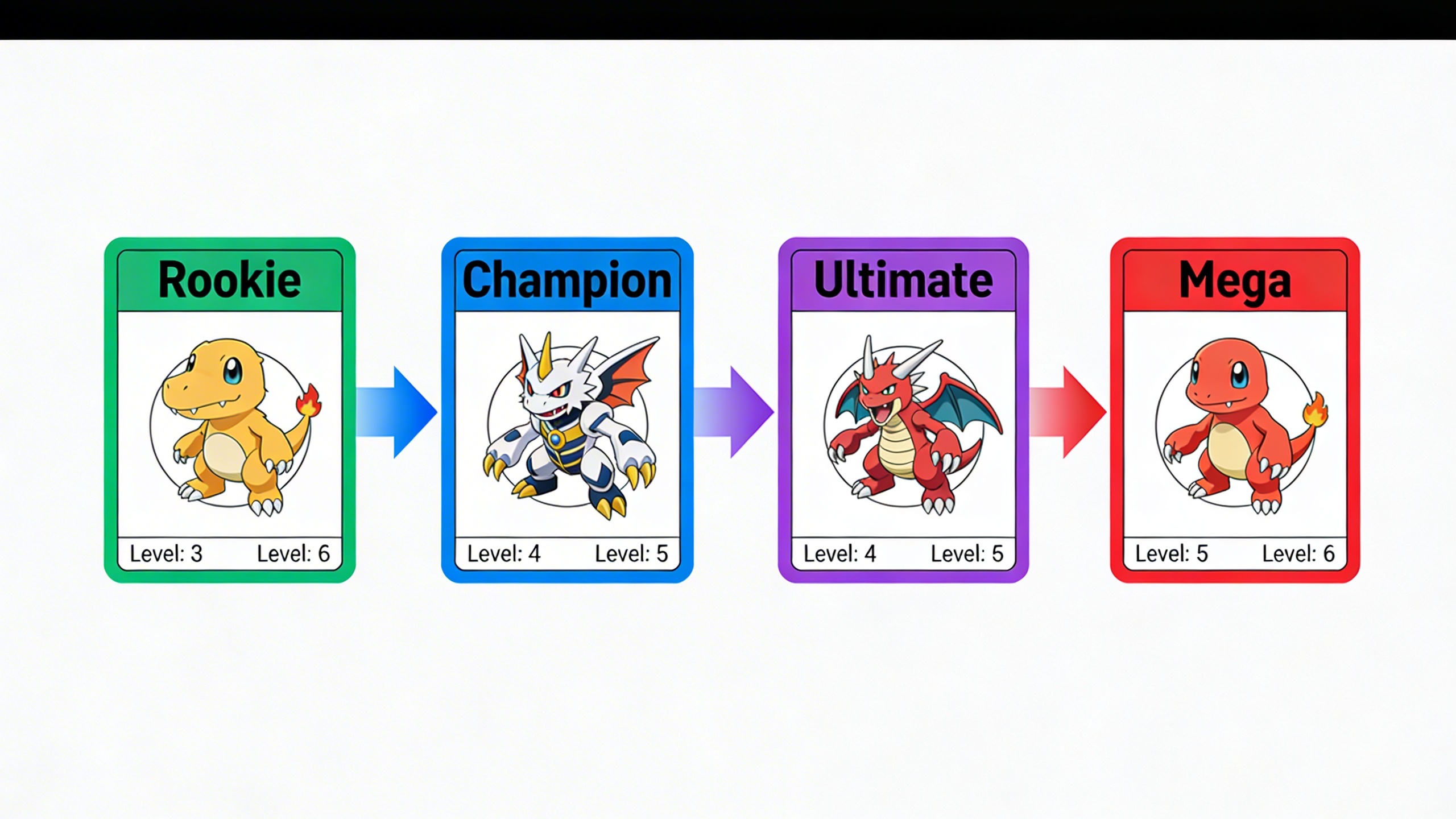
The digimon tcg successfully translates the digital evolution concept into meaningful gameplay mechanics. Players begin with rookie-level Digimon like Agumon or Gabumon, then digivolve them through champion, ultimate, and mega levels. Each evolution stage requires specific digivolution costs and color requirements, mirroring the natural progression seen in the anime.
Color identity plays a crucial role, with red focusing on aggressive strategies, blue emphasizing control and card draw, yellow providing recovery and defensive options, green offering ramp and large creatures, black utilizing deletion effects, and purple specializing in graveyard manipulation. Players can build mono-color decks or experiment with multi-color strategies for increased versatility.
For players interested in tracking digimon cards values and building collections, digital tools have become essential. TCG Radar offers the fastest and most accurate card scanning capabilities, allowing collectors to instantly identify cards and check current market prices from platforms like digimon tcgplayer listings.
The game’s accessibility combined with its strategic depth has attracted both casual fans of the franchise and competitive TCG players seeking fresh mechanics. With organized play events regularly held worldwide and an active online community, the Digimon Trading Card Game continues expanding its player base while honoring its digital monster origins.
Understanding Digimon TCG Card Types and Mechanics
The Digimon TCG features three primary card types that work together to create dynamic gameplay experiences. Unlike many other trading card games, the digimon tcg emphasizes evolutionary progression and resource management through its unique memory system. Understanding how these card types interact is essential for building competitive decks and mastering the game’s strategic depth.
Digimon Cards and Digivolution Lines
Digimon cards form the backbone of every deck and follow the classic digital monster evolution pattern from the anime and video games. Each Digimon belongs to one of six levels: Digitama (Digi-Egg), Rookie, Champion, Ultimate, Mega, and the rare Ultra level introduced in later sets.
The evolution chain typically progresses from Rookie level cards like Agumon (BT1-010) to Champion forms such as Greymon (BT1-016), then to Ultimate level WarGreymon (BT1-018), and finally to Mega powerhouses like Omnimon (BT1-084). Each evolution step requires paying the digivolution cost printed in the upper left corner of the target card, which is always lower than the play cost needed to summon that Digimon directly to the field.
Play costs range from 3 memory for most Rookie level Digimon to 12+ memory for powerful Mega forms. Digivolution costs typically run 2-4 memory, making evolution the most efficient path to field strong creatures. When digivolving, the new Digimon retains all inherited effects from cards beneath it, creating powerful synergies within evolution lines.
Security Attack values determine how many security cards each Digimon removes when attacking, while DP (Digimon Power) represents battle strength. Most Rookie level cards have 3000-4000 DP, while Mega forms often exceed 11000 DP. The digimon trading card game rewards players who build cohesive evolution strategies rather than relying solely on individual card power.
Tamer Cards and Option Cards
Tamer cards represent the human partners who support their Digimon throughout battles. These cards typically cost 3-4 memory to play and provide ongoing effects that enhance your strategy. Popular examples include Tai Kamiya (BT1-085), who reduces digivolution costs, and Matt Ishida (BT1-087), who provides additional memory when specific conditions are met.
Most Tamers have both a Main Phase effect that activates when played and an ongoing ability that remains active while the Tamer is in play. The timing of Tamer deployment often determines game outcomes, as their effects can enable crucial plays or provide essential resource acceleration. Advanced players frequently hold Tamers until they can maximize their immediate impact.
Option cards function as instant spells that provide immediate effects before going to the trash pile. These cards range from simple removal spells like Gaia Force (BT1-094) to complex combo enablers that manipulate memory or search for specific cards. Option cards typically cost 2-8 memory and can be played during your Main Phase or, in some cases, during your opponent’s turn if they have specific timing restrictions.
The key to effective Option card usage lies in understanding when their effects provide maximum value. Cards like Hammer Spark (BT1-093) excel at clearing low-DP threats, while higher-cost options like Final Zubagon Punch (BT6-096) can eliminate even the strongest Mega level threats.
The Memory Gauge System Explained
The memory gauge represents the most innovative aspect of digimon tcg game design. This shared resource starts at zero and shifts between players based on their actions. When you play cards, their memory cost moves the gauge toward your opponent’s side. Once it reaches +1 or higher on your opponent’s side, your turn immediately ends and they begin their turn with that amount of memory.
Effective memory management separates skilled players from beginners. Experienced players plan their turns to use exactly the right amount of memory, often ending with the gauge at 0 or +1 to minimize their opponent’s resources. This creates intense strategic decisions about whether to play additional cards or pass the turn with fewer resources used.
Some cards provide memory manipulation effects, allowing players to gain additional memory during their turn or reduce costs through various conditions. Cards like Memory Boost (BT1-092) can provide crucial additional resources for game-winning plays.
For players looking to track card values and optimize their collections, TCG Radar offers the most accurate price scanning for digimon cards across all major platforms including digimon tcgplayer listings, helping you make informed decisions about which cards to acquire for your evolving strategies.
How to Play Digimon TCG: Rules and Gameplay
The digimon tcg offers a unique gameplay experience that combines strategic deck building with dynamic evolution mechanics. Unlike traditional trading card games, the digimon trading card game emphasizes raising your digital monsters through evolution while managing multiple win conditions simultaneously.
Game Setup and Turn Structure
Each player begins with a 50-card deck constructed following specific rules: no more than 4 copies of any single card, and your deck must contain exactly 5 Digi-Eggs that form your Security Stack. During setup, place your 5 Digi-Eggs face-down as your Security Stack, shuffle your remaining 45 cards as your deck, and draw 5 cards for your opening hand.
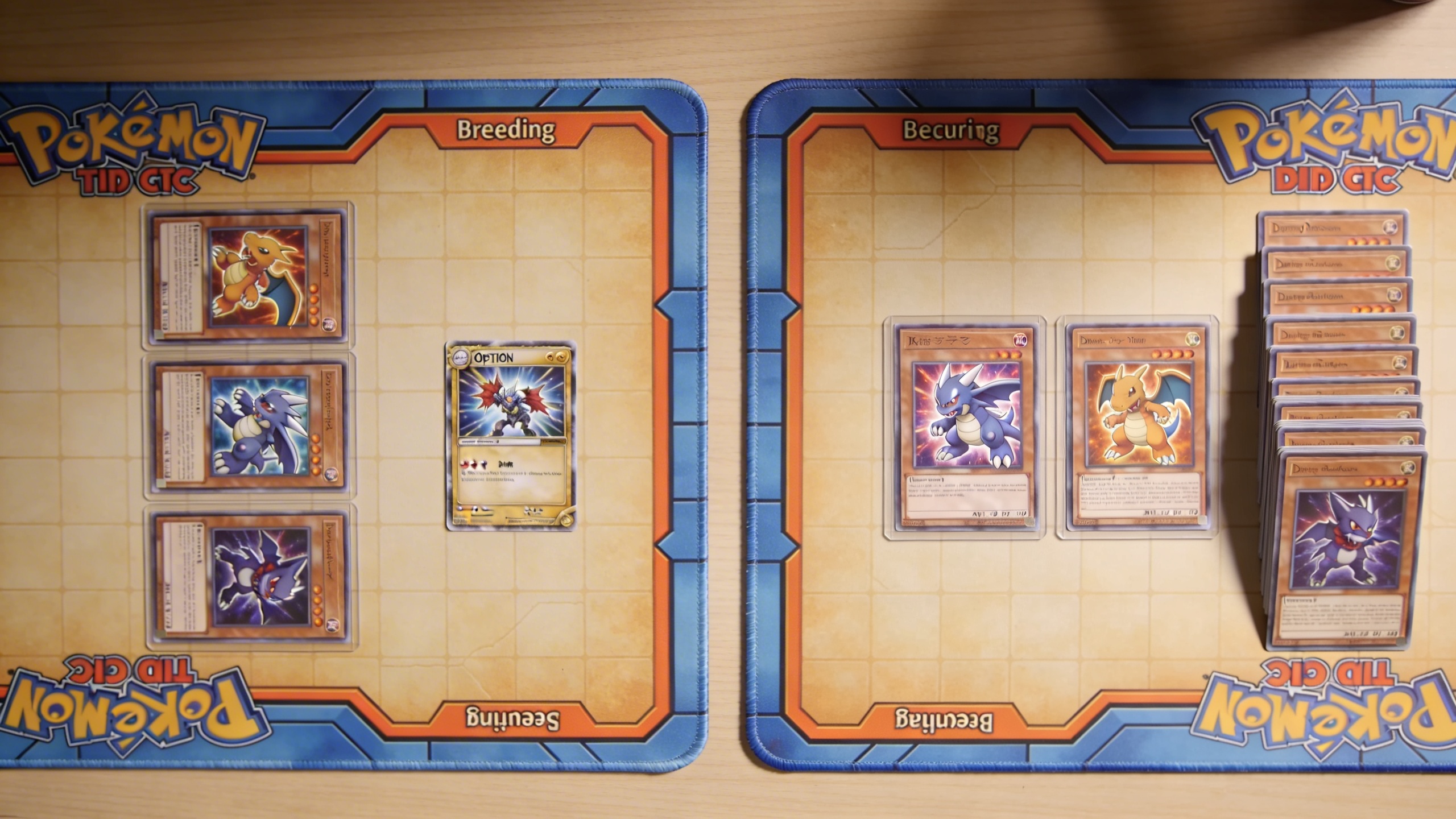
The turn structure in digimon tcg follows a clear sequence. During your Unsuspend Phase, refresh all your suspended (tapped) cards. In the Draw Phase, draw one card from your deck. The Breeding Phase allows you to place a Level 3 Digimon from your hand into the Breeding Area, where it can evolve safely. The Main Phase is where most actions occur: you can play Option cards, move Digimon from the Breeding Area to the Battle Area, evolve existing Digimon, and declare attacks.
Memory management creates the game’s core tension. Both players share a Memory Gauge that starts at 0, and playing cards costs Memory points. When your actions push the gauge to your opponent’s side (3 or higher), your turn immediately ends. This system ensures games maintain a steady pace while rewarding efficient play.
Combat and Security Checks
Combat in the digimon trading card game revolves around attacking either your opponent’s Digimon or their Security Stack. When declaring an attack, suspend your attacking Digimon and choose a valid target. Your opponent can then block with an unsuspended Digimon if the attack targets them directly.
The Security Check system makes every attack meaningful. When attacking your opponent’s Security Stack, you perform a Security Check by revealing the top card. If it’s a Digimon with a Security Effect (indicated by a red border), that effect activates immediately, potentially destroying your attacking Digimon or triggering other powerful abilities. Cards like Omnimon (BT1-084) have devastating Security Effects that can completely shift the game state.
Battle calculations use a straightforward DP (Digimon Power) comparison system. When two Digimon battle, compare their DP values. The Digimon with lower DP is destroyed, while equal DP results in both being destroyed. However, many digimon cards feature abilities that modify these calculations, such as Piercing (excess damage carries over to Security) or Security Attack +1 (perform additional Security Checks).
Experienced players often use apps like TCG Radar to quickly verify card effects and DP values during matches, ensuring accurate gameplay and helping newer players learn card interactions faster.
Win Conditions and Game Flow
The digimon tcg game features three distinct win conditions, creating multiple strategic paths to victory. The most common win condition involves reducing your opponent’s Security Stack to zero, then successfully attacking them directly with no remaining Security cards to check.
Alternatively, you win if your opponent cannot draw a card when required, either because their deck is empty or they’re forced to draw more cards than remain. This “deck out” victory becomes relevant in longer games or when facing mill strategies using cards like Millenniummon (BT2-083).
The third win condition occurs when your opponent has no Digimon in their Battle Area during their turn’s end, and they cannot play or move any Digimon there. This rarely happens but can result from aggressive removal strategies.
Game flow typically follows predictable phases. Early turns focus on establishing Digimon in the Breeding Area and playing low-cost support cards. The mid-game emphasizes evolution chains and initial attacks on Security Stacks. Late-game scenarios often feature powerful Ultimate and Mega level Digimon with game-ending abilities.
Resource management remains crucial throughout. Your hand size, Memory efficiency, and Security Stack all require careful attention. Many games are decided by players who effectively balance aggression with defense, knowing when to attack Security and when to target opposing Digimon.
Understanding these core mechanics provides the foundation for enjoying digimon tcgplayer experiences, whether playing casually with friends or competing in organized tournaments. The game’s unique evolution system and multiple win conditions create engaging matches where comebacks remain possible until the final turn.

Building Your First Digimon TCG Deck
Constructing your first competitive deck in the digimon tcg represents an exciting milestone in your journey as a Digital Monster trainer. Unlike other trading card games, the Digimon trading card game offers unique strategic depth through its color system and Digivolution mechanics, making deck building both rewarding and accessible for newcomers.
Choosing Your Colors and Strategy
The foundation of any successful digimon tcg deck begins with selecting your primary colors. Each color brings distinct advantages: Red excels at aggressive strategies with cards like Greymon (BT1-014) and direct damage effects, while Blue focuses on control through memory manipulation and card draw. Yellow provides defensive options and security recovery, making it ideal for slower, methodical gameplay.
Most competitive decks utilize two to three colors maximum to maintain consistency. Popular combinations include Red/Yellow for balanced aggression and defense, or Blue/Black for control-heavy strategies. The Omnimon archetype exemplifies successful dual-color synergy, requiring both Red and Blue Digimon to achieve its powerful fusion effects.
New players should consider mono-color decks initially, as they offer simpler resource management and clearer strategic focus. Red aggressive decks consistently perform well in local tournaments, with straightforward win conditions that help beginners understand fundamental game mechanics.
Essential Cards for New Players
Every digimon tcg game requires certain staple cards regardless of your chosen strategy. Memory Boost cards like “Memory Boost!” (ST1-15) provide crucial tempo advantages, while Rookie-level Digimon such as Koromon (BT1-001) and Tsunomon (BT1-002) form the backbone of your Digivolution chains.
Champion-level powerhouses deserve special attention in your initial builds. Greymon variants offer consistent pressure, while Garurumon (BT1-029) provides excellent value through its inherited effects. For defensive strategies, MetalGreymon (BT1-055) delivers both offensive capability and board presence.
Option cards significantly impact game flow, making selections like “Gaia Force” (BT1-106) and “Howling Crusher” (BT1-109) essential inclusions. These removal tools handle problematic opposing Digimon while advancing your board state. Security effects on cards like “Lightning Joust” (BT1-107) provide additional value when drawn during security checks.
Budget Deck Building Tips
Building competitive digimon cards collections doesn’t require massive financial investment. Starter decks provide excellent foundations, with the Gaia Red Starter Deck offering particularly strong value at approximately $12-15. These pre-constructed decks include playable cards that remain relevant in competitive environments.
Focus your initial purchases on playsets (four copies) of common and uncommon staples rather than expensive Secret Rare alternatives. Many tournament-winning decks utilize primarily common cards, with strategic upgrades added over time. Cards like Rookie-level Digimon rarely exceed $2-3 each, making complete playsets affordable for most budgets.
When tracking card values and building your collection efficiently, consider using TCG Radar to quickly scan and identify digimon cards you encounter at local shops or trades. This helps ensure you’re getting fair prices and can spot valuable cards you might otherwise overlook.
Maintain proper deck ratios for optimal consistency: 50-54 total cards with 8-12 Rookie Digimon, 8-10 Champion level, 6-8 Ultimate level, and 2-4 Mega level creatures. Include 8-12 Option cards and 2-4 Tamer cards to round out your strategy. These ratios ensure reliable Digivolution chains while maintaining access to crucial support cards throughout each digimon tcgplayer match.
Remember that deck refinement occurs through playtesting and gradual upgrades. Start with budget-friendly options, identify weaknesses through actual gameplay, then invest in specific improvements that address those shortcomings.
Popular Digimon TCG Formats and Competitive Play
The Digimon trading card game offers multiple competitive formats that cater to different playstyles and skill levels. Whether you’re looking to test your constructed deck against seasoned players or explore new strategies through limited formats, understanding these competitive environments will enhance your Digimon TCG experience significantly.
Standard Format and Tournament Rules
Standard format represents the primary competitive environment for the Digimon TCG, featuring constructed decks built from the most recent card sets. Official tournaments follow strict guidelines established by Bandai, including a 50-card minimum deck size with no more than 4 copies of any single card. The current Standard format typically includes the last 6-8 sets, ensuring a diverse meta while keeping older, potentially problematic cards from dominating gameplay.
Tournament structure follows a Swiss-style format for most events, with top players advancing to single-elimination brackets. Matches are best-of-three games with a 50-minute time limit per round. Regional Championships and higher-level events often feature additional side events and special promotional cards exclusive to tournament participants.
The official banned and restricted list updates quarterly, addressing cards that create unhealthy gameplay patterns. Notable restrictions have included limitations on certain Option cards and specific Digimon that enable overpowered combo strategies. Players should regularly check the official Bandai website for the most current tournament regulations before attending competitive events.
Limited Formats and Draft Play
Limited formats provide an excellent entry point for new players while offering experienced competitors a fresh challenge. Booster Draft remains the most popular limited format, where players open three booster packs and draft cards to build 30-card decks. This format emphasizes fundamental gameplay skills over expensive card collections, making it ideal for budget-conscious players.
Sealed format events distribute six booster packs to each participant, who then construct decks using only those cards plus basic Energy and Digitama cards provided by the tournament organizer. These events typically cost $25-35 and offer prize support through additional booster packs or promotional cards.
Many local game stores host weekly draft events, creating regular opportunities for players to practice limited formats while building their collections. The draft environment often showcases interesting card interactions that might not see play in constructed formats, helping players develop deeper understanding of individual card mechanics.
Online Play and Digital Platforms
The official Digimon Card Game app launched in 2022, providing players worldwide access to digital versions of their favorite digimon cards. The app features tutorial modes for beginners, ranked ladder play, and special events that mirror physical tournament formats. Cross-platform compatibility allows players on mobile devices and PC to compete against each other seamlessly.
Digital play offers several advantages for improving your digimon tcg game skills, including automated rule enforcement that prevents common mistakes and detailed match history tracking. The app regularly updates with new card releases, typically launching digital versions within weeks of physical set releases.
For players looking to track their physical collection values and tournament results, scanning apps can help manage inventory and monitor market prices. Local game store events remain the backbone of competitive play, with most stores hosting weekly tournaments that feed into regional qualifier events. These venues provide crucial social aspects of the TCG community while offering prize support and promotional materials unavailable through digital platforms alone.
Where to Buy Digimon TCG Cards and Products
Finding reliable sources for Digimon TCG cards is crucial for building competitive decks and expanding your collection. Whether you’re hunting for specific singles or investing in sealed products, understanding where to shop can save you money and ensure authenticity.
Official Retailers and Local Game Stores
Local game stores (LGS) remain the best starting point for new players entering the digimon tcg scene. These stores typically carry current booster boxes like BT-14 Blast Ace and ST-15 starter decks at MSRP, ranging from $90-100 per box. Many stores offer pre-order discounts of 10-15% and host regular tournaments where you can test your skills.
Major retail chains like Target and Walmart stock digimon cards in their trading card sections, though selection varies by location. Barnes & Noble has emerged as a reliable source for Digimon products, often carrying exclusive items and maintaining consistent inventory. Online retailers like Entertainment Earth and BigBadToyStore specialize in Japanese imports, offering access to exclusive promos and alternate artwork cards unavailable in English releases.
Online Marketplaces and TCGPlayer
For singles and specific cards, TCGPlayer dominates the digimon tcgplayer market with competitive pricing and seller verification. The platform shows real-time market values for cards like Omnimon Alter-S (BT5-086) currently averaging $45-60, and provides price history graphs to track investment potential.
eBay offers the widest selection but requires careful evaluation of sellers. Look for sellers with 99%+ feedback ratings and detailed photos showing card condition. Japanese cards often appear 2-3 months before English releases, with premium alternate arts commanding $100+ for popular Digimon. However, tournament legality varies by region, so verify format requirements before purchasing Japanese exclusives.
When tracking card values and building your collection, TCG Radar provides instant price checking and collection management features. The app’s scanning technology quickly identifies digimon trading card game cards and displays current market values across multiple platforms.
Booster Boxes vs Singles Strategy
New players face the classic dilemma: chase cards through booster boxes or buy singles directly. Booster boxes offer excitement and potential value, with each $95 box containing 24 packs and guaranteed Secret Rares. However, mathematical analysis shows singles purchasing typically costs 40-60% less for specific deck builds.
Consider this comparison for building a meta deck:
| Purchase Method | Average Cost | Guaranteed Cards | Risk Level |
|---|---|---|---|
| Booster Box Opening | $95-100 | Random pulls | High |
| Singles from TCGPlayer | $60-80 | Exact deck needs | Low |
| Mixed Strategy | $75-90 | Core cards + variety | Medium |
For competitive players, purchasing singles ensures deck consistency without gambling on pack odds. Collectors and casual players often prefer the excitement of opening packs, especially for sets with desirable alternate arts or special treatments. The digimon tcg game’s relatively new status means many cards retain strong value, making sealed product purchases potentially profitable long-term investments.
Advanced Strategies and Meta Analysis for 2026
As the digimon tcg continues evolving in 2026, understanding the competitive landscape becomes crucial for serious players. The meta has stabilized around several powerful archetypes, each requiring distinct strategies and counter-play approaches that separate casual players from tournament competitors.
Current Top Tier Decks and Archetypes
The 2026 digimon trading card game meta revolves around three dominant strategies. Royal Knights decks leverage Omnimon Alter-S and Jesmon GX to control the board through powerful deletion effects and security manipulation. These builds typically run 12-14 level 6 Digimon and focus on consistent evolution chains.
Hybrid decks featuring Agunimon and Lobomon continue dominating aggressive strategies, with players utilizing the new BT-15 support cards to achieve turn 4-5 wins. The archetype’s ability to maintain hand advantage while applying pressure makes it particularly effective against slower control strategies.
Meanwhile, Yellow Security builds have adapted to include the latest Magnamon variants, creating a defensive shell that can pivot into explosive late-game plays. These decks excel in best-of-three formats where consistency matters more than raw speed.
Sideboarding and Tournament Preparation
Effective sideboarding in digimon tcg requires understanding specific matchup dynamics. Against Royal Knights, prioritize cards like Piedmon and other deletion-resistant options. Hybrid matchups demand early game interaction through cards like Hammer Spark and Gaia Force to disrupt their tempo.
Tournament preparation should include tracking your local meta through platforms like digimon tcgplayer price guides and community forums. Many successful players maintain detailed matchup notes and practice specific scenarios repeatedly. Consider using digital tools to analyze your collection and identify optimal sideboard choices based on expected opposition.
For accurate card valuation and collection tracking during tournament season, TCG Radar provides instant price scanning and helps identify valuable pulls from recent booster openings.
Future of Digimon TCG
The upcoming BT-16 set promises to shake up the current meta with new Digimon Adventure 02 support and additional Royal Knight variants. Early spoilers suggest increased focus on multi-color strategies and enhanced tribal synergies that could challenge existing tier lists.
Community growth metrics indicate 40% year-over-year increases in tournament attendance, with regional events expanding to accommodate growing player bases. The digimon tcg game’s international presence continues strengthening, particularly in European markets where organized play infrastructure has improved significantly.
Looking ahead, Bandai’s commitment to quarterly set releases and expanded promotional support suggests sustained competitive viability. The integration of digital companion apps and enhanced prize support indicates long-term investment in the game’s competitive ecosystem, making 2026 an excellent time for serious players to commit to mastering advanced strategies.
Frequently Asked Questions
Is Digimon TCG beginner friendly compared to other card games?
Digimon TCG has a moderate learning curve that sits between Pokemon's simplicity and Magic: The Gathering's complexity. The game features intuitive mechanics like evolution and memory management, making it accessible to newcomers while offering strategic depth. Bandai provides excellent starter decks and tutorial materials, plus the community is generally welcoming to new players.
How much does it cost to start playing Digimon TCG?
A starter deck costs around $10-15 and provides everything needed to begin playing, including a playmat and memory gauge. Building a competitive budget deck typically runs $50-100, while top-tier competitive decks can cost $200-400 depending on expensive staple cards. Ongoing costs include new booster packs ($4-5 each) and singles to keep decks updated with each set release.
Can you play Digimon TCG online or digitally?
Currently, there's no official digital version of Digimon TCG, unlike Pokemon or Magic: The Gathering. Players can use unofficial simulators like Tabletop Simulator or Cockatrice for casual online play. Some tournaments offer remote play options through webcam setups, but most competitive play remains in-person.
What's the difference between Japanese and English Digimon cards?
Japanese cards are released 3-6 months earlier than English versions, giving Japanese players access to new strategies first. Both versions are tournament legal in their respective regions, but Japanese cards cannot be used in English format tournaments and vice versa. The artwork and card effects are identical, with only language and release timing differing.
How often are new Digimon TCG sets released?
New booster sets are released approximately every 3-4 months, with starter decks and special products appearing between major releases. The game doesn't use set rotation, meaning older cards remain legal unless specifically banned. Players should expect 3-4 major releases per year, requiring periodic deck updates to stay competitive in the evolving meta.