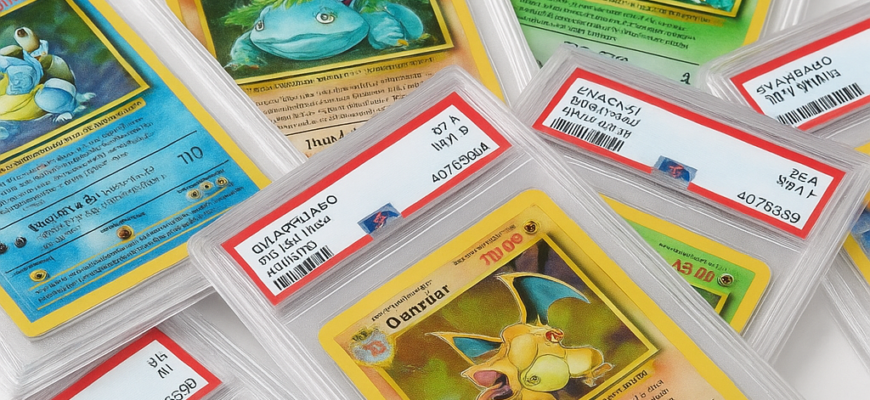
The Pokemon Trading Card Game has evolved from a childhood pastime into a sophisticated investment market worth billions, with PSA Pokemon cards leading this transformation. Professional Sports Authenticator (PSA) grading has revolutionized how collectors and investors approach Pokemon cards, turning raw cardboard into certified assets with transparent condition assessments. A PSA 10 Charizard from Base Set that once sold for $50 raw now commands six-figure prices, demonstrating the profound impact professional grading has had on psa pokemon card value across the market.
Whether you’re a newcomer curious about graded PSA Pokemon cards or an experienced collector seeking to refine your investment strategy, understanding the PSA ecosystem has become essential for serious participation in today’s market. The difference between a PSA 9 and PSA 10 can mean thousands of dollars, making knowledge of grading standards, market trends, and acquisition strategies crucial for success.
This comprehensive guide will walk you through every aspect of PSA Pokemon collecting, from understanding grade distinctions and market valuations to developing winning collection strategies and avoiding costly mistakes that plague both beginners and veterans in the graded card marketplace.
- Understanding PSA Grading for Pokemon Cards
- What is PSA and Why It Matters
- The PSA Grading Scale Explained
- PSA vs Other Grading Companies
- PSA 10 Pokemon Cards: The Holy Grail
- What Makes a PSA 10
- Most Valuable PSA 10 Pokemon Cards
- Finding PSA 10 Cards for Investment
- Complete PSA Grade Breakdown (PSA 1-10)
- Lower Grades (PSA 1-4) and Their Value
- Mid-Range Grades (PSA 5-7)
- High Grades (PSA 8-9) vs PSA 10
- Where to Buy PSA Pokemon Cards
- Trusted Online Marketplaces
- Local Card Shops and Shows
- Auction Houses and Direct Sales
- PSA Pokemon Card Values and Market Trends
- Factors Affecting PSA Pokemon Card Prices
- 2026 Market Analysis and Predictions
- Tracking Value Changes Over Time
- Building Your PSA Pokemon Collection Strategy
- Setting Collection Goals and Budget
- Diversification vs Specialization
- Storage and Insurance for Graded Cards
- Common Mistakes and Expert Tips
- Avoiding Counterfeit PSA Cards
- When to Buy vs When to Wait
- Maximizing Your Investment Returns
Understanding PSA Grading for Pokemon Cards
Professional Sports Authenticator (PSA) has revolutionized the Pokemon card collecting landscape by establishing standardized grading criteria that protect collectors and investors from counterfeit cards while providing objective quality assessments. When you purchase psa pokemon cards, you’re investing in authenticated collectibles that carry significantly higher market value and liquidity compared to raw, ungraded cards.
What is PSA and Why It Matters
Founded in 1991, PSA pioneered third-party card authentication and grading services that transformed trading card collecting from a hobby into a legitimate investment market. For Pokemon cards specifically, PSA authentication serves as the gold standard that verifies card authenticity while assessing condition through rigorous examination processes.
The company’s tamper-evident holders protect cards from environmental damage while displaying clear grade labels that instantly communicate condition to potential buyers. This standardization eliminates subjective condition disputes that plagued the raw card market for decades. Major auction houses, including Heritage Auctions, exclusively feature PSA-graded Pokemon cards in their premium lots, demonstrating the service’s credibility within serious collecting circles.
PSA’s database tracking system also provides population reports showing exactly how many copies of specific cards have received each grade. For example, the Base Set Charizard #4/102 has fewer than 3,000 PSA 10 examples recorded, making each gem mint copy exceptionally valuable for collectors seeking psa 10 pokemon cards.
The PSA Grading Scale Explained
PSA employs a 10-point numerical scale where higher numbers indicate superior condition. Understanding this scale is crucial for anyone looking to buy psa 10 pokemon cards or evaluate graded psa pokemon cards for investment purposes.
| Grade | Designation | Condition Description | Market Impact |
|---|---|---|---|
| 10 | Gem Mint | Perfect card with sharp corners, pristine surface, perfect centering | Premium pricing, highest liquidity |
| 9 | Mint | Excellent condition with minor imperfections | Strong value retention |
| 8 | Near Mint-Mint | Very good condition with slight wear | Moderate collector appeal |
| 7 | Near Mint | Good condition with noticeable but limited wear | Entry-level graded option |
| 6 and below | Various | Increasing levels of wear and damage | Limited collector interest |
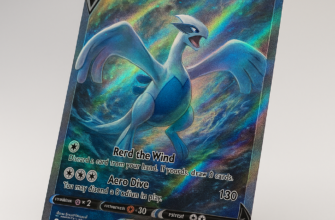
The difference between grades dramatically affects psa pokemon card value. A PSA 10 Neo Genesis Lugia #9 typically sells for $800-1,200, while PSA 9 examples trade for $200-350. This 3-4x price differential demonstrates why condition assessment accuracy matters tremendously for serious collectors.
PSA vs Other Grading Companies
While Beckett Grading Services (BGS) and Certified Guaranty Company (CGC) also grade Pokemon cards, PSA maintains clear market dominance through superior brand recognition and resale liquidity. BGS offers subgrades for centering, corners, edges, and surface, providing more detailed condition information, but PSA’s simple numerical system enjoys broader market acceptance.
Recent sales data shows PSA-graded Pokemon cards consistently achieve 15-25% higher prices than equivalent BGS or CGC examples. This premium reflects buyer confidence in PSA’s authentication processes and the company’s established market presence. For investors prioritizing liquidity and resale value, PSA certification remains the optimal choice.
CGC has gained traction among comic collectors but lacks the Pokemon-specific expertise that PSA developed through decades of trading card focus. When building a serious Pokemon collection, PSA’s proven track record and market leadership make it the clear choice for maximizing long-term investment potential.
PSA 10 Pokemon Cards: The Holy Grail
In the world of graded PSA Pokemon cards, achieving a perfect PSA 10 grade represents the pinnacle of card collecting. These pristine specimens command astronomical premiums over lower grades and have become the cornerstone of serious Pokemon card investment portfolios. Understanding what separates a PSA 10 from a PSA 9 can mean the difference between a modest return and life-changing profits.
What Makes a PSA 10
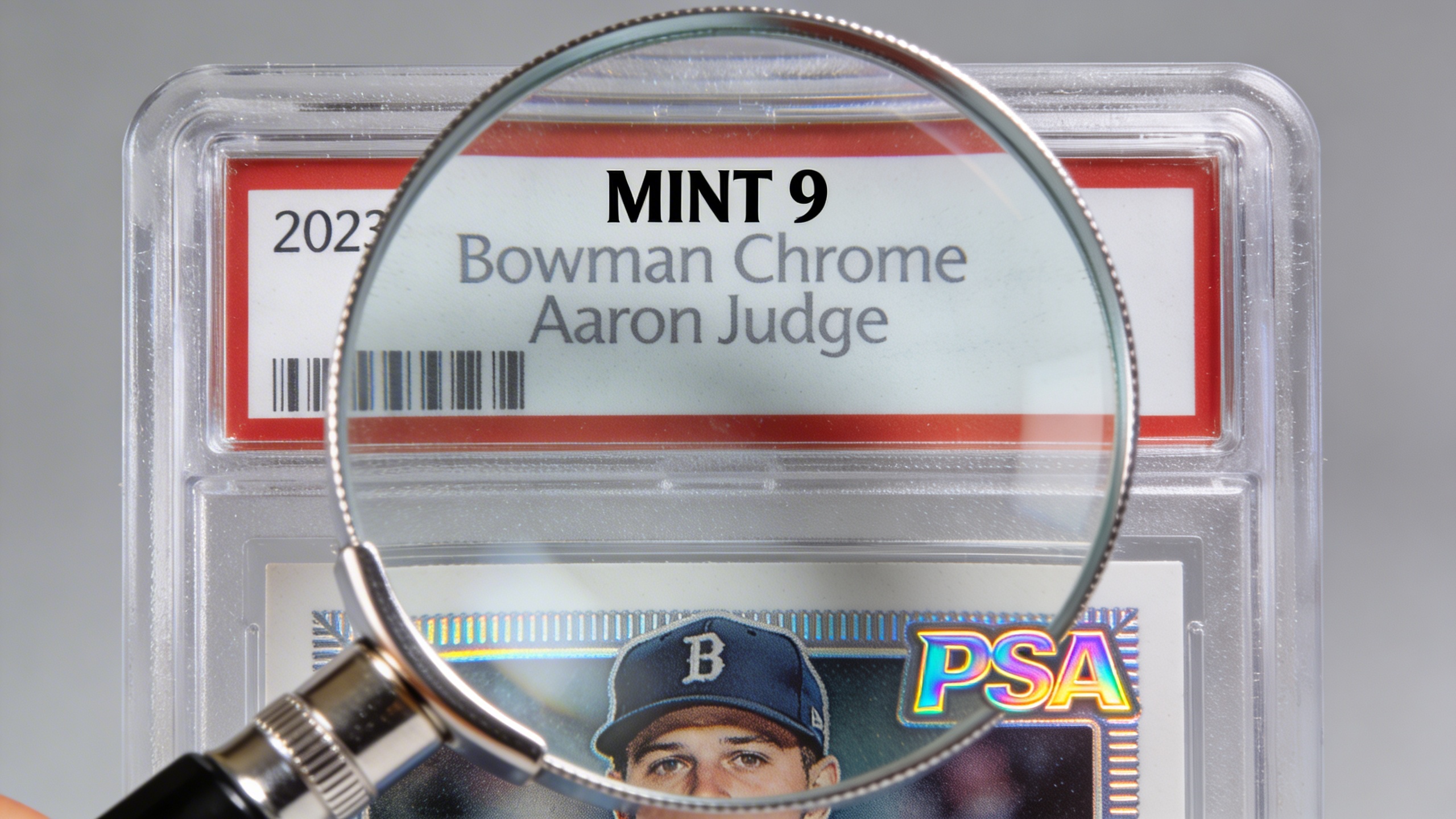
A PSA 10 designation requires absolute perfection across all grading criteria. The card must exhibit flawless centering with borders measuring within 60/40 tolerance on the front and 75/25 on the back. Corners must be sharp and pristine with no visible wear, chipping, or rounding when examined under magnification. The surface cannot display any scratches, print lines, or imperfections, while edges must remain completely intact without nicks or whitening.
The standards for PSA 10 Pokemon cards have become increasingly stringent over the years. Modern cards face additional scrutiny due to improved printing quality, while vintage cards benefit from more lenient surface expectations given their age. Factory defects that were once overlooked now prevent cards from achieving the coveted perfect grade, making authentic PSA 10 specimens increasingly rare.
Print quality plays a crucial role in PSA 10 potential. Cards from sets like Base Set Unlimited often struggle to achieve perfect grades due to inherent printing inconsistencies, while Japanese cards frequently grade higher due to superior manufacturing standards. When evaluating raw cards for grading submission, examining these factors under proper lighting can help predict PSA 10 potential.
Most Valuable PSA 10 Pokemon Cards
The PSA Pokemon card value hierarchy is dominated by iconic vintage cards and modern chase cards from premium sets. Base Set Shadowless Charizard PSA 10 remains the undisputed king, with recent sales exceeding $400,000 for pristine examples. The card’s cultural significance combined with its notorious difficulty to grade perfectly creates an almost mythical status among collectors.
Other vintage powerhouses include Base Set Shadowless Blastoise and Venusaur PSA 10, which routinely sell for $15,000-$30,000 depending on market conditions. First Edition Base Set cards command even higher premiums, with Charizard PSA 10 specimens reaching seven-figure territory in exceptional circumstances.
| Card | Set | PSA 10 Value Range | Population |
|---|---|---|---|
| Charizard | Base Set Shadowless | $300,000-$400,000 | 3,000+ |
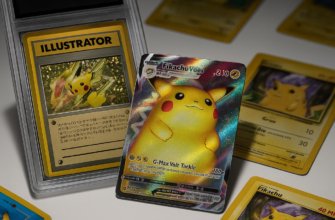
| Pikachu Illustrator | Japanese Promo | $5,000,000+ | 40+ |
| Lugia | Neo Genesis 1st Edition | $8,000-$12,000 | 1,200+ |
| Rayquaza Gold Star | Deoxys | $15,000-$25,000 | 200+ |
Modern cards have also produced significant PSA 10 values. Logan Paul’s Charizard from Vivid Voltage and alternate art cards from recent Japanese sets regularly achieve four and five-figure prices when graded perfectly. The key factor remains population control – cards with lower PSA 10 populations typically maintain stronger values over time.
Finding PSA 10 Cards for Investment
Successfully acquiring PSA 10 Pokemon cards for investment requires strategic timing and market knowledge. Auction platforms like eBay and Heritage Auctions provide the largest selection, but prices often reflect full market value. Private collectors and local card shops occasionally offer better deals, particularly during market downturns or when sellers need quick liquidity.
When you buy PSA 10 Pokemon cards, authentication becomes paramount. PSA’s certification lookup tool allows verification of any card’s authenticity using the certification number. Be wary of cards with damaged slabs, altered labels, or suspiciously low prices that seem too good to be true.
For collectors looking to verify card values and track market trends, using a reliable price tracking tool becomes essential. TCG Radar offers comprehensive price data and can help identify undervalued PSA 10 cards before they appreciate significantly.
Investment timing often determines success with graded PSA Pokemon cards. Market cycles typically follow Pokemon media releases, with prices surging during major movie launches or anniversary celebrations. Purchasing during market lulls and holding through these catalytic events has proven profitable for patient investors who understand the broader Pokemon ecosystem.
Complete PSA Grade Breakdown (PSA 1-10)
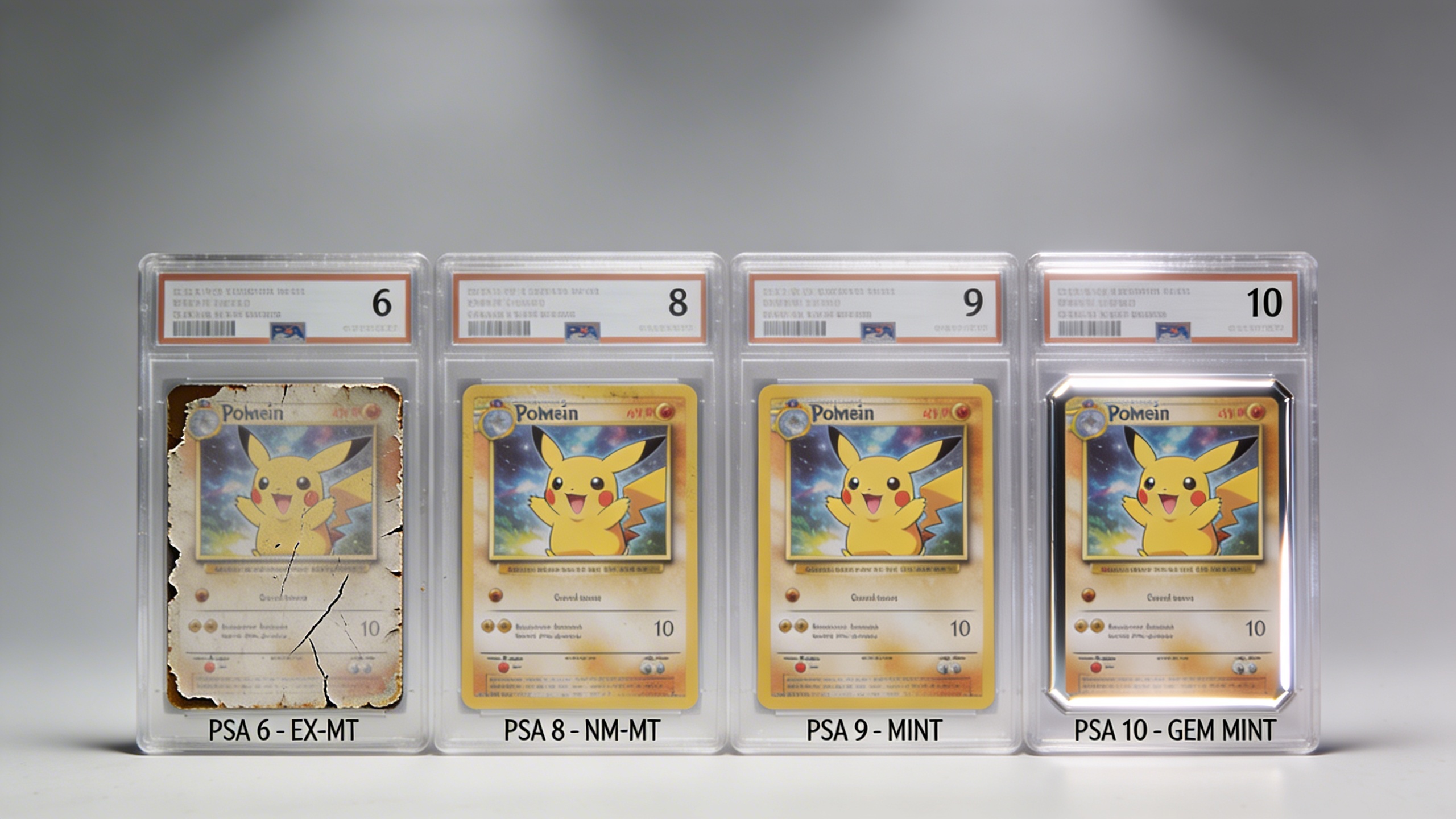
Understanding the nuances between each PSA grade is crucial for making informed investment decisions in the graded PSA Pokemon cards market. Each grade represents specific condition standards that dramatically impact card values, with price differences often reaching hundreds or thousands of dollars between adjacent grades on premium cards.
Lower Grades (PSA 1-4) and Their Value
PSA 1-4 graded Pokemon cards represent heavily played to poor condition specimens with significant visible damage. PSA 1 cards exhibit severe wear, creasing, staining, or other major defects that make them suitable primarily for placeholder collections. PSA 2-3 cards show heavy play with multiple flaws but remain structurally intact. PSA 4 cards display visible wear but maintain reasonable eye appeal from a distance.
Despite their condition issues, lower-grade PSA Pokemon cards can offer surprising value for budget collectors. A PSA 4 Base Set Charizard might trade for $300-500, compared to $6,000+ for PSA 10 examples. These grades provide authentic ownership of iconic cards at accessible price points, making them popular entry points for new collectors exploring psa pokemon card value appreciation.
Mid-Range Grades (PSA 5-7)
The PSA 5-7 range represents the sweet spot for many collectors seeking quality graded psa pokemon cards without premium pricing. PSA 5 cards show obvious wear but retain structural integrity and decent centering. PSA 6 specimens exhibit light to moderate play with minor edge wear and possible light scratching. PSA 7 cards display minimal wear with sharp corners and good eye appeal, often appearing near mint to casual observers.
Price ratios in this range typically follow predictable patterns. Using Base Set Charizard as an example, PSA 5 copies trade around $800-1,200, PSA 6 examples reach $1,500-2,200, and PSA 7 specimens command $2,500-3,500. This represents roughly 15-60% of PSA 10 values, making mid-range grades attractive for collectors who prioritize authenticity and presentation over perfection.
| Grade | Condition Description | Base Set Charizard Value Range | % of PSA 10 Value |
|---|---|---|---|
| PSA 5 | Excellent condition with obvious wear | $800-1,200 | 15-20% |
| PSA 6 | Excellent-Mint with light wear | $1,500-2,200 | 25-35% |
| PSA 7 | Near Mint with minimal wear | $2,500-3,500 | 40-55% |
High Grades (PSA 8-9) vs PSA 10
The jump from PSA 8-9 to PSA 10 represents the most dramatic value increase in Pokemon card grading. PSA 8 cards exhibit near mint to mint condition with minor flaws visible under close inspection—perhaps slight edge wear or minor centering issues. PSA 9 cards achieve mint condition with only minute flaws that require careful examination to detect.
The premium for PSA 10 Pokemon cards becomes most apparent in this comparison. A PSA 8 Base Set Charizard typically sells for $3,500-4,500, while PSA 9 examples reach $4,500-5,500. However, when you buy psa 10 pokemon cards of the same card, prices jump to $6,000-8,000+, representing a 35-80% premium over PSA 9.
This dramatic price difference reflects the psychological appeal of perfection and the relative scarcity of true gem mint specimens. For collectors focused on long-term appreciation, the question becomes whether the PSA 10 premium justifies the investment compared to acquiring multiple high-grade alternatives. Understanding these grade relationships helps collectors make strategic decisions based on their budget and collecting goals.
Where to Buy PSA Pokemon Cards
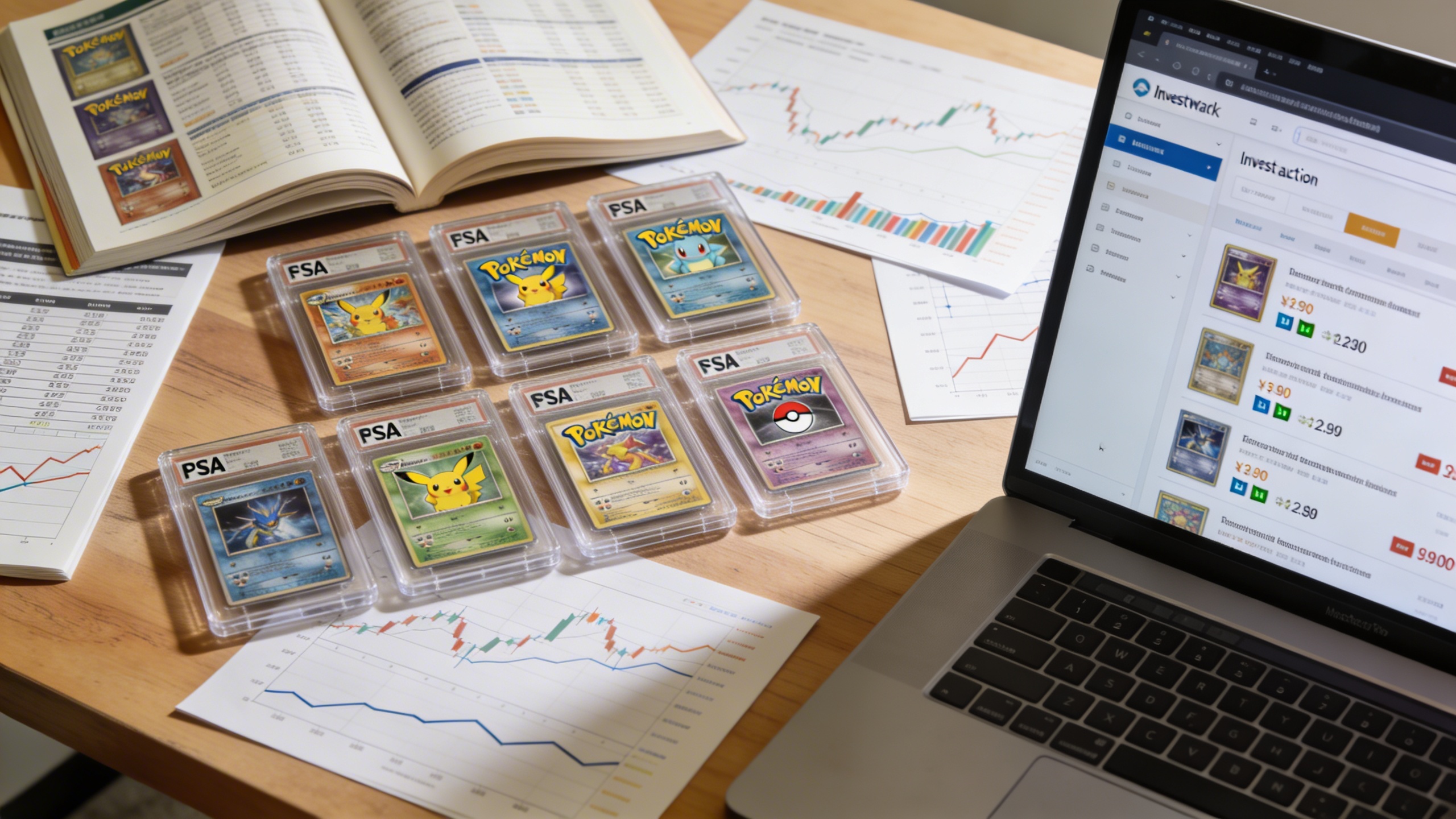
Finding authentic PSA Pokemon cards requires knowing where to look and how to verify legitimacy. The graded card market has exploded in recent years, making it essential to understand which platforms offer the best selection, pricing, and buyer protection when you’re ready to buy PSA 10 Pokemon cards or lower grades for your collection.
Trusted Online Marketplaces
eBay remains the largest marketplace for graded PSA Pokemon cards, offering thousands of listings daily. Look for sellers with 99%+ feedback ratings and extensive selling history in trading cards. PayPal Goods & Services protection covers purchases up to $20,000, providing crucial buyer protection. PWCC Marketplace specializes in high-end collectibles and maintains strict authentication standards, though their 10% buyer’s premium increases final costs.
COMC (Check Out My Cards) offers a unique consignment model where cards are physically verified before listing. Their grading verification process catches counterfeit PSA slabs effectively. Heritage Auctions handles premium PSA 10 Pokemon cards from vintage sets, with detailed condition reports and provenance documentation that serious collectors value.
When evaluating PSA Pokemon card value online, use TCG Radar to quickly scan and compare current market prices across multiple platforms. This card scanner app provides real-time pricing data that helps identify fair deals and avoid overpriced listings.
Local Card Shops and Shows
Local game stores often carry graded PSA Pokemon cards with the advantage of physical inspection before purchase. Establish relationships with shop owners who can source specific cards or notify you when high-grade items arrive. Card shows and conventions offer direct access to dealers and collectors, creating opportunities for face-to-face negotiations.
At card shows, examine PSA slabs under proper lighting to verify authenticity. Genuine PSA cases have specific security features including holographic labels and precise case construction. Many dealers at shows are willing to negotiate, especially for multiple card purchases or cash transactions.
Auction Houses and Direct Sales
Major auction houses like Heritage, Goldin, and Pristine Auction handle significant PSA graded collections. These platforms provide detailed photography, condition descriptions, and authenticity guarantees. Auction formats can yield below-market prices for patient buyers, though popular cards may exceed retail values in competitive bidding.
Direct sales through collector forums and Facebook groups offer negotiation opportunities but require extra caution. Request additional photos showing the PSA certification number, which can be verified on PSA’s website. Never purchase without seeing clear images of both the card and the complete PSA label.
Successful price negotiation starts with research. Know recent sales data for specific cards in the same grade, and be prepared to walk away if sellers won’t meet reasonable offers. Bundle purchases often yield better per-card pricing, especially when buying multiple graded PSA Pokemon cards from the same seller. Remember that condition is permanent with graded cards, making the initial purchase decision crucial for long-term value retention.
PSA Pokemon Card Values and Market Trends
The graded Pokemon card market has experienced unprecedented growth since 2020, with psa pokemon cards becoming increasingly valuable investment assets. Understanding market dynamics and pricing factors helps collectors make informed decisions when building their portfolios or deciding when to buy psa 10 pokemon cards.
Factors Affecting PSA Pokemon Card Prices
Several key drivers influence psa pokemon card value in today’s market. Rarity remains the primary factor, with first edition Base Set cards commanding premium prices regardless of condition. A PSA 10 Charizard #4/102 from Base Set Unlimited recently sold for $6,000, while the first edition version reaches $350,000+.
Pop reports significantly impact pricing for graded psa pokemon cards. Cards with lower PSA 10 populations command higher premiums due to scarcity. For example, the Neo Genesis Lugia #9 has only 847 PSA 10 copies, contributing to its $3,500 average sale price. Meanwhile, more common cards like Base Set Pikachu have over 15,000 PSA 10 copies, keeping prices around $400.
Cultural relevance and nostalgia drive demand cycles. The 25th Anniversary celebration in 2021 sparked massive interest in vintage cards, while new Pokemon game releases often boost related character cards. Japanese exclusive promos and tournament prizes maintain premium values due to limited distribution and historical significance.
Celebrity endorsements and social media exposure create sudden price spikes. When Logan Paul purchased his $6 million Charizard, it elevated the entire vintage market. Similarly, Steve Aoki’s Pokemon collection showcase on social media drove increased interest in Japanese promotional cards.
2026 Market Analysis and Predictions
Current market analysis suggests continued growth for high-grade vintage cards through 2026. The collector base continues expanding globally, with strong demand from Japan, Europe, and emerging markets. Supply constraints for PSA 10 vintage cards create favorable conditions for long-term appreciation.
Modern sets face different dynamics. While Pokemon 25th Anniversary products show strong initial performance, long-term values depend on print runs and sustained interest. Special delivery cards and tournament promos maintain premium status due to limited availability.
| Card Category | 2024 Performance | 2026 Projection |
|---|---|---|
| Base Set PSA 10 | +15% average | +25-40% projected |
| Neo Series PSA 10 | +22% average | +30-50% projected |
| Modern PSA 10 | -5% average | Stabilization expected |
| Japanese Promos PSA 10 | +18% average | +20-35% projected |
Economic factors will influence market performance. Rising interest rates may reduce speculative buying, while inflation could drive collectibles as alternative investments. The key is focusing on cards with proven track records and strong fundamentals.
Tracking Value Changes Over Time
Successful collectors monitor price trends using multiple data sources. PWCC Marketplace provides comprehensive auction results, while eBay sold listings offer real-time market snapshots. Professional services like GoPriceGuide aggregate data across platforms for accurate valuations.
For collectors managing extensive portfolios, using a reliable card scanning app like TCG Radar streamlines the tracking process. The app provides instant price lookups and helps identify cards worth grading, making it easier to monitor your collection’s value changes over time.
Quarterly reviews help identify trends before they become obvious. Cards showing consistent 10-15% quarterly growth often indicate emerging hotspots. Conversely, cards with declining pop report ratios (more lower grades being submitted) may signal market saturation.
Understanding seasonal patterns improves buying and selling timing. December typically sees premium prices due to holiday spending, while summer months often present buying opportunities. Major Pokemon announcements and movie releases create predictable demand spikes that savvy collectors can anticipate.
Long-term value tracking reveals that psa 10 pokemon cards from established vintage sets consistently outperform modern releases. The 20-year track record of Base Set cards demonstrates the importance of focusing on proven performers when building investment-grade collections.
Building Your PSA Pokemon Collection Strategy
Successful PSA Pokemon card collecting requires more than just buying high-grade cards—it demands a strategic approach that balances passion with sound investment principles. Whether you’re targeting iconic psa 10 pokemon cards or building a diverse portfolio of graded psa pokemon cards, having a clear strategy will maximize both your enjoyment and potential returns.
Setting Collection Goals and Budget
Before you buy psa 10 pokemon cards, establish clear objectives for your collection. Are you focusing on long-term investment appreciation, completing specific sets, or collecting cards from your childhood? Your goals will directly influence your budget allocation and purchasing decisions.
Create a monthly or annual budget specifically for PSA Pokemon cards, typically ranging from $200-$2,000 depending on your financial situation. Allocate 60-70% of your budget to established cards with proven track records, such as Base Set Charizard PSA 9 ($2,000-$3,500) or Japanese Base Set cards. Reserve 20-30% for emerging modern cards like Evolving Skies Alt Arts, and keep 10% for opportunistic purchases during market dips.
Document your psa pokemon card value tracking using spreadsheets or dedicated apps. TCG Radar offers excellent portfolio tracking features that help monitor your collection’s performance and identify market trends in real-time.
Diversification vs Specialization
The eternal collector’s dilemma: should you specialize in specific sets or diversify across multiple eras? Both approaches have merit depending on your risk tolerance and expertise level.
Specialization benefits include deeper market knowledge, stronger negotiating power, and the ability to spot undervalued cards within your niche. Collectors focusing solely on Neo Genesis PSA 10s, for example, often achieve better returns than generalists because they understand subtle market nuances.
Diversification spreads risk across different Pokemon generations and card types. A balanced portfolio might include:
- 40% Vintage cards (Base Set through Neo series) – stable appreciation
- 30% Modern cards (2017-present) – higher volatility, higher potential returns
- 20% Japanese exclusives – unique market dynamics
- 10% Promotional cards – event-driven value spikes
Most successful collectors start specialized to build expertise, then gradually diversify as their knowledge and budget expand. The key is understanding that psa pokemon card value fluctuations affect different categories differently—vintage cards typically show steadier growth while modern cards experience more dramatic swings.
Storage and Insurance for Graded Cards
Protecting your graded psa pokemon cards requires proper storage solutions and adequate insurance coverage. PSA slabs are durable but not indestructible—improper storage can lead to case cracking or label damage that devastates value.
Store PSA cards in climate-controlled environments between 65-70°F with 45-55% humidity. Use PSA storage boxes or individual card stands, avoiding direct sunlight and temperature fluctuations. For high-value cards exceeding $1,000, consider fireproof safes or bank safety deposit boxes.
Insurance becomes critical once your collection surpasses $5,000 in value. Standard homeowner’s policies typically cap collectibles coverage at $1,000-$2,500. Specialized collectibles insurance through companies like Collectibles Insurance Services provides comprehensive coverage for 1-2% of your collection’s appraised value annually.
Maintain detailed documentation including PSA cert numbers, purchase receipts, and current market values. Professional appraisals every 2-3 years ensure your coverage keeps pace with market appreciation, especially important given how rapidly some psa 10 pokemon cards have appreciated in recent years.
Common Mistakes and Expert Tips
Successful PSA Pokemon card collecting requires avoiding costly pitfalls while maximizing investment potential. Whether you’re hunting for that perfect Charizard Base Set PSA 10 or building a diverse portfolio of graded PSA Pokemon cards, these expert strategies will protect your investments and optimize returns.
Avoiding Counterfeit PSA Cards
The rising value of psa 10 pokemon cards has unfortunately led to sophisticated counterfeiting operations targeting PSA holders. Authentic PSA cases feature specific security elements that counterfeiters struggle to replicate perfectly. Check for crisp, clear font on the label with no spelling errors or misaligned text. The PSA logo should be sharp and properly positioned.
Examine the case itself for uniform thickness and smooth edges. Genuine PSA holders have a distinctive sonic quality when tapped gently. The barcode on authentic labels scans properly in PSA’s database verification system. When purchasing high-value graded PSA Pokemon cards, always verify the certification number on PSA’s official website before completing any transaction.
For real-time authentication assistance, TCG Radar provides instant card identification and current market values, helping you spot discrepancies between claimed grades and actual card conditions during in-person transactions.
When to Buy vs When to Wait
Market timing significantly impacts PSA Pokemon card value appreciation. Purchase opportunities often arise during broader market downturns when collectors liquidate positions. Monitor completed sales data rather than current listings, as asking prices frequently exceed actual transaction values.
Avoid buying immediately after major Pokemon anniversaries or product releases when hype inflates prices artificially. The optimal buying window typically occurs 3-6 months post-release when initial excitement subsides. For vintage cards like Base Set Charizard PSA 10s, winter months often present better deals as holiday spending reduces discretionary collecting budgets.
Consider dollar-cost averaging for expensive targets. Instead of purchasing one PSA 10 Charizard at $6,000, acquire multiple lower-grade examples or different Pokemon over time. This strategy reduces risk while building a more diversified collection of psa pokemon cards.
Maximizing Your Investment Returns
Successful exit strategies require patience and market awareness. Track your collection’s performance using spreadsheets that include purchase prices, dates, and current market values. PSA 10 specimens typically hold value better than lower grades during market corrections, making them preferred long-term holds.
Diversify across different Pokemon, sets, and PSA grades rather than concentrating on single high-value cards. A portfolio mixing Base Set holos, Neo Genesis first editions, and modern chase cards provides better risk-adjusted returns than betting everything on one graded card.
Time your sales strategically around Pokemon game releases, anime milestones, or broader collectibles market peaks. Monitor social media sentiment and Google Trends data for your target Pokemon to identify optimal selling windows. Remember that transaction costs including seller fees, shipping, and insurance can consume 10-15% of sale proceeds, so factor these into your minimum acceptable prices when you buy psa 10 pokemon cards for investment purposes.
Frequently Asked Questions
How much does it cost to get Pokemon cards graded by PSA?
PSA grading costs range from $25-$300+ per card depending on the service level and declared value. Economy service ($25) has longer turnaround times of 65+ business days, while Express ($75) and Super Express ($150) offer faster 10-20 day processing. Higher value cards require premium services, with cards valued over $2,500 needing the Premium service at $300 per card.
Are PSA 9 Pokemon cards worth buying as investments?
PSA 9 Pokemon cards can offer excellent investment value, typically selling for 30-60% less than PSA 10 equivalents while still maintaining strong collector demand. They provide a more accessible entry point for investors and often show solid appreciation over time, especially for vintage and popular modern cards. PSA 9s represent the sweet spot between affordability and quality for many collectors.
How can I tell if a PSA Pokemon card is authentic?
Authentic PSA slabs feature multiple security elements including a holographic PSA logo, unique certification number, and tamper-evident case construction. You can verify authenticity by checking the cert number on PSA's website, examining the hologram's quality and positioning, and ensuring the case has proper PSA branding and fonts. Be wary of slabs with poor print quality, misaligned labels, or certification numbers that don't match PSA's database.
What Pokemon cards are worth grading with PSA?
Cards worth PSA grading typically include vintage Base Set holos, modern chase cards, first edition cards, and promotional cards in Near Mint or better condition. The card should have potential to grade PSA 8+ and the grading cost should represent less than 20-30% of the expected graded value. Focus on popular Pokemon like Charizard, Pikachu, and legendary Pokemon, as well as cards from significant sets like Base Set, Neo Genesis, and modern premium products.
Do PSA Pokemon cards always increase in value?
PSA Pokemon cards don't always increase in value and can experience significant market volatility based on factors like Pokemon media releases, market speculation, and overall collectibles trends. While vintage cards and iconic Pokemon have shown strong long-term appreciation, modern cards can be more volatile and may decrease in value as supply increases. Successful investing requires careful selection, patience, and understanding that the Pokemon card market can have both boom and correction periods.