MTG Commander Decks: Complete Guide to Building, Playing, and Collecting in 2026
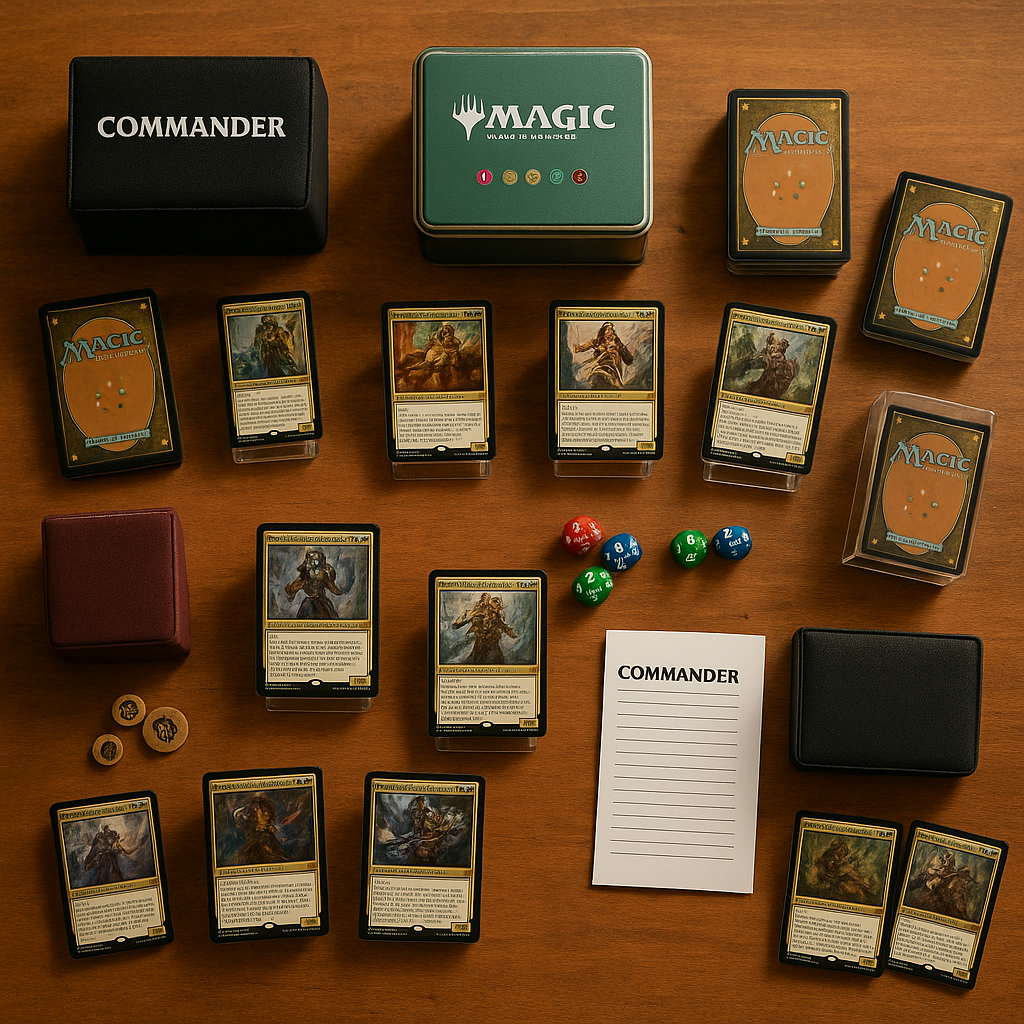
Magic: The Gathering’s Commander format has evolved into the game’s most beloved multiplayer experience, bringing together strategy, creativity, and social interaction in ways that traditional formats simply can’t match. Unlike Standard or Modern, mtg commander decks feature 100 unique cards led by a legendary creature that defines your deck’s identity and color restrictions. This singleton format encourages players to explore deep card pools, craft unique strategies, and engage in epic multiplayer battles that can last hours and create unforgettable moments.
What makes Commander truly special is its perfect balance of competitive strategy and casual fun. Whether you’re piloting aggressive tribal decks, controlling the board with powerful spells, or assembling intricate combos, magic the gathering commander decks offer infinite possibilities for expression and gameplay. The format’s popularity has exploded in recent years, with Wizards of the Coast now designing cards specifically for Commander and releasing multiple preconstructed decks annually.
This comprehensive guide will walk you through everything you need to master Commander in 2026. You’ll discover the best preconstructed options for beginners, learn proven deck-building strategies, explore popular archetypes, and get expert advice on upgrading, organizing, and tracking the value of your growing collection. Whether you’re building your first deck or optimizing your hundredth, we’ll provide the insights you need to succeed.
What Are MTG Commander Decks and How Do They Work?
Magic: The Gathering Commander, also known as EDH (Elder Dragon Highlander), stands as the most popular multiplayer format in Magic history. MTG Commander decks offer a unique blend of strategy, creativity, and social interaction that sets them apart from traditional competitive formats. Understanding how these decks function is essential for anyone looking to enter this vibrant format.
Commander transforms the typical Magic experience into an epic multiplayer battle where politics, alliances, and massive game-changing plays define each match. Unlike Standard or Modern formats that emphasize speed and consistency, Commander celebrates variety, creativity, and memorable moments that can last for hours.
Commander Format Rules and Structure
The Commander format operates on a 100-card singleton structure, meaning each deck contains exactly 100 cards with no duplicates except basic lands. This singleton rule forces players to dig deep into Magic’s 30-year card pool, creating diverse gameplay experiences where no two games feel identical.
Each magic commander deck revolves around a legendary creature that serves as the commander. This legendary creature begins the game in the command zone, a special area separate from your library, and can be cast from there throughout the game. When your commander dies or gets exiled, you can return it to the command zone for an additional two generic mana cost each time—known as the “commander tax.”
Games typically involve three to four players, though the format supports anywhere from two to eight players. Each player starts with 40 life instead of the standard 20, accommodating the longer, more interactive games that define Commander. The first player doesn’t draw a card on their first turn, and there’s no maximum hand size, encouraging players to accumulate resources for powerful late-game plays.
Commander damage presents another unique win condition: if any single commander deals 21 or more combat damage to a player throughout the game, that player loses immediately, regardless of their life total.
Deck Construction Requirements
Building magic the gathering commander decks requires careful attention to several key restrictions. Beyond the 100-card singleton rule, your deck must adhere to your commander’s color identity—you cannot include cards with mana symbols or color indicators outside your commander’s colors.
A typical MTG deck builder approach for Commander includes:
- 35-40 lands (including utility lands and mana-fixing)
- 8-12 ramp spells (mana acceleration)
- 8-10 card draw spells
- 5-8 removal spells
- 30-35 cards supporting your strategy
- 1 commander
Many players start with MTG starter commander decks, which provide excellent foundations for learning the format. Wizards of the Coast releases preconstructed Commander decks with each major set, typically priced between $40-50 and containing powerful reprints alongside new cards designed specifically for multiplayer gameplay.
When selecting cards for your deck, consider their multiplayer impact. Cards that affect multiple opponents or provide ongoing value tend to perform better than narrow, single-target effects. Board wipes, group hug effects, and political cards create the interactive gameplay that makes Commander special.
Color Identity and Mana Base Fundamentals
Color identity forms the foundation of every Commander deck, determined by all mana symbols appearing in your commander’s mana cost and rules text. For example, Atraxa, Praetors’ Voice has white, blue, black, and green in her color identity, allowing you to play cards from all four colors but preventing red cards entirely.
Building a reliable mana base becomes increasingly complex with additional colors. Mono-colored decks can run basic lands almost exclusively, while five-color decks require expensive dual lands, fetch lands, and extensive mana fixing. Budget-conscious players can utilize tap lands, panoramas, and guild gates, though these enter tapped and slow down early game development.
Hybrid mana symbols follow specific rules—a card like Boros Charm (with white/red hybrid mana) requires both white and red in your commander’s color identity. Similarly, reminder text doesn’t count toward color identity, but activated abilities in rules text do.
Understanding these fundamentals prepares you to build cohesive mtg commander decks that function smoothly while expressing your personal playstyle and strategic preferences.
Best MTG Commander Preconstructed Decks in 2026
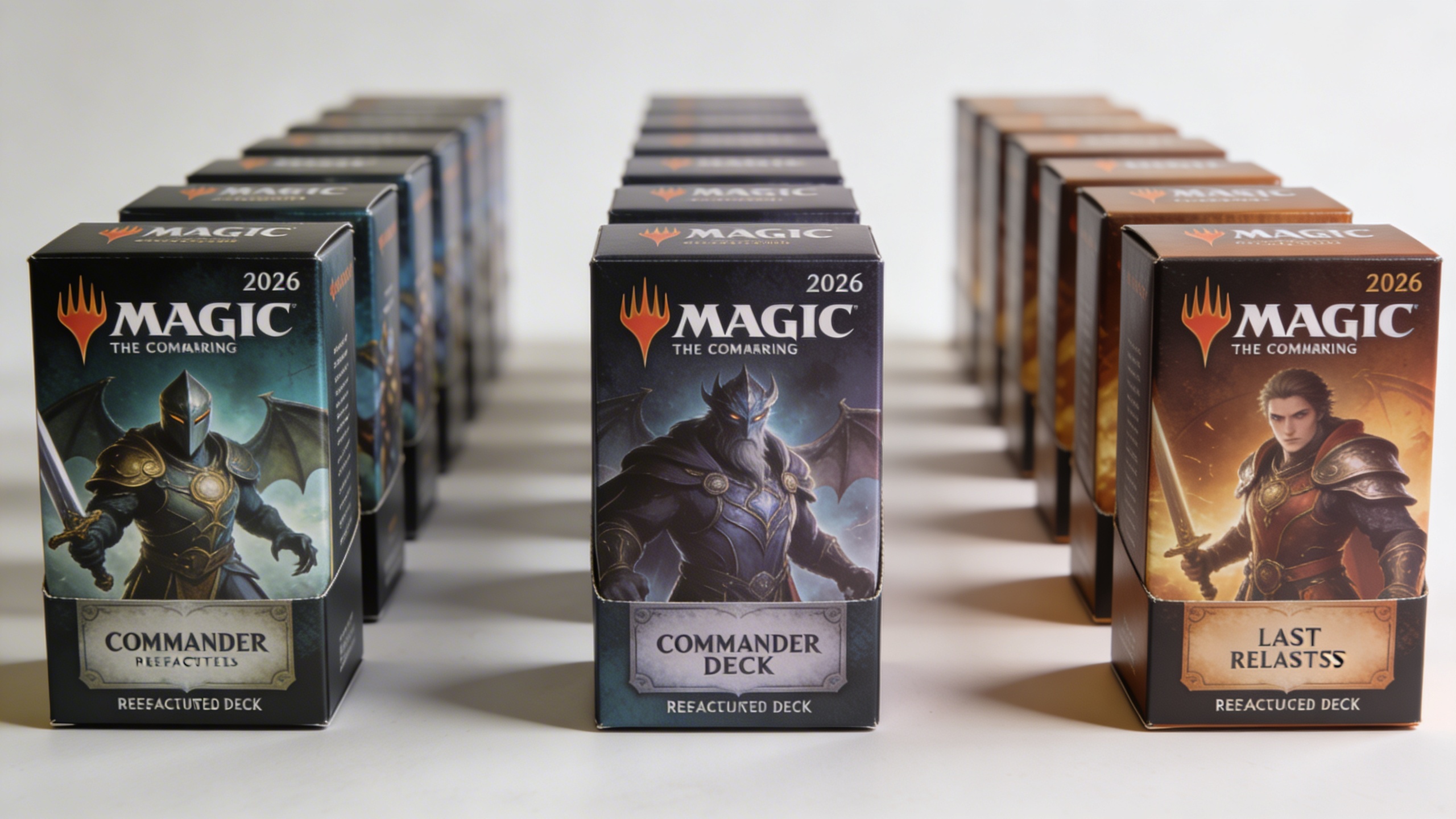
The 2026 lineup of magic the gathering commander decks represents one of the strongest years for preconstructed products in recent memory. With Wizards of the Coast releasing four major Commander deck waves throughout the year, players have access to exceptional value propositions that serve as excellent starting points for both newcomers and veterans looking to expand their collection.
Top Precons for New Players
For players just entering the Commander format, several 2026 releases stand out as exceptional entry points. The “Elemental Uprising” deck from the Bloomburrow Commander set (C26-BLB-1) offers a straightforward tribal strategy centered around Omnath, Locus of All. At approximately $45 MSRP, this deck provides over $65 in card value, making it an immediate winner for budget-conscious players.
The “Artifact Assembly” precon (C26-BRO-3) deserves special mention for teaching fundamental mtg commander deck mechanics. Its colorless artifact theme helps new players understand mana curves and synergy without the complexity of multicolor mana bases. The inclusion of Sol Ring, Arcane Signet, and Wurmcoil Engine creates a solid foundation that performs well straight out of the box.
These mtg starter commander decks excel because they focus on linear strategies that are easy to pilot while still offering meaningful decision points. The mana bases are carefully constructed to minimize color screw, and each deck includes comprehensive strategy guides that explain key interactions and upgrade paths.
Advanced Precons Worth Upgrading
Experienced players seeking upgrade projects should prioritize the “Planeswalker’s Gambit” deck from the March of the Machine Commander set. This five-color superfriends build centers around Jace, the Perfected Mind and includes premium reprints like Doubling Season and Deepglow Skate. While the $55 price point is higher than typical precons, the upgrade potential justifies the investment.
The deck’s mana base alone provides $30+ in value with Command Tower, Exotic Orchard, and a full cycle of bounce lands. Strategic upgrades focusing on additional planeswalkers and protection spells can transform this into a competitive multiplayer threat for under $100 additional investment.
For players interested in graveyard strategies, “Necromantic Convergence” offers exceptional upgrade potential. The Golgari shell built around Meren of Clan Nel Toth provides multiple upgrade paths, from budget-friendly creature packages to high-powered combo engines. The precon’s inclusion of key enablers like Sakura-Tribe Elder and Eternal Witness creates natural synergy that scales beautifully with targeted improvements.
When evaluating upgrade potential for magic commander decks, consider using scanning tools to track current card values and identify optimal upgrade timing. TCG Radar provides real-time pricing data that helps determine which cards offer the best upgrade value per dollar invested.
Warhammer 40K Commander Deck Analysis
The 2026 Warhammer 40K Commander collaboration represents a watershed moment for crossover products. The four-deck release features Forces of the Imperium, Tyranid Swarm, Chaos Space Marines, and Necron Dynasties, each capturing the essence of their respective factions while remaining mechanically sound Magic products.
Forces of the Imperium stands as the strongest performer, led by Marneus Calgar and featuring a robust token strategy that appeals to both Warhammer fans and Magic players. The deck’s $60 price point includes exclusive alternate art treatments and premium card stock that justify the premium over standard precons.
| Deck Name | Commander | Strategy | MSRP | Card Value |
|---|---|---|---|---|
| Forces of the Imperium | Marneus Calgar | Token Aggro | $60 | $85 |
| Tyranid Swarm | The Swarmlord | +1/+1 Counters | $60 | $78 |
| Chaos Space Marines | Abaddon the Despoiler | Sacrifice/Recursion | $60 | $82 |
| Necron Dynasties | Szarekh, the Silent King | Artifact Reanimation | $60 | $79 |
These decks successfully bridge two passionate fanbases while maintaining competitive viability in casual Commander pods. The unique mechanics and flavor integration make them excellent conversation starters and showcase pieces for any mtg deck builder looking to diversify their collection with premium products that hold both gaming and collectible value.
Building Your First Commander Deck from Scratch
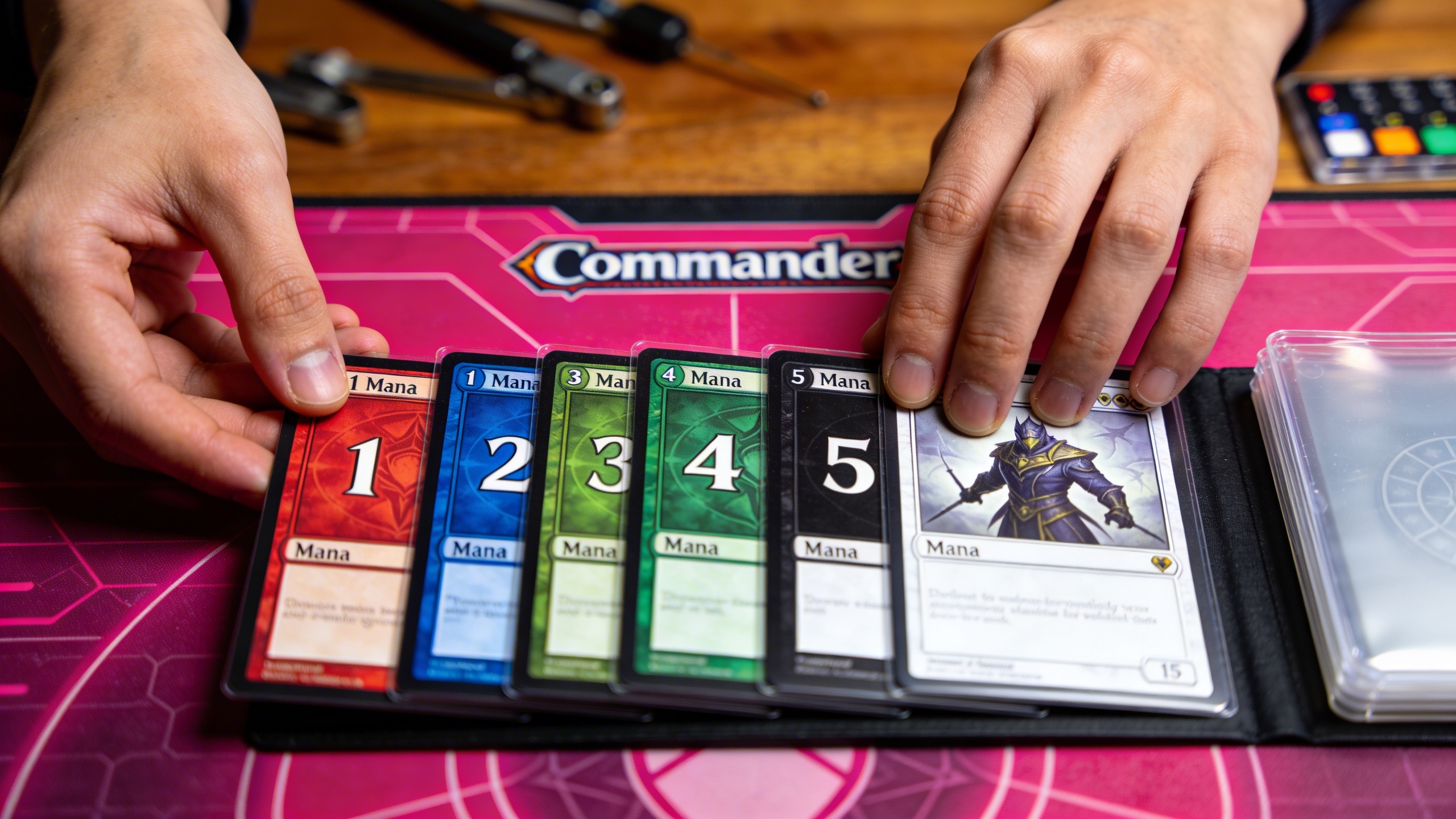
Creating your first magic the gathering commander decks from scratch can feel overwhelming with over 20,000 legal cards to choose from. However, breaking the process into manageable steps makes deck construction both enjoyable and rewarding. Whether you’re working with a $50 budget or planning a premium build, understanding the fundamentals of commander deck construction will set you up for success at your local game store.
Choosing the Right Commander
Your commander choice determines your deck’s entire identity, color restrictions, and gameplay strategy. New players should prioritize commanders with straightforward abilities that provide immediate value. Aesi, Tyrant of Gyre Strait offers excellent ramp and card draw for Simic players, while Alesha, Who Smiles at Death provides a clear reanimation strategy in Mardu colors.
Consider these key factors when selecting your commander: mana cost (3-5 CMC commanders typically perform best), protection from removal, and synergy with common cards. Commanders like Ezuri, Claw of Progress and Omnath, Locus of Creation have proven track records in both casual and competitive metas. Avoid overly complex commanders like The Ur-Dragon or Sliver Overlord for your first build, as they require extensive card knowledge and expensive mana bases.
Research your local playgroup’s power level before committing to a commander. If your group plays optimized decks, consider competitive options like Tymna the Weaver or Thrasios, Triton Hero. For casual tables, flavorful commanders like Gishath, Sun’s Avatar or Ur-Dragon provide memorable gameplay experiences.
Essential Deck Building Tools and Resources
Modern mtg deck builder platforms have revolutionized commander construction. EDHREC.com remains the gold standard, providing statistical data on card popularity, synergies, and meta trends for every commander. The site’s recommendation engine analyzes thousands of decklists to suggest optimal card choices for your strategy.
Moxfield and Archidekt offer sophisticated deck building interfaces with playtesting features, price tracking, and collection management. Both platforms integrate with major retailers for accurate pricing data and support collaborative deck building with friends. Scryfall’s advanced search functions help identify obscure cards that fit your strategy perfectly.
For physical card management and price verification, TCG Radar provides instant card identification and current market values. This scanner app proves invaluable when building decks from your existing collection or evaluating trades at local game stores.
MTG Familiar and MTG Manager apps offer comprehensive rules references and deck statistics on mobile devices. These tools help calculate mana curves, identify weak spots in your construction, and ensure proper land ratios during the building process.
Budget vs Premium Deck Construction
Budget magic commander decks can compete effectively with expensive builds through strategic card selection. Allocate 60-70% of your budget to your mana base, ramp package, and key synergy pieces. A $75 budget should prioritize 2-3 expensive cards that define your strategy, filling remaining slots with efficient alternatives.
| Budget Tier | Price Range | Key Priorities | Example Cards |
|---|---|---|---|
| Ultra Budget | $25-50 | Basic lands, common ramp | Cultivate, Sol Ring, Command Tower |
| Budget | $50-100 | Dual lands, efficient removal | Temple gardens, Path to Exile |
| Mid-Range | $100-300 | Fetch lands, powerful engines | Windswept Heath, Rhystic Study |
| Premium | $300+ | Optimal mana, premium threats | Underground Sea, Mana Crypt |
Premium mtg commander decks focus on consistency and explosive plays through expensive mana acceleration and tutors. Cards like Mana Crypt, Chrome Mox, and Imperial Seal provide significant advantages but aren’t necessary for competitive gameplay. Many budget alternatives like Arcane Signet, Thought Vessel, and Mystical Tutor offer similar effects at fraction of the cost.
Smart budget builders prioritize reprinted cards over original printings and consider slightly played condition cards for expensive staples. Commander Legends and Modern Horizons sets frequently reprint valuable commander staples at accessible prices. mtg starter commander decks also provide excellent value, offering 30-40 playable cards including expensive reprints like Fierce Guardianship and Deflecting Swat.
Regardless of budget, maintain proper deck ratios: 35-40 lands, 8-12 ramp spells, 8-10 card draw sources, and 5-8 removal spells. These fundamentals matter more than individual card power level for consistent gameplay experiences.
Commander Deck Strategies and Archetypes
Understanding the fundamental strategies and archetypes in Commander is essential for building effective mtg commander decks that match your playstyle and meta expectations. Unlike other Magic formats, Commander’s multiplayer nature and singleton restrictions create unique strategic considerations that shape how decks function and interact with opponents.
Aggro, Control, and Combo Strategies
Aggro strategies in Commander face unique challenges due to the multiplayer format and higher life totals. Successful aggressive magic the gathering commander decks typically focus on either explosive early game pressure with commanders like Krenko, Mob Boss or Voltron strategies that eliminate opponents one at a time. These decks require careful threat assessment and often benefit from haste enablers and protection spells to maintain momentum.
Control decks excel in Commander’s political environment, using card draw, counterspells, and removal to manage threats while building toward powerful late-game win conditions. Popular control commanders include Teferi, Temporal Archmage and Grand Arbiter Augustin IV, which provide inherent value engines. Control players must balance resource management across multiple opponents while avoiding becoming the primary threat.
Combo strategies aim to assemble specific card interactions for immediate wins, such as Mike and Trike (Mikaeus, the Unhallowed + Triskelion) or Thassa’s Oracle lines. These magic commander decks require extensive tutoring and protection packages, making them more expensive but potentially explosive. Combo decks must navigate increased scrutiny from opponents who recognize the archetype’s threat level.
Popular Commander Archetypes
Tribal strategies remain among the most popular and accessible archetypes for new players building their first magic the gathering commander decks. Dragons, led by commanders like The Ur-Dragon or Scion of the Ur-Dragon, offer powerful late-game threats with natural synergies. Elf tribal decks featuring Ezuri, Renegade Leader or Marwyn, the Nurturer provide explosive mana acceleration and overwhelming board presence. Zombie tribal with commanders such as Wilhelt, the Rotcleaver combines graveyard value with aggressive strategies.
Voltron strategies focus on making a single creature, typically the commander, extremely powerful through equipment, auras, and pump effects. Galea, Kindler of Hope and Sram, Senior Edificer excel in equipment-based builds, while Uril, the Miststalker and Sigarda, Host of Herons provide natural protection for aura strategies. These decks require careful balance between threats and protection to avoid losing to removal.
Group hug and political strategies create unique gameplay experiences by providing benefits to all players while subtly advancing their own game plan. Commanders like Kynaios and Tiro of Meletis and Phelddagrif encourage this approach, often winning through unexpected alternate win conditions like Approach of the Second Sun or Laboratory Maniac effects while opponents focus on each other.
Meta Considerations for Competitive Play
Competitive Commander environments, often called cEDH, require different strategic approaches compared to casual play. Fast combo decks dominate this meta, with strategies centered around Thassa’s Oracle, Underworld Breach, or Ad Nauseam lines that can win by turn 3-4. Popular competitive commanders include Tymna the Weaver partnerships, Winota, Joiner of Forces, and various five-color commanders that provide access to the most efficient cards.
Understanding your local meta is crucial for mtg deck builder decisions and card choices. Casual metas often allow for more creative strategies and higher mana curves, while competitive environments demand efficient interaction, fast mana, and consistent win conditions. Many players maintain multiple mtg starter commander decks at different power levels to match various playgroups and events.
Successful Commander players adapt their strategies based on opponent archetypes and threat assessment. This includes understanding when to become the aggressor, when to play defensively, and how to leverage political relationships to advance their position while managing the inherent target that comes with leading in board state or life total.
Upgrading and Optimizing Commander Decks
Once you’ve mastered the basics of mtg commander decks, the next step involves strategic upgrades that transform good decks into powerhouses. Whether you started with mtg starter commander decks or built from scratch, optimization requires a systematic approach that balances power level with budget considerations.
Identifying Upgrade Priorities
The most effective upgrades address fundamental weaknesses first. Begin by evaluating your mana base—lands that enter tapped significantly slow your game plan. Replace basic lands with dual lands like Shock lands (Steam Vents, Sacred Foundry) or budget alternatives such as Exotic Orchard and Command Tower. A consistent mana base enables reliable casting of your key spells.
Next, assess your removal package. Every magic the gathering commander decks needs answers to threats. Include versatile removal like Swords to Plowshares, Beast Within, and Generous Gift that handle multiple permanent types. Counterspells like Swan Song and Negate provide proactive protection for blue decks.
Card draw represents another critical upgrade path. Replace one-time draw spells with engines like Rhystic Study, Phyrexian Arena, or commander-specific options like Elemental Bond for creature-heavy strategies. Consistent card advantage separates casual magic commander decks from optimized builds.
Essential Staples for Every Deck
Certain cards prove valuable across multiple archetypes. Sol Ring remains the premier mana rock, appearing in virtually every competitive list. Arcane Signet provides perfect fixing for any commander’s color identity. Command Tower and Path of Ancestry offer reliable mana fixing for multicolor strategies.
Protection spells like Teferi’s Protection and Heroic Intervention safeguard your board state from sweepers. Tutors such as Demonic Tutor, Enlightened Tutor, and Mystical Tutor provide consistency by finding key pieces when needed.
When building your collection and tracking card values, TCG Radar serves as an invaluable tool for scanning cards and checking current market prices across multiple platforms, ensuring you make informed upgrade decisions.
Advanced Optimization Techniques
Experienced builders focus on synergy density and mana curve optimization. Replace generic good stuff cards with pieces that specifically support your commander’s strategy. For example, in Atraxa, Praetors’ Voice builds, prioritize cards with counters synergies like Doubling Season and Inexorable Tide over standalone powerful effects.
Curve analysis reveals optimization opportunities. Most mtg deck builder tools recommend specific distributions, but commander decks typically want 8-12 pieces of ramp, 10-12 sources of card advantage, and 6-8 removal spells. Fine-tune these ratios based on your meta and strategy.
Consider win condition redundancy. Voltron strategies benefit from multiple equipment pieces and protection spells. Combo decks need backup plans when primary combos face disruption. Aristocrats strategies require both sacrifice outlets and payoff effects to function consistently.
Advanced players also optimize for specific metas. If your playgroup favors creature strategies, include more board wipes like Wrath of God and Damnation. Against combo-heavy metas, prioritize interaction like Force of Will and Mental Misstep. This targeted approach ensures your upgrades directly improve your win rate rather than simply increasing raw power level.
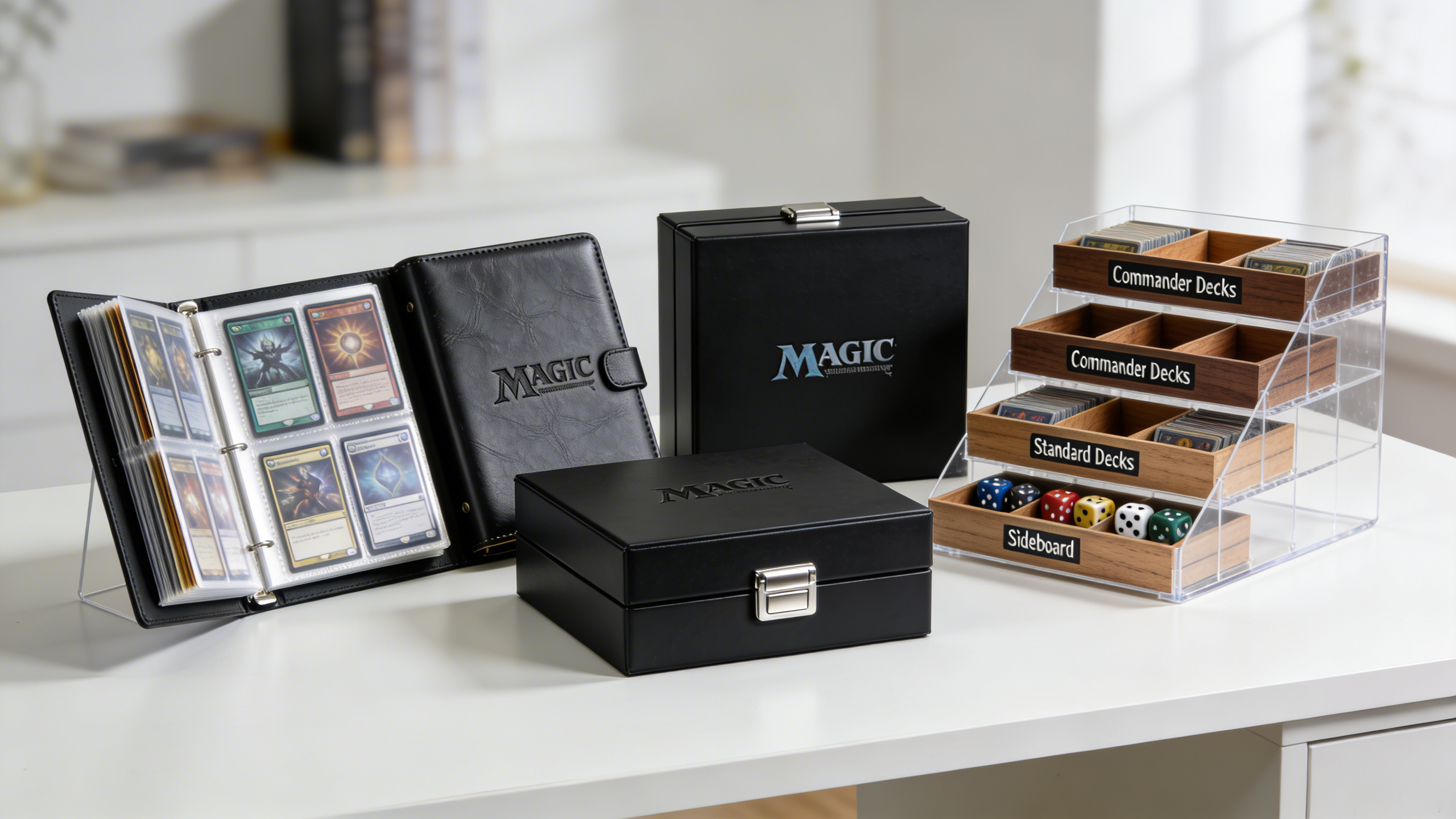
Storage and Organization for Commander Collections
As your collection of mtg commander decks grows, proper storage and organization become essential for protecting your investment and maintaining easy access to your favorite decks. With the average Commander deck containing 100 unique cards worth anywhere from $50 to $500+, implementing the right storage system saves both time and money in the long run.
Best MTG Deck Boxes for Commander
Commander decks require specialized storage due to their 100-card size and frequent sleeving. The Ultimate Guard Boulder 100+ remains the gold standard, offering secure magnetic closure and space for sleeved cards plus tokens. At around $15, it provides excellent protection for decks up to $300 in value.
For premium collections, the Ultra PRO Satin Tower ($25) features a dice compartment and accommodates double-sleeved magic commander decks comfortably. Budget-conscious players can rely on the BCW 100-count plastic deck box ($3), though it lacks the durability for frequent transport.
| Deck Box | Price Range | Capacity | Best For |
|---|---|---|---|
| Ultimate Guard Boulder 100+ | $12-18 | 100+ sleeved | Daily use |
| Ultra PRO Satin Tower | $20-30 | 100+ double-sleeved | Premium decks |
| BCW Plastic Box | $2-5 | 100 sleeved | Budget storage |
Organizing Multiple Decks
Managing multiple magic the gathering commander decks requires systematic organization. Many players use color-coded deck boxes corresponding to their commander’s identity, making deck selection intuitive during game nights. Digital tracking through apps like TCG Radar helps catalog your collection and monitor card values across all decks.
Storage towers like the Ultimate Guard Stack’n’Safe 480+ ($60) can house four to six commander decks vertically, saving shelf space while keeping everything accessible. For larger collections, modular storage systems allow expansion as your mtg starter commander decks evolve into optimized builds.
Protecting Your Investment
Card protection extends beyond deck boxes to include proper sleeving and environmental considerations. Double-sleeving valuable commanders (inner perfect fit + outer sleeve) prevents damage from shuffling and moisture. Store collections in climate-controlled areas, avoiding basements or attics where temperature fluctuations can cause warping.
Insurance documentation becomes crucial for high-value collections. Photograph each deck’s contents and maintain digital records of card conditions and purchase prices. Many mtg deck builder apps include collection tracking features that generate reports suitable for insurance purposes.
Regular maintenance checks every few months ensure sleeves remain intact and cards show no signs of damage. Replace worn sleeves immediately, as damaged protection can lead to marked cards and tournament disqualification.
Commander Deck Values and Market Trends
Understanding the financial landscape of mtg commander decks is crucial for both players and collectors looking to maximize their investment. The Commander format’s popularity has created a dynamic secondary market where certain cards can appreciate significantly over time, while others face reprints that impact their value.
Investment Potential of Commander Cards
The most valuable Commander cards typically fall into several categories: Reserved List cards like Gaea’s Cradle ($400-500), unique legendary creatures from older sets, and powerful staples with limited printings. Cards from sets like Legends and Chronicles often command premium prices due to their age and scarcity. When evaluating magic the gathering commander decks for investment potential, focus on cards that see play across multiple archetypes rather than niche build-arounds.
Tracking card prices has become essential for serious collectors. Using tools like TCG Radar allows you to quickly scan and monitor the current market value of cards in your collection, helping you identify appreciation trends and optimal selling windows.
Market Trends in 2026
The Commander market in 2026 shows several notable patterns. Preconstructed magic commander decks continue to offer excellent entry points, with most retailing between $40-60 while containing $80-120 in singles value. However, reprint announcements can dramatically affect card prices overnight. Recent reprints in Commander Masters 2025 caused cards like Rhystic Study to drop from $45 to $15 within weeks.
New legendary creatures from Standard sets increasingly drive Commander demand, with popular commanders like Atraxa variants maintaining $20-30 price points months after release. The rise of mtg deck builder applications has also democratized deck construction, leading to more targeted single purchases rather than complete deck acquisitions.
Buying and Selling Commander Decks
When purchasing mtg starter commander decks, timing matters significantly. Buying precons at release often yields the best value before singles prices stabilize. For selling, complete optimized decks typically command 70-80% of their singles value due to convenience premiums.
Consider platform fees when selling: TCGPlayer takes 10.9% plus shipping, while local game stores might offer 50-60% cash or 70-80% store credit. Facebook groups and Discord communities often provide the best prices for high-value complete decks, though they require more effort to navigate safely.
Frequently Asked Questions
How much does a good MTG Commander deck cost?
A good Commander deck can range from $25 for preconstructed decks to $500+ for highly optimized builds. Budget-conscious players can build effective decks for $50-100 by focusing on synergy over expensive staples, while competitive decks often require premium cards that drive costs higher.
What is the best Commander deck for beginners?
The 2026 preconstructed Commander decks like "Draconic Dissent" and "Planar Portal" are excellent for beginners, featuring straightforward strategies and clear upgrade paths. These decks provide balanced gameplay out of the box and include comprehensive strategy guides to help new players understand core mechanics.
Can you play Commander with only preconstructed decks?
Yes, preconstructed Commander decks are specifically designed to play against each other and provide balanced, enjoyable gameplay straight out of the box. They offer similar power levels and strategic depth, making them perfect for casual play without requiring additional purchases or modifications.
How often should I upgrade my Commander deck?
Upgrade frequency depends on your playgroup's power level and personal goals, but gradual improvements over time work best for most players. Consider upgrading every few months with 2-5 cards rather than major overhauls, allowing you to test changes and maintain budget control while keeping pace with your local meta.
Are Warhammer 40K Commander decks tournament legal?
Warhammer 40K Commander decks are legal in casual Commander games and most local tournaments that allow the format. However, they're not legal in sanctioned Magic tournaments or competitive formats like Standard or Modern, as they contain Universe Beyond cards that exist outside Magic's multiverse.