Basketball Cards: The Complete Collector’s Guide to Grading, Investing, and Building Your Dream Collection
Basketball cards have evolved from simple collectibles traded on playgrounds to one of the most lucrative and sophisticated investment markets in the trading card world. The explosive growth in recent years has been nothing short of remarkable, with iconic Michael Jordan cards selling for millions of dollars and graded basketball cards reaching unprecedented values. What was once considered a childhood hobby has transformed into a serious alternative investment class, attracting everyone from nostalgic fans reliving their youth to Wall Street professionals diversifying their portfolios with NBA cards.
The appeal of basketball trading cards extends far beyond monetary value, combining the thrill of the hunt with deep connections to legendary players and unforgettable moments in basketball history. Whether you’re drawn to vintage cards from the sport’s golden era or modern parallels featuring today’s superstars, the basketball card market offers opportunities for collectors at every level. From understanding the intricacies of professional grading to identifying undervalued rookie cards before they explode in popularity, success in this market requires knowledge, strategy, and timing.
This comprehensive guide will walk you through every aspect of building a valuable basketball card collection, from the historical evolution of the hobby to advanced investing strategies that can help maximize your returns while enjoying one of the most exciting collectible markets available today.
The Evolution of Basketball Trading Cards: From Hobby to Investment
Basketball cards have transformed from simple collectibles tucked into bubble gum packs to sophisticated investment vehicles commanding six-figure prices at auction. This evolution spans over seven decades, marked by technological innovations, cultural shifts, and market dynamics that have fundamentally changed how collectors and investors approach NBA cards.
History and Milestones in Basketball Card Production
The journey of basketball trading cards began in 1948 with the Bowman Basketball set, featuring 72 cards of college and professional players. This inaugural release established the foundation for what would become a multi-billion dollar industry. The 1950s saw sporadic releases, with Topps entering the market in 1957 before both companies temporarily abandoned basketball cards due to limited interest.
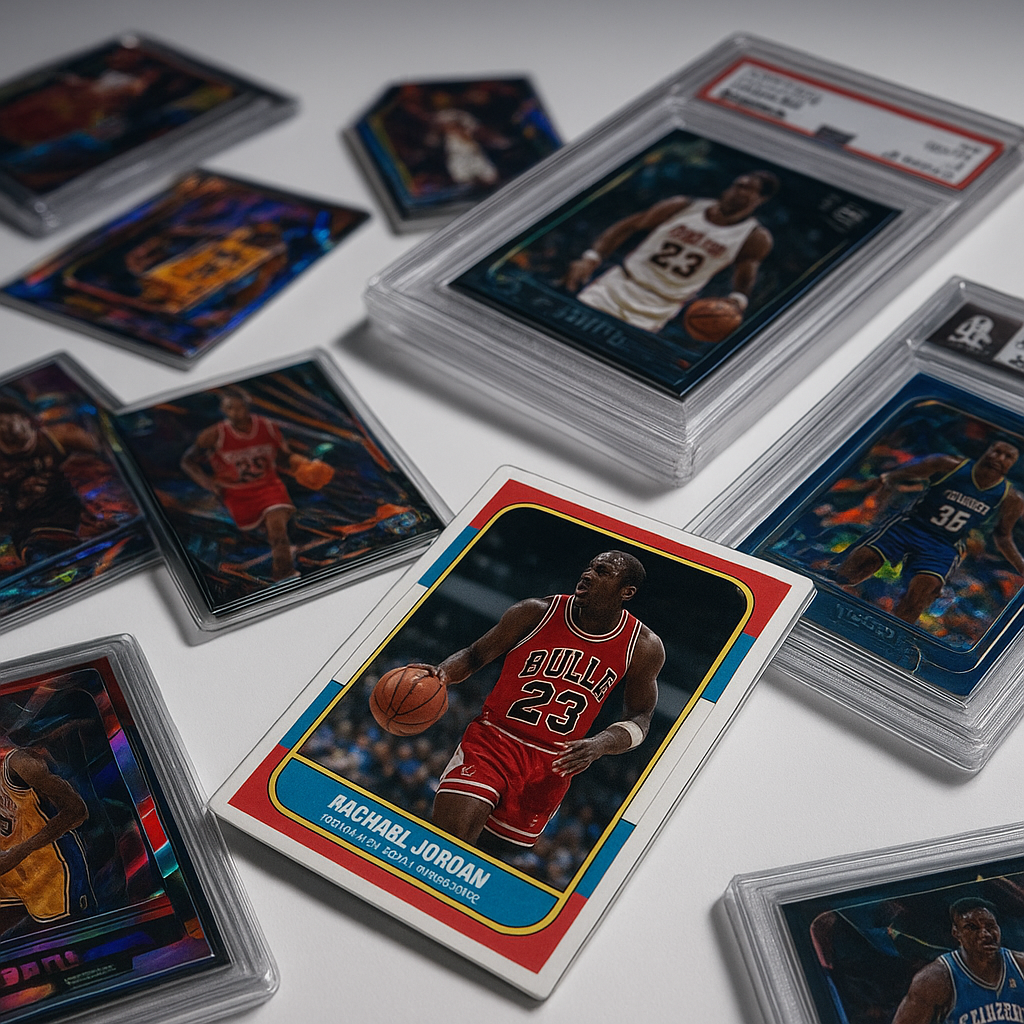
The modern era truly began in 1986 when Fleer broke Topps’ monopoly in sports cards, introducing the iconic 1986-87 Fleer Basketball set. This release featured Michael Jordan’s rookie card, which would become the holy grail of basketball card collecting. The card’s significance cannot be overstated—PSA 10 examples have sold for over $5 million, establishing Jordan as the undisputed king of basketball card values.
The 1990s marked explosive growth with multiple manufacturers entering the market. Upper Deck revolutionized card quality with premium photography and anti-counterfeiting measures, while companies like Skybox and Stadium Club introduced innovative designs. This period established many of the rookie cards that remain valuable today, including cards of Shaquille O’Neal, Kobe Bryant, and Tim Duncan.
The Modern Basketball Card Market Boom
The basketball card market experienced unprecedented growth during the COVID-19 pandemic, with values skyrocketing across all segments. Several factors contributed to this explosion: stimulus money providing disposable income, increased time at home for research and collecting, and social media showcasing high-value pulls and sales.
Graded basketball cards became the focal point of this boom, with professional grading services like PSA and BGS seeing submission volumes increase by over 300% in 2020-2021. The emphasis on condition and authentication transformed how collectors evaluate their investments, making population reports and grade distributions critical factors in pricing.
Modern products now feature elaborate designs, autographs, and game-used memorabilia cards that command premium prices. Rookie cards of current stars like Luka Dončić, Zion Williamson, and LaMelo Ball have achieved valuations rivaling vintage legends, demonstrating the market’s confidence in contemporary players.
Key Manufacturers and Their Impact
Panini America has dominated NBA card production since 2009, holding exclusive licensing rights that position them as the sole manufacturer of official NBA trading cards. This monopoly has allowed Panini to create premium product lines like National Treasures, Flawless, and Immaculate Collection, featuring limited print runs and luxury packaging that appeal to high-end collectors.
Topps, while no longer producing NBA cards, left an indelible mark on the hobby through their vintage releases from the 1950s and their Chrome technology introduced in the late 1990s. Many of the most valuable vintage basketball cards originated from Topps sets, and their legacy continues to influence modern card design and collector preferences.
The exclusive licensing model has created both opportunities and challenges. While Panini’s monopoly ensures consistent branding and official league partnerships, some collectors miss the competition and variety that multiple manufacturers once provided. This dynamic has made identifying valuable cards and tracking market trends more critical than ever—tools like TCG Radar have become essential for collectors seeking to quickly identify and value their basketball cards in this rapidly evolving market.
Today’s basketball card market represents a sophisticated ecosystem where vintage legends coexist with modern rookies, creating investment opportunities across multiple generations of players and products.
Most Valuable Basketball Cards and What Makes Them Special
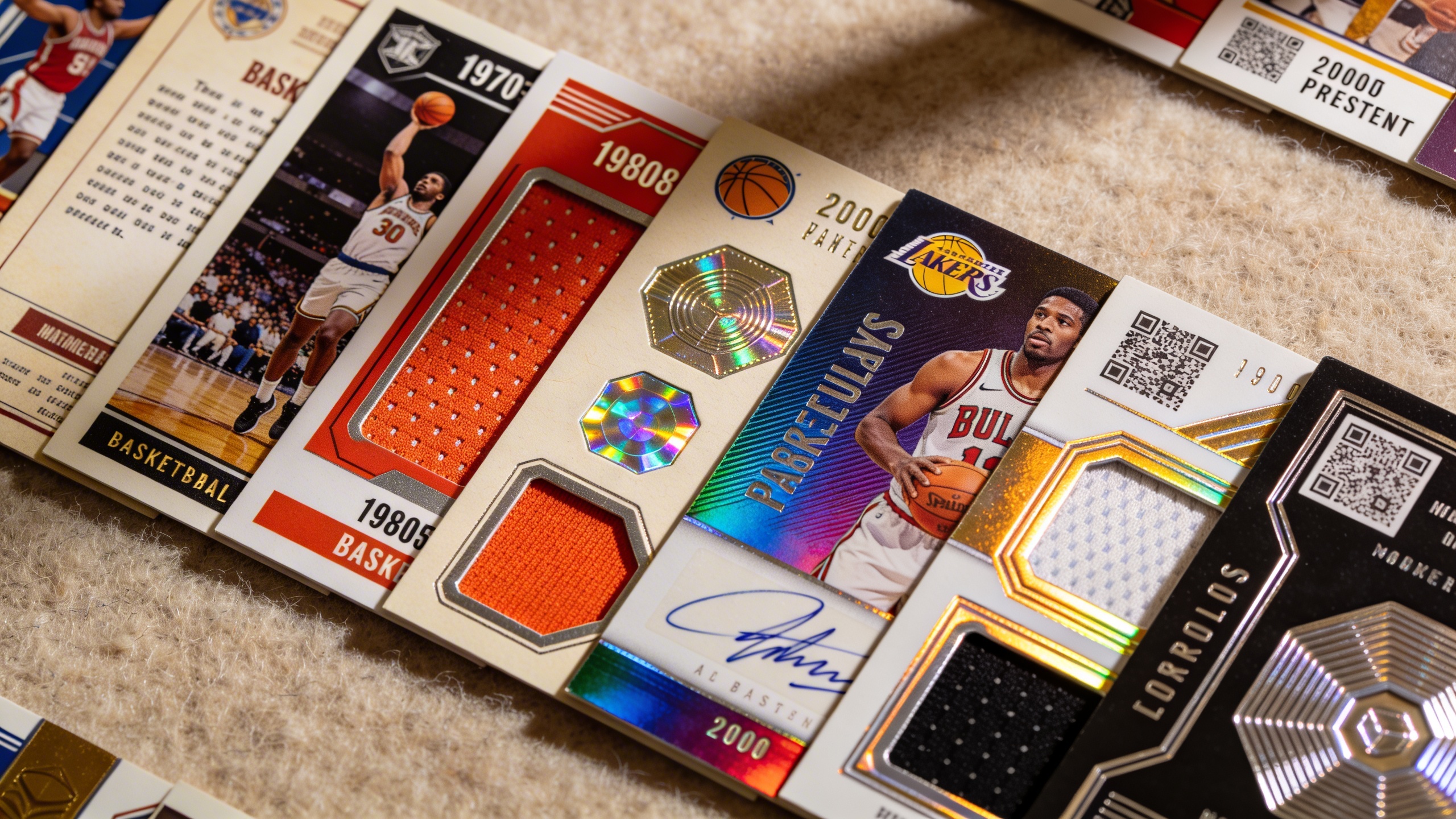
The basketball cards market has evolved into a sophisticated investment landscape where certain cards command astronomical prices and drive entire collecting segments. Understanding what makes these cards special helps collectors identify valuable opportunities and appreciate the artistry behind the hobby’s most coveted pieces.
Michael Jordan Cards: The Holy Grail of Basketball Collecting
No discussion of valuable basketball cards is complete without examining Michael Jordan’s 1986 Fleer rookie card, arguably the most important basketball card ever produced. This iconic card, numbered #57 in the set, represents Jordan’s first mainstream trading card appearance and has become the cornerstone of serious basketball card collections worldwide.
Graded examples of the 1986 Fleer Jordan rookie demonstrate the dramatic impact of condition on value. A PSA 10 example sold for $738,000 in 2021, while PSA 9 copies typically trade between $100,000-$200,000. Even lower grades command substantial premiums, with PSA 8 examples selling for $15,000-$25,000. The card’s distinctive red, white, and blue borders and action photography captured Jordan at the beginning of his legendary career.
Beyond the rookie card, other michael jordan cards hold significant value in the marketplace. The 1997-98 Metal Universe Precious Metal Gems Green parallel, limited to just 10 copies, has sold for over $350,000. The 1986 Fleer Stickers #8 Jordan, featuring the same rookie-year photography in sticker format, commands $20,000-$50,000 in high grades. These cards demonstrate how Jordan’s brand transcends basketball, creating investment-grade collectibles that appreciate consistently over time.
Rookie Cards That Changed the Game
Several rookie cards have redefined what collectors expect from basketball trading cards, both in terms of design innovation and market performance. LeBron James’s 2003-04 Topps Chrome rookie card revolutionized modern basketball card collecting, introducing refractor technology and serial numbering that became industry standards.
The base LeBron Chrome rookie trades for $3,000-$8,000 in PSA 10 condition, while rare parallels command exponentially higher prices. The Black Refractor parallel, numbered to just 500 copies, has reached $75,000 in perfect condition. Similarly, Kobe Bryant’s 1996-97 Topps Chrome rookie card established the Lakers legend’s cardboard legacy, with PSA 10 examples selling for $15,000-$25,000.
Other transformative rookie cards include Tim Duncan’s 1997-98 Topps Chrome, which introduced basketball collectors to the Spurs dynasty era, and Shaquille O’Neal’s 1992-93 Beam Team insert, showcasing innovative holographic technology. These cards prove that basketball cards can serve as both historical artifacts and profitable investments when properly graded and preserved.
Modern Stars and Emerging Investments
Today’s nba cards market focuses heavily on emerging superstars whose rookie cards may become tomorrow’s grails. Luka Doncic’s 2018-19 Panini Prizm rookie card has emerged as the modern era’s most sought-after rookie, with Silver Prizm parallels selling for $8,000-$15,000 in PSA 10 condition and base rookies commanding $800-$1,500.
Zion Williamson’s rookie cards generated unprecedented hype before his NBA debut, with his 2019-20 Panini Prizm Silver rookie reaching $5,000-$8,000 for perfect examples. However, injury concerns have created volatility in his card values, demonstrating how on-court performance directly impacts basketball trading cards investments.
For collectors tracking current market values and authenticating their graded basketball cards, using tools like TCG Radar provides instant price verification and helps identify counterfeit cards in an increasingly sophisticated marketplace.
Emerging stars like Anthony Edwards, LaMelo Ball, and Paolo Banchero represent the next generation of basketball card investments. Their rookie cards from Panini Prizm, Select, and National Treasures sets show strong early performance, though long-term value depends on sustained NBA success. Smart collectors focus on low-population PSA and BGS graded examples of key parallels, understanding that today’s $200 card could become tomorrow’s $20,000 investment with proper timing and player development.
Understanding Basketball Card Grading and Authentication
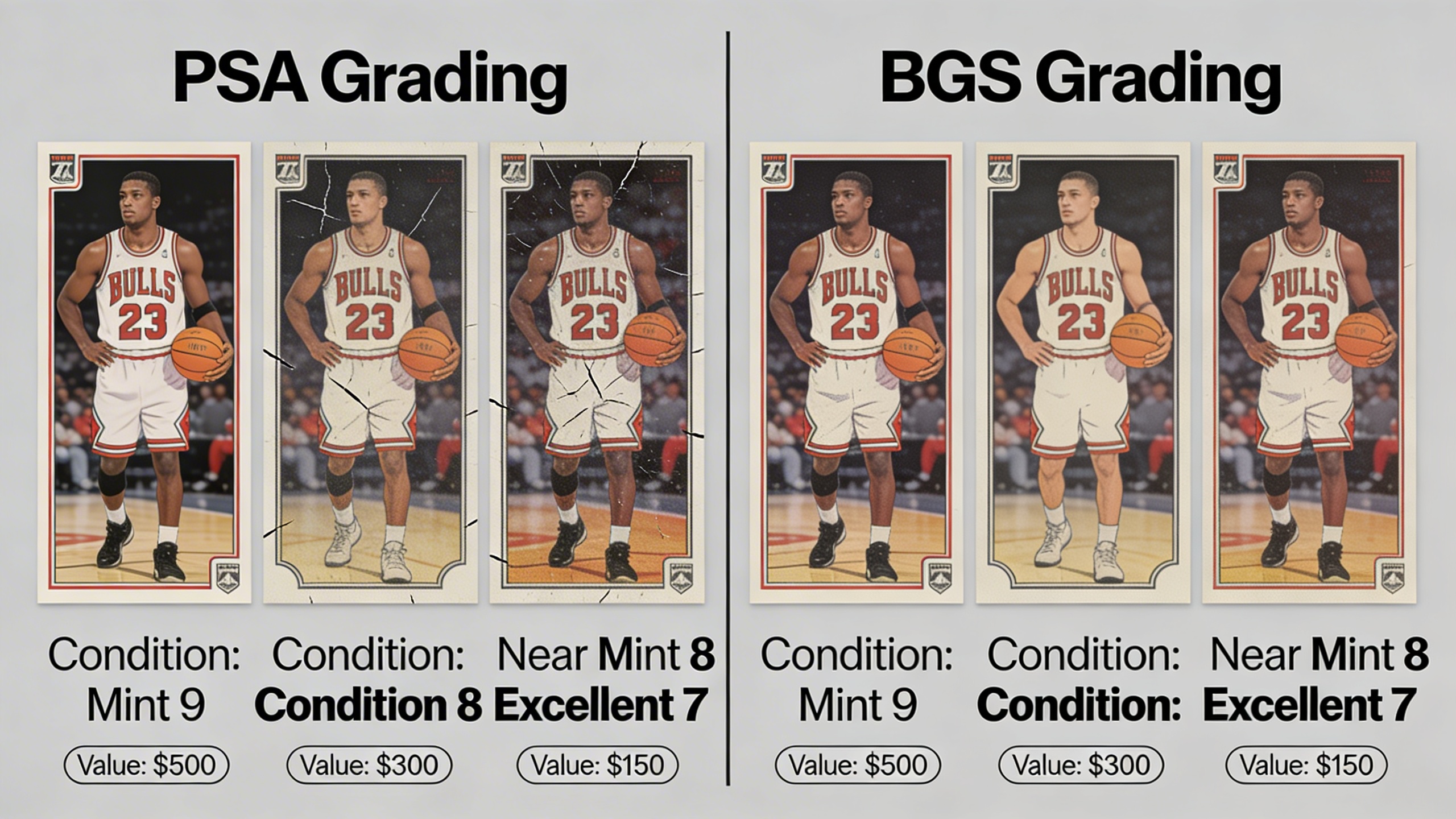
Professional grading has revolutionized basketball card collecting by establishing standardized condition assessments that create market confidence and price transparency. Whether you’re holding vintage Michael Jordan cards or modern rookie sensations, understanding the grading process is essential for maximizing your collection’s value and making informed investment decisions.
Professional Grading Services: PSA vs BGS vs SGC
The three dominant grading companies each bring distinct approaches to evaluating basketball trading cards. Professional Sports Authenticator (PSA) uses a 1-10 scale and commands the highest market premiums, particularly for vintage cards. A PSA 10 1986-87 Fleer Michael Jordan (#57) recently sold for over $350,000, demonstrating PSA’s market influence.
Beckett Grading Services (BGS) employs four sub-grades for centering, corners, edges, and surface, with their coveted Black Label 10 representing perfection across all categories. BGS tends to be stricter on modern cards, making their high grades especially valuable for contemporary NBA cards. Their detailed sub-grading system provides collectors with specific condition insights that justify premium pricing.
Sportscard Guaranty Corporation (SGC) uses a 1-10 scale similar to PSA but with different aesthetic presentation in colored labels. SGC often provides faster turnaround times and competitive pricing, making them increasingly popular among collectors seeking reliable authentication without extended wait periods.
| Service | Scale | Turnaround | Cost Range | Market Premium |
|---|---|---|---|---|
| PSA | 1-10 | 30-180+ days | $20-$10,000+ | Highest |
| BGS | 1-10 (4 sub-grades) | 20-120 days | $20-$2,500+ | High |
| SGC | 1-10 | 15-45 days | $15-$500+ | Moderate |
How Card Condition Affects Value
Grading standards focus on four primary factors: centering, corners, edges, and surface quality. Even minor imperfections can dramatically impact value—a PSA 9 Michael Jordan rookie might sell for $150,000 while a PSA 8 of the same card brings $75,000, demonstrating how single grade differences create substantial value gaps.
Centering examines whether the image sits properly within the card borders, with 60/40 centering typically representing the minimum for high grades. Corner wear, edge chipping, and surface scratches or print defects all factor into final grades. Modern basketball cards often struggle with print lines and centering issues straight from packs, making pristine examples increasingly scarce.
For accurate condition assessment before grading, tools like TCG Radar can help identify cards worth professional evaluation by providing instant market values and condition guidance through advanced scanning technology.
When to Grade Your Basketball Cards
Grading makes financial sense when potential value increases exceed grading costs. Cards worth $100+ in raw condition typically justify grading expenses, especially if they appear to be in excellent condition. Key factors include the card’s current market value, visible condition, and historical price differences between raw and graded examples.
Vintage basketball cards from the 1980s and 1990s almost always benefit from grading due to authentication concerns and condition sensitivity. Modern cards require more careful evaluation—only grade cards that appear pack-fresh with perfect centering and no visible defects.
Consider bulk submission services for multiple cards to reduce per-card costs, but factor in longer turnaround times during peak submission periods. The graded basketball cards market continues expanding, making professional authentication increasingly valuable for serious collectors and investors.
Smart Investing Strategies for Basketball Card Collectors
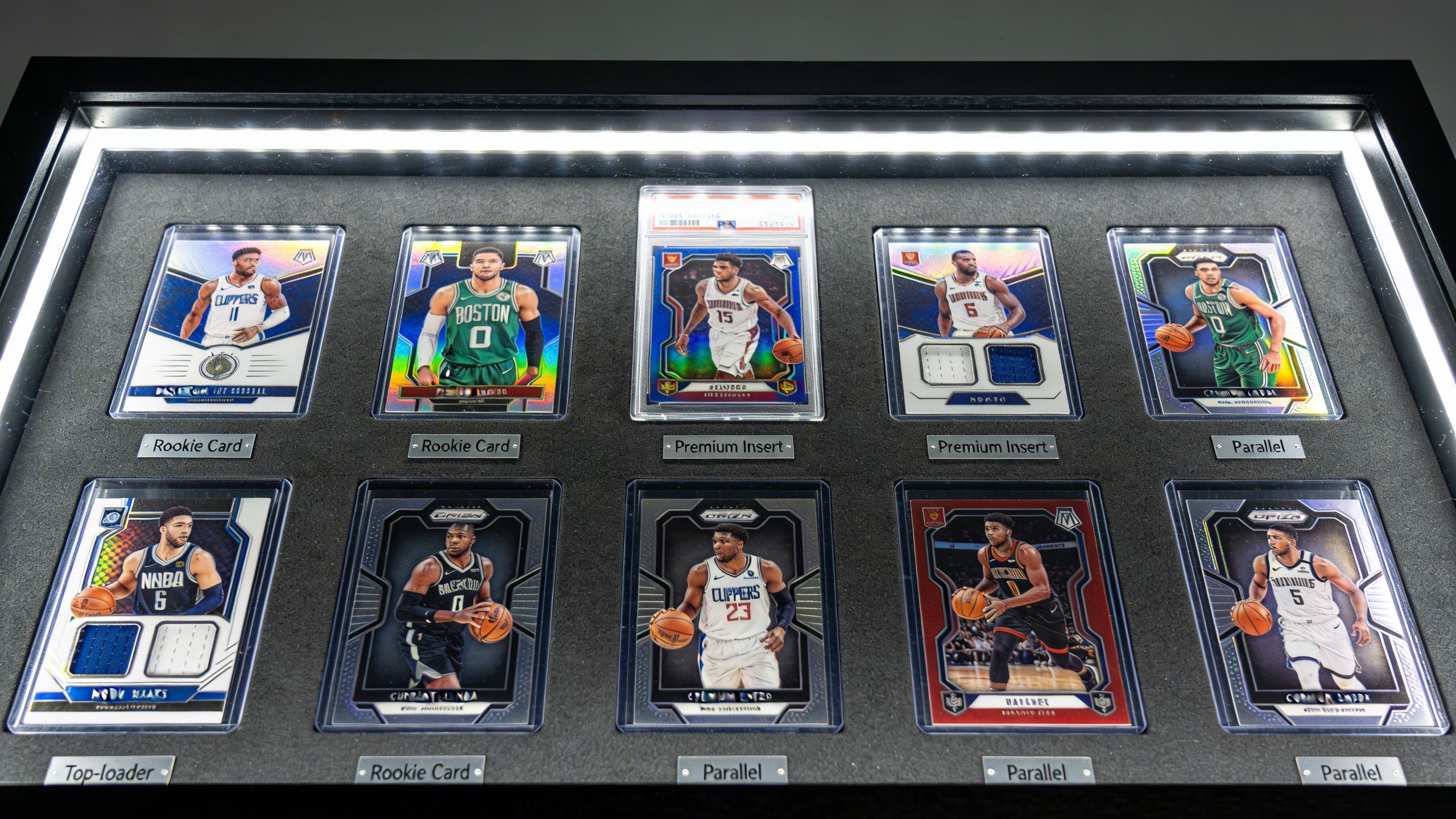
Successful basketball card investing requires more than luck—it demands strategic thinking, market awareness, and disciplined research. The most profitable collectors treat their basketball trading cards like any other investment portfolio, applying proven financial principles while understanding the unique dynamics of the sports card market.
Identifying Undervalued Players and Cards
Finding undervalued opportunities in the basketball cards market starts with comprehensive player analysis. Focus on young players showing consistent improvement in key statistics like Player Efficiency Rating (PER), usage rate, and advanced metrics. Rookies who exceed expectations in their first two seasons often see significant card value increases before the broader market catches up.
Research extends beyond on-court performance. Monitor team dynamics, coaching changes, and potential trades that could elevate a player’s role. For example, Ja Morant’s cards surged when he became Memphis’s primary ball handler, while Scottie Barnes benefited from increased usage after Pascal Siakam’s injury. Use tools like TCG Radar to track real-time price movements and identify cards experiencing unusual volume spikes before they become widely noticed.
Vintage cards present different opportunities. Look for Hall of Fame players whose cards trade below comparable peers. Examine population reports from PSA and BGS to identify scarce high-grade examples. Sometimes legendary players like Kareem Abdul-Jabbar or Magic Johnson have specific rookie cards that remain undervalued compared to Michael Jordan cards from similar eras.
Market Timing and Seasonal Trends
NBA cards follow predictable seasonal patterns that smart collectors exploit. Values typically peak during playoff runs, especially for star players on contending teams. LeBron James cards consistently surge during Lakers playoff appearances, while emerging stars like Jayson Tatum see spikes during deep Boston runs.
The optimal buying window often occurs during the summer offseason when casual interest wanes. July through September frequently offers the best prices on graded basketball cards, as collectors sell to fund new releases or reduce holdings. Conversely, avoid major purchases during All-Star weekend and playoffs when demand peaks.
Rookie card releases follow distinct cycles. Prices often dip 2-3 months after initial release as supply increases and hype subsides. Patient collectors can acquire promising rookies at significant discounts during these correction periods. Monitor NBA draft results and summer league performances to identify early breakout candidates before their cards recover.
| Season Period | Market Conditions | Strategy |
|---|---|---|
| October-December | Rising interest, new releases | Sell established stars, research rookies |
| January-March | All-Star hype, trade deadline | Monitor breakout candidates |
| April-June | Playoff premiums | Sell playoff performers |
| July-September | Market softening | Accumulate targets at discounts |
Portfolio Diversification in Card Collecting
Successful basketball card portfolios balance risk across multiple categories. Allocate 40-50% to established vintage stars like Michael Jordan, Kobe Bryant, and Larry Bird for stability. These blue-chip investments provide steady appreciation and liquidity during market downturns.
Reserve 25-30% for modern superstars in their prime earning years. Players like Stephen Curry, Kevin Durant, and Giannis Antetokounmpo offer growth potential while maintaining strong demand. Focus on their rookie cards and key parallels from flagship sets.
Dedicate 15-20% to emerging stars and prospects—players entering their second through fifth seasons who show All-Star potential. This category carries higher risk but offers explosive upside when players break through to superstar status.
The remaining 5-10% can target speculative plays: international prospects, college standouts, or retired players experiencing renewed interest. Diversify across different card manufacturers, years, and price points to minimize concentration risk.
Regular portfolio rebalancing ensures optimal allocation as market conditions change. Quarterly reviews help identify when to take profits on overperforming segments and redirect funds toward undervalued opportunities in your basketball trading cards collection.
Popular Basketball Card Sets and Products to Collect
The basketball cards market offers an extensive range of products, from accessible flagship sets perfect for beginners to premium releases that command thousands of dollars. Understanding the landscape of available products helps collectors make informed decisions about where to invest their time and money, whether building a comprehensive collection or targeting specific high-value cards.
Flagship Sets Every Collector Should Know
Panini’s annual flagship releases form the foundation of modern basketball trading cards collecting. Panini Donruss serves as the entry-level product, typically releasing in late fall with base cards, rookies, and basic parallels at an affordable price point. The set consistently features clean designs and solid rookie card content, making it ideal for new collectors.
Panini Hoops represents another accessible option, often releasing earlier in the season with vibrant designs and extensive rookie coverage. These sets provide excellent value for collectors seeking to build complete rainbow collections of their favorite players without breaking the bank. Both products regularly feature michael jordan cards in various insert sets, maintaining connection to basketball’s greatest legends.
For collectors seeking middle-tier options, Panini Contenders offers a perfect balance of affordability and premium content. The product’s Rookie Ticket Autographs have become highly sought-after, featuring on-card signatures from first-year players. These graded basketball cards often appreciate significantly when players develop into stars.
Premium and High-End Product Lines
Panini Prizm stands as the crown jewel of basketball card products, releasing annually in both retail and hobby configurations. The set’s refractor-style technology creates stunning visual appeal, while its extensive parallel structure offers collecting opportunities at every budget level. Silver Prizms serve as the base parallel, with numbered versions including Gold (/10), Black (/1), and the coveted 1/1 Black Gold parallels.
Panini Select elevates the premium experience with its tri-color design and multiple tiers of parallels. The product features Concourse, Premier Level, and Courtside parallels, each offering different levels of scarcity and visual appeal. Select consistently delivers strong rookie content and veteran star cards that perform well in the secondary market.
For collectors with substantial budgets, products like National Treasures and Immaculate Collection represent the pinnacle of basketball trading cards. These ultra-premium releases feature low print runs, extensive autograph and memorabilia content, and price points often exceeding $500 per pack. The cards from these products regularly achieve four and five-figure sales when featuring top players.
Insert Cards and Special Parallels
Modern nba cards feature complex parallel structures that create multiple collecting tiers within single products. Base parallels typically include Silver, Gold, and various numbered versions, while special parallels might feature different foil patterns, colors, or printing techniques. Understanding these parallel hierarchies helps collectors identify the most valuable versions of specific cards.
Autograph cards range from sticker autographs in lower-end products to premium on-card signatures in high-end releases. Memorabilia cards incorporate game-used jerseys, shoes, or basketballs, with patch cards featuring larger, more distinctive fabric pieces commanding premium prices. When evaluating these special cards for potential grading and resale, tools like TCG Radar can help quickly identify current market values and guide purchasing decisions.
Insert sets within flagship products often celebrate specific themes, achievements, or player milestones, creating additional collecting opportunities beyond base cards and parallels.
Building and Managing Your Basketball Card Collection
Successfully building a valuable basketball cards collection requires more than just acquiring great cards—it demands systematic organization, proper preservation, and strategic documentation. Whether you’re pursuing vintage Michael Jordan cards or modern NBA cards, implementing professional collection management practices from day one will maximize both your enjoyment and investment returns.
Storage and Preservation Best Practices
Protecting your basketball trading cards begins with choosing the right storage materials. Use acid-free card sleeves and top loaders for individual cards, ensuring each card is completely protected from fingerprints, dust, and moisture. For graded basketball cards, magnetic holders or specialized graded card storage boxes provide optimal protection while allowing easy viewing.
Environmental control is crucial for long-term preservation. Maintain storage areas at 65-70°F with 45-55% humidity levels. Avoid basements, attics, and areas near heating/cooling vents where temperature fluctuations occur. UV-resistant storage boxes shield cards from light damage, while silica gel packets help control moisture in sealed containers.
Consider investing in a fireproof safe or safety deposit box for your most valuable cards. High-grade Michael Jordan rookies, rare vintage cards, and other premium pieces deserve maximum security. Many collectors use a tiered storage system: everyday cards in standard boxes, valuable raw cards in top loaders, and graded gems in specialized storage or safes.
Organizing Your Collection for Maximum Value
Effective organization transforms a random assortment into a valuable, manageable collection. Start by categorizing cards logically: by player, team, year, or set. Many collectors organize chronologically within player collections, making it easier to track career progression and identify gaps.
Digital cataloging is essential for serious collectors. Spreadsheet programs work well for basic inventory tracking, recording card details, condition notes, purchase prices, and current values. For larger collections, dedicated collecting software or apps provide advanced features like automatic value updates and detailed reporting.
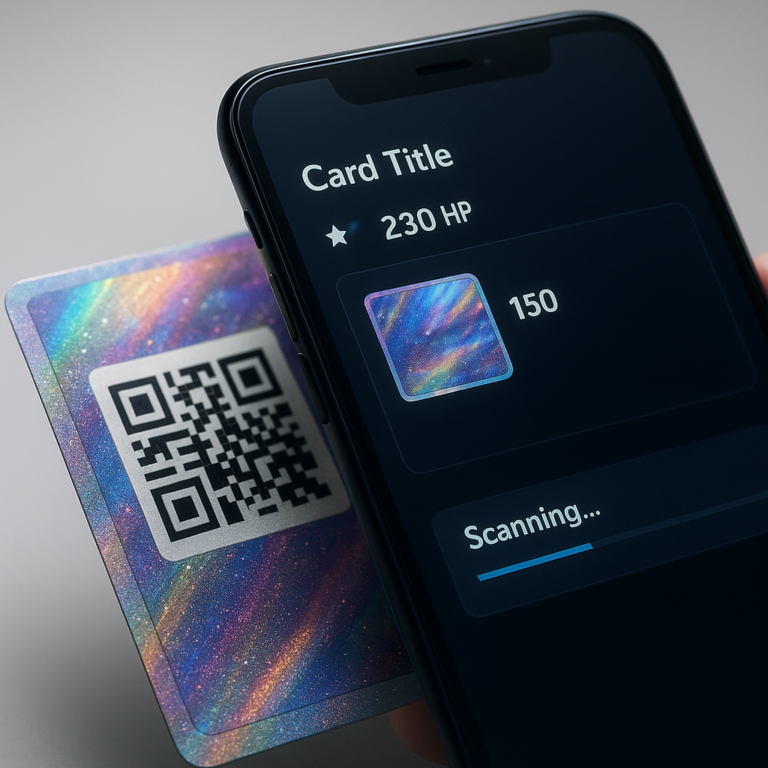
When managing your collection digitally, TCG Radar offers the fastest and most accurate card scanning technology available. Simply scan your basketball cards to instantly identify them, check current market values, and build a comprehensive digital inventory. This streamlines the cataloging process while ensuring accurate card identification and up-to-date pricing information.
Create detailed condition notes for ungraded cards, using standard terminology (Near Mint, Excellent, etc.). Photograph valuable cards from multiple angles, documenting any flaws or unique characteristics. This documentation proves invaluable for insurance claims, sales, or future grading decisions.
Insurance and Documentation
Protecting your investment through proper insurance coverage is non-negotiable for valuable collections. Standard homeowner’s or renter’s insurance typically provides minimal coverage for collectibles, often capping claims at $1,000-$2,500 total.
Specialized collectibles insurance offers comprehensive protection tailored to card collections. Companies like Collectibles Insurance Services provide agreed-value coverage, meaning you and the insurer agree on each item’s value upfront. This eliminates disputes during claims and ensures full replacement value for covered losses.
Maintain detailed documentation for insurance purposes. Keep purchase receipts, grading certificates, and professional appraisals in a secure location separate from your cards. Update your inventory regularly, especially after significant purchases or when market values change substantially. Many insurers require annual appraisals for high-value collections, making accurate record-keeping essential for maintaining coverage.
Where to Buy and Sell Basketball Cards in 2026
The basketball card marketplace has evolved dramatically, offering collectors multiple avenues to buy and sell their prized NBA cards. Whether you’re hunting for vintage Michael Jordan cards or modern parallels, understanding each platform’s strengths helps maximize both your purchasing power and selling potential.
Online Marketplaces and Auction Platforms
eBay remains the dominant force in basketball card sales, processing millions of transactions annually. The platform’s auction format creates true market value discovery, especially for rare graded basketball cards. Completed listings provide invaluable pricing data, while the Global Shipping Program reaches international collectors seeking specific pieces.
Check Out My Cards (COMC) offers a unique consignment model where professional photography and storage eliminate shipping hassles. Their fixed-price system works particularly well for mid-range basketball trading cards, typically those valued between $10-$500. COMC’s quarterly promotions often reduce seller fees significantly.
PWCC Marketplace has emerged as the premier destination for high-end sales, regularly achieving record prices for PSA 10 Michael Jordan rookies and other investment-grade pieces. Their monthly Premier Auctions attract serious collectors willing to pay premium prices for exceptional condition cards.
For real-time price checking and collection management, TCG Radar provides instant card identification and current market values across multiple platforms, making it easier to spot profitable buying opportunities or determine optimal selling times.
Local Card Shops and Card Shows
Local card shops offer immediate gratification and relationship building that online platforms cannot match. Experienced shop owners often provide authentication expertise and market insights, particularly valuable when evaluating ungraded vintage pieces. Many shops offer trade credit at favorable rates, allowing collectors to upgrade their collections efficiently.
Card shows create concentrated buying opportunities with dozens of dealers under one roof. Major shows like the National Sports Collectors Convention feature exclusive releases and autograph opportunities. Regional shows often yield better deals on basketball cards as dealers compete directly for sales.
Building relationships with reputable dealers provides access to private inventory and first looks at new arrivals. Many dealers reserve their best pieces for trusted customers, creating advantages unavailable through anonymous online transactions.
Breaking and Group Buying Trends
Pack breaking has revolutionized how collectors access premium products. Professional breakers purchase entire cases of high-end releases, selling individual team slots or player spots to participants. This democratizes access to products like Panini Flawless or National Treasures that individual collectors might find prohibitively expensive.
Group buying cooperatives allow members to purchase sealed products at wholesale prices by combining orders. These groups often secure exclusive allocations of limited releases, providing members with retail access to products that typically sell above MSRP.
Live breaking streams on platforms like Whatnot and eBay Live create entertainment value while offering competitive pricing on individual spots. Successful breakers build loyal followings, often providing better customer service than traditional retail channels.
Frequently Asked Questions
What Michael Jordan cards are worth the most money?
The 1986 Fleer Michael Jordan rookie card (#57) is the most valuable, with PSA 10 examples selling for $300,000+. Other high-value MJ cards include the 1997 Metal Universe Precious Metal Gems Green (#23) which can reach $100,000+, and the 1986 Fleer Sticker (#8) valued at $50,000+ in top condition. These cards command premium prices due to their iconic status, rarity, and Jordan's legendary career impact.
Should I get my basketball cards graded?
Grading makes financial sense for cards worth $100+ in raw condition, especially vintage rookies, rare inserts, and modern parallels in mint condition. The grading fee (typically $20-100) should represent less than 20% of the card's potential graded value to justify the cost. Cards with visible damage, centering issues, or low market demand are generally not worth grading.
What are the best basketball cards to invest in right now?
Current top investment targets include rookie cards of emerging stars like Victor Wembanyama, Chet Holmgren, and Paolo Banchero from products like Panini Prizm and Select. Vintage cards from the 1980s-1990s featuring Hall of Famers remain strong long-term investments, particularly high-grade examples. Modern parallels and autographed cards of established superstars like Luka Dončić and Jayson Tatum also show consistent appreciation potential.
How do I know if my basketball cards are authentic?
Authentic cards have consistent print quality, proper card stock thickness, and accurate colors that match known examples. Red flags include blurry images, incorrect fonts, poor centering, and unusual card stock feel or weight. Professional grading services like PSA, BGS, and SGC authenticate cards during the grading process, providing the most reliable verification for valuable cards.
What's the difference between Panini Prizm and Select basketball cards?
Panini Prizm features a distinctive prismatic foil design with rainbow-like color variations and is generally more affordable with higher print runs. Select offers a more premium product with cleaner designs, lower print runs, and typically commands higher market prices. Both products feature similar parallel structures and rookie cards, but Select is positioned as the higher-end option with better long-term value retention.