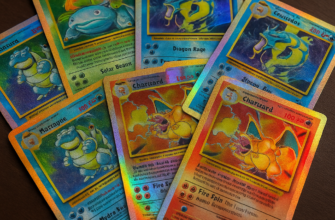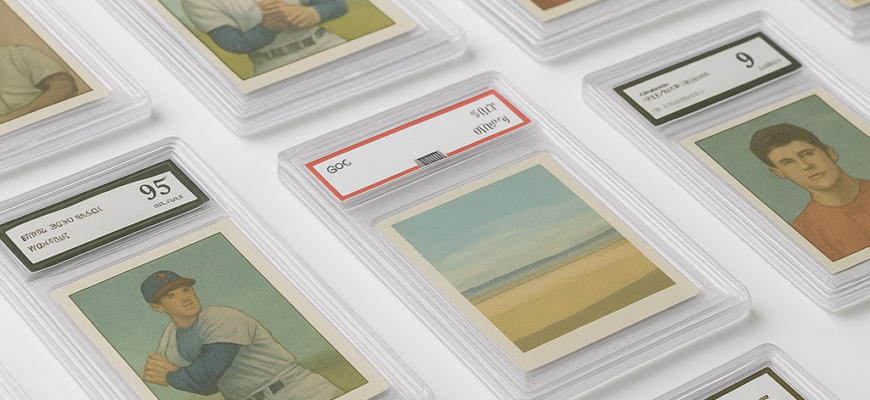
Professional card grading has become an essential cornerstone of the modern trading card market, transforming how collectors protect their investments and verify authenticity. Whether you’re holding a vintage rookie card or a recent chase card pull, the difference between a raw card and a professionally graded specimen can mean thousands of dollars in value. The best grading services provide tamper-proof encapsulation, expert authentication, and standardized condition assessment that buyers trust worldwide. With counterfeits becoming increasingly sophisticated and card values reaching record highs, professional grading offers the peace of mind that serious collectors demand.
The grading landscape in 2026 offers more choices than ever before, from industry giants to emerging companies like CDC grading and specialized services such as mint grading service options. This comprehensive guide examines everything from premium authentication services to the cheapest grading service alternatives that don’t compromise on quality. We’ll explore established leaders, budget-friendly options including gma grading company, regional specialists, and innovative newcomers reshaping the industry. You’ll discover detailed comparisons of pricing structures, turnaround times, holder quality, and market acceptance to help you make informed decisions about protecting your most valuable cards.
- Top Tier Card Grading Services: Industry Leaders
- PSA (Professional Sports Authenticator)
- BGS (Beckett Grading Services)
- CGC Trading Cards
- Budget-Friendly Grading Options: Quality on a Budget
- GMA Grading Company
- Mint Grading Service
- CCG Grading Company
- Emerging and Regional Grading Services
- CDC Grading
- Dansk Grading Service
- Other Notable Regional Options
- Grading Service Comparison: Features and Pricing
- Pricing Structure Breakdown
- Turnaround Time Analysis
- Special Services and Add-ons
- Choosing the Right Grading Service for Your Cards
- High-Value Cards vs. Modern Cards
- Submission Strategy and Timing
- Market Trends and Resale Considerations
- Submission Process and Best Practices
- Preparing Cards for Submission
- Packaging and Shipping Guidelines
- Tracking and Insurance Options
- Future of Card Grading: 2026 Trends and Innovations
- Technology Integration and AI
- Market Consolidation and New Players
- Sustainability and Environmental Considerations
Top Tier Card Grading Services: Industry Leaders
When collectors consider the best grading services for their valuable trading cards, three companies consistently dominate the conversation: PSA, BGS, and CGC Trading Cards. These industry leaders have established themselves through decades of consistent grading standards, widespread market acceptance, and proven track records that directly impact resale values. Understanding each service’s strengths helps collectors make informed decisions about where to send their most prized cards.
PSA (Professional Sports Authenticator)
PSA remains the gold standard in sports card grading, with their distinctive red labels commanding premium prices in the secondary market. A PSA 10 Gem Mint card typically sells for 20-40% more than the same card graded by competing services, making PSA the preferred choice for high-value vintage and modern cards.
The company’s grading scale runs from 1-10, with half-point grades available for cards scoring 8.5 or higher. PSA’s consistency has improved significantly since 2022, when they implemented enhanced quality control measures following criticism about grading standards. Current turnaround times range from 10 business days for their Super Express service ($300 per card) to 65 business days for Regular service ($25 per card).
PSA’s authentication technology includes tamper-evident holders with unique certification numbers, detailed population reports, and their Set Registry platform that gamifies collecting. For collectors seeking maximum resale value, PSA represents the industry benchmark, though it’s certainly not the cheapest grading service available.
BGS (Beckett Grading Services)
Beckett Grading Services offers the most detailed grading breakdown in the industry, providing four separate sub-grades for centering, corners, edges, and surface quality. This comprehensive approach appeals to collectors who want specific feedback about their cards’ condition, making BGS particularly popular for modern cards where condition nuances matter significantly.
The coveted BGS Black Label 10 represents perfection across all four sub-categories, with these cards often selling for substantial premiums over standard 10-grade cards from any service. BGS 9.5 Gem Mint cards with strong sub-grades frequently compete with PSA 10s in terms of market value, especially for modern releases.
Current BGS pricing starts at $20 per card for Standard service (45-day turnaround) and scales up to $250 for 2-day Express service. Their mint grading service includes detailed photography and comprehensive condition analysis that many collectors find invaluable for understanding their cards’ precise condition.
CGC Trading Cards
CGC Trading Cards has rapidly gained market share since entering the trading card space in 2020, leveraging their established reputation from comic book grading. Their competitive pricing and faster turnaround times have attracted collectors looking for professional grading without PSA’s premium costs or lengthy wait times.
CGC’s grading standards align closely with industry norms, using a 10-point scale with half-point increments. Their holders feature clear, modern designs with excellent card visibility, and their population tracking provides valuable market data. While CGC-graded cards don’t yet command the same premiums as PSA or BGS, the gap has narrowed considerably, particularly for modern cards.
Pricing starts at $12 per card for Economy service (45-60 business days), making CGC attractive for collectors grading mid-tier cards where the cost-benefit analysis favors more affordable options. Their Express service ($75 per card, 10 business days) offers reasonable speed for time-sensitive submissions.
CGC’s authentication features include UV-reactive holders, detailed imaging, and comprehensive certification lookup tools. For collectors managing large collections and tracking values, using TCG Radar alongside CGC’s services provides an excellent combination of professional grading and real-time market data.
Each of these top-tier services offers distinct advantages depending on your collecting goals. PSA maximizes resale value for premium cards, BGS provides the most detailed condition analysis, and CGC offers competitive quality at more accessible price points. While alternatives like gma grading company and cdc grading exist in the market, these three leaders have established the standards that define professional card grading in 2026.
Budget-Friendly Grading Options: Quality on a Budget
While premium grading services offer prestige and maximum market value, budget-friendly alternatives provide excellent authentication and protection at a fraction of the cost. These services have carved out significant market share by delivering reliable grading standards with faster turnaround times, making them ideal for collectors who prioritize protection over premium market recognition.
Budget grading services typically charge $8-15 per card compared to $20-50+ for premium options, allowing collectors to grade larger portions of their collections without breaking the bank. The quality gap has narrowed considerably in recent years, with many budget services adopting similar authentication technologies and holder designs.
GMA Grading Company
GMA Grading Company stands as one of the most established budget-friendly options in the trading card authentication market. Founded in 2000, GMA has graded millions of cards across all major TCGs and sports categories, building a solid reputation for consistency and reliability.
GMA’s pricing structure remains highly competitive at $6-12 per card depending on service level and declared value. Their standard turnaround time of 10-15 business days significantly outpaces premium competitors, making them an excellent choice for collectors who need cards back quickly for sales or trades.
The company uses a 10-point grading scale similar to industry leaders, with clear subgrades for centering, corners, edges, and surface quality. While GMA 10s don’t command the same premiums as PSA or BGS 10s, they typically sell for 60-80% of comparable premium grades, offering solid value for mid-tier cards.
Best use cases for GMA include vintage commons, modern parallels, and cards valued under $100 where the grading cost represents a reasonable percentage of the card’s value. Many dealers use GMA for inventory protection and authentication without the premium service markup.
Mint Grading Service
Mint Grading Service has emerged as a quality-focused budget alternative, particularly popular among Pokemon and modern sports card collectors. Their transparent pricing at $10-15 per card includes detailed photography and comprehensive condition analysis.
What sets Mint Grading Service apart is their customer-centric approach and detailed grading reports. Each card receives extensive documentation including high-resolution photos of any defects, making their grades highly defensible in secondary market transactions. Their holders feature tamper-evident security features and UV protection comparable to premium services.
The service excels in modern card grading, with particular expertise in Pokemon, Yu-Gi-Oh!, and contemporary sports releases. Their 12-20 business day turnaround includes tracking and insurance, providing peace of mind for valuable submissions.
Mint Grading Service grades are gaining recognition in online marketplaces, with their 9.5 and 10 grades achieving strong sale prices. For collectors building graded sets or protecting modern pulls, they offer an excellent balance of quality and affordability.
CCG Grading Company
CCG Grading Company focuses specifically on trading card games, bringing specialized expertise to Pokemon, Magic: The Gathering, and Yu-Gi-Oh! authentication. Their TCG-specific knowledge translates to more accurate grading of game-specific condition factors like playability and tournament legality.
Pricing starts at $8 per card with volume discounts available for submissions over 50 cards. CCG’s 7-14 day turnaround makes them one of the fastest options available, crucial for competitive players who need cards back for upcoming tournaments.
The company’s grading standards emphasize factors most relevant to TCG collectors: edge wear that affects shuffling, surface scratches that impact readability, and corner damage that influences card durability. This specialized approach often results in grades that better reflect a card’s actual condition for gameplay purposes.
For collectors managing large TCG collections, tools like TCG Radar can help identify which cards are worth grading by quickly scanning and checking current market values, ensuring your grading budget targets the most profitable candidates.
CCG Grading Company works particularly well for tournament players, casual collectors building graded playsets, and investors focusing on TCG-specific market segments where their specialized expertise adds genuine value to the authentication process.
Emerging and Regional Grading Services
While PSA and BGS dominate the grading landscape, several emerging and regional services are carving out their own niches by offering specialized features, competitive pricing, and faster turnaround times. These companies often provide excellent value for collectors who don’t need the premium market recognition of the top-tier services.
CDC Grading
Card Doctoring Company (CDC) has emerged as one of the most promising new players in the grading industry. Founded by experienced collectors who understood the market’s need for reliable yet affordable authentication, cdc grading offers several advantages that make it attractive to both budget-conscious collectors and those seeking faster service.
CDC’s grading scale follows the traditional 1-10 system, with half-point increments for grades 6 and above. Their slabs feature tamper-evident technology and clear labeling that includes card details, grade, and authentication verification. Pricing starts at $12 per card for standard service with 15-20 business day turnaround, making it significantly more affordable than premium services while maintaining professional standards.
The company has gained particular traction in the Pokemon and modern sports card communities, where collectors appreciate the balance of quality grading and reasonable costs. CDC also offers specialty services for oversized cards and unique items that some larger companies won’t accommodate.
Dansk Grading Service
Dansk Grading Service represents the growing trend of regional grading companies serving specific geographic markets. Based in Europe, Dansk has built a strong reputation among European collectors who want to avoid international shipping costs and extended wait times associated with sending cards to US-based services.
What sets Dansk apart is their focus on European trading card markets, including region-specific releases and promotional cards that US graders might not fully understand. Their graders have extensive knowledge of European Pokemon releases, soccer cards, and other regionally popular TCGs. Standard grading runs approximately €15-20 per card, with express options available for time-sensitive submissions.
The service uses high-quality slabs with multilingual labeling, making graded cards accessible to collectors across different European markets. While Dansk-graded cards don’t command the same premiums as PSA or BGS in the global market, they’re increasingly accepted in European trading communities and online marketplaces.
Other Notable Regional Options
Several other regional services deserve mention among the best grading services for specific markets and applications. GMA (Global Authentication) has positioned itself as one of the cheapest grading service options, with basic submissions starting around $6 per card. While GMA cards don’t achieve premium market values, they provide authentication and protection for mid-tier collections where cost is the primary concern.
In Asia, companies like ACE Grading and JSA (Japanese Sports Authentication) serve local markets with specialized knowledge of Japanese cards and cultural nuances in condition assessment. These services often grade items that Western companies might reject or misunderstand.
For collectors managing large collections across multiple grading services, tools like TCG Radar can help track values and identify which cards might benefit from professional grading based on current market conditions.
The emergence of these regional and specialized services reflects the trading card market’s maturation and diversification. While they may not offer the universal market recognition of established leaders, they provide valuable alternatives for collectors seeking specific expertise, faster service, or more affordable options for their grading needs.

Grading Service Comparison: Features and Pricing
Choosing the right grading service requires careful consideration of pricing structures, turnaround times, and available features. Each company offers different value propositions, from premium authentication to budget-friendly bulk options. Understanding these differences helps collectors maximize their investment while meeting specific collection goals.
Pricing Structure Breakdown
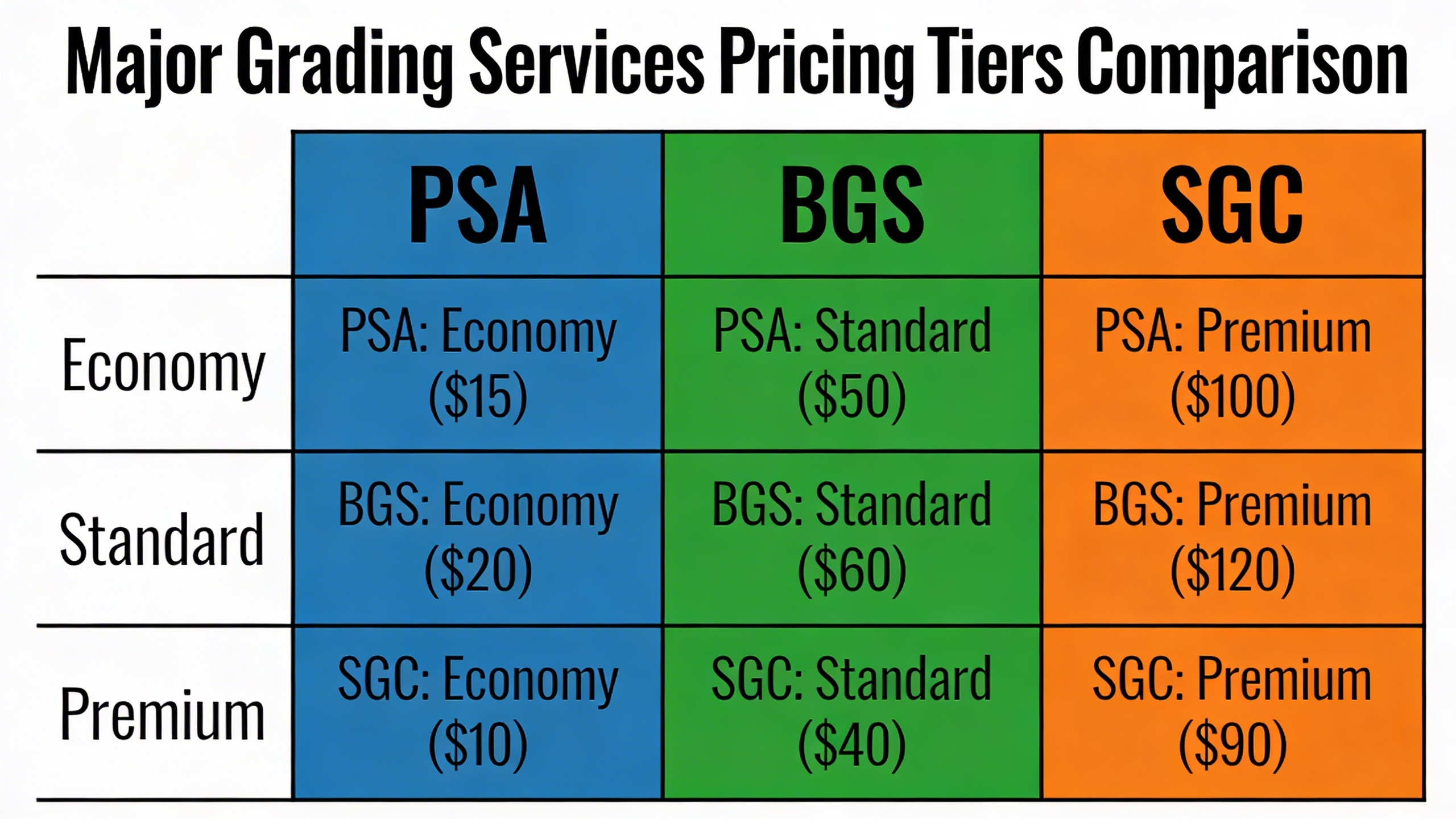
Grading costs vary significantly across services, with pricing tiers typically based on card value and desired turnaround time. PSA leads the premium market with standard grading starting at $25 per card for Regular service (cards valued under $499), while their Express service costs $75 per card with faster processing. BGS follows similar pricing at $22 for Standard and $60 for Express submissions.
| Service | Standard Price | Express Price | Bulk Minimum | Bulk Discount |
|---|---|---|---|---|
| PSA | $25 | $75 | 20 cards | 15% off |
| BGS | $22 | $60 | 50 cards | 20% off |
| SGC | $18 | $45 | 25 cards | 25% off |
| CGC | $16 | $35 | 10 cards | 30% off |
| HGA | $15 | $30 | 5 cards | 35% off |
Among budget options, GMA grading company offers some of the most competitive rates at $6 per card for standard service, making it an attractive cheapest grading service for collectors building large graded collections. CDC grading provides middle-ground pricing at $12 per card with solid authentication standards, while mint grading service options like MNT start at $8 per card with quick processing times.
Value-based pricing tiers become crucial for high-end cards. PSA charges $100 for cards valued $500-$2,499, while BGS implements a similar structure. Budget services typically cap their standard pricing regardless of card value, making them cost-effective for expensive vintage cards where authentication matters more than premium holder quality.
Turnaround Time Analysis
Processing times directly impact pricing and submission strategy. PSA currently processes Regular submissions in 45-60 business days, while Express orders complete in 10-15 business days. BGS maintains similar timeframes with Standard service taking 30-45 days and Express completing in 5-10 business days.
SGC has improved significantly, offering 20-25 day standard processing and 5-7 day express service. This positions them competitively among the best grading services for collectors needing reliable mid-tier turnaround times. CGC processes standard submissions in 15-20 business days, with express service completing in 3-5 days.
Budget services often provide faster processing due to lower submission volumes. HGA typically completes orders in 10-15 business days for standard service, while GMA processes most submissions within 20-25 business days. Regional services like mint grading service providers often offer 7-14 day processing for local collectors.
Peak seasons significantly impact turnaround times. Sports card submissions surge during playoff seasons, while Pokémon submissions increase around set releases and major tournaments. Planning submissions around these cycles helps avoid extended delays.
Special Services and Add-ons
Authentication services extend beyond basic grading for vintage and high-value cards. PSA offers comprehensive authentication for pre-war cards and autographs, while BGS provides detailed subgrade analysis showing centering, corners, edges, and surface quality. These detailed breakdowns help collectors understand specific card characteristics affecting overall grades.
Crossover services allow collectors to regrade cards from other companies without removing them from existing holders. PSA charges $40 for crossover attempts, while BGS offers similar services at $35. Success rates vary by original grading company and target grade, with crossovers from reputable services showing higher success rates.
Review services provide second opinions on previously graded cards. PSA’s Review service costs $20 and can potentially upgrade cards that may have been undergraded initially. BGS offers similar review options, though upgrade rates typically range from 15-25% depending on the original grade and card condition.
For collectors managing large collections, TCG Radar provides essential tools for tracking submission values and organizing cards before grading. The app’s scanning capabilities help identify which cards warrant grading investment based on current market values.
Bulk submission discounts make large-volume grading more affordable. Most services require minimum quantities ranging from 5-50 cards, with discounts increasing at higher volumes. Some services offer membership programs providing additional savings and priority processing for frequent submitters.
Insurance coverage varies significantly across services. Premium companies include comprehensive insurance up to declared values, while budget services may offer limited coverage. Understanding insurance terms becomes crucial when submitting valuable vintage cards or modern chase cards worth hundreds or thousands of dollars.
Choosing the Right Grading Service for Your Cards
Selecting the appropriate grading service requires careful consideration of your cards’ value, intended purpose, and long-term goals. The decision between premium services like PSA and BGS versus budget-friendly alternatives can significantly impact both your immediate costs and future resale potential.
High-Value Cards vs. Modern Cards
For vintage cards valued above $500 raw or modern cards with significant market demand, PSA and BGS remain the gold standard. These premium services command higher resale multiples and enjoy broader market acceptance. A 1986 Fleer Michael Jordan rookie card, for example, will always perform better in the marketplace with PSA or BGS authentication than with lesser-known services.
Modern cards from recent sets often benefit from different approaches. Cards valued under $100 raw may be excellent candidates for budget services like SGC, which offers competitive turnaround times at $20-30 per card. The cheapest grading service options like GMA grading company can work for cards valued under $50, particularly when building a graded collection for personal enjoyment rather than investment purposes.
Mid-tier cards ($100-500 range) present the most strategic decisions. CDC grading and other emerging services offer compelling value propositions for these cards, especially when their market acceptance continues growing. A mint grading service like HGA has gained traction for modern Pokemon and sports cards in this value range.
Submission Strategy and Timing
Timing your submissions strategically can save hundreds of dollars annually. PSA’s bulk submission tiers require minimum quantities but offer substantial per-card savings—dropping from $25 to $12 per card for 50+ submissions. Planning submissions around these minimums maximizes value.
Consider market cycles when choosing services. During peak grading demand periods, budget services often maintain faster turnaround times while premium services extend to 6+ months. SGC and CSG have capitalized on these windows, attracting collectors seeking quicker authentication.
For collection management and identifying which cards warrant grading, tools like TCG Radar provide instant price checking and market data. This helps establish value thresholds before committing to grading costs that might exceed potential returns.
Market Trends and Resale Considerations
Market acceptance varies significantly by card category and collector demographics. Vintage baseball cards show strong preference for PSA and SGC, with SGC particularly respected for pre-war issues. Modern Pokemon cards increasingly accept PSA, BGS, and CGC equally, while newer services like TAG and HGA gain ground in specific niches.
Regional preferences also matter. Japanese collectors often prefer different authentication standards, while European markets show growing acceptance of emerging services. Understanding your target market influences service selection—a card destined for international sale might benefit from PSA’s global recognition despite higher costs.
Investment-grade cards require premium services regardless of immediate costs. The resale premium for PSA 10 vintage cards consistently outperforms other services by 20-40%. However, for modern cards where population reports show abundant high grades, the best grading services might be those offering competitive pricing rather than maximum market premiums.
Consider long-term market evolution when selecting services. CGC’s rapid growth in Pokemon grading and SGC’s resurgence in vintage sports suggest that today’s “alternative” services may become tomorrow’s market leaders. Diversifying across services can hedge against future market shifts while building comprehensive collections.
The key lies in matching service selection to specific goals: premium services for investment pieces, budget options for personal collections, and emerging services for modern cards where market acceptance continues expanding. This strategic approach maximizes both immediate value and long-term collection potential.
Submission Process and Best Practices
Submitting cards to any grading service requires careful preparation and attention to detail. Whether you’re using PSA, BGS, or exploring budget options like GMA grading company, following proper submission protocols protects your investment and ensures accurate grading results. The submission process varies slightly between services, but core principles remain consistent across all platforms.
Preparing Cards for Submission
Proper card preparation begins with thorough examination and documentation. Before selecting your grading service, use TCG Radar to verify card authenticity and current market values, helping you determine which cards justify grading costs. Handle cards exclusively by their edges, wearing clean cotton gloves when possible. Remove cards from penny sleeves and toploaders carefully to avoid surface damage.
Document any existing flaws with high-resolution photos taken under proper lighting. This documentation proves valuable if grading results don’t meet expectations. Clean card surfaces gently with a soft microfiber cloth, removing fingerprints or minor debris. However, avoid aggressive cleaning that might cause micro-scratches or surface damage.
Complete all required submission forms accurately, including detailed card descriptions, declared values, and service level selections. Most grading services offer online submission forms that automatically calculate fees and turnaround times. Double-check card information against official checklists to prevent costly identification errors.
Packaging and Shipping Guidelines
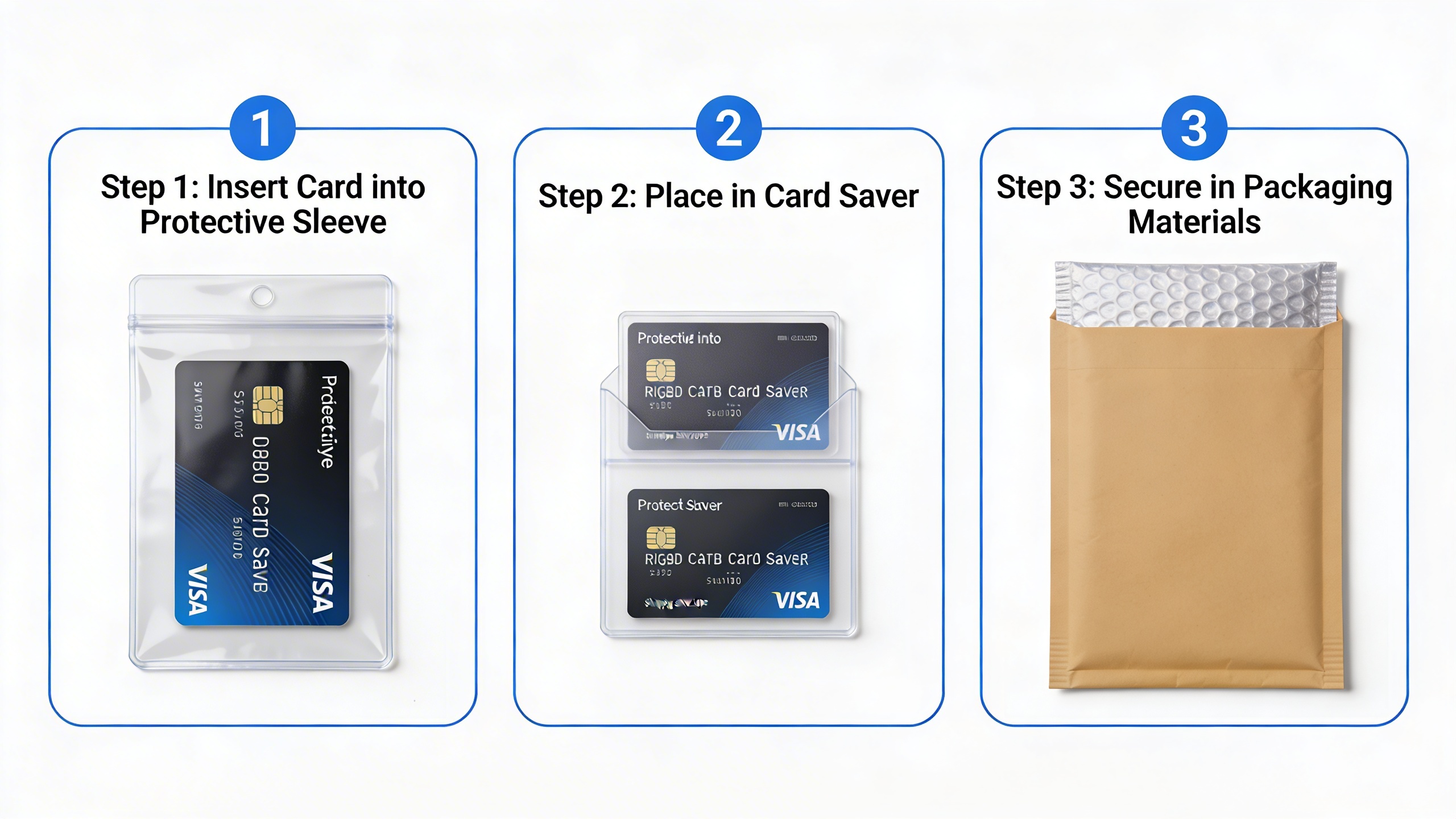
Secure packaging prevents damage during transit and demonstrates professionalism to grading services. Place each card in a new penny sleeve, followed by a rigid toploader or card saver. For valuable submissions to top-tier services, consider using Card Saver I holders, which many graders prefer for easier card removal.
Group cards in small batches using rubber bands or team bags, separating different service levels or special requests. Place grouped cards between pieces of cardboard cut slightly larger than standard card dimensions. This sandwich method prevents bending during handling.
Use appropriately sized boxes with adequate padding material. Bubble wrap, foam inserts, or crumpled paper provide cushioning without adding excessive weight. Include multiple copies of submission forms in waterproof sleeves, keeping one copy outside the card package for easy access.
Tracking and Insurance Options
Always ship with tracking and appropriate insurance coverage, regardless of whether you’re using premium services or the cheapest grading service available. Calculate insurance values based on raw card prices plus grading fees, not potential graded values. Most grading services recommend specific shipping carriers and insurance levels for different submission values.
For submissions over $500, consider using FedEx or UPS with signature confirmation and declared value coverage. USPS Registered Mail offers maximum security for extremely valuable submissions, though delivery times are longer. Document all tracking numbers and shipping receipts for your records.
Common submission mistakes include insufficient packaging, incomplete forms, incorrect service level selections, and inadequate insurance coverage. Many collectors underestimate shipping costs when calculating total grading expenses, particularly for budget services where shipping might represent a significant percentage of total costs.
Plan submission timing around service promotions and bulk discounts offered by various grading companies. Some mint grading service providers offer reduced rates during slower periods, while others provide group submission discounts for collectors combining orders.
Future of Card Grading: 2026 Trends and Innovations
The card grading industry is experiencing rapid transformation as we approach 2026, with technological advances and market pressures driving significant changes across all service tiers. From the cheapest grading service options to premium authenticators, companies are adapting to meet evolving collector demands while addressing long-standing industry challenges.
Technology Integration and AI
Digital authentication represents the most significant advancement in grading technology. Blockchain integration is becoming standard practice, with companies like PSA and BGS implementing tamper-proof digital certificates linked to physical slabs. This technology allows collectors to verify authenticity instantly using apps like TCG Radar, which can scan and authenticate graded cards while accessing real-time market values.
Artificial intelligence is revolutionizing the grading process itself. AI-powered imaging systems now detect print defects, centering issues, and surface damage with microscopic precision, reducing human error and improving consistency. Several mint grading service providers are beta-testing fully automated grading for modern cards, potentially reducing turnaround times from weeks to days while maintaining accuracy standards.
Market Consolidation and New Players
The grading landscape is experiencing unprecedented consolidation. Traditional leaders face competition from innovative newcomers offering specialized services. GMA Grading Company has expanded its budget-friendly model, while CDC grading continues gaining market share through competitive pricing and faster turnarounds.
Regional services are forming strategic partnerships to compete with established giants. These alliances allow smaller companies to offer expanded services while maintaining their cost advantages, creating more options for collectors seeking the best grading services without premium price tags. Market analysts predict three to five major consolidations by 2026, potentially reshaping the entire industry hierarchy.
Sustainability and Environmental Considerations
Environmental responsibility has become a crucial differentiator among grading companies. Leading services are transitioning to recycled slab materials and biodegradable packaging, responding to collector concerns about plastic waste. Several companies now offer carbon-neutral shipping options and have committed to renewable energy for their facilities.
Industry standardization efforts are gaining momentum, with major grading services collaborating on universal authentication protocols and environmental standards. This cooperation aims to establish consistent quality benchmarks while reducing the industry’s ecological footprint. New eco-friendly slab designs using plant-based polymers are entering testing phases, potentially revolutionizing how graded cards are protected and displayed.
These innovations collectively point toward a more accessible, environmentally conscious, and technologically advanced grading ecosystem that will benefit collectors across all budget ranges and collecting interests.
Frequently Asked Questions
What is the cheapest grading service for trading cards?
GMA (Global Mint Authentication) offers the most affordable grading starting at $6-8 per card, followed by Mint Grading Service at $8-12 per card for standard submissions. These budget options work well for lower-value cards or bulk submissions where cost is the primary concern, though they carry less market recognition than premium services like PSA or BGS.
Is CDC grading worth it compared to PSA or BGS?
CDC (Certified Dice Company) provides solid grading quality at mid-tier pricing ($15-25 per card), making it worthwhile for modern cards and personal collection purposes. However, PSA and BGS still command higher resale premiums and broader market acceptance, so CDC works best when you want professional grading without paying premium prices for cards unlikely to achieve significant value increases.
How long does card grading take in 2026?
Standard grading turnaround times range from 30-90 days for most services, with PSA and BGS typically taking 45-60 days for regular submissions. Express services can reduce this to 10-20 days for an additional fee, while budget services like GMA often process cards within 20-30 days due to lower submission volumes.
Which grading service is best for Pokemon cards?
PSA remains the gold standard for Pokemon cards due to highest market recognition and resale values, especially for vintage and high-grade modern cards. BGS is preferred for pristine modern cards where the potential for Black Label (perfect 10) grades exists, while CGC offers excellent quality at competitive prices for mid-tier Pokemon collections.
Can I switch my cards from one grading service to another?
Yes, crossover services allow you to crack existing slabs and resubmit to different grading companies, though this involves additional costs ($20-50+ per card) and risks damaging the card. This process makes financial sense only for high-value cards where a grade improvement or different service's premium could justify the expense and risk involved.