Charizard Card Prices in 2026: Every Valuable Charizard by Set and Grade
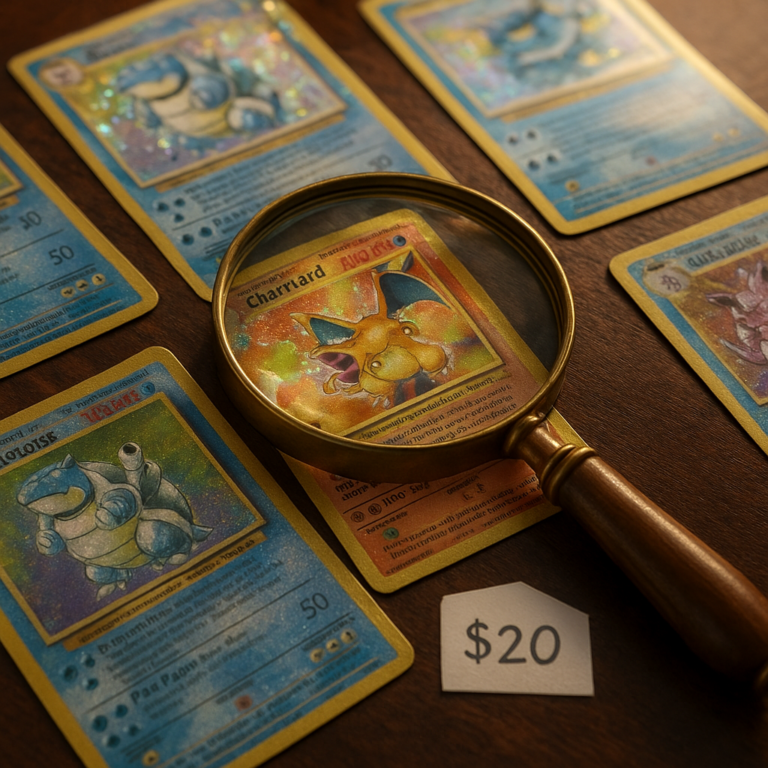
A Charizard card is worth anywhere from a dollar to just under a million, and the whole spread comes down to three questions: which set, which print variant, and what grade. The record is a 1999 Base Set 1st Edition Charizard in PSA 10, sold by Heritage Auctions in February 2026 for $954,800. The same card in PSA 9 trades between $30,000 and $50,000; the Unlimited print of the same card, raw and near mint, is a $250–$400 card. This page is a price reference for every Charizard that regularly sells for more than $100, with the ranges observed across completed sales in 2025 and 2026 and a section on telling the variants apart, because that is where most mistakes and most of the money are.
Base Set Charizard (1999, 4/102) prices by variant and grade
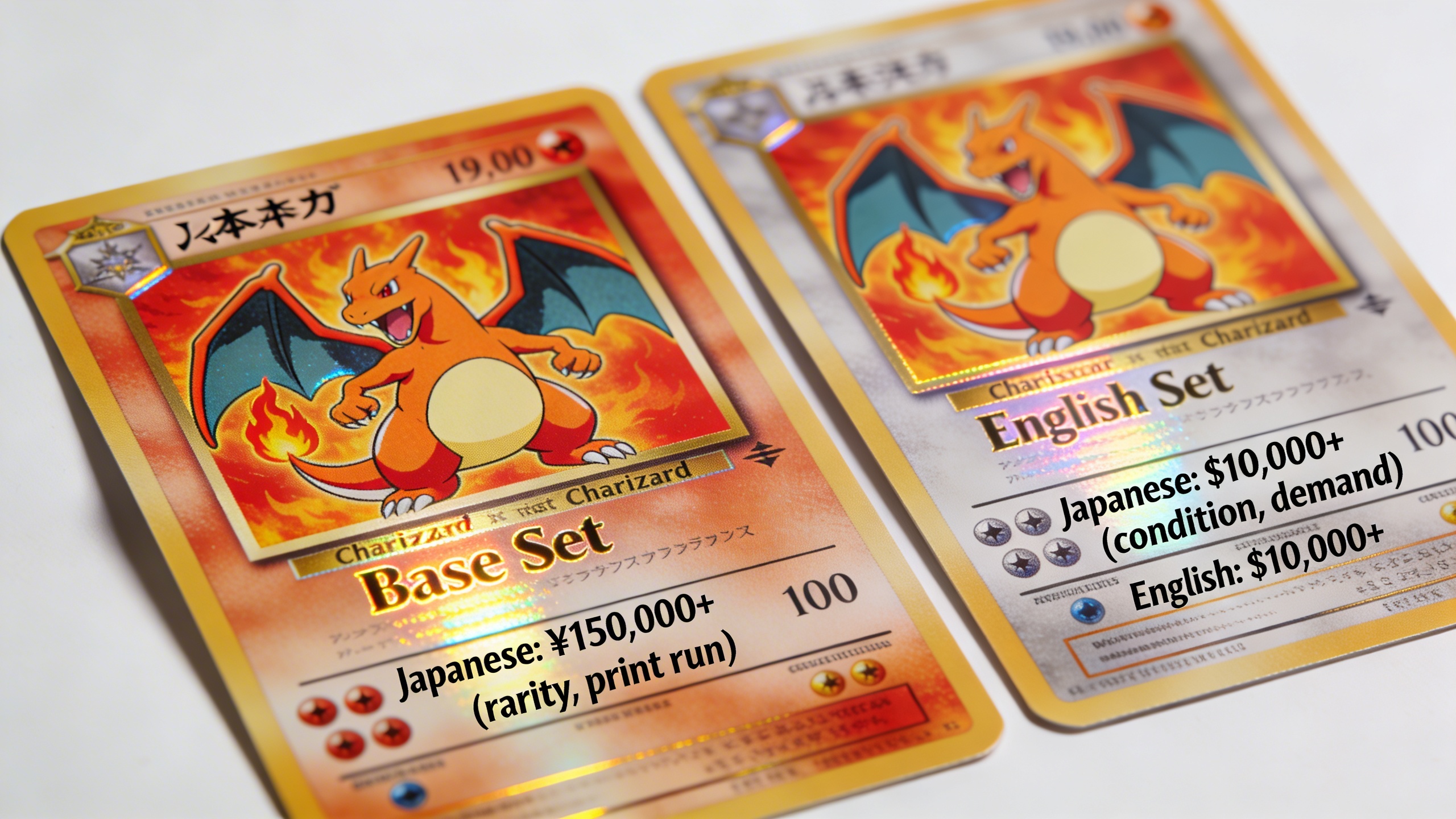
There are three prints of the original Charizard, printed months apart from the same art, and they are priced as three different cards.
1st Edition Shadowless
| Grade | 2025–2026 price range | Note |
|---|---|---|
| PSA 10 | $300,000 – $954,800 | Record $954,800, Heritage, February 2026; $550,000 at Heritage in December 2025; $510,000 in January 2026. Monthly average around $420,000 in spring 2026 |
| PSA 9 | $30,000 – $50,000 | Roughly one tenth of a 10 |
| PSA 8 | $10,000 – $18,000 | |
| PSA 7 | $5,500 – $8,000 | |
| Raw, ungraded | $3,000 – $6,000 | Priced as a probable 6–7; a sharp raw copy is usually graded before sale |
Shadowless (no 1st Edition stamp)
| Grade | 2025–2026 price range |
|---|---|
| PSA 10 | $40,000 and up |
| PSA 9 | $3,600 – $4,200 |
| PSA 8 | $1,800 – $2,200 |
| PSA 7 | $1,000 – $1,200 |
| Raw | $500 – $900 |
Unlimited
| Grade | 2025–2026 price range |
|---|---|
| PSA 10 | $15,000 – $20,000 |
| PSA 9 | $1,800 – $2,400 |
| PSA 8 | $700 – $1,000 |
| PSA 7 | $400 – $550 |
| Raw, near mint | $250 – $400 |
Two patterns to read from the tables. The step from PSA 9 to PSA 10 is the biggest single multiplier in the hobby, about ten times on the 1st Edition and eight times on Unlimited, which is why a Charizard that might be a 10 is always graded before it is sold. And the Unlimited print, which is what most people who “have a Charizard from when they were a kid” actually have, is a few hundred dollars raw. It is a real and valuable card; it is not a house.
How to tell 1st Edition, Shadowless and Unlimited apart
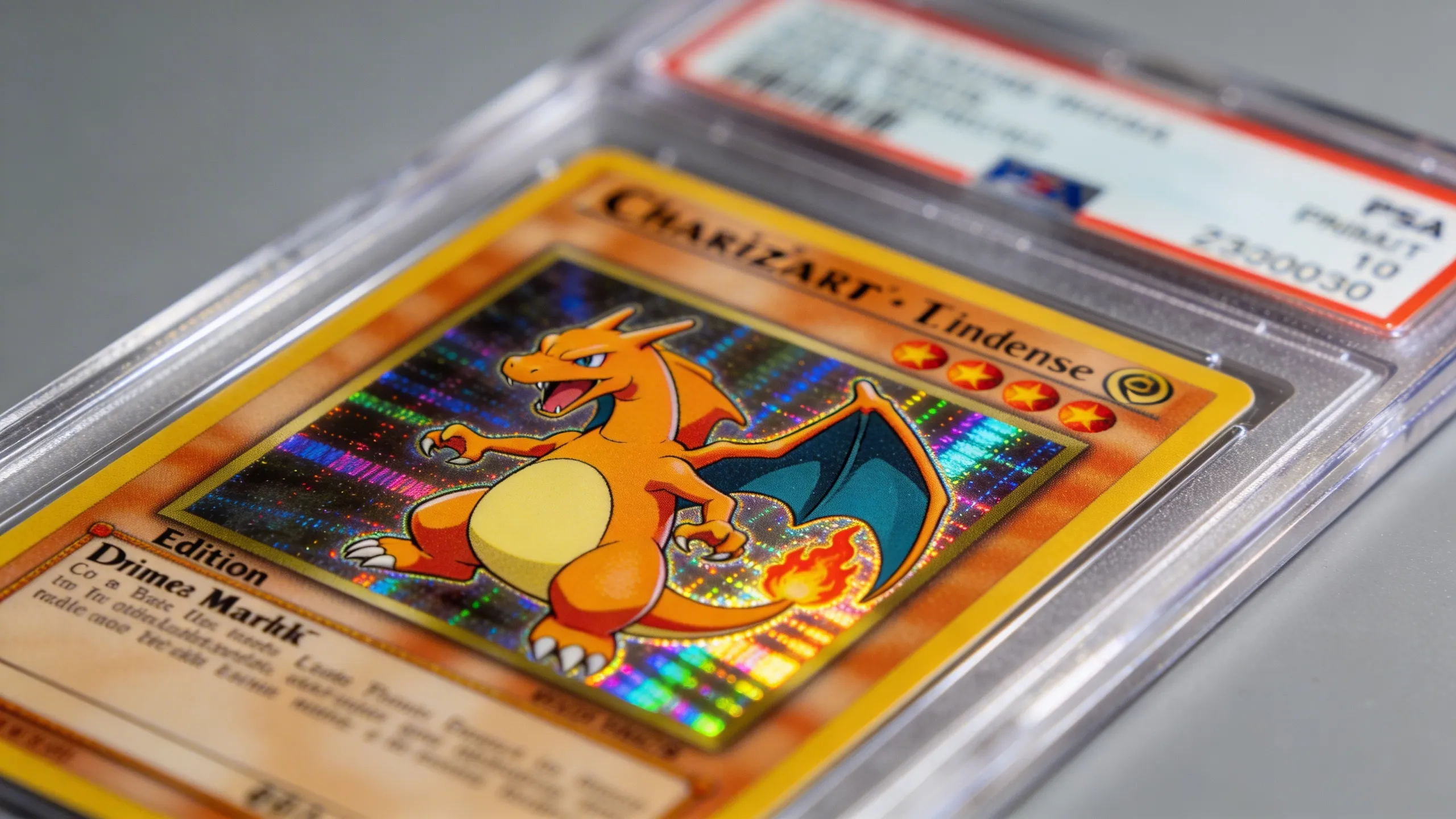
- 1st Edition: a black “Edition 1” stamp at the lower left of the artwork box. Every 1st Edition Base Set card is also Shadowless.
- Shadowless: no drop shadow on the right and bottom edges of the artwork box, thinner “HP” text in the top right, and a slightly lighter overall print. No stamp.
- Unlimited: a visible drop shadow to the right of the artwork box and bolder HP text. This is the common print, produced through 1999 and 2000. A later Unlimited run carries a “1999–2000” copyright line and is priced about the same.
Counterfeits of the 1st Edition are common and usually fail on the stamp (wrong font or size), the holo pattern (a fake reflects as flat glitter rather than a layered foil) and the card’s rigidity. A cert number on a PSA, CGC or BGS slab can be checked on the grader’s site; for a raw card, compare it side by side with a known Unlimited copy under a lamp. The fake card detection checklist runs through the tells in order.
Other valuable Charizard cards: prices by grade
Ranges are 2026 starting points for cards without significant flaws; “and up” means the card regularly sells above the figure and the ceiling depends on the individual copy.
| Card | Set, year, number | Raw | PSA 9 | PSA 10 |
|---|---|---|---|---|
| Shining Charizard | Neo Destiny, 2002, 107/105 | $500 and up | $2,000 and up | $8,000 and up |
| Crystal Charizard | Skyridge, 2003, 146/144 | $2,000 and up | $5,000 and up | $10,000 and up |
| Charizard ex | FireRed & LeafGreen, 2004, 105/112 | $150 and up | $500 and up | $3,000 and up |
| Charizard Gold Star | Dragon Frontiers, 2006, 100/101 | $500 and up | $2,000 and up | $8,000 and up |
| Shiny Charizard GX | Hidden Fates, 2019, SV49/SV94 | $100 and up | $200 and up | $500 and up |
| Charizard VMAX, rainbow rare | Champion’s Path, 2020, 074/073 | $80 and up | $150 and up | $400 and up |
| Shiny Charizard VMAX | Shining Fates, 2021, SV107/SV122 | $80 and up | $150 and up | $400 and up |
| Charizard V, alternate art | Brilliant Stars, 2022, 154/172 | $60 and up | $120 and up | $300 and up |
| Charizard VSTAR, rainbow rare | Brilliant Stars, 2022, 174/172 | $80 and up | $150 and up | $300 and up |
| Charizard ex, special illustration rare | Obsidian Flames, 2023, 223/197 | $60 and up | $120 and up | $250 and up |
| Charizard ex, special illustration rare | Scarlet & Violet 151, 2023, 199/165 | $50 and up | $100 and up | $250 and up |
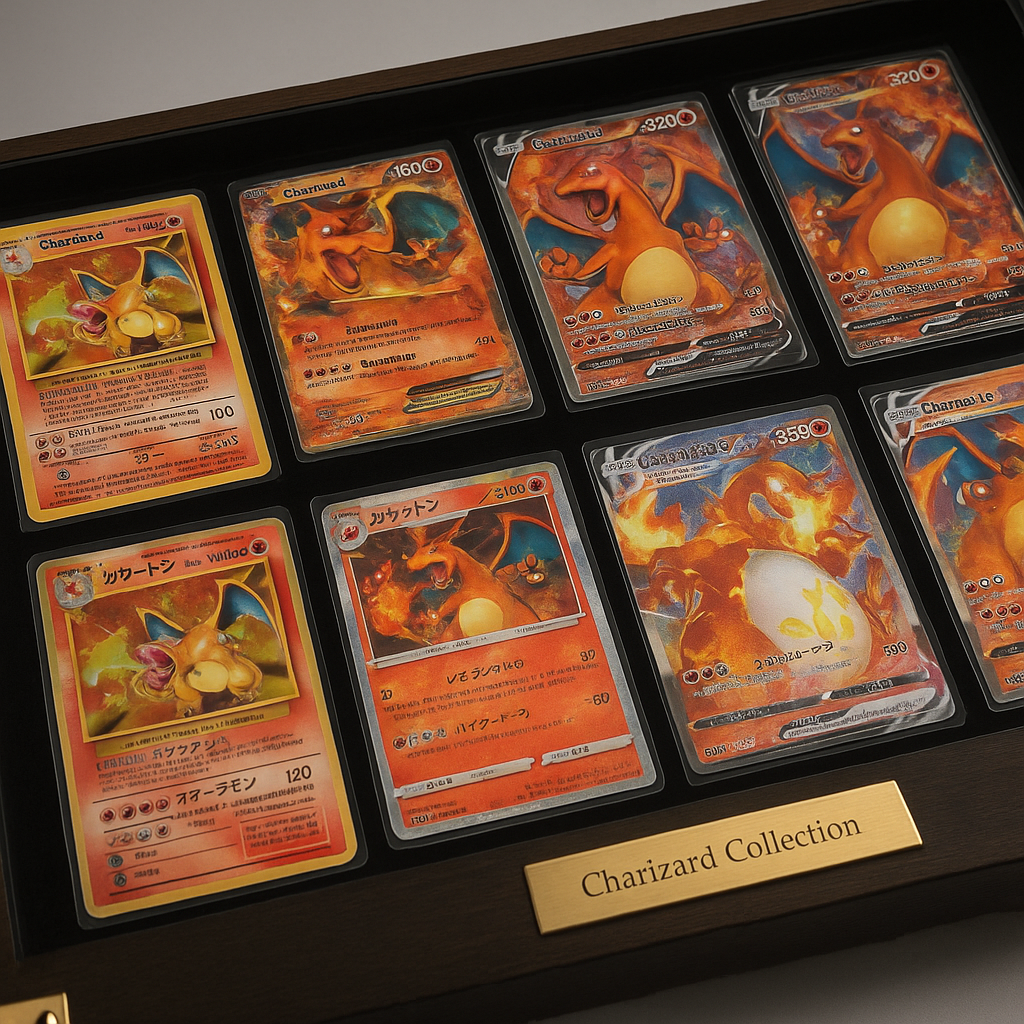
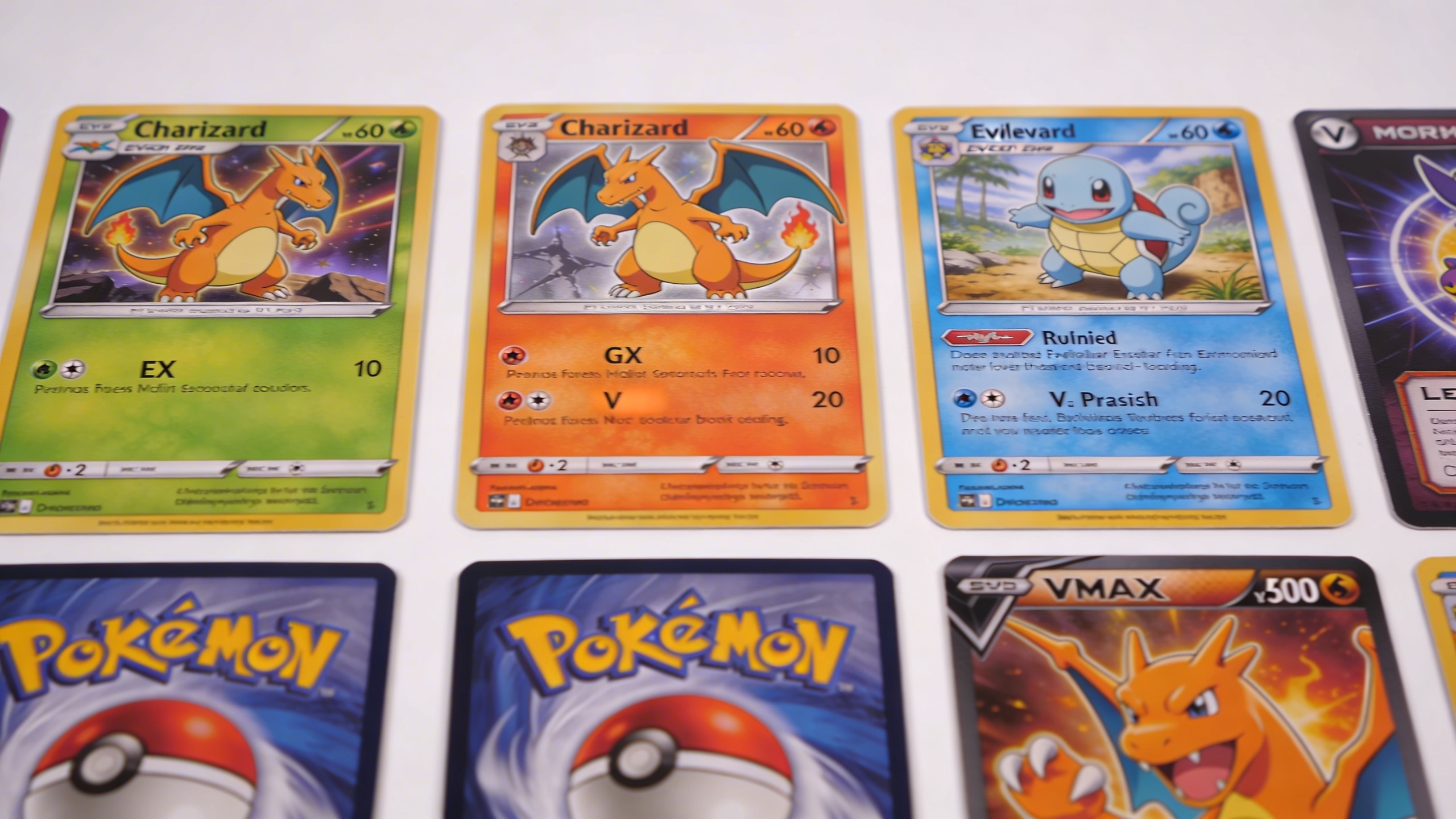
Three cards on this list behave like the Base Set card, with low population and a steep grade curve: Shining Charizard, Crystal Charizard and the Gold Star. The modern cards behave differently. Their raw prices are set by demand for the artwork and their PSA 10 prices by how hard the 10 is to get; Hidden Fates and Champion’s Path were printed in enormous quantity, so PSA 10 populations run into the tens of thousands and the 10 premium is modest. Our guides on shiny Charizard cards and the Charizard Ultra-Premium Collection cover the modern chase cards and sealed products in more depth.
What moves Charizard prices
- Grade, more than anything. On vintage Charizards a single grade point is a multiple, not a percentage. That makes population reports the second price driver: PSA’s count of 1st Edition Charizards at 10 is a little over a hundred against thousands at 8 and 9, and the record sales are all copies with strong centering within that population.
- Print variant. 1st Edition over Shadowless over Unlimited, by a factor of roughly ten at each step in top grade.
- The market cycle. Base Set Charizard prices roughly tripled through 2020 and 2021, gave back about half through 2022 and 2023, and have set new records since late 2025. The PSA 10 1st Edition went from $150,000 in October 2020 to $420,000 in March 2022, fell back sharply through 2023, and reached $954,800 in February 2026. Timing a sale to the cycle matters more for Charizard than for any other card.
- Grader. A PSA 10 sells for more than a CGC 10 or BGS 9.5 of the same card; a BGS 10 Black Label sells for more than a PSA 10. Only a handful of Base Set Charizards carry a Black Label.
- Eyes on the card. Well-centered copies with clean holo sell above the range; copies with a print line or edge silvering sell below it even at the same grade.
How to check what your Charizard is worth
- Identify the exact card: set symbol (bottom right of the artwork on vintage, bottom left on modern), card number, and the variant tells above. A scanner app that reads the card and returns the set and number saves the guesswork; see our Pokémon card scanner apps round-up.
- Estimate the grade honestly. Centering first, then holo scratches, then edges and corners. The card centering calculator and card grade estimator give a grade ceiling; a raw Charizard is priced by buyers as the grade they think it will get, not the grade you hope for.
- Look at completed sales, not listings, filtered to the same variant and grade. Asking prices on Charizards run 20–50% above what sells.
- Check the population report for the grade you expect; a low pop at 10 is the difference between the ranges above and a record.
Grading a Charizard in 2026
PSA’s Value tiers are paused, so the cheapest PSA slab is Regular at $79.99 with a $1,500 declared-value cap. Declared value is set at the grade you expect after grading, which pushes most vintage Charizards into higher tiers: a Shadowless copy that might be a 9 needs Super Express at $349 (cap $5,000), and a 1st Edition that might be an 8 needs Premium 1 at $999 (cap $25,000). At those fees the arithmetic still works, because every grade point on these cards is worth thousands. For modern Charizards worth under $400 graded, the fee does not work at Regular; CGC’s Economy at $20, with every tier open, is the current alternative. Details and the fee tables are in the PSA Pokémon grading guide and the grading services comparison; the grading ROI calculator runs the numbers for the card in front of you.
Sources and check date
Base Set price ranges and record sales are drawn from completed-sale tracking by the main Pokémon price aggregators through spring 2026, including Heritage Auctions results of December 2025 and February 2026. Other Charizard ranges reflect 2026 completed sales on the major marketplaces and are starting points. Grading fees were read from PSA’s and CGC’s price lists on 3 September 2026. Charizard prices move quickly; check completed sales from the last 30 days before buying or selling.