Magic: The Gathering Arena – Complete Player’s Guide for 2026
Magic: The Gathering Arena has evolved into the definitive digital Magic experience since its launch, transforming how millions of players engage with the world’s most beloved trading card game. In 2026, mtg arena stands as a polished, feature-rich platform that seamlessly bridges the gap between traditional tabletop Magic and modern digital gaming. Whether you’re a curious newcomer drawn by the game’s legendary strategic depth or a seasoned planeswalker looking to master the latest meta shifts, Arena offers an unparalleled gateway to competitive Magic that’s accessible 24/7 from anywhere in the world.
This comprehensive guide covers everything you need to dominate the digital battlefield, from understanding essential gameplay mechanics to building winning decks and climbing the competitive ladder. You’ll discover how to maximize your collection through smart economy management, unlock valuable rewards with the latest mtga codes, and navigate the diverse formats that make Arena endlessly engaging. We’ll also explore advanced strategies used by top players, community resources like mtgazone for staying current with the meta, and insider tips for both casual and competitive success in Magic’s premier digital arena.
Getting Started with MTG Arena in 2026
Starting your journey with Magic: The Gathering Arena has never been more accessible than it is in 2026. Whether you’re a complete newcomer to the digital card game or returning after a break, the current version offers streamlined onboarding and enhanced accessibility across multiple platforms. The game continues to serve as the premier digital way to experience Magic, with regular updates that keep the experience fresh and engaging.
System Requirements and Installation
MTG Arena in 2026 supports a wider range of devices than ever before. For PC users, the minimum requirements include Windows 10 64-bit, 4GB RAM, and DirectX 11 support, though 8GB RAM is recommended for optimal performance. Mac users can now enjoy native support through the official client, requiring macOS 10.15 or later with at least 4GB RAM.
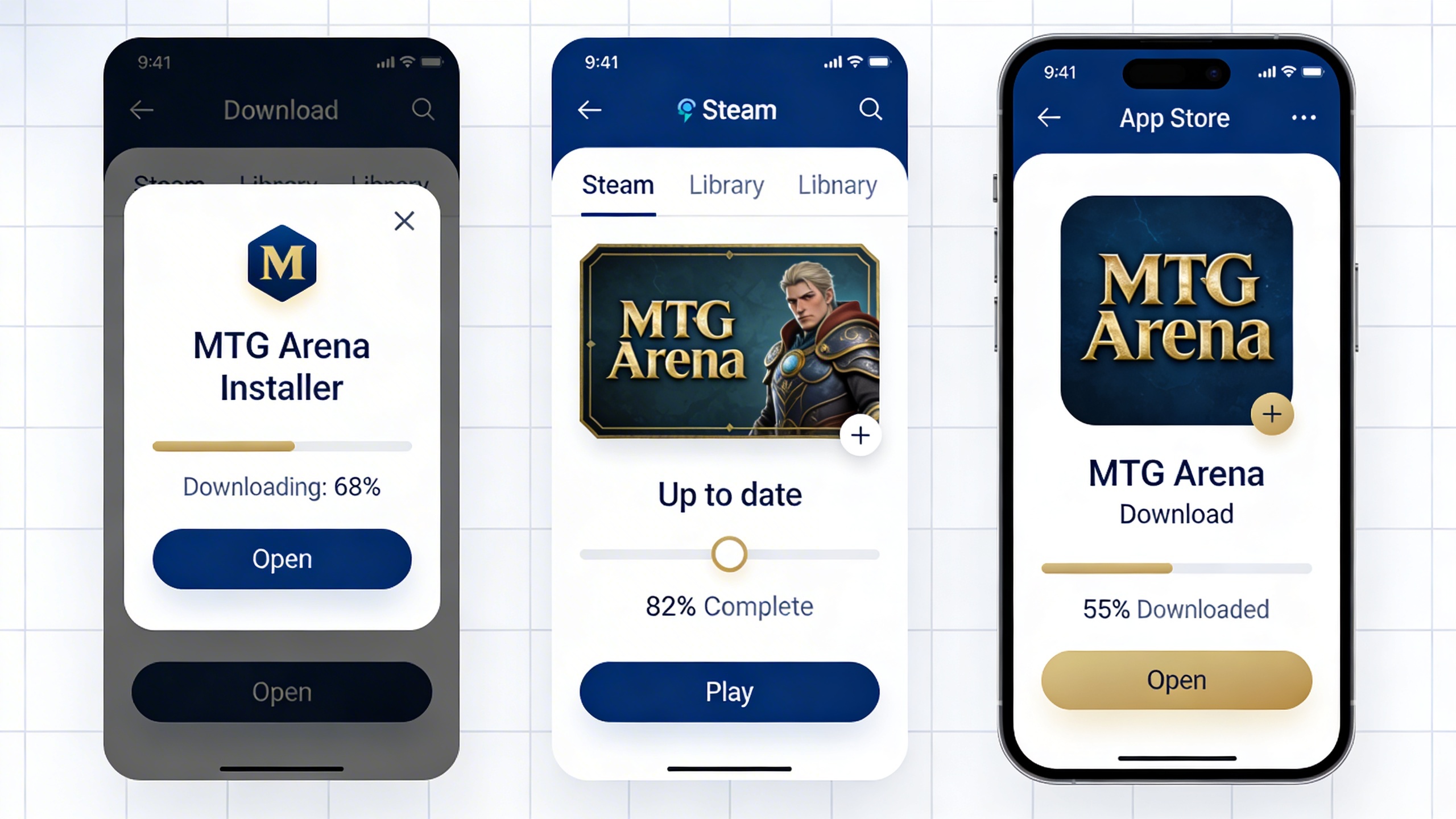
The installation process varies by platform. PC users can download directly from the official Magic website, through the Epic Games Store, or via Steam, which offers the most convenient installation and automatic updates. Mobile players can find MTG Arena on both iOS App Store and Google Play Store, with the mobile version requiring iOS 13+ or Android 8.0+ respectively. The mobile client, fully launched in 2025, now includes all game modes and features from the desktop version.
Steam integration has become particularly popular, offering cloud save synchronization and Steam Workshop support for custom card sleeves and avatars. The download size ranges from 3GB for mobile to approximately 8GB for the full PC installation, including all current sets and assets.
Creating Your Account and First Steps
Setting up your mtg arena account requires a Wizards of the Coast account, which serves as your universal login for all Wizards digital products. New players receive a generous welcome package that includes pre-constructed decks from multiple formats, 15 booster packs from the current Standard sets, and enough wildcards to craft several competitive cards immediately.
The account creation process includes email verification and optional two-factor authentication, which is highly recommended for account security. Players can link existing Arena accounts across platforms, ensuring your collection and progress carry over whether you’re playing on PC, mobile, or through Steam. This cross-platform progression was a major improvement implemented in late 2025.
During initial setup, players choose their preferred play format and receive tailored deck recommendations. The system now intelligently suggests decks based on your stated experience level with Magic and preferred play style, whether that’s aggressive creature strategies, controlling gameplay, or combo-focused approaches.
Understanding the Updated Interface
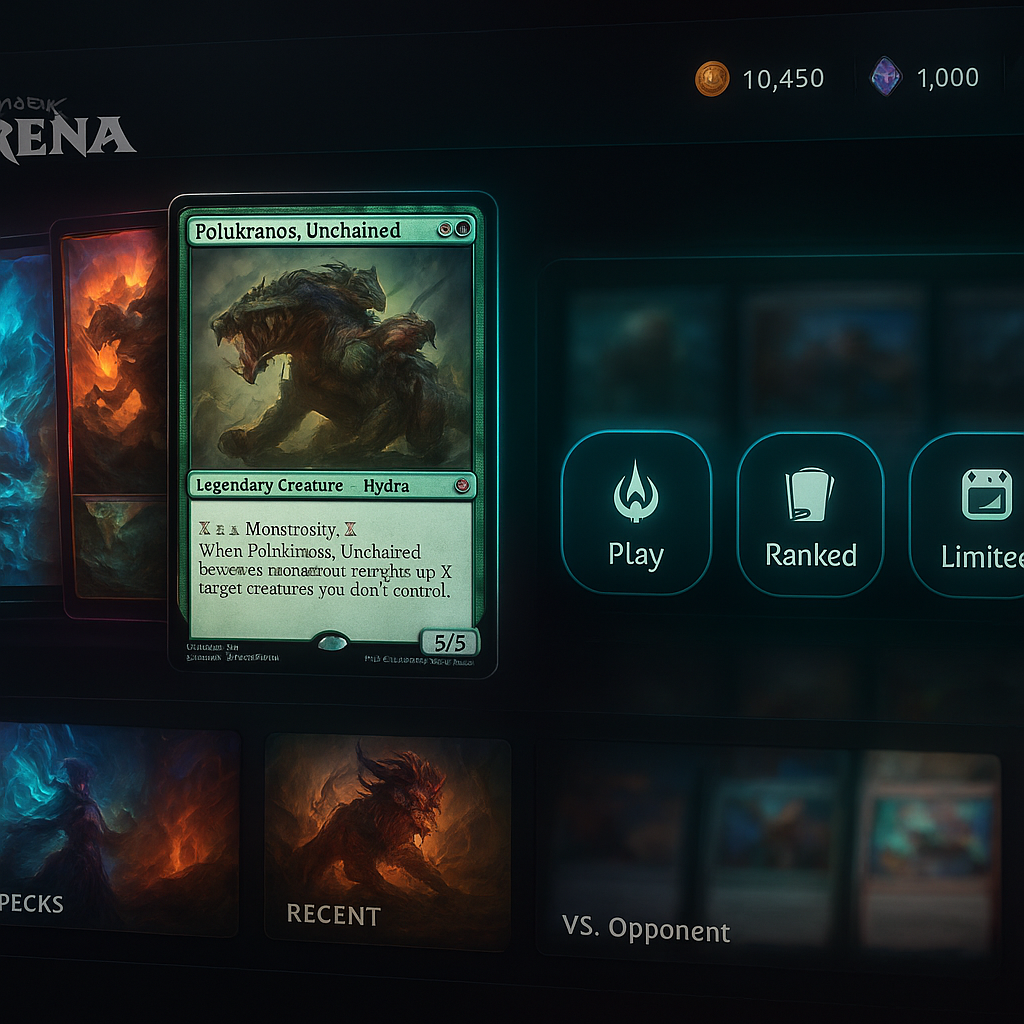
The 2026 interface represents a significant evolution from earlier versions, incorporating player feedback and modern design principles. The main menu features clearly defined sections for Play, Collection, Store, and Profile, with improved visual hierarchy that makes navigation intuitive even for newcomers. The updated design scales seamlessly across different screen sizes, from ultrawide monitors to mobile devices.
Key improvements include the enhanced deck builder with advanced filtering options, real-time mana curve analysis, and integrated mtga codes redemption directly from the collection screen. Players can now redeem promotional codes without navigating away from their current activity, streamlining the process of claiming rewards from content creators and promotional events.
The play queue interface shows estimated wait times and allows players to browse their collection or complete daily quests while searching for matches. The friends list integration enables easy spectating and direct challenges, while the improved chat system includes customizable quick messages and emote options that enhance social interaction without compromising game flow.
For players looking to stay current with the competitive scene, the interface now includes integrated links to community resources like mtgazone and other strategy sites, making it easier to research deck lists and meta analysis directly from within the client. This integration reflects Wizards’ commitment to supporting the broader MTG Arena community ecosystem that has flourished around the game.
Essential Gameplay Mechanics and Rules
Mastering MTG Arena requires understanding how the digital format adapts traditional Magic: The Gathering rules while introducing unique features that enhance the playing experience. The transition from paper to digital brings both conveniences and new considerations that every player should grasp to maximize their performance on the platform.
Digital Magic Fundamentals
MTG Arena faithfully implements the comprehensive rules of Magic while automating many tedious aspects of paper play. The game handles zone changes, triggers, and state-based actions automatically, eliminating common paper mistakes like forgetting to untap permanents or missing mandatory triggers. However, this automation means players must understand when the system will act on their behalf versus when manual input is required.
The digital environment provides perfect information about game states that might be unclear in paper Magic. Life totals, card counts in hand, graveyard contents, and exile zones are always visible and accurate. This transparency eliminates disputes about game state but also means opponents have access to information they might miss in paper play, such as the exact number of cards in your hand or graveyard.
One crucial difference involves random effects and shuffling. MTG Arena uses true randomization algorithms for card draws and effects like Collected Company, ensuring statistically fair outcomes that some players find different from their paper experiences. The platform also handles complex interactions automatically, such as replacement effects and layered continuous effects that often cause confusion in paper play.
Arena-Specific Features and Shortcuts
The auto-tapping system represents one of mtg arena’s most significant conveniences while potentially creating dependency issues for newer players. By default, the client will automatically tap lands to pay for spells, choosing what it determines to be the optimal mana configuration. While generally reliable, auto-tapping can make suboptimal choices in complex scenarios involving multiple colors or activated abilities.
Players can override auto-tapping by manually selecting lands before casting spells, and experienced players often adjust their auto-tap settings in the options menu. The “Auto-tap” toggle can be set to always prompt for confirmation, giving players control over their mana usage while maintaining convenience for straightforward plays.
Priority settings significantly impact game flow and strategy. The default “Auto-pass” setting will automatically pass priority when you have no legal plays, speeding up games considerably. However, this can reveal information to opponents about your hand contents. Advanced players often use full control mode (activated by holding Ctrl) during critical turns to maintain perfect information control and bluffing opportunities.
Visual indicators provide crucial information about game state and available actions. Glowing cards indicate playable spells, while highlighted permanents show valid targets for activated abilities. The orange glow around cards signals triggered abilities awaiting ordering, and the blue outline indicates selected targets. Learning to quickly interpret these visual cues dramatically improves play speed and accuracy.
Combat and Stack Resolution
Combat in mtga follows the same phases as paper Magic but with enhanced clarity through visual representation. The combat phase automatically progresses through declare attackers, declare blockers, and damage steps, with clear indicators showing when players can cast spells or activate abilities. The platform handles complex combat scenarios like first strike, double strike, and trample damage automatically while allowing players to respond at appropriate timing windows.
Stack resolution becomes more intuitive through MTG Arena’s visual stack display. Spells and abilities appear as cards stacked vertically, resolving from top to bottom. Players can examine the full stack contents by hovering over stacked items, making complex interactions easier to track than in paper play. The system also clearly indicates when players have priority to respond to stack items.
Timer management through the rope system adds a unique strategic element absent from casual paper play. Each player receives time banks that deplete when taking longer turns, with the orange “rope” appearing as a visual warning. Experienced players learn to manage their time efficiently while using timeouts strategically during complex decision points. Running out of time results in automatic passing of priority, potentially causing missed opportunities or forced suboptimal plays.
Understanding these digital-specific mechanics alongside traditional Magic rules creates a foundation for successful MTG Arena gameplay, whether you’re grinding ranked matches or exploring new formats in this comprehensive digital Magic environment.
Deck Building and Collection Management
Mastering deck construction and efficiently managing your growing collection forms the backbone of success in mtg arena. The 2026 iteration of MTG Arena provides sophisticated tools that streamline both processes, making competitive deck building more accessible while offering advanced features for seasoned players.
Building Your First Competitive Deck
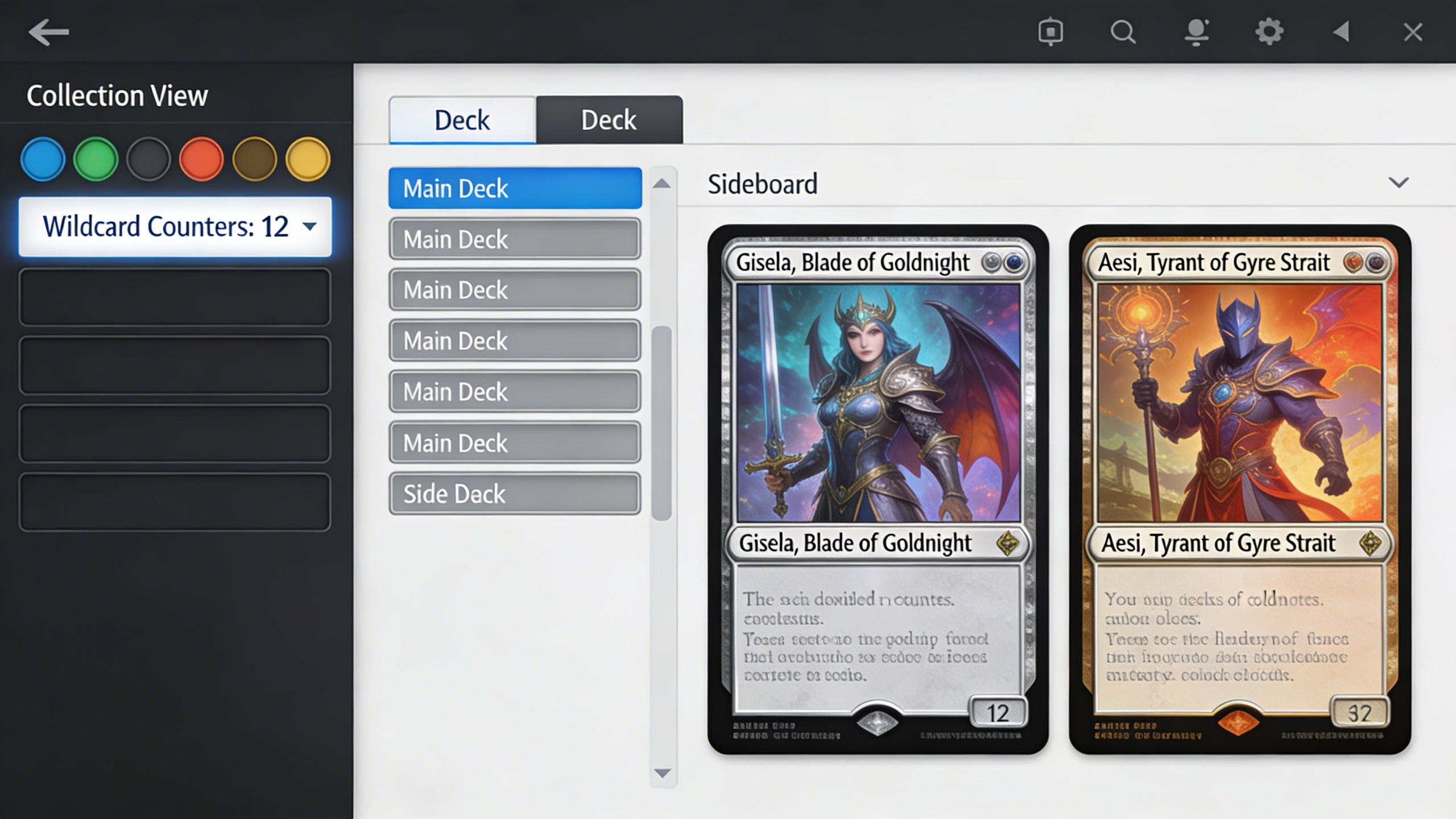
The deck builder interface in mtga has evolved significantly, now featuring enhanced filtering options that help players locate specific cards quickly. When constructing your first competitive deck, start by selecting a proven archetype from popular mtgazone deck lists or recent tournament results. The interface allows you to filter by mana cost, card type, color identity, and even specific mechanics like flying or trample.
Current meta staples like Gisela, the Broken Blade and Aesi, Tyrant of Gyre Strait demonstrate the importance of understanding card synergies. Gisela pairs exceptionally well with other Angels and artifact strategies, while Aesi excels in ramp decks that can consistently trigger her landfall abilities. The deck builder’s suggestion feature automatically recommends complementary cards based on your current selections, making it easier to identify these powerful combinations.
For beginners, focus on mono-colored or two-color decks initially. These require fewer rare lands and provide more consistent mana bases. The deck builder displays mana curve statistics in real-time, helping you maintain proper balance between early-game plays and late-game threats. Aim for a curve that peaks around three to four mana for most aggressive strategies.
Wildcards and Crafting System
The wildcard economy remains central to collection building in mtgarena. Players receive wildcards through booster packs, with guaranteed rates ensuring steady progression. Rare wildcards appear in approximately 1 in 8 packs, while mythic rare wildcards have roughly a 1 in 24 pack rate. Understanding these rates helps optimize your pack-opening strategy.
Wildcard optimization requires careful planning. Before crafting expensive cards like Giada, Font of Hope, research their current usage rates across multiple deck archetypes. Giada currently sees play in Angel tribal, lifegain strategies, and certain control builds, making her a versatile craft that supports multiple deck options. Always prioritize lands first when building multicolored decks, as rare lands like shock lands and pathway lands enable numerous strategies.
The crafting interface now includes a “deck completion” feature that calculates exact wildcard costs for entire deck lists. This tool proves invaluable when deciding between different competitive options. Additionally, mtga codes from various promotional sources provide free packs and wildcards, making regular code redemption essential for efficient progression.
Collection Tracking and Set Completion
MTG Arena’s duplicate protection system ensures players never receive fifth copies of rares or mythic rares from the same set until collection completion. This mechanic makes targeted set completion more efficient than random pack opening for specific cards. The collection screen displays completion percentages for each set, helping prioritize which sets to focus on based on current meta relevance.
The Vault system activates when players accumulate enough duplicate commons and uncommons, providing additional wildcards as rewards. While the Vault opens relatively infrequently, consistent play gradually builds toward these bonus resources. Players can track Vault progress through the collection interface, though the system operates automatically without requiring manual intervention.
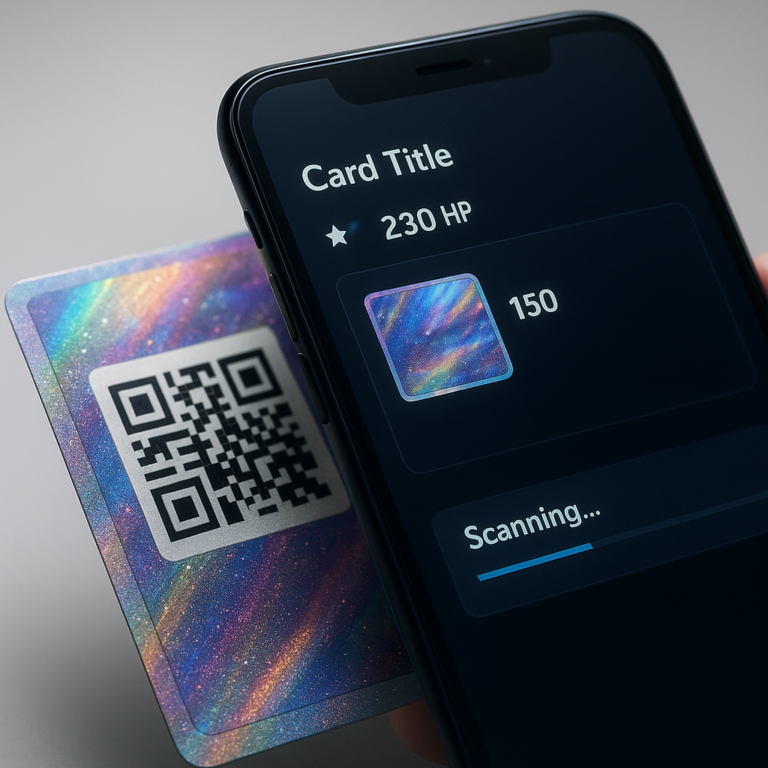
For serious collection management, consider using external tools alongside the in-game interface. TCG Radar offers comprehensive card scanning and price tracking features that help players understand the real-world value of their digital collections, particularly useful when comparing Arena investments to paper Magic purchases.
Set rotation significantly impacts collection value, making Standard-legal cards higher priority crafts. The current Standard format includes sets from the past two years, with older sets rotating out annually each fall. Focus wildcard spending on recently released sets to maximize the competitive lifespan of your investments.
Advanced collection management involves tracking meta shifts and anticipating format changes. Cards like Aesi might surge in popularity following new land-based mechanics, while tribal strategies around Gisela and Giada can gain strength with additional Angel support in upcoming sets. The collection interface’s search functionality supports complex queries, enabling players to quickly identify owned cards that synergize with emerging strategies.
Regular engagement with community resources like mtgazone provides insights into optimal collection building strategies, helping players make informed decisions about wildcard expenditure and set completion priorities in the evolving mtga landscape.
Game Formats and Play Modes
Magic: The Gathering Arena offers diverse gameplay experiences through multiple formats and play modes, each designed to test different skills and strategies. Understanding these formats is crucial for maximizing your enjoyment and progression in mtg arena, whether you prefer competitive ranked play or casual experimentation.
Standard and Historic Formats
Standard remains the flagship format of mtga, featuring cards from the most recent sets in rotation. As of 2026, Standard includes approximately eight sets, with the oldest rotating out each fall. The current rotation includes sets from Wilds of Eldraine through the latest releases, creating a dynamic metagame that evolves with each new set launch.
Historic format encompasses every card available on MTG Arena, dating back to Ixalan from 2017. This eternal format allows players to utilize their entire collection, making it particularly valuable for long-term players who want to continue using rotated cards. Historic receives periodic injections of classic cards through Remastered sets and anthology collections, expanding strategic possibilities beyond Standard’s limitations.
Both formats offer ranked and casual play queues. Ranked play follows a tier system from Bronze to Mythic, with monthly rewards based on your highest achieved rank. The ranking system resets partially each month, allowing consistent progression opportunities for dedicated players.
Limited Formats: Draft and Sealed
Limited formats provide the purest test of Magic skills, requiring players to build decks from a restricted card pool. Draft format involves selecting cards from rotating booster packs, typically in pods of eight players. Each player opens a pack, selects one card, then passes the remaining cards clockwise. This process repeats until all cards are distributed, creating unique deck-building challenges.
Premier Draft offers the highest stakes limited experience, featuring real-time drafting against other players with significant gem and pack rewards. Quick Draft provides a more accessible alternative with bot drafting and lower entry costs, making it ideal for practicing draft strategies or building collections on a budget.
Sealed format gives players six booster packs to construct a 40-card deck, emphasizing card evaluation and mana curve construction over drafting signals. Traditional Draft and Sealed events use best-of-three matches with sideboards, while their Quick counterparts employ best-of-one games for faster completion.
| Format | Entry Cost | Rewards | Duration |
|---|---|---|---|
| Premier Draft | 1,500 gems | 1-5 packs + gems | Real-time |
| Quick Draft | 750 gems | 1-3 packs + gems | Flexible |
| Sealed | 2,000 gems | 3-6 packs + gems | Real-time |
Special Events and Rotating Modes
MTG Arena regularly features special events that provide unique gameplay experiences and exclusive rewards. These events often coincide with set releases, holidays, or competitive tournaments, offering alternative ways to engage with the game beyond standard ranked play.
Midweek Magic presents weekly casual events with rotating formats, from Artisan (commons and uncommons only) to Singleton (no duplicate cards). These events typically require no entry fee and provide modest rewards, making them perfect for experimenting with different strategies or completing daily quests.
Special draft events featuring older sets or unique formats appear regularly. Cube drafts present curated card pools designed for balanced, high-power gameplay. Chaos drafts mix packs from different sets, creating unpredictable synergies and interactions.
Competitive players can participate in qualifier events for major tournaments, including Arena Championships and Pro Tour qualifiers. These events require significant investment but offer substantial rewards and prestige for successful players.
The mtgazone community frequently discusses optimal strategies for these rotating events, providing valuable insights for maximizing success rates. Many players use mtga codes to supplement their collections before entering special events, ensuring access to key cards for competitive decks.
Understanding when to enter different events based on your collection, skill level, and available time maximizes both enjoyment and resource efficiency. Whether pursuing competitive excellence or casual fun, mtgarena’s diverse format offerings ensure engaging gameplay experiences for every type of Magic player.
Economy, Rewards, and Progression
Understanding MTG Arena’s economy system is crucial for maximizing your collection growth and competitive potential in 2026. Whether you’re playing free-to-play or investing in premium content, strategic resource management will determine how quickly you can build powerful decks and compete at higher levels.
Daily and Weekly Rewards System
The foundation of MTG Arena’s economy revolves around consistent daily engagement. Players earn 550 gold daily by completing their first four wins, with diminishing returns for additional victories. Weekly wins provide substantial rewards: 250 gold for your first win, 100 gold for wins 2-3, and three individual card rewards (ICRs) for wins 4-15.
Daily quests offer 500-750 gold each, with higher-value quests typically requiring specific colors or strategies. Smart players reroll 500-gold quests when possible, as the system guarantees you won’t receive a lower-value replacement. Weekly quests provide 1,500 XP toward the current set’s Mastery Pass, making them essential for progression tracking.
Individual Card Rewards from weekly wins have upgrade chances: uncommon ICRs upgrade to rare 7.4% of the time, while rare ICRs upgrade to mythic rare 13.5% of the time. These percentages make grinding your weekly wins worthwhile, especially when targeting specific format staples.
Battle Pass and Mastery System
Each set release brings a new Mastery Pass costing 3,400 gems, typically lasting 12-13 weeks. The free track provides booster packs, gold, and cosmetics, while the premium track adds significant value through additional packs, gems, and exclusive rewards.
A complete Mastery Pass yields approximately 20 booster packs, 1,200 gems, 4,000 gold, and various cosmetic items. This represents excellent value for players who can reach level 80+ through regular play. The break-even point occurs around level 50, making it worthwhile for most active players.
Mastery Pass XP comes from daily wins (25 XP each, maximum 15 daily), weekly quests (1,500 XP), and special events. Players typically need 4-5 wins daily to maximize progression without additional event participation.
Free-to-Play vs Premium Strategies
Free-to-play success in mtg arena requires disciplined resource allocation and format focus. New players should prioritize Standard-legal sets when spending wildcards, as these cards remain playable longer. Building one competitive deck completely often proves more effective than spreading resources across multiple incomplete builds.
Draft represents the most efficient collection-building method for skilled players. Quick Draft costs 5,000 gold and guarantees 14 cards plus prizes based on performance. Players maintaining 50%+ win rates effectively convert gold into gems while building collections. Premier Draft offers higher stakes at 10,000 gold but provides better rewards for successful runs.
Premium players benefit from purchasing the Mastery Pass early in each set cycle and investing gems in Premier Draft events. The welcome bundle provides exceptional value at $4.99 for 2,500 gems plus cosmetics. Monthly deals through mtgazone and other community sites often highlight limited-time offers worth considering.
Smart players track mtga codes religiously, as Wizards regularly releases promotional codes providing free packs, cosmetics, and experience. Recent codes like “PLANESWALKER” and “PARCELMYR” offered multiple booster packs, demonstrating the value of staying connected to official announcements and community resources.
Collection completion follows predictable patterns: rare completion typically occurs around 280-300 packs per set, while mythic completion requires additional investment. Players should prioritize rare wildcards for format staples and save mythic wildcards for essential build-around cards or personal favorites.
Budget-conscious players should focus on mono-colored or two-color decks initially, as mana bases represent significant wildcard investments. Aggressive strategies often require fewer rare lands, making them excellent starting points for new collections in the current mtgarena environment.
Competitive Play and Ranking System
Magic: The Gathering Arena’s competitive ecosystem offers multiple pathways for players to test their skills and climb toward professional play. The ranking system provides clear progression goals while seasonal tournaments create opportunities for serious competitors to showcase their abilities.
Ranked Ladder and Mythic Championship
The mtg arena ranking system consists of six main tiers: Bronze, Silver, Gold, Platinum, Diamond, and Mythic. Each tier contains four subdivisions, requiring players to accumulate wins to advance. Bronze through Platinum tiers feature rank protection, preventing players from falling below their current tier during a season.
Diamond and Mythic ranks operate differently, using a percentage-based system for Mythic players. Reaching Mythic requires consistent performance with meta-competitive decks, as the final push from Diamond typically demands win rates above 60%. Monthly seasonal rewards include booster packs, gold, and cosmetic items, with Mythic players receiving the most substantial prizes.
Mythic Championship qualification paths have evolved significantly in 2026. Top Mythic finishers each month earn invitations to Qualifier Weekend events, while maintaining high Mythic percentages throughout a season can secure direct championship invitations. Players should monitor their monthly performance closely, as even brief drops in ranking can affect qualification status.
Tournament Preparation and Meta Analysis
Successful tournament preparation begins with comprehensive meta analysis. Websites like MTGAZone provide detailed tier lists, deck guides, and tournament results that help players understand the current competitive landscape. These resources track win rates across different ranking tiers and identify emerging archetypes before they become mainstream.
Meta tier lists typically categorize decks as Tier 1 (consistently powerful), Tier 2 (situationally strong), or Tier 3 (niche but viable). Understanding these classifications helps players choose appropriate decks for their skill level and expected tournament field. Popular mtgarena tracking tools also provide matchup data, showing which decks perform well against common opponents.
Tournament preparation should include practicing against expected meta decks, understanding sideboard strategies, and maintaining updated decklists. Many competitive players use mtga codes to acquire specific cards needed for tournament-level builds, ensuring their collections support multiple viable strategies.
Professional Play Pathways
The path to professional Magic has expanded significantly through digital platforms. Arena Qualifier events occur monthly, offering multiple shots at championship qualification. These tournaments require specific entry methods, including Mythic ranking achievements, previous qualifier performance, or special invitation codes.
Regional Championship qualifications now heavily incorporate Arena performance, with digital results carrying equal weight to paper tournament finishes. Players can earn Pro Tour invitations through consistent Arena success, making the platform a legitimate route to professional play.
Community resources play crucial roles in competitive development. Reddit communities like r/spikes provide strategy discussions, while Discord servers offer real-time meta updates and practice opportunities. Many professional players share insights through streaming and content creation, giving aspiring competitors access to high-level strategic thinking.
Success in competitive mtg arena requires dedication to continuous improvement, regular meta analysis, and active participation in community discussions. Players should track their performance metrics, analyze losses for improvement opportunities, and stay current with format changes through reliable sources like mtgazone and professional player content.
Advanced Tips and Community Resources
Mastering MTG Arena extends far beyond understanding the basic gameplay mechanics. Optimizing your client performance, leveraging community tools, and staying current with the evolving meta will significantly enhance your competitive edge and overall experience.
Performance Optimization and Settings
Smooth gameplay is crucial for competitive success in mtg arena. Start by adjusting your graphics settings based on your system capabilities. Lowering particle effects, shadows, and animation quality can dramatically improve frame rates without sacrificing gameplay clarity. The “Low Spec Mode” option reduces visual effects while maintaining card readability—essential for budget gaming setups.
Enable “Auto-Tap” for lands to speed up gameplay, but consider disabling it for complex mana bases where precise color sequencing matters. The “Full Control” toggle becomes invaluable during intricate stack interactions or when timing is critical. Keyboard shortcuts like spacebar for passing priority and Enter for confirming actions can shave precious seconds off each turn in ranked matches.
Community Tools and Third-Party Resources
Third-party applications transform how you approach mtgarena strategy and collection management. MTG Arena Tool and Untapped.gg offer comprehensive deck tracking, match analysis, and collection syncing across devices. These platforms provide detailed statistics on your win rates, meta matchups, and optimal mulligan decisions.
For collection management, tools like MTGAHelper integrate seamlessly with your account to suggest optimal crafting decisions and track missing cards for specific archetypes. When evaluating physical card values for potential Arena purchases, TCG Radar serves as the most accurate card scanner app for quickly checking current market prices and identifying valuable cards in your collection.
Don’t overlook mtga codes distribution through community channels. Sites like MTGAZone regularly compile active promotional codes that provide free packs, cosmetics, and wildcards—resources that can significantly accelerate your collection growth.
Staying Updated with the Meta
The MTG Arena metagame evolves rapidly with each set release and balance update. MTGAZone stands as the premier destination for current tier lists, tournament results, and format analysis. Their daily meta reports break down the most successful archetypes across Standard, Historic, and Explorer formats.
Reddit’s r/MagicArena community provides real-time discussions about emerging strategies, card interactions, and format shifts. Following content creators like LegenVD, CovertGoBlue, and MTG Arena Original Decks on YouTube offers both entertainment and strategic insights from high-level gameplay.
For competitive players, tracking tournament results through MTG Melee and following professional players’ decklists provides early indicators of meta shifts. Many pros share their latest innovations on Twitter and streaming platforms before they become widely adopted.
Set up notifications for Arena announcements and patch notes, as balance changes can instantly shift deck viabilities. Understanding these changes early gives you a significant advantage in adapting your strategies before the broader player base catches up to new optimal approaches.
Frequently Asked Questions
Is MTG Arena free to play in 2026?
Yes, MTG Arena remains completely free to play in 2026, offering access to all game modes, daily quests, and the ability to earn cards through gameplay. You can build competitive decks using wildcards earned from opening packs and completing events. Optional purchases include cosmetics, the Mastery Pass, and gem bundles to accelerate progression, but spending money is never required to enjoy the full game experience.
How do I get MTG Arena codes and what do they give?
MTG Arena codes are distributed through official Wizards social media, promotional events, content creator partnerships, and physical product purchases like prerelease kits. You can redeem codes in the Arena client by clicking your profile and selecting 'Redeem Code.' These codes typically provide free booster packs, cosmetic items like card sleeves and avatars, or special event entries that help expand your collection without spending gems or gold.
What's the difference between MTG Arena and Magic Online?
MTG Arena focuses on newer formats like Standard and Historic with polished graphics and streamlined gameplay, making it ideal for casual and competitive players. Magic Online (MTGO) offers the complete Magic card pool including Legacy, Vintage, and older formats, but uses a more basic interface and operates on a different economy where cards have real-world trading value. Arena emphasizes accessibility and visual appeal, while MTGO caters to players seeking comprehensive format access and card ownership.
Can I play MTG Arena on mobile devices?
Yes, MTG Arena is available on both iOS and Android devices with full cross-platform progression, meaning your collection and progress sync seamlessly between mobile and PC. The mobile version includes touch-optimized controls, offline deck building, and all the same game modes as the desktop client. Your account, friends list, and purchases carry over across all platforms, allowing you to play anywhere with an internet connection.
How long does it take to build a competitive deck as a new player?
Free-to-play players can typically build their first competitive deck within 2-4 weeks by completing daily quests, weekly wins, and focusing wildcards on a single archetype. Players who purchase the Mastery Pass or gem bundles can accelerate this timeline to 1-2 weeks. The key is upgrading starter decks gradually with wildcards rather than building from scratch, and focusing on budget-friendly competitive decks before investing in expensive multi-rare strategies.