The Complete Magic: The Gathering Card Value Guide for Collectors and Players
Since its debut in 1993, Magic: The Gathering revolutionized gaming as the world’s first trading card game, creating a collectible phenomenon that continues to captivate millions of players and collectors worldwide. Understanding magic the gathering cards value has become essential knowledge for anyone entering this vibrant community, whether you’re building competitive decks, investing in collectibles, or simply curious about the worth of cards gathering dust in your collection. The mtg card value landscape spans from affordable commons to legendary cards worth tens of thousands of dollars, making valuation knowledge crucial for making informed decisions.
This comprehensive guide will equip you with expert-level understanding of magic cards value across every aspect of the market. You’ll discover which cards command the highest prices and why, learn to identify the key factors that drive pricing fluctuations, and master the tools and techniques professionals use to research current values. From recognizing the most valuable magic the gathering cards to understanding long-term investment potential, you’ll gain the insights needed to navigate this complex market confidently, whether you’re buying your first deck or managing a collection worth thousands.
Understanding Magic: The Gathering Card Value Fundamentals
The magic the gathering cards value market operates on complex interactions between scarcity, playability, and collector demand. Whether you’re evaluating a vintage Black Lotus or a modern Standard staple, understanding these fundamental principles will help you make informed decisions about buying, selling, and trading cards.
What Determines MTG Card Values
Supply and demand dynamics form the backbone of mtg card value determination. Tournament playability drives immediate demand, with cards like Teferi, Hero of Dominaria experiencing price spikes during their Standard legality. Competitive formats including Legacy, Modern, and Commander create sustained demand for powerful cards across different metas.
Historical significance also influences magic cards value significantly. Alpha and Beta cards command premium prices due to their limited print runs and nostalgic appeal. The Reserved List policy, which prevents reprinting of certain cards from early sets, artificially restricts supply and inflates values for cards like the Power Nine and dual lands.
Artwork and flavor appeal contribute to collector interest beyond competitive play. Cards featuring popular artists like Rebecca Guay or iconic characters often maintain higher values than functionally similar alternatives. Special treatments including foils, alternate art versions, and promotional printings create additional value tiers within the same card.
Rarity Systems and Their Impact on Pricing
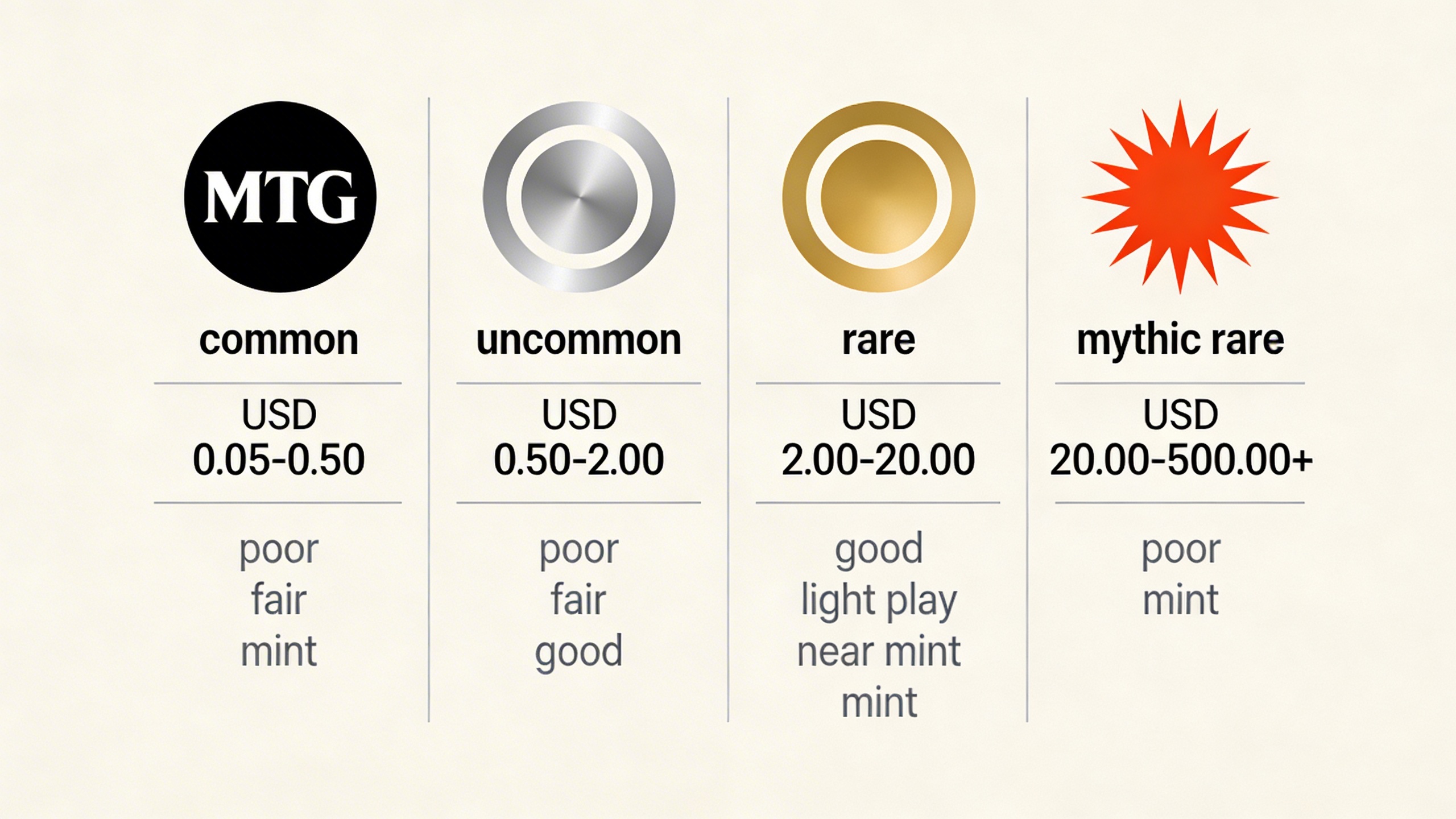
Magic’s rarity system directly correlates with card availability and baseline pricing. Common cards appear in roughly 7 out of 8 booster packs, making them readily available and typically valued under $1 unless they see heavy competitive play. Uncommon cards appear less frequently but still maintain relatively modest prices except for format staples.
Rare cards, printed on the rare sheet with approximately 1 in 8 pack frequency, form the foundation of most valuable collections. Cards like Snapcaster Mage and Tarmogoyf demonstrate how rare cards can command $20-50+ when they define competitive archetypes.
Mythic rare cards, introduced in 2008 with Shards of Alara, appear roughly twice as infrequently as rares. This scarcity creates natural price floors for mythics, with tournament-playable examples often starting at $10-15 and climbing significantly higher. The most valuable magic the gathering cards frequently carry mythic rare status, though this isn’t universal.
Special rarities including timeshifted cards, masterpiece series, and showcase treatments create premium value tiers. These ultra-rare variants can command 2-10 times the value of regular printings, appealing to collectors seeking unique versions of their favorite cards.
Condition Grading and Value Assessment
Professional grading standards significantly impact card valuations, particularly for vintage and high-value cards. The industry recognizes several condition grades: Mint (MT), Near Mint (NM), Lightly Played (LP), Moderately Played (MP), Heavily Played (HP), and Damaged (DMG).
Near Mint cards show minimal wear and command full market value. Even slight edge wear or minor surface scratches can drop a card to Lightly Played condition, reducing value by 10-20%. Moderately Played cards with visible wear typically sell for 60-75% of Near Mint prices, while Heavily Played examples may only retain 40-50% of peak value.
Third-party grading services like PSA and BGS provide authenticated condition assessments for high-value cards. Graded cards often sell for premiums over raw cards, particularly for vintage pieces where condition verification is crucial. A PSA 9 Black Lotus might command $15,000-20,000 while an ungraded equivalent in similar condition sells for $12,000-15,000.
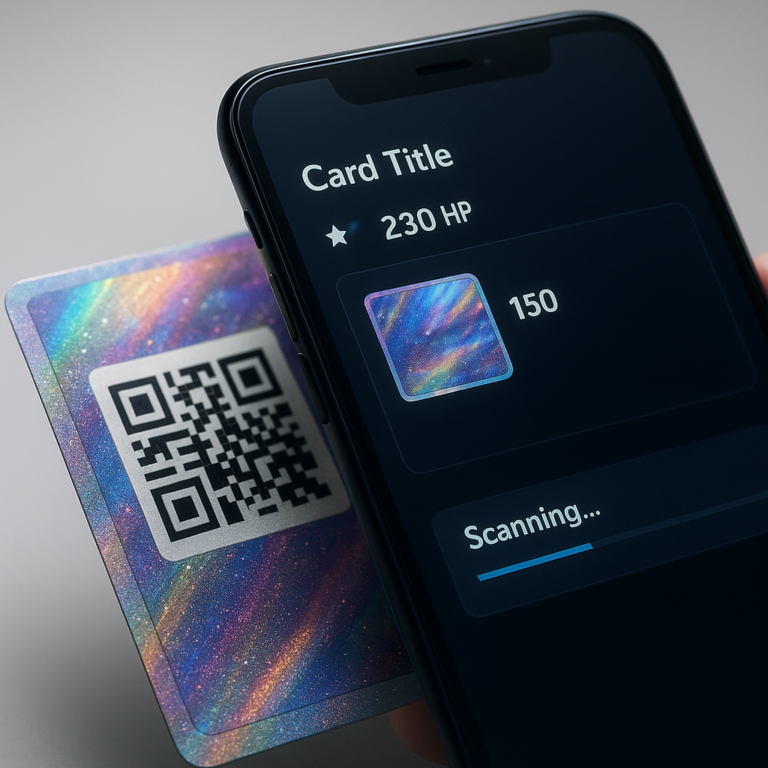
For accurate value assessment of your collection, consider using TCG Radar to quickly scan and identify cards while checking current market prices. This tool helps collectors track values across different conditions and printings, ensuring informed decisions when buying or selling cards.
The Most Valuable Magic: The Gathering Cards in 2026
Understanding which Magic: The Gathering cards command the highest prices helps collectors make informed decisions about their investments and collection priorities. The most valuable magic the gathering cards fall into distinct categories, each driven by different factors that influence their market worth. From iconic vintage powerhouses to competitive tournament staples, these cards represent the pinnacle of MTG card value.
Power Nine and Vintage Powerhouses
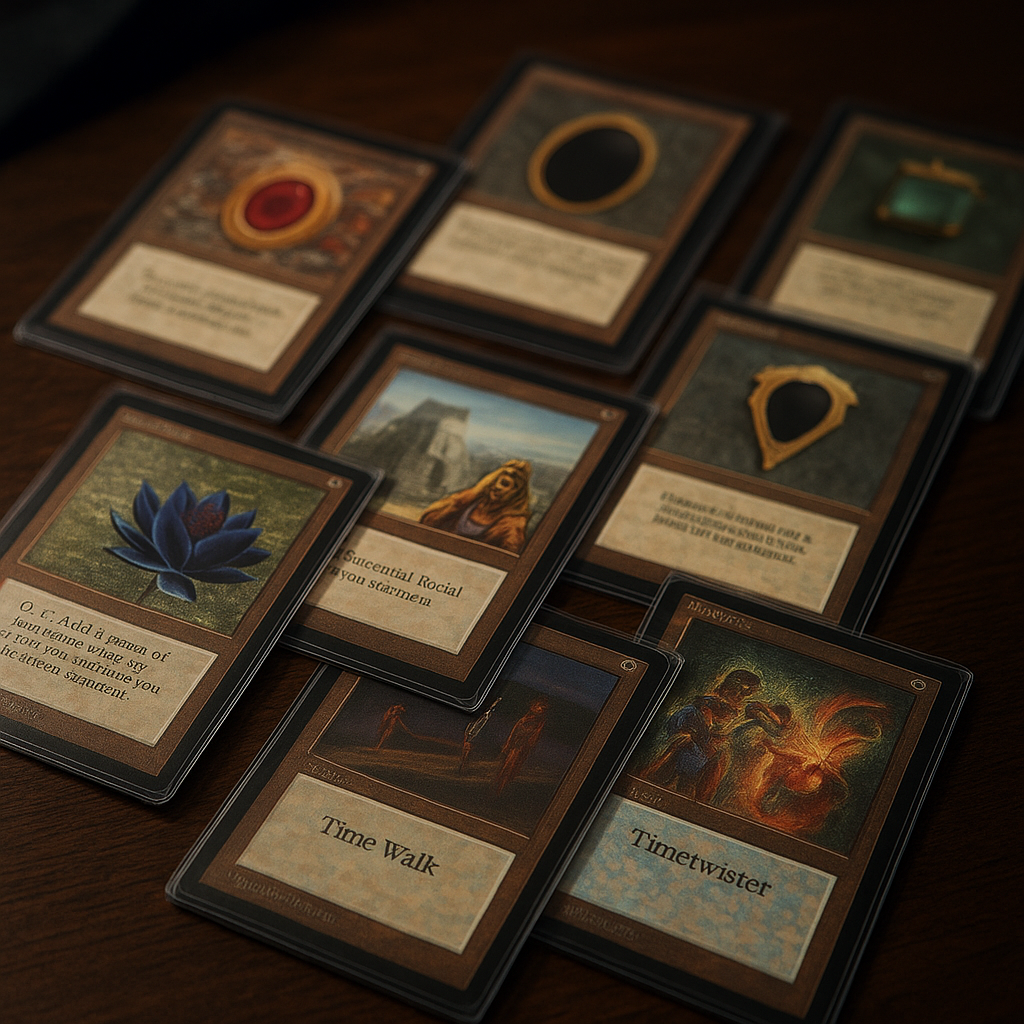
The Power Nine remains the holy grail for serious collectors, with Black Lotus consistently commanding the highest prices in the entire game. A near-mint Alpha Black Lotus currently sells for $150,000 to $500,000, depending on condition and grading. Beta versions range from $25,000 to $75,000, while Unlimited copies start around $8,000 for played condition.
The remaining Power Nine cards maintain substantial value across all printings. Ancestral Recall, Time Walk, and the five Mox cards (Pearl, Sapphire, Jet, Ruby, and Emerald) each command four to five-figure prices in good condition. Alpha printings of these cards typically sell for $15,000 to $40,000 each, while Beta versions range from $3,000 to $15,000. Even Unlimited copies of Power Nine cards rarely drop below $1,000.
Other vintage powerhouses include Timetwister ($2,000-$8,000), Library of Alexandria ($1,500-$6,000), and Bazaar of Baghdad ($800-$3,500). These cards derive their magic the gathering cards value from their power level in competitive Vintage play and their extreme scarcity from early print runs.
Reserved List Cards and Investment Potential
Wizards of the Coast’s Reserved List policy creates artificial scarcity that drives long-term appreciation for specific cards. This policy guarantees that certain powerful cards will never be reprinted, making them attractive investment targets for collectors focused on mtg card value growth.
Dual lands from Revised Edition represent the most liquid Reserved List investments. Underground Sea, Volcanic Island, and Tropical Island each sell for $400-$800 in near-mint condition, with steady annual appreciation of 8-15%. These cards see constant demand from Legacy and Vintage players who need them for competitive decks.
High-impact Reserved List creatures like Gaea’s Cradle ($800-$1,200), Survival of the Fittest ($180-$280), and Grim Monolith ($350-$500) offer strong investment potential. Cards from Tempest and Urza’s Saga blocks have shown particularly robust growth, as they represent the final Reserved List sets before Wizards shifted their reprint policy.
For collectors tracking Reserved List investments, using a reliable card scanner app like TCG Radar helps monitor price movements and verify card authenticity when making purchases. The app’s comprehensive database includes current market values for all Reserved List cards across different conditions.
Modern Tournament Staples with High Value
Competitive Magic drives significant demand for tournament-legal cards, creating substantial magic cards value for format staples. Modern format cards command premium prices when they become essential components of tier-one decks.
Fetchlands consistently maintain high values due to their universal utility across multiple formats. Scalding Tarn, Misty Rainforest, and Verdant Catacombs typically sell for $15-$25 each, with prices fluctuating based on tournament results and reprinting schedules. These lands see play in virtually every competitive deck that can support them.
Planeswalkers that define tournament metas command significant premiums. Jace, the Mind Sculptor maintains a $40-$60 price point despite multiple reprints, while format-warping cards like Wrenn and Six ($45-$65) and Teferi, Time Raveler ($20-$30) reflect their competitive importance.
Specialty cards that enable specific archetypes often spike dramatically when their strategies become popular. Aether Vial ($35-$50), Chalice of the Void ($25-$40), and Ensnaring Bridge ($15-$25) exemplify how niche but powerful effects maintain consistent value in competitive environments.
The most valuable modern staples combine tournament necessity with limited print runs. Cards from sets with lower print runs or special releases often maintain higher prices even after achieving widespread play. Collectors should monitor tournament results and deck popularity to identify emerging staples before their prices peak, as competitive magic the gathering value often correlates directly with tournament success and meta share.

Factors That Influence MTG Card Pricing
Understanding what drives magic the gathering cards value requires examining multiple interconnected factors that create the complex pricing landscape collectors navigate today. Unlike static collectibles, MTG card prices fluctuate based on competitive play demands, historical significance, and market availability, making price tracking essential for serious collectors.
Tournament Play and Competitive Demand
Competitive play remains the primary driver of magic cards value fluctuations. When cards like Teferi, Time Raveler dominated Standard tournaments, prices surged from $15 to over $45 within months. Meta shifts create immediate price volatility as players rush to acquire newly viable cards while previously dominant cards lose value.
Format legality significantly impacts pricing patterns. Cards legal in multiple formats command higher prices than format-restricted options. For example, fetchlands like Scalding Tarn maintain $20-30 values due to play across Modern, Legacy, and Commander formats. Pioneer format creation in 2019 revitalized dozens of previously forgotten cards, with some increasing 300% overnight.
Professional tournament results create ripple effects throughout the market. When a previously overlooked card wins a major tournament, casual players and speculators drive immediate price spikes. This phenomenon explains why monitoring competitive play is crucial for understanding mtg card value trends.
Collectibility and Historical Significance
Alpha and Beta editions command massive premiums regardless of playability due to their historical significance as Magic’s first printings. A Beta Lightning Bolt worth $300 performs identically to a $3 reprint, yet collectors pay 100x more for the original printing. These early sets represent Magic’s foundation, making them the most valuable magic the gathering cards for pure collecting purposes.
Artist signatures, misprints, and unique variations create additional collectible value. Cards with artwork by iconic artists like Christopher Rush or Rebecca Guay often trade above market rates. Miscut cards, double-strikes, and other printing errors that would typically decrease value instead create niche collector markets willing to pay premiums.
Reserved List status guarantees certain cards will never be reprinted, creating artificial scarcity that drives long-term appreciation. Cards like Gaea’s Cradle and Mox Diamond have increased 500-1000% over the past decade purely due to this scarcity promise.
Print Run Size and Availability
Limited print runs create immediate scarcity that inflates magic the gathering value. Sets like Arabian Nights and Legends had smaller print runs than modern sets, making even common cards from these expansions worth $5-20. Conversely, unlimited print runs keep card prices accessible but limit appreciation potential.
Promotional and special releases often become highly sought after due to restricted distribution. Judge promos, convention exclusives, and special event cards frequently trade for 10-50x the value of regular printings. The Judge promo Elspeth, Knight-Errant commands $200+ compared to $15 for regular versions.
Modern print-to-demand strategies mean popular cards get reprinted when prices rise too high, creating natural price ceilings. However, cards from discontinued products or special releases maintain their premiums indefinitely. Secret Lair drops exemplify this trend, with limited availability windows creating immediate collectible value.
For collectors tracking these complex pricing factors, using tools like TCG Radar provides real-time price data and historical trends, helping identify optimal buying and selling opportunities across all these market dynamics.
How to Research and Track Magic Card Values
Successfully tracking magic the gathering cards value requires a systematic approach using multiple data sources and understanding market dynamics. Whether you’re building a collection or selling cards, accurate valuation research forms the foundation of smart financial decisions in the MTG marketplace.
Reliable Price Tracking Websites and Tools
TCGPlayer stands as the gold standard for mtg card value research, offering real-time pricing data from thousands of verified sellers. The platform’s market price represents actual completed transactions rather than listing prices, providing the most accurate baseline for current values. MTGGoldfish complements TCGPlayer by offering historical price charts that span multiple years, making it invaluable for identifying long-term trends and market cycles.
EDHREC provides specialized pricing data focused on Commander format staples, while MTGStocks excels at tracking daily price movements and identifying cards experiencing sudden value shifts. For collectors seeking the most comprehensive approach, TCG Radar offers instant card identification and price checking through your smartphone camera, making it the fastest way to value entire collections or verify prices while shopping at local game stores.
Cardmarket serves European collectors with region-specific pricing, while eBay’s sold listings provide insight into actual market transactions for high-value vintage cards where formal market data may be limited.
Market Trends and Price History Analysis
Identifying price spikes requires monitoring multiple indicators simultaneously. Tournament results often trigger immediate price increases for winning deck components, with cards like Teferi, Time Raveler jumping from $8 to $25 following major event victories. Set rotation in Standard format creates predictable price patterns, as cards lose value when leaving the format but may gain long-term value in eternal formats.
Seasonal trends significantly impact magic cards value, with prices typically rising during spoiler season and major tournament periods. The most valuable magic the gathering cards often experience cyclical patterns tied to reprints, with Reserved List cards maintaining steady growth while regularly reprinted staples fluctuate based on supply cycles.
Successful traders monitor buylist prices alongside retail values, as significant spreads often indicate impending price movements. When stores increase buylist prices substantially, it typically signals growing demand and potential retail price increases.
Regional Price Variations and Market Differences
European markets, primarily through Cardmarket, often price cards 10-30% lower than North American equivalents due to different tournament schedules and format preferences. Japanese cards command premiums in both regions, with foil Japanese alternatives trading at 150-300% of English versions for popular cards.
Local game store pricing varies significantly from online markets, with physical stores typically charging 10-20% above TCGPlayer market prices to account for overhead costs. However, LGS buylist prices often exceed online alternatives, particularly for high-demand Standard and Modern staples.
Currency fluctuations create arbitrage opportunities for international traders, while shipping costs and import duties affect cross-border transactions. Understanding these regional differences enables collectors to identify undervalued cards in specific markets and optimize their buying and selling strategies across different platforms and geographic regions.
Buying and Selling MTG Cards for Value
Successfully navigating the buying and selling landscape requires understanding where to find the best deals, when to make your moves, and how to protect yourself from counterfeits. Whether you’re hunting for undervalued gems or liquidating your collection, strategic approaches can significantly impact your magic the gathering cards value returns.
Best Platforms for Buying Valuable Cards
Each marketplace offers distinct advantages for different types of purchases. TCGPlayer remains the gold standard for competitive pricing, with thousands of verified sellers offering everything from budget picks to Power Nine cards. Their market price data directly influences mtg card value across the industry, making it essential for price research.
eBay provides access to auction-style listings where patient buyers can secure deals, particularly on graded cards and complete collections. Watch for sellers with high feedback ratings and detailed photos showing card conditions. Local game stores offer the advantage of examining cards in person before purchase, crucial when buying expensive Reserved List cards like Tropical Island or Mox Diamond.
For tracking current market values and identifying purchasing opportunities, TCG Radar provides instant price checking through card scanning technology. This tool helps collectors quickly assess whether a card is priced fairly across different platforms, essential when hunting for undervalued magic cards value opportunities.
Facebook groups and Discord communities often feature private sales with competitive pricing. Groups like “MTG Sick Deals” and “High End Magic” cater to serious collectors seeking most valuable magic the gathering cards, though these require established reputation within the community.
Selling Strategies to Maximize Returns
Timing significantly impacts selling success. Monitor major tournament results, as winning decks drive immediate demand for key cards. Ragavan, Nimble Pilferer spiked from $60 to $80 following multiple Modern tournament wins, demonstrating how competitive play affects magic the gathering value.
Consider seasonality when planning sales. Standard rotation in September creates selling pressure for rotating cards, while December holiday shopping increases demand for collectibles. Reserved List cards typically maintain stable prices year-round, making them suitable for strategic long-term holds.
Platform selection matters for different card types. High-value singles ($100+) often perform better on eBay due to auction potential and collector visibility. Mid-range cards ($10-50) sell efficiently on TCGPlayer’s marketplace. Bulk collections move quickly through local stores or community groups.
Professional grading through PSA or BGS can increase returns for pristine condition cards, particularly vintage items and modern chase cards. A PSA 10 Black Lotus commands significant premiums over ungraded copies, though grading costs and time must factor into profitability calculations.
Authentication and Avoiding Counterfeits
Counterfeit detection requires multiple verification methods. The “light test” remains fundamental—authentic Magic cards show specific rosette patterns under magnification and allow minimal light penetration. Counterfeit cards often feel different in thickness and texture compared to genuine cardboard stock.
Professional authentication services like PSA and BGS provide definitive verification for high-value purchases. Their encapsulation services cost $20-100 depending on declared value, but offer peace of mind for expensive acquisitions. Many collectors consider professional authentication mandatory for Reserved List cards exceeding $500.
Common counterfeit indicators include incorrect font spacing, color saturation differences, and improper card stock feel. The most valuable magic the gathering cards face the highest counterfeiting risk, making verification crucial. When buying online, request high-resolution photos of card edges, corners, and any wear patterns.
Establish relationships with reputable dealers who guarantee authenticity. Many high-end sellers offer return policies and authentication guarantees, though these often come with premium pricing. Building trust within the collecting community through consistent honest dealings creates access to private sales with reduced counterfeit risk.
Document purchases with photos and receipts, particularly for insurance purposes. Many valuable collections exceed standard homeowner’s policy limits, requiring specialized collectibles insurance that demands proper documentation and authentication records.
Investment Potential and Long-Term Value Trends
Magic: The Gathering has emerged as a legitimate alternative investment class, with certain cards demonstrating remarkable returns that often outpace traditional financial instruments. Understanding the long-term value trends requires examining historical data, market dynamics, and evolving collector demographics.
MTG Cards as Alternative Investments
High-grade vintage Magic cards have delivered exceptional returns over the past two decades. Black Lotus from Alpha, for example, has appreciated from approximately $1,000 in 2000 to over $500,000 for pristine copies today—a compound annual growth rate exceeding 30%. This performance significantly outpaces the S&P 500’s historical average of 10% annually.
The magic the gathering cards value proposition extends beyond individual chase cards. Reserved List staples like dual lands have shown consistent 15-20% annual appreciation, while iconic cards from sets like Legends and Antiquities have maintained steady growth trajectories. Modern playable cards such as Tarmogoyf and Liliana of the Veil have also proven resilient investments, maintaining value through multiple format rotations.
Portfolio diversification benefits make MTG attractive to sophisticated collectors. Cards from different eras and formats provide varying risk profiles—vintage cards offer stability and prestige, while Modern and Pioneer staples provide liquidity and tournament-driven demand spikes.
Historical Price Performance Analysis
Analyzing 25+ years of mtg card value data reveals distinct appreciation patterns. The Reserved List announcement in 1996 created artificial scarcity that continues driving prices upward. Alpha and Beta cards experienced explosive growth between 2019-2021, with many cards tripling in value.
| Card | 2010 Price | 2020 Price | 2024 Price | 10-Year CAGR |
|---|---|---|---|---|
| Underground Sea (Beta) | $200 | $800 | $2,500 | 28% |
| Mox Ruby (Unlimited) | $300 | $1,200 | $3,800 | 27% |
| Force of Will (Alliances) | $15 | $80 | $120 | 18% |
Market corrections occurred during 2022-2023, with some cards declining 20-30% from pandemic peaks. However, the most valuable magic the gathering cards have shown remarkable resilience, with many recovering to new highs by 2024.
Future Value Predictions and Market Outlook
Several factors suggest continued appreciation for premium Magic cards. The 30th Anniversary celebration in 2023 introduced new collector products, while Wizards of the Coast’s aggressive reprint policy has created clear value tiers between original printings and reprints.
Demographic shifts favor long-term growth. Original players from the 1990s now possess significant disposable income, driving demand for nostalgic cards. Meanwhile, younger collectors increasingly view magic cards value through an investment lens, supported by platforms like PWCC and Heritage Auctions legitimizing the market.
For collectors tracking magic the gathering value trends, tools like TCG Radar provide essential price monitoring capabilities. The app’s comprehensive database and scanning features help identify undervalued cards before market movements occur.
Conservative projections suggest continued 8-12% annual appreciation for Reserved List staples, while tournament playables may experience more volatile but potentially higher returns tied to competitive metagame shifts and new format adoption.
Protecting and Preserving Your Valuable MTG Collection
Once you’ve identified the magic the gathering cards value in your collection, protecting these investments becomes paramount. Proper preservation can maintain or even increase your cards’ worth over time, while poor storage can permanently damage valuable pieces worth hundreds or thousands of dollars.
Proper Storage and Handling Techniques
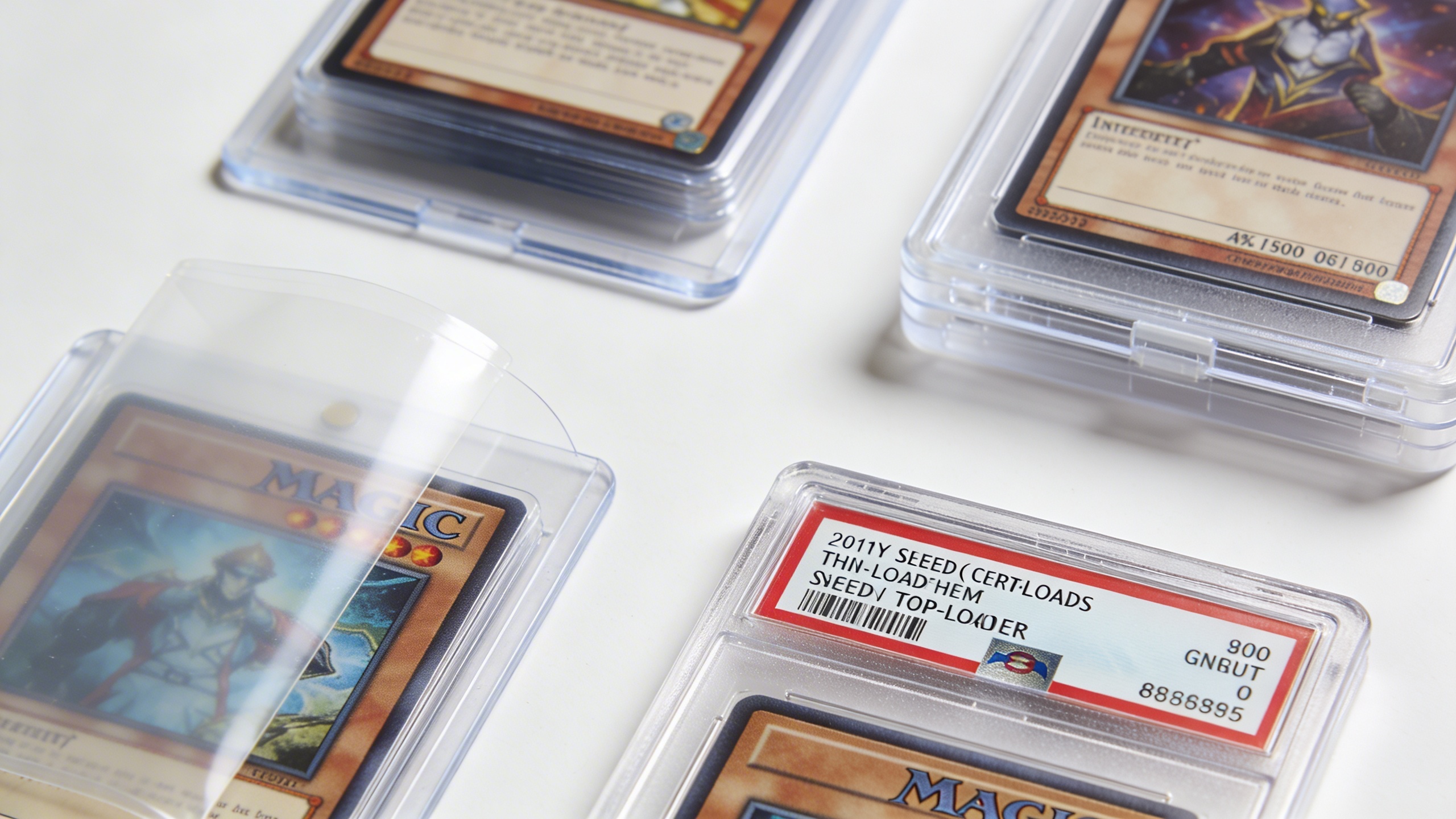
The foundation of collection preservation starts with quality sleeves and storage solutions. For cards worth over $50, use penny sleeves inside toploaders, creating a double-barrier system. Cards valued above $100 should receive additional protection with team bags or semi-rigid holders. Store these protected cards in climate-controlled environments, maintaining 45-55% humidity and temperatures between 60-70°F.
When handling valuable cards, always use clean hands or cotton gloves. Support the card from underneath rather than gripping the edges, and never touch the surface directly. For the most valuable magic the gathering cards like Black Lotus or Mox cards, consider magnetic holders that eliminate the need for frequent handling during viewing.
Organize your collection using acid-free storage boxes with dividers. Label each section clearly and maintain an inventory system that tracks card conditions, purchase dates, and current mtg card value estimates. This organization proves invaluable for insurance purposes and helps you monitor your collection’s growth over time.
Insurance and Documentation for High-Value Cards
Standard homeowner’s or renter’s insurance typically covers collectibles up to $2,500 total, making additional coverage essential for serious collectors. Specialized collectibles insurance through companies like Collectibles Insurance Services offers comprehensive coverage starting around $7-10 per $1,000 of declared value annually.
Document your collection thoroughly with high-resolution photographs showing front, back, and any notable condition issues. Record purchase receipts, dates acquired, and periodic value assessments. For cards exceeding $500 in magic cards value, consider professional appraisals every 3-5 years to ensure adequate insurance coverage as market values fluctuate.
When to Consider Professional Grading
Professional grading through PSA or BGS becomes cost-effective when the potential grade premium exceeds grading costs plus shipping. Generally, this applies to cards worth $100+ in raw condition, particularly vintage cards from Alpha through Revised sets. A PSA 9 Black Lotus commands significantly more than an ungraded Near Mint copy.
Submit cards in batches to reduce per-card costs, which range from $20-100 depending on declared value and service level. Focus on cards with strong centering, sharp corners, and clean surfaces. Even minor condition issues can result in lower grades that don’t justify grading expenses.
Before submitting valuable cards, research recent sales data for similar graded examples to ensure the investment makes financial sense for your collection goals.
Frequently Asked Questions
What is the most valuable Magic: The Gathering card?
The Black Lotus from Alpha edition is the most valuable Magic card, with pristine copies selling for over $500,000 at auction. This card holds the top position due to its status as part of the iconic Power Nine, its extreme rarity, and its legendary reputation as the most powerful card ever printed.
How do I find out how much my Magic cards are worth?
Use online price databases like TCGPlayer, MTGGoldfish, or EDHREC to check current market values for your cards. Always assess the condition carefully (Near Mint, Lightly Played, etc.) as this significantly impacts value, and consider professional appraisal for high-value collections.
Are Magic: The Gathering cards a good investment?
Magic cards have shown strong historical performance, with vintage cards appreciating significantly over decades, but they carry risks like market volatility and condition degradation. While some cards have outperformed traditional investments, they should be considered alternative investments with higher risk and lower liquidity than stocks or bonds.
What makes some Magic cards more valuable than others?
Card value depends on rarity (with mythic rares and older cards being scarcer), competitive playability in popular formats, age and historical significance, and condition. Cultural factors like iconic artwork, memorable mechanics, or tournament legacy also contribute to a card's desirability and market price.
Should I get my valuable Magic cards professionally graded?
Professional grading through services like PSA or BGS makes financial sense for cards worth $100+ in excellent condition, as grading can increase value and provide authenticity verification. However, grading costs $20-50+ per card and takes weeks, so it's only worthwhile for truly valuable cards where the grade premium exceeds the service fee.