Complete Pokemon Card Price Guide and Checker: Track Values, Find Deals, and Maximize Your Collection
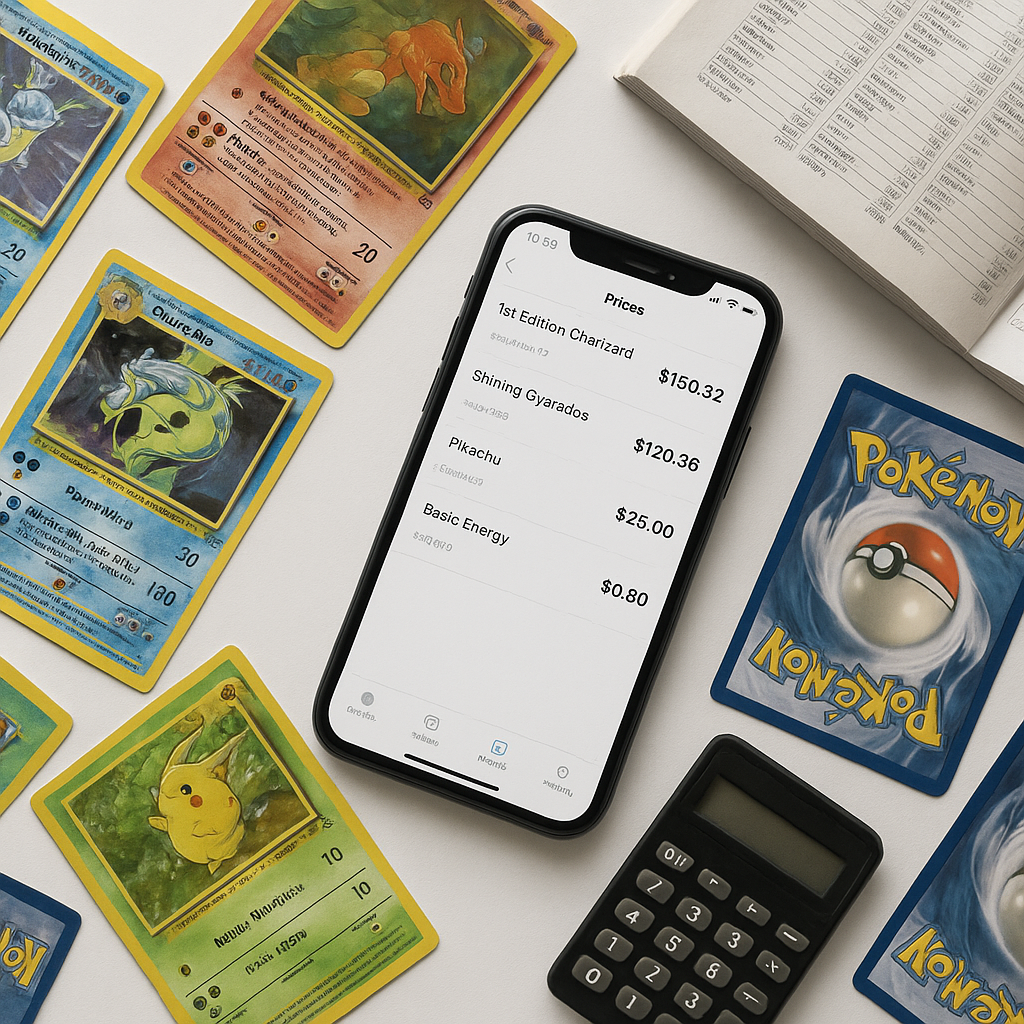
The Pokemon trading card game has evolved from a childhood pastime into a multi-billion dollar collectible market, with rare cards selling for hundreds of thousands of dollars at auction. Whether you’re a casual collector hunting for nostalgic cards or a serious investor building a portfolio, understanding current pokemon prices is crucial for making informed decisions. A reliable pokemon price checker becomes an essential tool when navigating this complex market, helping you identify undervalued gems, avoid overpaying, and track your collection’s worth over time.
Smart collectors know that successful Pokemon card investing requires more than just luck—it demands strategic price tracking, market analysis, and access to accurate valuation data. From understanding how card pokemon price fluctuations work to mastering advanced tracking techniques, this comprehensive guide will transform how you approach the Pokemon card market. You’ll discover the best tools for checking pricecharting pokemon data, learn to identify profitable investment opportunities, and develop the skills needed to maximize your collection’s value while avoiding costly mistakes that trip up inexperienced collectors.
Understanding Pokemon Card Values and Market Dynamics
The Pokemon card market operates as a complex ecosystem where multiple factors converge to determine individual card values. Understanding these dynamics is essential for collectors, players, and investors who want to make informed decisions about their Pokemon card purchases and sales. Market prices fluctuate based on supply and demand, competitive play relevance, and collector sentiment, making price tracking tools invaluable for staying current with market movements.
Factors That Determine Pokemon Card Prices
Card rarity serves as the foundation of Pokemon card pricing, with different rarity symbols indicating scarcity levels. Common cards typically trade for under $1, while rare holofoil cards from popular sets like Base Set can command $20-50 in near mint condition. Ultra-rare cards such as Charizard VMAX from Champion’s Path have maintained values between $80-150 depending on condition. Set popularity also significantly impacts pricing—cards from iconic sets like Base Set, Neo Genesis, and modern premium sets consistently outperform those from less popular releases.
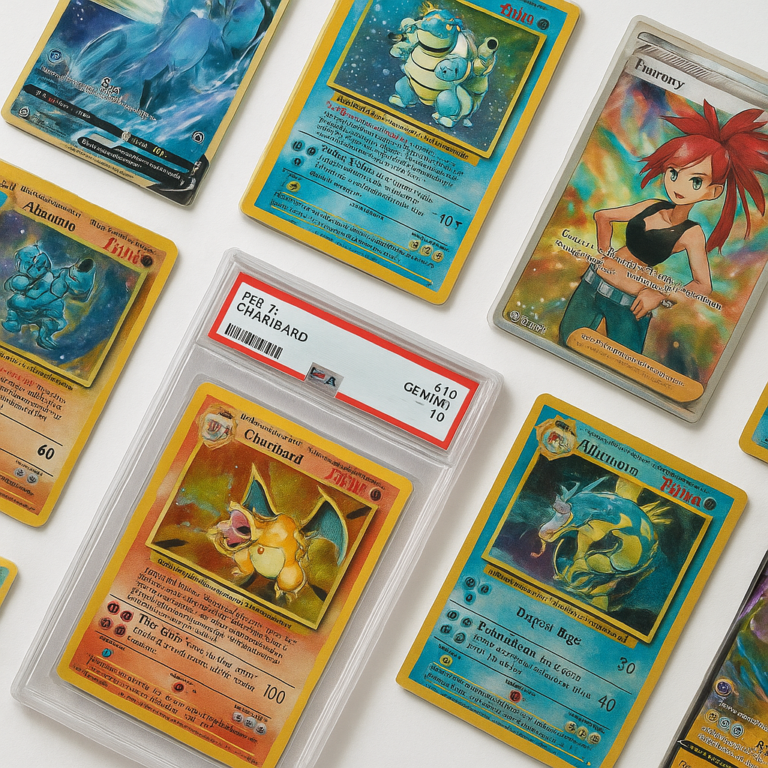
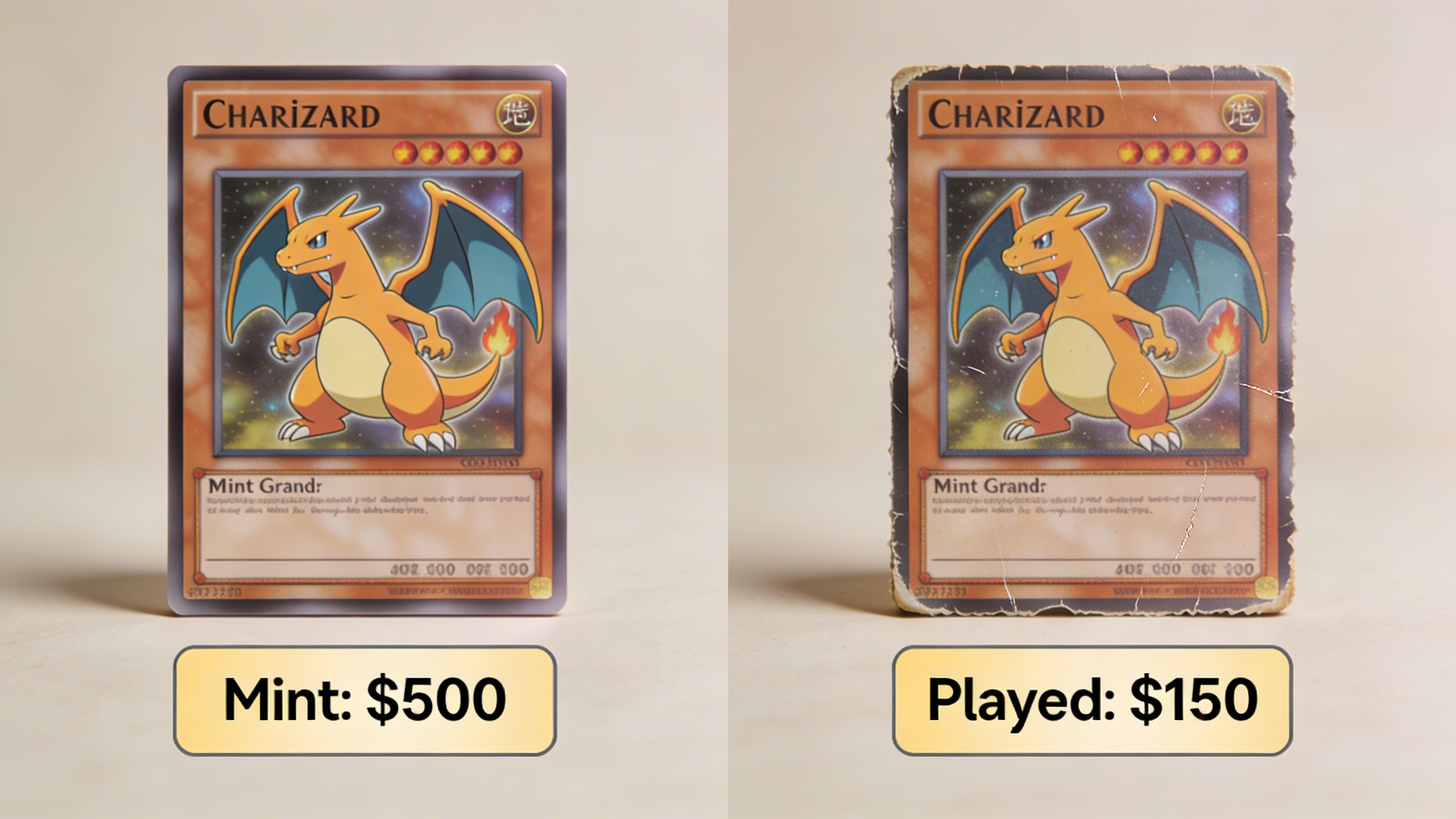
Condition assessment directly correlates with market value, often creating dramatic price differences between grades. A Base Set Charizard in heavily played condition might sell for $100, while the same card in mint condition commands $800-1200. Age-related wear, centering issues, edge damage, and surface scratches all factor into condition evaluation. Character popularity creates another pricing tier, with Charizard, Pikachu, and legendary Pokemon consistently maintaining premium values compared to less iconic creatures from the same sets.
Tournament playability introduces volatility into pokemon prices, as competitive viability can rapidly increase demand. When Arceus VSTAR dominated tournament play in 2022, its price jumped from $15 to $35 within months. Conversely, cards rotating out of standard format often experience immediate price drops of 30-50%. For accurate pokemon price card checker functionality, monitoring both casual collector demand and competitive play trends becomes essential.
Market Trends and Price Fluctuations
Pokemon card markets exhibit cyclical patterns tied to product releases, tournament seasons, and broader economic conditions. New set releases typically depress prices of older cards temporarily, as collector attention shifts to fresh products. However, established vintage cards often rebound within 3-6 months as initial excitement subsides. Seasonal trends also emerge, with prices generally rising during holiday shopping periods and declining during summer months when fewer people actively collect.
Anniversary celebrations and special events create significant price spikes for related cards. The Pokemon 25th anniversary in 2021 drove Base Set card prices to historic highs, with some cards doubling in value within six months. Social media influence and celebrity endorsements can trigger sudden demand surges, as seen when Logan Paul’s Charizard purchases brought mainstream attention to high-end Pokemon cards.
Economic factors beyond the hobby also impact card pokemon price stability. During periods of inflation or market uncertainty, collectibles often serve as alternative investments, driving prices higher. Conversely, economic downturns typically reduce discretionary spending on collectibles, creating buying opportunities for patient collectors. Using a reliable pokemon price checker helps identify these market timing opportunities.
Grading Impact on Card Values
Professional grading services like PSA, BGS, and CGC create substantial value premiums for high-grade cards. A PSA 10 Base Set Charizard commands $6,000-8,000, while the same card in PSA 9 condition sells for $2,000-3,000—demonstrating how single grade points translate to thousands of dollars in value difference. The grading premium varies by card age and popularity, with vintage cards showing larger grade-based price gaps than modern releases.
Grading costs must be weighed against potential value increases. With grading fees ranging from $20-100 per card depending on service level, only cards with significant upside potential justify the expense. Modern cards under $50 rarely benefit from grading, while vintage holofoils and ultra-rare modern cards often see 2-5x value increases when achieving high grades.
For collectors tracking their portfolio values, using a comprehensive TCG Radar scanning app provides instant access to both raw and graded card prices, helping determine which cards warrant professional grading investment. The app’s database includes pricing data across different grades, enabling informed grading decisions based on current market conditions.
Best Pokemon Price Checker Tools and Platforms
Choosing the right pokemon price checker can make the difference between profitable trades and costly mistakes. The market offers several reliable platforms, each with unique strengths for tracking pokemon prices across different card conditions, sets, and market trends. Understanding which tools provide the most accurate data for your specific needs will help you make informed decisions whether you’re buying, selling, or simply valuing your collection.
PriceCharting and Database Platforms
PriceCharting stands as one of the most comprehensive pokemon price checker platforms available, aggregating sold listing data from eBay to provide market averages across different conditions. The platform tracks pricecharting pokemon data for cards from Base Set through current releases, offering both loose and graded card valuations. Their strength lies in historical price tracking, showing 30-day, 90-day, and yearly trends that help identify market patterns.
TCGPlayer serves as another cornerstone database, particularly valuable for its direct marketplace integration. Unlike pure tracking sites, TCGPlayer shows both historical data and current marketplace listings, giving you immediate buying opportunities alongside price research. The platform’s condition guidelines align closely with industry standards, making their pokemon price card checker data highly reliable for real-world transactions.
PWCC Marketplace provides premium auction data, especially valuable for high-end cards. Their pokemon prices reflect the upper tier of the market, with detailed population reports for graded cards. While their data skews toward expensive cards, PWCC offers unmatched accuracy for investment-grade Pokemon cards worth $500 or more.
| Platform | Best For | Data Source | Update Frequency |
|---|---|---|---|
| PriceCharting | Historical trends | eBay sold listings | Daily |
| TCGPlayer | Current market prices | Live marketplace | Real-time |
| PWCC | High-end auctions | Auction results | Weekly |
Mobile Apps for Real-Time Price Checking
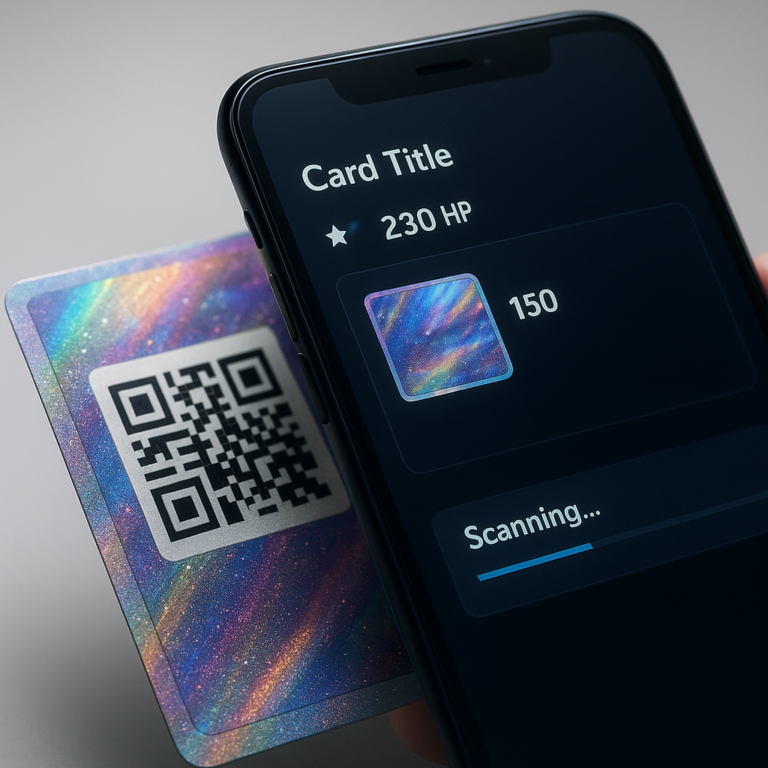
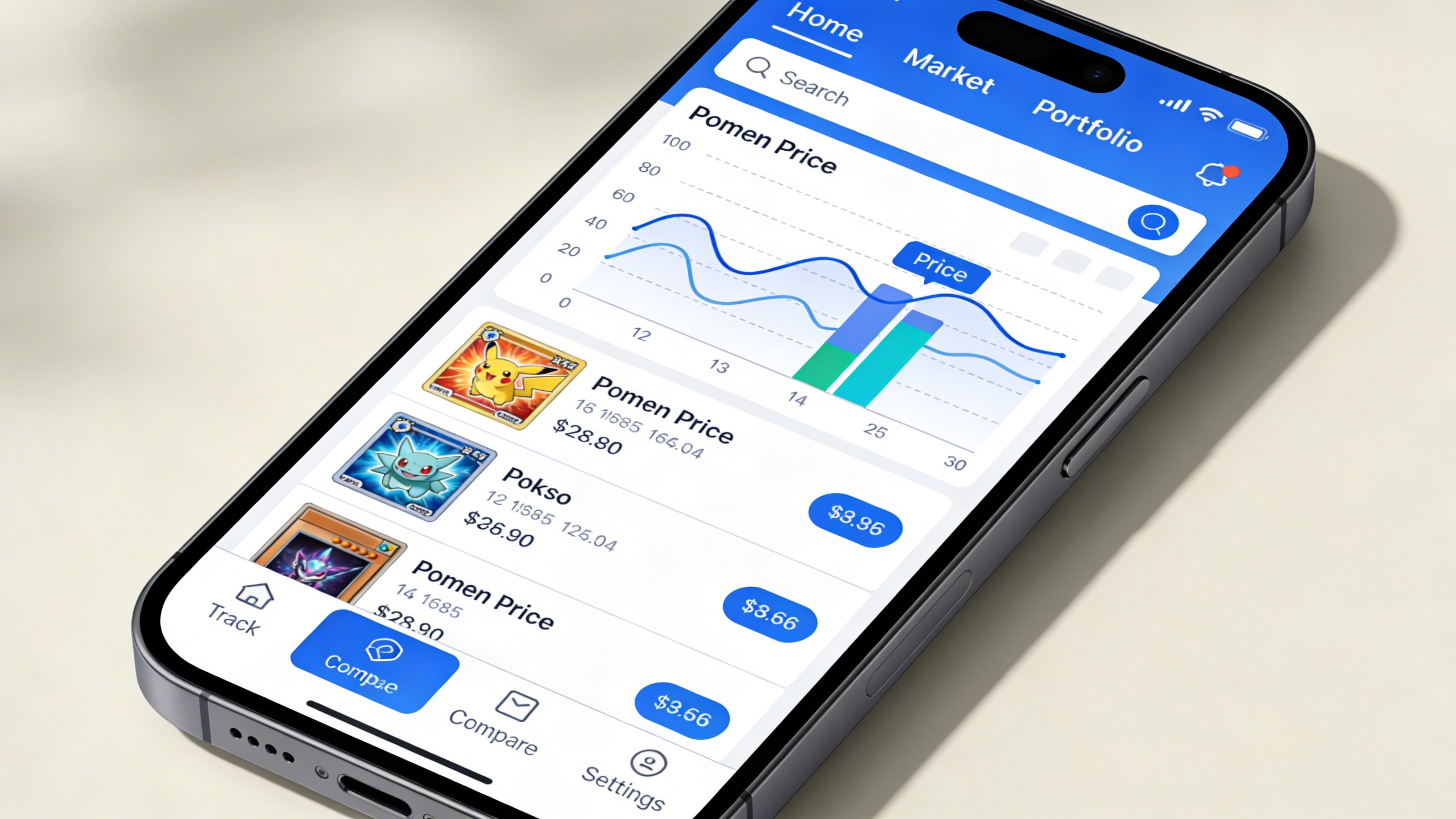
Mobile accessibility transforms how collectors check card pokemon price data on the go. TCG Radar leads the mobile scanning space, offering instant card identification through camera scanning with access to real-time pricing from multiple sources. The app’s recognition accuracy exceeds 95% for Pokemon cards from major sets, making it the fastest way to check values while browsing card shops, conventions, or garage sales.
The official TCGPlayer app provides seamless integration with their marketplace, allowing users to scan cards and immediately see both market prices and available inventory. Their barcode scanning works well for newer sets, though older cards may require manual searches. The app excels at portfolio tracking, letting you monitor your collection’s value changes over time.
CollX (formerly CloutX) focuses on social features alongside price checking, creating a community-driven approach to card valuation. Users can photograph cards for crowd-sourced pricing opinions while accessing database prices. The app works particularly well for modern cards but struggles with vintage Pokemon cards that lack clear database entries.
Cardboard Connection’s mobile site offers comprehensive pokemon price checker functionality through a responsive web interface. While not a dedicated app, their mobile experience provides detailed set information, release dates, and market analysis that complements raw pricing data from other sources.
Auction Site Price Tracking
eBay remains the primary source for pokemon prices across all platforms, but raw auction data requires careful interpretation. Completed listings show actual sale prices, but you must filter for condition, authenticity, and auction format. Best offers accepted, auction-style listings, and Buy It Now sales all produce different price points for identical cards.
Heritage Auctions provides the gold standard for vintage and high-grade Pokemon cards. Their detailed lot descriptions, professional photography, and expert authentication create reliable price benchmarks for cards worth $1,000 or more. Heritage’s realized prices often set market trends for investment-grade Pokemon cards.
WorthPoint aggregates auction results from multiple sources, including smaller regional auction houses that might not appear in mainstream pokemon price card checker platforms. This broader data collection helps identify regional price variations and market opportunities that major platforms might miss.
For optimal results, successful collectors typically use multiple platforms simultaneously. Start with mobile apps like TCG Radar for quick identification and initial pricing, verify values through PriceCharting’s historical data, and cross-reference current market conditions on TCGPlayer before making purchase decisions. This multi-platform approach provides the most complete picture of current pokemon prices and market trends.
How to Use Pokemon Price Guides Effectively
Mastering pokemon price checker tools requires more than just looking up individual card values. Successful collectors and traders understand how to interpret market data, cross-reference multiple sources, and time their buying and selling decisions strategically. The difference between profitable collecting and costly mistakes often lies in how effectively you analyze pricing information.
Reading Price Charts and Trends
Price charts reveal the story behind pokemon prices, showing not just current values but historical patterns that predict future movements. When examining a card’s price history, focus on three key elements: trend direction, volatility patterns, and volume indicators. A Charizard Base Set 1st Edition showing steady upward movement over six months indicates stronger long-term value than one with erratic spikes and crashes.
Look for seasonal patterns in your card pokemon price analysis. Many cards experience price increases during back-to-school periods (August-September) and holiday seasons (November-December) when gift-buying peaks. Conversely, prices often dip during summer months when fewer people actively collect. Understanding these cycles helps you time purchases and sales for maximum profit.
Pay attention to percentage changes rather than absolute dollar amounts. A $50 card increasing to $75 represents a 50% gain, while a $500 card reaching $525 shows only 5% growth. The first scenario suggests stronger momentum and potential for continued appreciation.
Comparing Multiple Data Sources
No single pokemon price card checker provides the complete market picture. Professional collectors typically monitor at least three different platforms simultaneously to identify pricing discrepancies and market inefficiencies. Compare sold listings on eBay, current market prices on TCGPlayer, and auction results from Heritage Auctions for high-value cards.
When sources show conflicting data, investigate the underlying reasons. A pricecharting pokemon entry might show higher values than recent eBay sales due to condition differences, authentication status, or market timing. PSA 10 graded cards command premium prices that raw card data doesn’t reflect, so ensure you’re comparing equivalent conditions and certifications.
Create a simple tracking spreadsheet with columns for different price sources, dates, and conditions. This systematic approach reveals which platforms consistently offer better buying or selling opportunities for specific card types. Many collectors discover that certain sources excel for vintage cards while others provide better modern card pricing.
For real-time price verification and collection tracking, TCG Radar offers the fastest card scanning technology available. Simply photograph your cards to instantly access current market values from multiple databases, eliminating the need to manually search each platform.
Setting Price Alerts and Notifications
Automation transforms casual collecting into strategic investing. Most pokemon price checker platforms offer alert systems that notify you when target cards reach specific price points. Set alerts 10-15% below current market prices to catch temporary dips caused by motivated sellers or market corrections.
Configure alerts for both individual cards and broader market segments. While tracking specific Pikachu Illustrator prices, also monitor general vintage card trends to identify market-wide opportunities. Some platforms allow percentage-based alerts, notifying you when any card in your watchlist drops by a predetermined amount.
Timing market entries requires patience and preparation. When alerts trigger, verify the opportunity quickly but thoroughly. Check the seller’s reputation, examine provided photos carefully, and confirm the listing details match your expectations. The best deals often disappear within hours of being posted, making rapid but informed decision-making essential for successful collecting.
Pokemon Card Price Lists by Set and Rarity
Understanding price structures across different Pokemon sets helps collectors make informed decisions whether buying, selling, or trading. Each era of Pokemon cards carries distinct value patterns based on print runs, popularity, and nostalgic appeal. Using a reliable pokemon price checker becomes essential when navigating these varied market segments.
Vintage and Classic Set Values
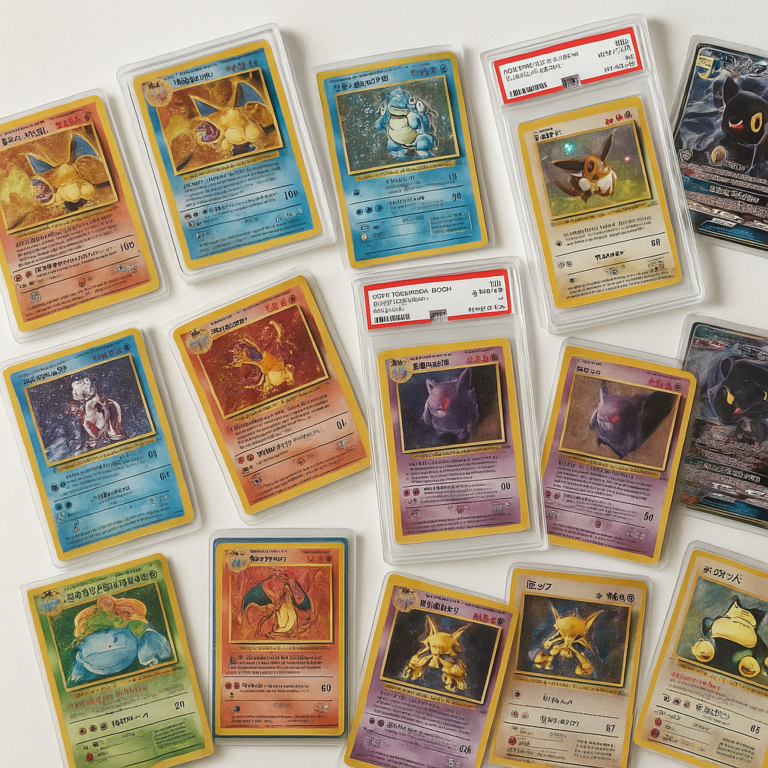
The original Base Set from 1998-1999 remains the gold standard for Pokemon card values. Charizard (#4/102) leads the pack with Near Mint copies reaching $350-500, while Played condition examples sell for $150-250. Other Base Set holos like Blastoise and Venusaur typically range from $80-200 depending on condition.
Jungle and Fossil sets follow similar patterns but at lower price points. Jungle Scyther holos average $25-45, while Fossil Gengar commands $30-60. The key factor affecting these pokemon prices is the Unlimited versus Shadowless distinction – Shadowless cards often carry 50-100% premiums over their Unlimited counterparts.
| Set | Key Cards | Holo Range (NM) | Non-Holo Range |
|---|---|---|---|
| Base Set | Charizard, Blastoise, Venusaur | $80-500 | $5-25 |
| Jungle | Scyther, Wigglytuff, Electrode | $20-45 | $3-12 |
| Fossil | Gengar, Articuno, Zapdos | $25-60 | $4-15 |
| Team Rocket | Dark Charizard, Dark Blastoise | $40-120 | $5-20 |
Neo Genesis through Neo Destiny sets from 2000-2001 occupy a middle ground between vintage and modern pricing. Lugia from Neo Genesis averages $60-100, while the Crystal Pokemon from e-Card series can reach $200-400 for pristine copies. When checking card pokemon price values for these sets, condition becomes critically important as even light play copies lose significant value.
Modern Set Price Ranges
Current generation Pokemon sets follow more predictable pricing patterns, though chase cards still command premium prices. Sword & Shield era sets typically see their most valuable cards peak at $50-150 for regular versions, with alternate art and special textures reaching $200-500.
Brilliant Stars showcases this modern pricing structure perfectly. Charizard VSTAR (#018/172) sells for $15-25, while the Rainbow Rare version commands $80-120. The Alternate Art Charizard V reaches $250-350, demonstrating how special treatments drive modern pokemon prices significantly higher than base versions.
Evolving Skies remains one of the most valuable modern sets due to Eeveelution popularity. Umbreon VMAX Alternate Art leads at $300-450, while Sylveon VMAX Alt Art follows at $200-300. Regular V and VMAX cards from this set typically range from $8-40, making it accessible for newer collectors while offering high-end chase cards for serious investors.
When using a pokemon price card checker for modern sets, timing matters significantly. Newly released sets often see inflated prices that normalize within 2-3 months. Pre-ordering single cards usually costs 20-40% more than waiting for market stabilization.
Special Edition and Promo Card Pricing
Promotional and special edition cards create unique pricing scenarios that standard market analysis doesn’t always capture. Trophy Pikachu cards from official tournaments can reach $5,000-50,000 depending on the specific event and condition. The 1998 Pokemon Illustrator card holds the record at over $300,000 for perfect condition copies.
McDonald’s promotions create interesting market dynamics. The 2021 25th Anniversary cards initially sold for $5-15 each but have since dropped to $2-8 for most cards. However, the special Pikachu holo maintains $15-25 value due to its iconic status.
Japanese exclusive promos often carry premiums over their English counterparts. Pokemon Center exclusive cards typically cost 30-50% more than similar English releases, while tournament promos can command 100-300% premiums. Regional price variations become especially pronounced with these special releases.
Birthday Pikachu promos demonstrate how limited distribution affects pricing. The original 1998 version sells for $800-1,500, while more recent birthday promos range from $50-200. Understanding these distribution patterns helps collectors identify undervalued opportunities.
For accurate tracking of these diverse price ranges, collectors increasingly rely on comprehensive tools like TCG Radar to scan and identify cards instantly while checking current market values across multiple platforms. This approach ensures you’re getting real-time pricing data whether dealing with vintage classics or the latest special releases.
European and Japanese markets often show different pricing trends, with Japanese cards sometimes trading at 20-30% premiums due to perceived quality differences and collector preferences. Using pricecharting pokemon data helps identify these regional arbitrage opportunities for savvy collectors.
Pokemon Pack Prices and Investment Strategies
Navigating Pokemon sealed product investments requires understanding both immediate pack values and long-term market trends. While individual card prices fluctuate daily, sealed booster boxes and packs follow different appreciation patterns that savvy collectors can leverage for portfolio growth.
Sealed Product Price Tracking
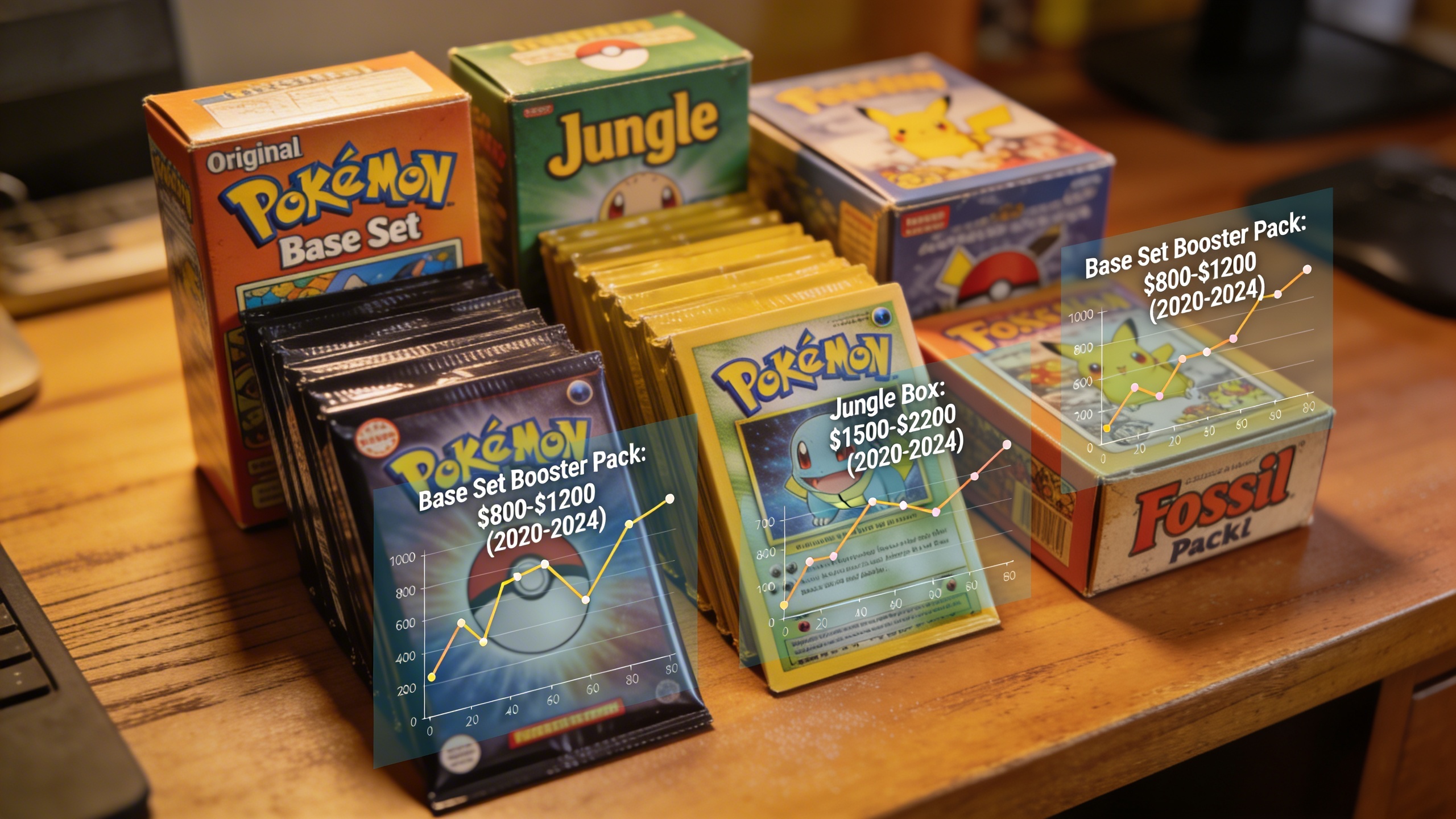
Booster box prices typically appreciate 15-25% annually for popular sets, with vintage boxes showing exponential growth. Base Set booster boxes that sold for $100 in 1999 now command $50,000+ in mint condition. Modern sets like Evolving Skies and Lost Origin maintain steady appreciation, with boxes rising from $144 retail to $200+ within 12 months of release.
Effective sealed product tracking involves monitoring multiple price points across different platforms. A comprehensive pokemon price checker should include sealed product data alongside individual card values. Key metrics to track include:
- Retail launch prices vs current market values
- Booster box price trends across 6-month, 1-year, and 3-year periods
- Single pack prices for out-of-print sets
- Regional price variations and import costs
Many collectors use TCG Radar to quickly scan and verify pokemon prices for both sealed and opened products, ensuring they’re making informed purchase decisions based on current market data.
Pack Opening vs Holding Strategy
The eternal dilemma facing collectors involves calculating expected value (EV) against appreciation potential. Modern booster packs typically offer negative EV, with card pokemon price totals averaging 60-70% of pack cost. However, this calculation shifts dramatically for vintage products.
Consider these EV calculations for popular sets:
| Set | Pack Price | Average EV | Hold Strategy ROI (3-year) |
|---|---|---|---|
| Brilliant Stars | $4.50 | $3.20 | +45% |
| Champion’s Path | $5.00 | $4.80 | +120% |
| Hidden Fates | $4.20 | $6.50 | +200% |
The holding strategy becomes more attractive when factoring in sealed product scarcity. Once print runs end, sealed boxes become finite assets while individual card reprints can impact single card values. Using a reliable pokemon price card checker helps identify when holding becomes more profitable than opening.
Smart collectors often employ a hybrid approach: opening one box for enjoyment while holding 2-3 boxes for investment. This strategy satisfies the collecting urge while building long-term value.
Long-term Investment Considerations
Successful Pokemon investing requires understanding market cycles and preservation requirements. Storage conditions directly impact investment returns, with temperature fluctuations and humidity causing significant value deterioration.
Professional storage recommendations include:
- Climate-controlled environments maintaining 65-70°F and 45-55% humidity
- UV-protected storage away from direct sunlight
- Acid-free boxes and protective sleeves for individual packs
- Regular condition monitoring using detailed photography
Market timing strategies focus on identifying undervalued sets before broader recognition drives prices higher. Sets featuring popular Pokemon like Charizard, Pikachu, and Eevee consistently outperform others. Additionally, anniversary sets and special releases often show accelerated appreciation curves.
Diversification remains crucial for Pokemon investments. Rather than concentrating on single sets, successful investors spread holdings across different eras: vintage WOTC products for stability, early ex-series for growth potential, and modern sets for accessibility. Regular portfolio review using comprehensive pricecharting pokemon data ensures optimal allocation adjustments.
The key to long-term success lies in patience and market education. Pokemon’s enduring popularity suggests continued growth, but individual set performance varies significantly based on card quality, print runs, and cultural relevance.
Advanced Price Tracking Techniques
Serious Pokemon collectors and investors need sophisticated tracking systems beyond basic pokemon price checker tools. By implementing advanced monitoring techniques, you can identify market trends, predict value changes, and make informed buying and selling decisions. These methods transform casual collecting into strategic portfolio management.
Building Your Own Price Database
Creating a comprehensive price database starts with establishing a structured spreadsheet system. Design columns for card name, set, condition, purchase price, current market value, and percentage change. Include additional fields for rarity, PSA grade potential, and personal notes about condition specifics.
Effective templates should track both raw card pokemon price data and graded card values. Monitor cards across multiple conditions (Near Mint, Lightly Played, Moderately Played) to understand condition premiums. Update your database weekly using reliable sources like TCGPlayer, eBay sold listings, and auction house results.
For maximum efficiency, consider using TCG Radar to quickly scan and identify cards in your collection, automatically pulling current market data directly into your tracking system. This eliminates manual data entry errors and ensures consistent pricing updates.
Automated Monitoring Systems
Advanced collectors leverage API integrations to automate price tracking. TCGPlayer’s API provides real-time pricing data that can populate spreadsheets automatically. Set up conditional formatting to highlight cards experiencing significant price movements—typically changes exceeding 15% within a week.
Implement alert systems for specific cards or price thresholds. When Charizard Base Set drops below $300 in PSA 9 condition, or when modern chase cards like Alternate Art Charizard from Brilliant Stars spike above historical averages, automated notifications help you capitalize on opportunities.
eBay’s API can track sold listings for rare cards not covered by traditional pokemon price card checker platforms. This proves especially valuable for Japanese exclusives, tournament promos, and error cards where standard pricecharting pokemon resources lack comprehensive data.
Market Analysis and Prediction Tools
Successful price prediction combines multiple indicators. Track release schedules for new sets, as reprints typically decrease prices for existing cards. Monitor Pokemon TCG tournament results—winning deck archetypes often drive demand for specific cards.
Analyze seasonal patterns in pokemon prices. Holiday seasons typically see increased demand for gift-worthy cards like Pikachu and Eevee variants. Summer months often bring price dips as casual players reduce activity.
| Predictive Indicator | Impact Timeline | Reliability |
|---|---|---|
| Tournament Meta Shifts | 1-2 weeks | High |
| Set Rotation Announcements | 2-3 months | Very High |
| Reprint Confirmations | 3-6 months | High |
| Social Media Trends | Days to weeks | Medium |
Combine social media sentiment analysis with hard data. Reddit discussions, YouTube openings, and Twitter trends can predict short-term price movements. However, always verify social signals against actual sales data before making investment decisions. The most successful collectors balance emotional market indicators with concrete transaction evidence.
Common Price Tracking Mistakes and How to Avoid Them
Even experienced collectors make critical errors when tracking Pokemon card values. Understanding these common pitfalls helps protect your investment decisions and ensures accurate collection valuation. Let’s examine the most frequent mistakes and proven strategies to avoid them.
Overreliance on Single Data Sources
Many collectors make the mistake of using only one pokemon price checker for all their valuation needs. While platforms like eBay sold listings provide real market data, relying solely on one source creates blind spots in your analysis. A single data point might reflect an outlier sale, temporary market manipulation, or incomplete information about card condition.
Cross-reference multiple sources when checking pokemon prices. Compare recent eBay sales with TCGPlayer market prices, PWCC auction results, and specialized platforms. For instant verification while examining cards, TCG Radar provides fast scanning and price comparison across multiple databases, helping you spot discrepancies immediately.
Create a verification checklist: check at least three different platforms, look at sales from the past 30 days, and note any significant price variations. This multi-source approach reveals the true market range for any card pokemon price inquiry.
Ignoring Condition and Grading Differences
The most expensive mistake collectors make involves misunderstanding condition impact on pricing. A PSA 10 Charizard Base Set might sell for $6,000, while a Near Mint ungraded copy brings $400. Many collectors see the headline price without recognizing these crucial distinctions.
When using any pokemon price card checker, always filter results by specific conditions. Raw card prices differ dramatically from graded prices, and different grading companies command different premiums. A BGS 9.5 often sells for less than a PSA 10, despite similar technical grades.
Document condition details meticulously. Small edge wear, centering issues, or surface scratches can reduce values by 50% or more. Professional grading provides objective condition assessment, but costs $15-50 per card depending on service level and turnaround time.
Timing and Market Psychology Errors
Emotional decision-making destroys more collection value than any other factor. FOMO (fear of missing out) drives collectors to overpay during market peaks, while panic selling during downturns locks in unnecessary losses. Pokemon card markets follow predictable cycles tied to new set releases, nostalgic anniversaries, and broader economic conditions.
Successful collectors track pricecharting pokemon data over extended periods rather than reacting to daily fluctuations. Market manipulation through coordinated buying or artificial scarcity affects short-term prices but rarely sustains long-term value.
Establish clear buying and selling criteria before emotional attachment influences decisions. Set target prices for desired cards and stick to predetermined budgets. Remember that Pokemon cards represent both collectibles and investments—balance enjoyment with financial prudence for optimal results.
Frequently Asked Questions
What is the most accurate Pokemon card price checker?
The most accurate approach is cross-referencing multiple platforms including TCGPlayer for current market prices, PriceCharting for historical trends, and eBay sold listings for recent sales data. No single platform provides complete accuracy, so comparing 2-3 sources gives you the most reliable price estimate. TCGPlayer is particularly strong for tournament-legal cards, while eBay sold listings show real-world transaction prices for rare and vintage cards.
How often do Pokemon card prices change?
Popular and tournament-staple Pokemon cards can fluctuate daily based on competitive play results and market demand. Most cards see meaningful price changes weekly, influenced by new set releases, tournament outcomes, and social media trends. Rapid price spikes often occur during major tournaments, product announcements, or when cards gain popularity through streaming content.
Are graded Pokemon cards always worth more than ungraded?
Graded cards aren't always worth more when factoring in grading costs, which typically range from $20-100+ per card. Lower-value cards rarely justify grading expenses, while high-grade vintage cards and pristine modern chase cards see significant premiums. PSA 10 and BGS Black Label cards command the highest premiums, but cards grading below 8-9 often lose value compared to ungraded copies.
What Pokemon cards are increasing in value the most?
Vintage Base Set cards, especially Charizard and other starter Pokemon, continue showing strong growth alongside Japanese exclusive releases. Tournament-winning deck cards and cards featuring popular Pokemon from recent games or anime episodes often see rapid appreciation. In 2024, alternate art cards from recent sets and cards with unique artwork or special treatments are emerging as strong investment categories.
How do I track prices for my entire Pokemon card collection?
Portfolio tracking apps like TCGPlayer's Collection Tracker and Dragon Shield's MTG Companion offer automated price updates for large collections. For smaller collections, creating a spreadsheet with card details and linking to price APIs provides customizable tracking. Many collectors use apps like CollX or TopDeck for scanning cards and automatic price updates, though manual verification is recommended for high-value items.