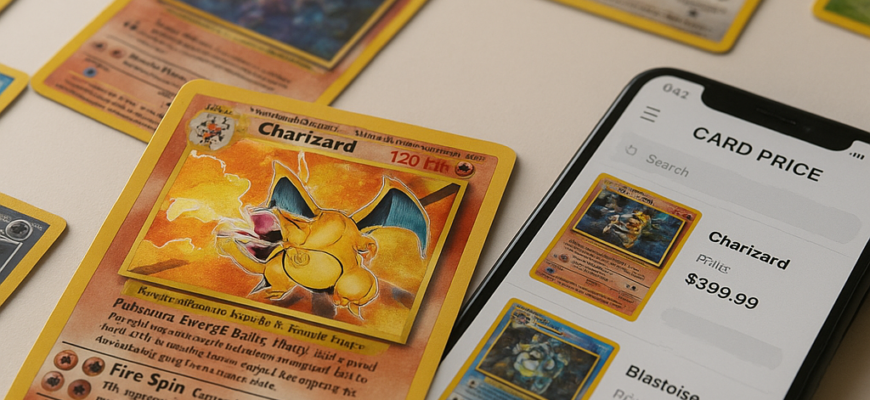
The Pokemon TCG market has evolved into a sophisticated ecosystem where card values can shift dramatically overnight, making an accurate pokemon tcg price checker essential for collectors, players, and investors alike. Whether you’re evaluating a vintage Base Set Charizard or analyzing the latest tournament-winning deck staples, understanding current pokemon tcg prices requires more than casual browsing through auction sites. Market volatility driven by competitive play results, surprise reprints, and viral social media moments can cause pokemon tcg card prices to fluctuate by hundreds or even thousands of dollars within days.
Navigating this complex landscape demands reliable tools and proven strategies to track pokemon tcg market price movements effectively. As your trusted resource for trading card game insights, Grand Screen has compiled this comprehensive pokemon tcg price guide to help you make informed decisions in 2026’s dynamic marketplace. You’ll discover the most accurate price checking platforms, learn to identify key market factors that drive value changes, and master advanced tracking techniques that successful collectors use to maximize their investments while avoiding costly pricing mistakes.
- Best Pokemon TCG Price Checking Tools and Websites
- Free Price Checking Platforms
- Premium Price Tracking Services
- Mobile Apps for On-the-Go Pricing
- Understanding Pokemon TCG Card Values and Market Factors
- What Determines Pokemon Card Prices
- Condition Grading Impact on Value
- Tournament Meta and Price Fluctuations
- How to Check Pokemon TCG Prices Accurately
- Step-by-Step Price Checking Process
- Identifying Card Details and Variations
- Comparing Sold vs Listed Prices
- Pokemon TCG Price Trends and Market Analysis
- Current Market Trends in 2026
- Seasonal Price Patterns
- Investment vs Collection Considerations
- Common Pokemon TCG Pricing Mistakes to Avoid
- Overvaluing Based on Outdated Information
- Ignoring Card Condition Details
- Misunderstanding Print Run Variations
- Pokemon TCG Price Checking for Different Card Types
- Vintage and Classic Cards (Base Set – Neo)
- Modern Cards and Special Sets
- Japanese vs English Card Pricing
- Building Your Pokemon TCG Price Tracking Strategy
- Setting Up Price Alerts and Watchlists
- Documentation and Portfolio Management
- When to Buy, Hold, or Sell
Best Pokemon TCG Price Checking Tools and Websites
Finding accurate Pokemon TCG prices requires reliable tools that provide real-time market data. With thousands of cards across multiple sets and varying conditions, having the right pokemon tcg price checker can mean the difference between making informed decisions and overpaying for your collection. Here’s a comprehensive breakdown of the most effective platforms available in 2026.
Free Price Checking Platforms
Several established websites offer comprehensive pokemon tcg card prices without subscription fees. TCGPlayer remains the industry standard, aggregating prices from thousands of verified sellers across North America. The platform provides detailed condition-based pricing for cards like Charizard ex from Obsidian Flames, showing market prices ranging from $15 for lightly played to $25 for near mint copies.
eBay’s sold listings feature offers another valuable free resource for checking pokemon tcg prices. By filtering completed auctions over the past 90 days, collectors can identify actual selling prices rather than inflated asking prices. This method proves particularly useful for rare promotional cards or Japanese exclusives where other platforms lack sufficient data.
PriceCharting provides clean, easy-to-read charts showing price trends over time. Their pokemon tcg price guide includes average selling prices for complete sets, making it ideal for collectors tracking long-term investments. The site updates daily and covers cards from Base Set through the latest releases.
Premium Price Tracking Services
Subscription-based services offer advanced features that serious collectors and dealers find invaluable. PWCC Marketplace provides auction house-quality data with detailed population reports and grade distributions. Their premium tier costs $29.99 monthly but includes access to private sale data and predictive pricing algorithms.
CardLadder specializes in graded card analytics, tracking PSA and BGS population data alongside pokemon tcg market price trends. The service excels at identifying undervalued cards before they spike in popularity. For example, their data correctly predicted the 300% price increase in Moonbreon VMAX alternate art cards six months before the surge occurred.
These premium platforms justify their costs through exclusive features like portfolio tracking, price alerts, and historical data exports. Professional dealers often rely on these tools to identify market inefficiencies and optimize their inventory decisions.
Mobile Apps for On-the-Go Pricing
Mobile applications have revolutionized how collectors check pokemon tcg prices while shopping at local game stores or card shows. TCG Radar stands out as the fastest and most accurate card scanner available, using advanced image recognition to instantly identify cards and provide current market values. The app works seamlessly even in poor lighting conditions common at tournament venues.
The official TCGPlayer app offers solid functionality with barcode scanning and wishlist management. However, its scanning accuracy drops significantly with older cards or those in played condition. The app shines for modern sets where card recognition remains reliable.
Delver Lens provides another scanning option with decent accuracy for English cards. The app struggles with Japanese Pokemon cards and alternate art variants, making it less suitable for comprehensive collection management. Its strength lies in quick price checks during casual trading sessions.
| Platform | Cost | Best Feature | Accuracy Rating |
|---|---|---|---|
| TCG Radar | Free | Advanced scanning technology | 95% |
| TCGPlayer App | Free | Integrated marketplace | 85% |
| Delver Lens | $4.99/month | Multi-TCG support | 78% |
When selecting a pokemon tcg price checker, consider your specific needs. Casual collectors benefit most from free platforms like TCGPlayer, while serious investors should explore premium services for advanced analytics. Mobile apps prove essential for real-time pricing during trades and purchases, with scanning accuracy being the primary differentiator between options.
Understanding Pokemon TCG Card Values and Market Factors
Successfully navigating the Pokemon TCG market requires understanding the complex web of factors that drive card values. Whether you’re building a competitive deck or expanding your collection, knowing what influences pokemon tcg prices helps you make informed purchasing and selling decisions. The market operates on principles that extend far beyond simple supply and demand, incorporating elements of nostalgia, competitive viability, and collector psychology.
What Determines Pokemon Card Prices
Three primary forces shape pokemon tcg card prices: rarity, playability, and nostalgic appeal. Rarity encompasses both the card’s original pull rate and its current availability in the market. Cards like Charizard ex from Obsidian Flames (sv03-054) command premium prices not just because of their Secret Rare status, but because they represent iconic Pokemon with enduring popularity.
Playability directly correlates with tournament success and meta relevance. Cards that define competitive strategies often see dramatic price increases during their peak usage periods. For example, Professor’s Research maintains consistent value across multiple formats due to its universal utility, while specialized cards like Lost Box engines fluctuate based on deck popularity.
Nostalgic value creates some of the most stable long-term investments in the hobby. Base Set Charizard continues appreciating regardless of its competitive irrelevance, driven purely by emotional connection and cultural significance. This factor particularly affects cards from the Wizards of the Coast era (1998-2003), where childhood memories intersect with limited print runs.
Age and print run size also significantly impact pricing. Older sets like Neo Genesis or Aquapolis feature smaller distribution numbers compared to modern releases, creating natural scarcity. Additionally, promotional cards from specific events or regions often carry premium valuations due to their limited availability.
Condition Grading Impact on Value
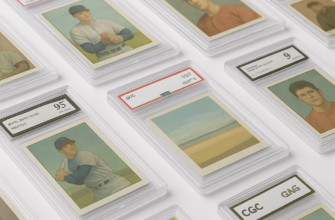
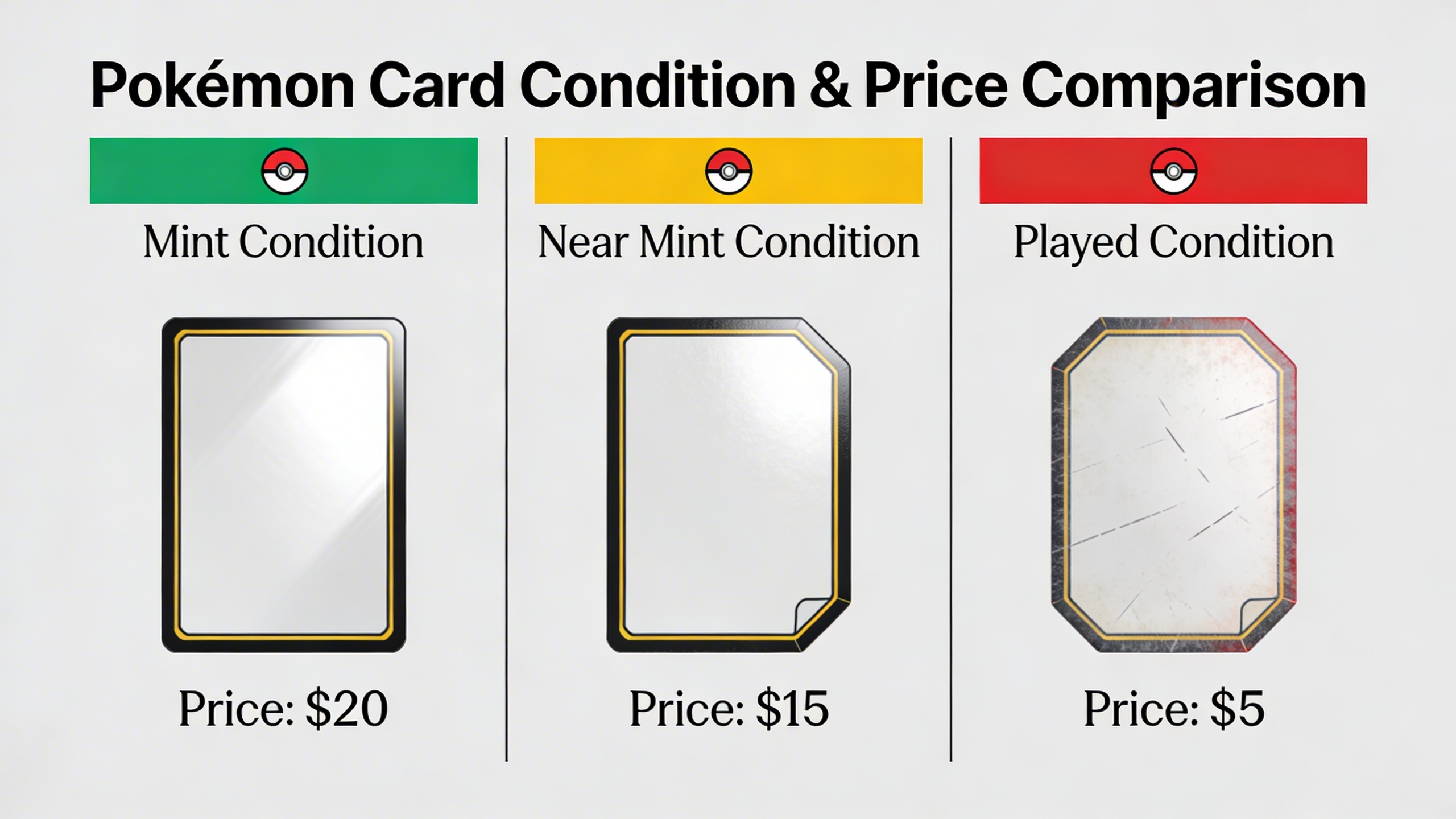
Professional grading services like PSA and BGS create dramatic value disparities based on condition assessment. A Near Mint ungraded card might trade for $100, while the same card in PSA 10 condition could command $500 or more. Understanding these multipliers helps collectors make strategic decisions about which cards warrant professional grading.
The PSA 10 designation represents the pinnacle of card condition, requiring perfect centering, sharp corners, clean edges, and flawless surface quality. Cards achieving this grade typically see 3-5x value increases over their raw counterparts. PSA 9 cards usually trade at 1.5-2x raw prices, making them attractive alternatives for budget-conscious collectors.
BGS introduces additional complexity with its subgrades for centering, corners, edges, and surface quality. A BGS 9.5 with strong subgrades often rivals PSA 10 pricing, while BGS 10 Black Labels command the highest premiums in the market. These pristine examples can reach 10x or higher multipliers for truly exceptional cards.
Modern cards benefit most from professional grading, as their recent production allows for higher grade potential. Vintage cards face steeper grading challenges due to age-related wear and printing quality variations. When using any pokemon tcg price checker, always compare graded versus raw prices to understand the full value spectrum.
Tournament Meta and Price Fluctuations
Competitive Pokemon creates volatile price movements that savvy collectors can anticipate and leverage. Major tournament results immediately impact pokemon tcg market price trends, with winning deck lists driving demand for specific cards. The announcement of new set releases or rotation schedules also triggers predictable market responses.
Regional Championships and World Championship results create the most significant price spikes. When a previously overlooked card enables a tournament-winning strategy, its value can triple overnight. Recent examples include Chien-Pao ex’s price surge following its dominance in early Paldea formats, demonstrating how competitive success translates to market demand.
Rotation announcements provide advance warning for price adjustments. Cards leaving Standard format typically see immediate value drops, while incoming cards from older sets may experience renewed interest. Smart collectors monitor official Pokemon announcements and adjust their portfolios accordingly.
For real-time market tracking and accurate valuations, TCG Radar provides comprehensive price data across multiple platforms, helping you identify trends before they fully develop. This tool becomes invaluable during volatile periods when having current pokemon tcg price guide information can mean the difference between profit and loss in your collecting endeavors.
How to Check Pokemon TCG Prices Accurately
Accurate pokemon tcg price checking requires a systematic approach that goes beyond simply looking up card names. Professional collectors and traders follow a methodical process to ensure they’re working with reliable market data for their pokemon tcg card prices research.
Step-by-Step Price Checking Process
Begin your pokemon tcg prices research by gathering complete card information before consulting any pokemon tcg price guide. Start by examining the card under good lighting to identify its exact condition, then locate the set symbol in the bottom-right corner of the card. Next, find the card number, typically displayed as “XXX/XXX” format near the set symbol.
For the most accurate results, use TCG Radar to scan your cards directly. This advanced scanner instantly identifies card details and provides real-time pokemon tcg market price data, eliminating guesswork from the identification process. The app’s database covers thousands of Pokemon cards with precise variant recognition.
Cross-reference your findings across multiple platforms. Check recent sales on eBay’s “Sold” listings, review current market prices on TCGPlayer, and compare data from PWCC Marketplace for high-value cards. This multi-source approach provides a comprehensive view of current pokemon tcg card prices across different market segments.
Identifying Card Details and Variations
Set symbols are crucial for accurate price checking. For example, the Base Set Charizard (4/102) commands significantly different prices than the Base Set 2 version (4/130), despite appearing nearly identical. The small shadowed drop symbol distinguishes Base Set 2 cards from their unlimited Base Set counterparts.
Card numbers tell the complete story. A Pikachu numbered 25/25 from the 25th Anniversary Classic Collection holds different value than Pikachu 25/102 from Base Set. Promotional cards often feature “PROMO” instead of traditional numbering, while special sets like McDonald’s collections use unique numbering systems.
Holofoil patterns, first edition stamps, and shadowless borders create distinct variants with separate market values. Japanese cards require additional attention to expansion symbols and text differences that significantly impact pricing in international markets.
Comparing Sold vs Listed Prices
Understanding the difference between asking prices and actual sales data is fundamental to using any pokemon tcg price checker effectively. Listed prices on marketplaces represent seller expectations, not market reality. These asking prices often exceed actual transaction values by 20-40% for common cards and even more for rare specimens.
Focus on completed sales from the past 30-60 days when researching pokemon tcg market price trends. eBay’s “Sold” filter shows what buyers actually paid, providing genuine market data. For cards selling frequently, analyze at least 10-15 recent sales to identify pricing patterns and outliers.
Consider sales velocity alongside price points. A card with a $100 asking price that hasn’t sold in months indicates overpricing, while similar cards selling quickly at $75 suggest the true market value. High-end cards may require longer observation periods due to less frequent transactions.
Auction results often reflect true market demand better than fixed-price listings. PSA 10 Charizard cards selling at auction provide excellent baseline data for condition-sensitive valuations. Use auction data to calibrate your expectations when selling similar cards through fixed-price channels.
Document your research with screenshots and dates. Pokemon tcg prices fluctuate based on tournament results, new set releases, and market sentiment, making historical price tracking valuable for timing buying and selling decisions.
Pokemon TCG Price Trends and Market Analysis
The Pokemon TCG market has experienced significant volatility in 2026, with vintage cards maintaining their premium status while modern releases show more predictable patterns. Understanding these trends helps collectors and investors make informed decisions when checking pokemon tcg prices across different eras and rarities.
Current Market Trends in 2026
Base Set Shadowless cards continue to dominate the high-end market, with PSA 10 Charizard reaching $350,000-$400,000 at major auctions. However, the most notable trend involves Japanese exclusive cards, which have seen 40-60% appreciation over the past year. Cards like the Japanese Base Set No Rarity Symbol Charizard now command $25,000-$35,000 in mint condition.
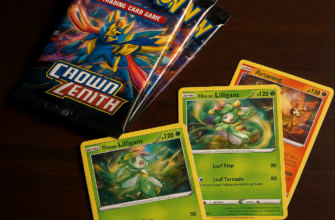
Modern pokemon tcg card prices have stabilized after the 2021-2023 boom, with new set releases showing immediate 20-30% drops from initial hype pricing within 3-6 months. Crown Zenith and Paldea Evolved chase cards like Charizard ex (SAR) settled at $80-120 after initial $200+ peaks. This pattern makes timing crucial for both buyers and sellers in the current market.
The emergence of graded modern cards as legitimate investments has created new price tiers. PSA 10 copies of recent alternate art cards consistently trade 300-500% above raw card values, indicating strong collector confidence in professional grading services.
Seasonal Price Patterns
Pokemon tcg prices follow predictable seasonal cycles that savvy collectors can leverage. November through January represents peak buying season, with vintage cards seeing 15-25% price increases due to holiday spending and year-end investment positioning. Base Set Booster Boxes typically peak during this period, reaching $8,000-$10,000 compared to summer lows of $6,500-$7,500.
Spring releases create temporary dips in older set values as collectors redirect budgets toward new products. This pattern provides excellent buying opportunities for patient collectors using a reliable pokemon tcg price checker to monitor specific targets. Summer months often represent the best value period for major purchases, particularly for cards in the $500-$5,000 range.
Championship seasons also influence pricing, with competitive staples experiencing 20-40% spikes during major tournament periods. Cards like Professor’s Research and Ultra Ball see temporary increases before rotating out of standard format.
Investment vs Collection Considerations
Investment-grade Pokemon cards require different evaluation criteria than collection pieces. Vintage WOTC cards in PSA 9+ condition have demonstrated consistent 12-18% annual appreciation over the past five years, making them comparable to traditional investment vehicles. However, this requires significant capital allocation, with entry-level investment pieces starting around $1,000.
| Card Category | Investment Potential | Collection Appeal | Liquidity |
|---|---|---|---|
| Base Set Holos (PSA 9+) | High | High | Excellent |
| Modern Alt Arts (PSA 10) | Medium | High | Good |
| Japanese Exclusives | High | Medium | Limited |
| Competitive Staples | Low | Medium | Excellent |
For collectors prioritizing personal enjoyment over returns, focusing on pokemon tcg market price trends for specific Pokemon or artists provides more satisfaction. Modern sets offer excellent collection value with lower barriers to entry, while vintage cards require substantial investment for meaningful positions.
The key to successful collecting in 2026 involves balancing emotional attachment with market realities, using comprehensive pokemon tcg price guide resources to make informed decisions regardless of your primary motivation.
Common Pokemon TCG Pricing Mistakes to Avoid
Even experienced collectors make costly errors when evaluating pokemon tcg card prices. Understanding these common pitfalls can save you hundreds or thousands of dollars when buying, selling, or trading cards. Here are the most frequent mistakes that skew accurate price assessments.
Overvaluing Based on Outdated Information
One of the most expensive mistakes collectors make is relying on stale pricing data. Pokemon tcg prices fluctuate rapidly based on tournament results, new set releases, and market sentiment. A Charizard VMAX that sold for $400 six months ago might only be worth $180 today due to reprints or meta shifts.
Many collectors still reference prices from 2020-2021’s market peak, when cards like Base Set Shadowless Charizard reached astronomical values. Using a reliable pokemon tcg price checker that updates daily prevents this costly error. Always verify recent sold listings rather than trusting outdated price guides or wishful thinking from online forums.
Ignoring Card Condition Details
Condition assessment dramatically impacts pokemon tcg market price, yet many collectors grossly overestimate their cards’ grades. A Near Mint card might sell for $100, while the same card in Lightly Played condition only fetches $60. The difference between PSA 9 and PSA 10 grades can represent thousands of dollars for vintage cards.
Common condition mistakes include:
- Overlooking minor edge wear or scratches
- Ignoring centering issues that affect professional grading
- Confusing “pack fresh” with actual mint condition
- Underestimating how storage damage affects value
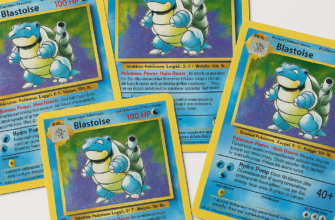
When checking pokemon tcg prices, always compare against cards in identical condition. A Base Set Blastoise in Excellent condition isn’t worth the same as a Mint example, regardless of what general price guides suggest.
Misunderstanding Print Run Variations
Print run differences create massive value gaps that inexperienced collectors often miss. First Edition Base Set cards command premium prices compared to Unlimited versions, sometimes 3-10x higher. A First Edition Machamp might seem valuable until you realize it was included in every starter deck, making it common despite the First Edition stamp.
Key variations that affect pricing include:
- Shadowless vs. shadowed Base Set cards
- Japanese vs. English language versions
- Error cards vs. corrected reprints
- Promotional vs. set release versions
Modern sets also feature different rarities within the same card name. Alternate art cards from recent sets often sell for 5-20x more than their regular versions. When using any pokemon tcg price guide, ensure you’re comparing the exact variant you own. For quick identification and accurate pricing, TCG Radar can instantly scan and identify specific card variants, helping you avoid these costly misidentifications that plague manual price checking methods.
Pokemon TCG Price Checking for Different Card Types
Different Pokemon card categories require unique pricing approaches due to varying market dynamics, condition sensitivities, and collector demand patterns. Understanding these distinctions helps ensure accurate valuations across your entire collection.
Vintage and Classic Cards (Base Set – Neo)
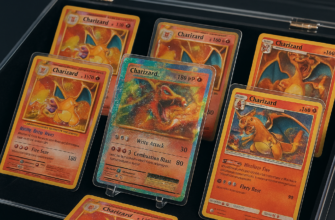
Vintage Pokemon cards from 1998-2003 present the most complex pricing challenges in the hobby. Base Set Shadowless Charizard remains the holy grail, with PSA 10 examples reaching $350,000+ at auction, while played condition copies trade for $1,000-3,000. When checking pokemon tcg prices for vintage cards, condition becomes paramount—a single edge nick can reduce value by 50% or more.
First Edition Base Set cards command premium pricing, with even common cards like Machop fetching $20-40 in mint condition. Neo Genesis and Neo Revelation holofoils maintain strong pokemon tcg market price stability, particularly for cards like Lugia and Ho-Oh. The key challenge lies in identifying authentic cards versus the numerous reprints and foreign variants that flood the market.
For vintage price checking, prioritize professional grading reports and recent auction data over general pokemon tcg price guide estimates. Cards from this era often have unique printing variations that significantly impact value—Shadowless versus Unlimited, thick versus thin stamps, and various error cards all require specialized knowledge.
Modern Cards and Special Sets
Modern Pokemon TCG pricing (2017-present) moves rapidly due to tournament play, influencer promotion, and speculation. Alternate Art cards from recent sets like Paldea Evolved and Obsidian Flames show extreme volatility, with cards like Charizard ex SAR fluctuating between $200-400 monthly based on competitive usage and social media trends.
Special sets require different pricing approaches than main series releases. Pokemon 25th Anniversary products, Celebrations reprints, and premium collections often maintain value through scarcity rather than gameplay utility. Crown Zenith Galarian Gallery cards exemplify this pattern, with chase cards like Charizard VMAX maintaining $80-120 pricing despite limited tournament play.
When using a pokemon tcg price checker for modern cards, focus on 30-day averages rather than daily fluctuations. Recent promotional cards from Pokemon Centers and special events can spike dramatically—the Pokemon GO Professor Willow card jumped from $50 to $200 within weeks of release due to limited distribution.
Japanese vs English Card Pricing
Japanese Pokemon cards often trade at different price points than English equivalents, creating arbitrage opportunities for savvy collectors. Japanese exclusive cards like Promo Golden Magikarp or tournament prize cards command premium pricing globally, while standard Japanese set cards typically trade 20-30% below English versions due to smaller international demand.
However, certain Japanese cards exceed English pricing significantly. First Edition Japanese Base Set cards, particularly holofoils, often trade 2-3x higher than English Shadowless equivalents due to superior print quality and collector preference. The Japanese Tropical Mega Battle trophy cards represent some of the hobby’s most expensive pieces, with individual cards reaching $100,000+.
Regional pokemon tcg card prices also reflect local tournament scenes and cultural preferences. Korean cards remain undervalued compared to Japanese and English versions, while Chinese cards face authenticity concerns that suppress pricing. When checking prices across regions, factor in import costs, authenticity verification, and local market demand to identify genuine value opportunities.
For accurate cross-regional price checking, TCG Radar provides comprehensive scanning capabilities that identify cards regardless of language or region, helping collectors navigate these complex international markets effectively.
Building Your Pokemon TCG Price Tracking Strategy
Successful Pokemon TCG investing requires more than occasional price checks—it demands a systematic approach to monitoring card values and market trends. A well-structured tracking strategy helps you identify profitable opportunities, avoid costly mistakes, and make informed decisions about when to buy or sell cards in your collection.
Setting Up Price Alerts and Watchlists
Creating comprehensive watchlists forms the foundation of effective pokemon tcg price tracking. Start by categorizing cards into different lists: chase cards you want to acquire, cards you currently own, and potential investment targets. Most pokemon tcg price checker platforms allow you to set up automated alerts when specific cards reach predetermined price thresholds.
For high-value cards like Charizard VMAX from Champion’s Path or vintage Base Set holos, set alerts at 10-15% below current market prices to catch potential buying opportunities. Similarly, establish upper threshold alerts for cards in your collection to identify optimal selling windows. Tools like PSA’s Price Guide and eBay’s Watch List feature enable automated notifications, while TCG Radar provides real-time scanning capabilities to quickly check current pokemon tcg card prices during trading sessions or card shop visits.
Monitor both raw and graded versions of the same card, as their price movements often correlate but can diverge during market shifts. Track cards across different conditions—a mint condition Shadowless Charizard might appreciate differently than a lightly played copy, providing diverse investment angles within the same card.
Documentation and Portfolio Management
Maintaining detailed records of your Pokemon TCG investments enables data-driven decision making and accurate portfolio performance tracking. Document purchase dates, prices paid, card conditions, and certification numbers for graded cards. This information becomes invaluable when comparing your pokemon tcg prices against current market values.
Create spreadsheets or use portfolio management apps to track key metrics: total portfolio value, individual card appreciation rates, and percentage allocation across different sets or card types. Include photos of raw cards to document condition over time, especially for high-value vintage pieces where condition significantly impacts pokemon tcg market price.
Regular portfolio reviews—monthly for active traders, quarterly for long-term collectors—help identify underperforming cards and rebalancing opportunities. Track your hit rate on price predictions and adjust your pokemon tcg price guide assumptions based on actual market performance.
When to Buy, Hold, or Sell
Develop clear criteria for each investment decision to remove emotion from the equation. Buy signals typically include: cards trading 20% below recent highs, new set releases driving temporary price dips on older cards, or upcoming tournament formats that might increase specific card demand.
Hold decisions work best for cards showing steady appreciation, newly released chase cards with limited supply, or vintage cards approaching significant anniversaries. The 25th Anniversary celebration in 2021 demonstrated how milestone years can drive substantial price increases across classic Pokemon cards.
Sell signals include: cards reaching 2-3x your purchase price, market saturation from reprints, or shifting meta-game reducing competitive demand. Monitor reprint announcements closely—cards like Shining Magikarp saw significant price corrections when included in anniversary sets.
Establish stop-loss thresholds for speculative purchases, typically 15-20% below purchase price, to limit downside risk while maintaining upside potential in your Pokemon TCG investment strategy.
Frequently Asked Questions
What is the most accurate Pokemon TCG price checker?
The most accurate approach is to compare multiple sources including TCGPlayer for current market prices, eBay sold listings for recent transaction data, and PWCC for high-end auction results. No single platform provides complete accuracy, so cross-referencing these sources gives you the most reliable price assessment for your Pokemon cards.
How often do Pokemon card prices change?
Competitive Pokemon cards can fluctuate daily based on tournament results, meta shifts, and player demand. Collectible and vintage cards typically follow longer-term trends, changing weekly or monthly based on market sentiment, new releases, and major sales events.
Why are Pokemon card prices different on various websites?
Price differences occur because platforms focus on different market segments (competitive vs. collectible), use varying data sources (live sales vs. listings), and update their pricing at different frequencies. TCGPlayer emphasizes playable cards while eBay reflects broader collector markets, leading to natural price variations.
How do I check the price of Japanese Pokemon cards?
Use specialized Japanese market resources like Yahoo Auctions Japan, Mercari Japan, and dedicated Japanese TCG sites for accurate pricing. Remember to factor in currency conversion rates and potential import costs when comparing Japanese card values to domestic market prices.
What factors make a Pokemon card more valuable?
Key value drivers include rarity (holographic, secret rare designations), condition grade, card age and set significance, competitive tournament viability, and cultural importance of featured Pokemon. First edition stamps, promotional origins, and artist signatures can also significantly increase a card's market value.