Yu-Gi-Oh! Cards: The Complete Buying, Selling, and Collecting Guide for 2026
Welcome to the captivating world of yugioh cards, where ancient Egyptian mysteries meet modern trading card excellence. Since its debut in 1999, the yugioh trading card game has evolved from a simple manga tie-in into a global phenomenon worth billions of dollars, captivating millions of duelists and collectors across six continents. What began as Kazuki Takahashi’s creative vision has transformed into one of the most enduring and valuable trading card ecosystems ever created, with some cards now commanding six-figure price tags at auction.
Whether you’re a newcomer curious about the most expensive yugioh card ever sold or a seasoned collector seeking to maximize your investment portfolio, navigating today’s dynamic market requires expert knowledge and strategic thinking. The landscape has shifted dramatically in recent years, with new yugioh cards introducing innovative mechanics while vintage gems continue appreciating in value. This comprehensive guide will equip you with essential insights into identifying the most valuable yugioh cards, discovering reliable buying sources, implementing effective selling strategies, and staying ahead of 2026’s emerging market trends.
From understanding card grading systems to building a collection that balances passion with profit potential, you’ll master every aspect of the modern Yu-Gi-Oh! marketplace.
Understanding Yu-Gi-Oh! Cards and Their Value
The yugioh trading card game has evolved into one of the most complex and valuable collectible card markets in the world. Understanding how cards function and what drives their value is essential whether you’re a new player or an experienced collector looking to make informed purchasing decisions.
Card Types and Rarity Systems
Yu-Gi-Oh! cards fall into three primary categories that define their gameplay function. Monster cards feature creatures with attack and defense points, ranging from basic Normal Monsters to powerful Effect Monsters with special abilities. Spell cards provide immediate effects or continuous benefits, while Trap cards activate in response to specific conditions during gameplay.
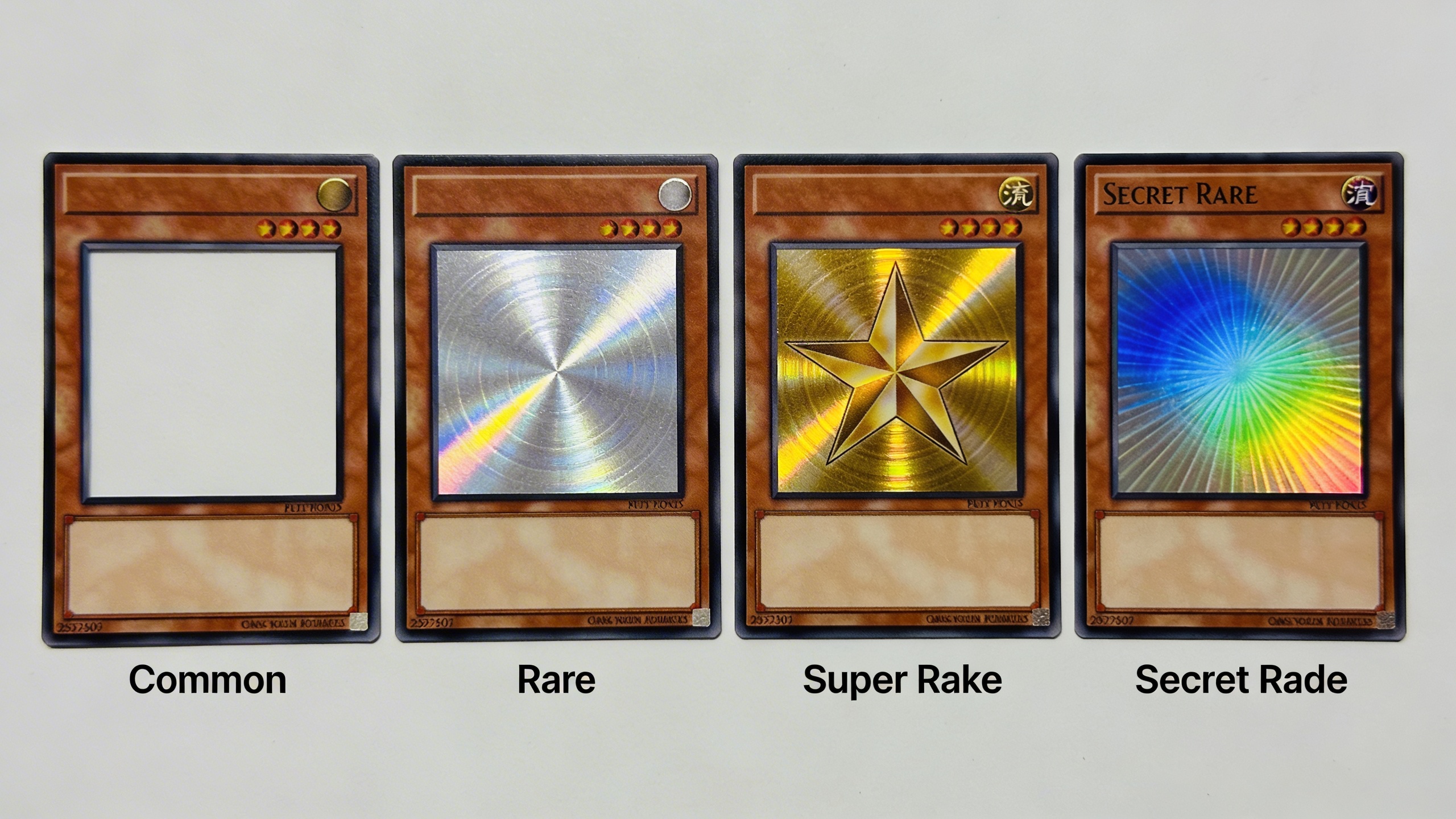
The rarity system determines both a card’s scarcity and market value. Common cards have no special markings and appear frequently in booster packs. Secret Rare cards feature holographic names and artwork, making them highly sought after by collectors. Ultimate Rare cards showcase raised holographic artwork, while Ghost Rare cards present translucent, ethereal designs that command premium prices.
New yugioh cards often introduce innovative rarity types. Recent sets have featured Starlight Rare cards with distinctive rainbow patterns, and Quarter Century Secret Rare cards celebrating the game’s 25th anniversary. These special rarities typically appear in only 1-2 packs per case, making them extremely valuable upon release.
Factors That Determine Card Value
Multiple factors influence yugioh cards pricing in today’s market. Tournament playability remains the strongest driver—cards that dominate competitive formats like Blue-Eyes White Dragon variants or powerful Extra Deck monsters can reach hundreds of dollars when they’re meta-relevant.
Age and historical significance play crucial roles in determining the most valuable yugioh cards. First edition cards from early sets like Legend of Blue Eyes White Dragon or Metal Raiders command premium prices due to their nostalgic appeal and limited print runs. The most expensive yugioh card sales often involve pristine condition cards from these classic sets.
Print run size directly impacts value. Cards from tournament prize packs or special promotional events maintain higher prices due to their limited availability. Regional Championship prizes and World Championship cards represent some of the rarest collectibles in the game.
| Rarity Type | Typical Pack Ratio | Average Value Range |
|---|---|---|
| Common | 8-10 per pack | $0.10 – $2.00 |
| Super Rare | 1 per pack | $2.00 – $20.00 |
| Secret Rare | 1 per 5-6 packs | $10.00 – $100.00+ |
| Starlight Rare | 1 per case | $200.00 – $1,000.00+ |
Reading Card Conditions and Grading
Accurate condition assessment is critical for determining fair market value. Near Mint (NM) cards show minimal wear with sharp corners and clean surfaces. Lightly Played (LP) cards may have slight edge wear or minor surface scratches but remain highly collectible.
Moderately Played (MP) cards display noticeable wear including edge whitening or small creases, while Heavily Played (HP) cards show significant damage that affects their appearance. Damaged cards have major flaws like large creases, water damage, or ink marks.
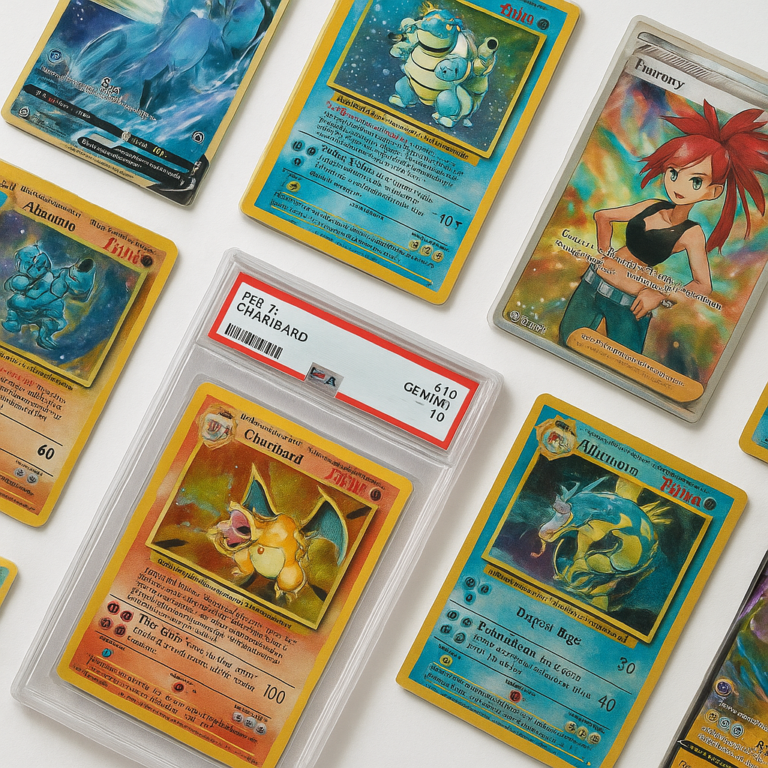
Professional grading services like PSA and BGS provide standardized condition ratings from 1-10. A PSA 10 grade can increase a card’s value by 300-500% compared to raw Near Mint condition, especially for vintage or high-demand cards.
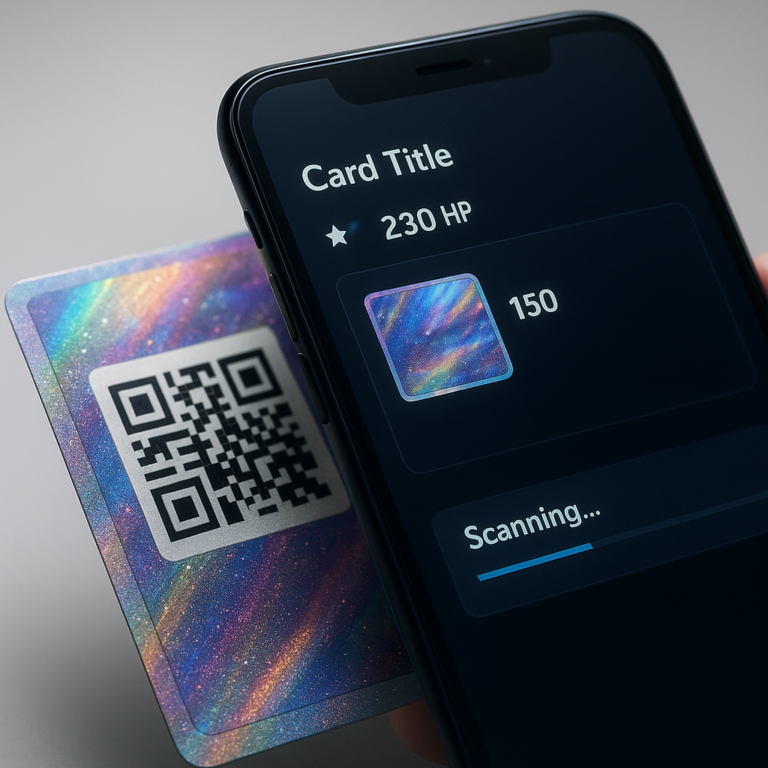
For accurate price checking and card identification, collectors increasingly rely on digital tools. TCG Radar offers the fastest and most accurate card scanning technology, allowing you to instantly identify cards and check current market values using just your smartphone camera.
Understanding these fundamentals provides the foundation for making smart collecting decisions, whether you’re hunting for competitive staples or building a valuable long-term collection.
Most Expensive and Valuable Yu-Gi-Oh! Cards in 2026
The yugioh cards market continues to reach unprecedented heights in 2026, with certain cards commanding prices that rival vintage sports memorabilia and fine art. Understanding which cards hold the most value helps collectors make informed decisions about their investments and trading strategies. The most expensive yugioh card transactions often involve tournament prize cards, first edition releases, and unique promotional items that represent pivotal moments in the yugioh trading card game’s history.
Tournament Prize Cards and Promotional Cards
Tournament prize cards represent the pinnacle of yugioh cards collecting, with some specimens reaching six-figure valuations. The Tournament Black Luster Soldier from the first-ever official tournament remains one of the most valuable yugioh cards, with pristine examples selling for $300,000-$500,000 in 2026. This card’s astronomical value stems from its extremely limited distribution—only six copies were ever awarded.
The Blue-Eyes White Dragon tournament prize card from the 1998 Japanese tournament maintains its position as a market leader, with graded examples fetching $150,000-$250,000. What makes these tournament prizes so valuable is their combination of historical significance, extreme rarity, and the fact that they were awarded to skilled players rather than randomly distributed.
Recent promotional cards have also commanded impressive prices. The 25th Anniversary Blue-Eyes White Dragon special edition, limited to 500 copies worldwide, trades for $15,000-$25,000. Similarly, the Yu-Gi-Oh! World Championship 2025 prize cards have already appreciated significantly, with the champion’s exclusive Dark Magician variant reaching $75,000 at auction.
First Edition and Misprinted Cards
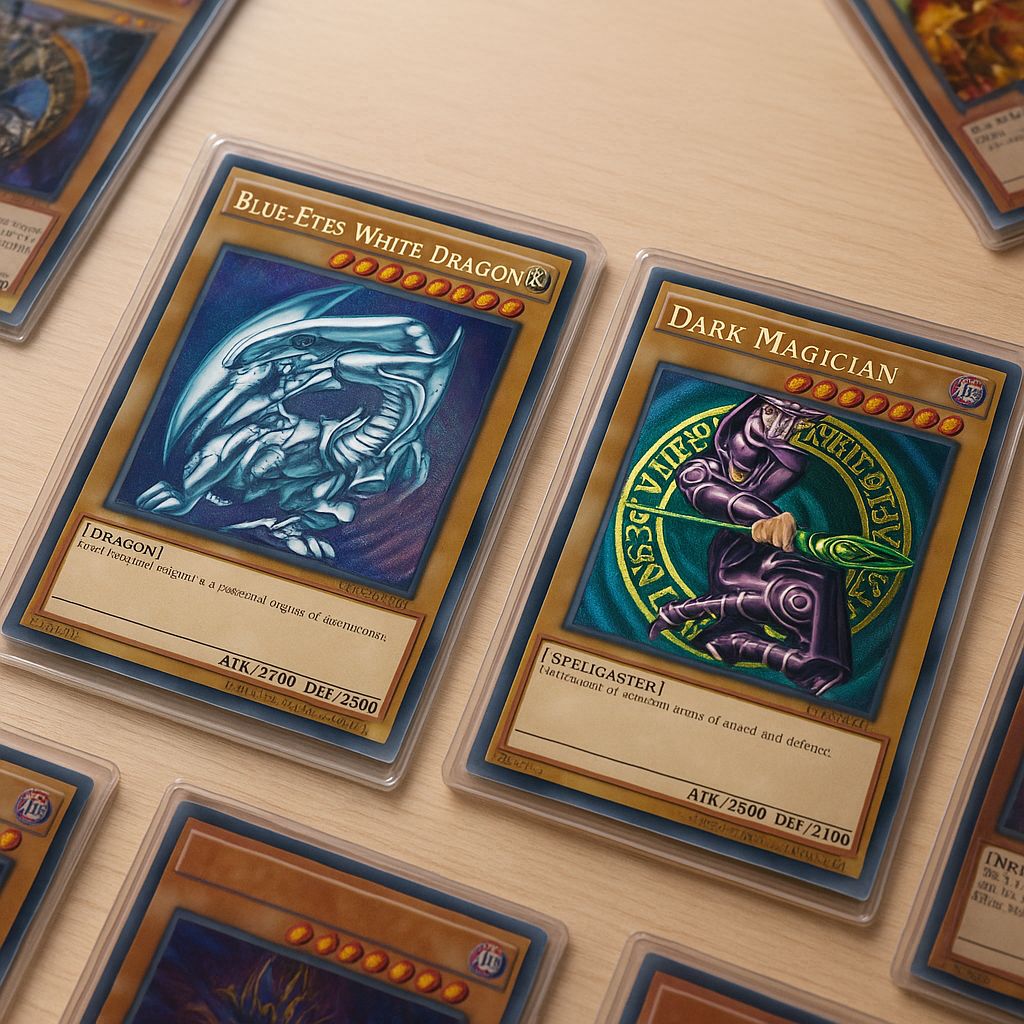
First edition cards from the original Legend of Blue Eyes White Dragon set continue to drive collector interest in 2026. A first edition Blue-Eyes White Dragon in pristine condition commands $8,000-$15,000, while the first edition Dark Magician ranges from $3,000-$6,000. These prices represent substantial increases from previous years, reflecting growing mainstream recognition of the yugioh trading card game’s cultural impact.
Misprinted cards have carved out their own lucrative niche in the market. The famous “Perfectly Ultimate Great Moth” with the backwards name error sells for $2,000-$4,000, while first edition Exodia pieces with printing errors can reach $1,500-$3,000 each. These anomalies appeal to collectors who appreciate the unique manufacturing quirks that make each card truly one-of-a-kind.
The rarity factor becomes even more pronounced with cards like the first edition Red-Eyes Black Dragon, which consistently sells for $1,200-$2,500 in near-mint condition. Collectors should note that condition is paramount—the difference between a lightly played and mint condition first edition card can mean thousands of dollars in value.
Modern High-Value Cards
While vintage cards dominate the headlines, new yugioh cards continue to generate significant value through limited print runs and special releases. The 2026 Quarter Century Secret Rare series has produced several cards exceeding $1,000, with the Quarter Century Blue-Eyes Ultimate Dragon leading at $3,500-$5,000 per card.
Modern tournament-legal cards also maintain strong secondary market values. The Pot of Prosperity Starlight Rare from Blazing Vortex trades for $800-$1,200, while the Lightning Storm Starlight Rare commands $600-$900. These prices reflect both the cards’ competitive utility and their extremely low pull rates of approximately 1 in 1,440 packs.
Ghost Rare cards from recent sets have proven particularly valuable, with the Blue-Eyes Alternative White Dragon Ghost Rare selling for $2,000-$3,500. The appeal of these modern high-value cards lies in their combination of playability, stunning artwork, and limited availability.
For collectors looking to track market values and verify card authenticity, using a reliable card scanner app like TCG Radar can provide real-time price data and help identify counterfeit cards that unfortunately plague the high-end market. The app’s database includes current market values for both vintage and modern releases, making it an essential tool for serious collectors.
The trajectory of most valuable yugioh cards in 2026 shows no signs of slowing, with institutional investors and celebrity collectors entering the market alongside traditional enthusiasts. This increased attention has elevated the entire collecting category, making careful research and authentication more crucial than ever.

Where to Buy Yu-Gi-Oh! Cards: Best Sources and Strategies
Finding the right sources for yugioh cards can make the difference between building a competitive deck affordably and overpaying for mediocre cards. Whether you’re hunting for the most expensive yugioh card or simply stocking up on staples, understanding where and how to buy will save you money and frustration.
Online Marketplaces and Retailers
Online platforms offer the largest selection and often the most competitive prices for yugioh trading card game products. TCGPlayer remains the gold standard for singles, with market pricing that reflects real-time values and seller ratings that help you avoid problematic vendors. eBay provides access to rare vintage cards and auction opportunities, though prices can be volatile.
Amazon and larger retailers excel for sealed products like booster boxes and structure decks, often offering better deals than specialty stores. However, exercise caution with third-party sellers, as counterfeit cards frequently appear on these platforms. When shopping for high-value singles or most valuable yugioh cards, stick to verified sellers with strong feedback ratings.
For accurate card identification and price verification before making purchases, TCG Radar serves as an invaluable tool. This scanner app helps you instantly identify cards and compare current market prices across multiple platforms, ensuring you never overpay for a card again.
Local Card Shops and Gaming Stores
Local game stores offer unique advantages that online shopping cannot match. You can physically inspect cards for condition, avoiding disputes over played versus near mint grading. Many shops offer store credit at premium rates when you trade in cards, effectively giving you more buying power for new yugioh cards.
Building relationships with local shop owners often leads to early access to new releases and insider knowledge about upcoming products. Some stores offer pre-order discounts or hold valuable cards for regular customers. Additionally, supporting local businesses strengthens the gaming community that makes the yugioh trading card game enjoyable.
Local shops also provide immediate gratification – no waiting for shipping or worrying about package theft. When hunting for tournament staples or building decks quickly, local availability can be worth paying slightly higher prices.
Booster Packs vs. Singles Strategy
The fundamental decision every collector faces is whether to buy booster packs for the thrill of opening or purchase specific singles to build decks efficiently. Mathematically, buying singles almost always costs less than opening packs to find specific cards.
| Purchase Method | Pros | Cons | Best For |
|---|---|---|---|
| Booster Packs | Excitement, potential high-value pulls, trade fodder | Expensive per specific card, duplicates, poor odds | Casual collecting, draft events |
| Singles | Exact cards needed, predictable costs, deck building | No surprise factor, shipping costs for small orders | Competitive play, specific deck construction |
If you choose to open packs, focus on sets containing multiple cards you need rather than chasing single high-value targets. Calculate the expected value by researching pull rates and current prices of chase cards. For most valuable yugioh cards worth hundreds of dollars, the odds of pulling them make buying singles the smarter financial choice.
Consider a hybrid approach: buy a box or two for the opening experience, then purchase remaining needed singles. This strategy satisfies the gambling aspect while maintaining budget control for competitive deck building.
Selling Your Yu-Gi-Oh! Card Collection
Whether you’re downsizing your collection or cashing in on valuable cards, selling your Yu-Gi-Oh! cards requires strategic planning to maximize returns. The current market for yugioh cards continues to evolve, with some vintage cards reaching record prices while new yugioh cards from recent sets maintain steady demand among competitive players.
Pricing Your Cards Accurately
Accurate pricing forms the foundation of successful card sales. Start by researching current market values through multiple sources, including recent eBay sold listings, TCGPlayer market prices, and specialized auction results. For high-value cards, particularly those contending for the title of most expensive yugioh card, price variations can be significant based on condition and authenticity.
Using a reliable card scanning tool like TCG Radar can streamline the pricing process, providing instant market data for thousands of Yu-Gi-Oh! cards. The app’s database includes pricing information for both tournament staples and collector favorites, helping you identify which cards in your collection might be among the most valuable yugioh cards currently in demand.
Consider factors beyond base market value when pricing. First edition cards typically command 20-50% premiums over unlimited editions, while condition significantly impacts final sale prices. Near Mint cards often sell for 80-90% of market value, while Lightly Played cards typically fetch 60-75% of peak prices.
Best Platforms for Selling
Different selling platforms serve different market segments within the yugioh trading card game community. eBay remains the largest marketplace, offering access to global buyers but charging 12.9% final value fees plus payment processing costs. TCGPlayer provides a more specialized audience of serious players and collectors, with lower fees ranging from 2.5% to 11.5% depending on your seller level.
Local game stores often purchase collections directly, offering immediate payment but typically at 40-60% of retail value. Facebook groups and Discord communities can connect you with dedicated collectors willing to pay premium prices for specific cards, though these require more time investment and careful transaction management.
| Platform | Fees | Audience | Best For |
|---|---|---|---|
| eBay | 12.9% + 3% | General collectors | High-value singles |
| TCGPlayer | 2.5-11.5% | Competitive players | Tournament staples |
| Local stores | 40-60% buylist | Immediate buyers | Bulk collections |
| Social media | Payment fees only | Dedicated collectors | Rare vintage cards |
Maximizing Your Sale Value
Professional grading through PSA or BGS can significantly increase values for pristine vintage cards and tournament prizes. Blue-Eyes White Dragon cards from Legend of Blue Eyes White Dragon, for example, can see 300-500% value increases when graded PSA 10 compared to raw Near Mint copies.
Timing plays a crucial role in maximizing returns. Tournament results often drive short-term price spikes for competitive cards, while nostalgic waves around anime anniversaries boost vintage card values. Monitor upcoming tournament schedules and Yu-Gi-Oh! media releases to identify optimal selling windows.
Bundle complementary cards strategically. Complete playsets of tournament staples often sell for premiums over individual cards, while thematic collections appeal to casual collectors. High-resolution photos with proper lighting showcase card conditions effectively, reducing disputes and building buyer confidence in your listings.
Building and Organizing Your Collection
Successfully building a yugioh cards collection requires strategic planning, proper storage methods, and clear organizational systems. Whether you’re pursuing the most expensive yugioh card or simply enjoying the yugioh trading card game casually, establishing solid collection practices from the start will protect your investment and enhance your collecting experience.
Storage and Protection Methods
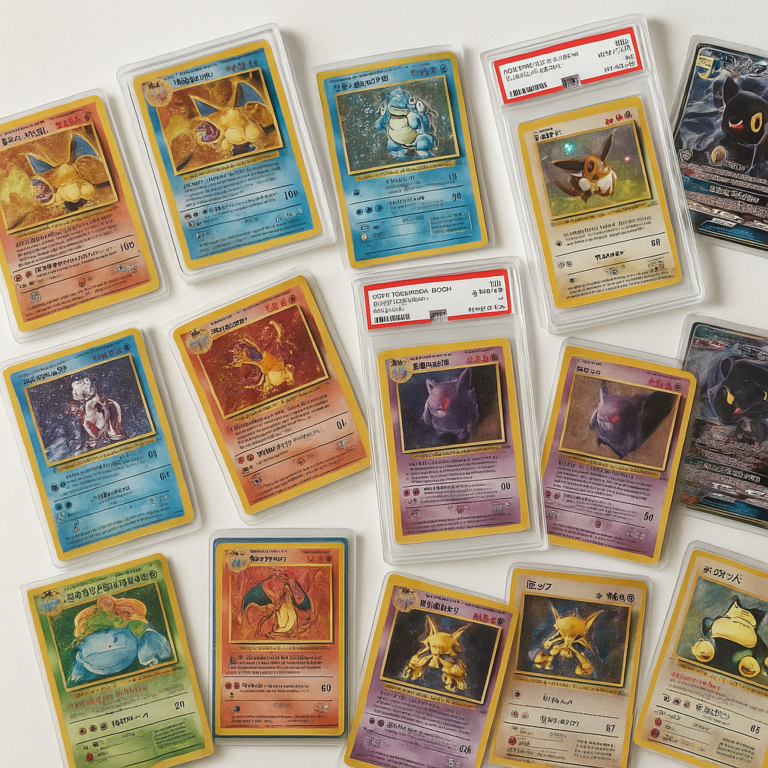
Proper storage forms the foundation of any serious collection. For valuable cards worth $50 or more, use penny sleeves inside toploaders, then store these in team bags for maximum protection. Blue-Eyes White Dragon first editions and other high-value cards should receive PSA grading consideration, as graded 10s can command prices 300-500% higher than raw copies.
Standard storage solutions include three-ring binders with nine-pocket pages for casual viewing collections, and storage boxes with dividers for bulk cards. Keep your collection in climate-controlled environments between 60-70°F with 30-50% humidity. Avoid basements, attics, and areas with temperature fluctuations that can cause warping or moisture damage.
Collection Tracking and Inventory
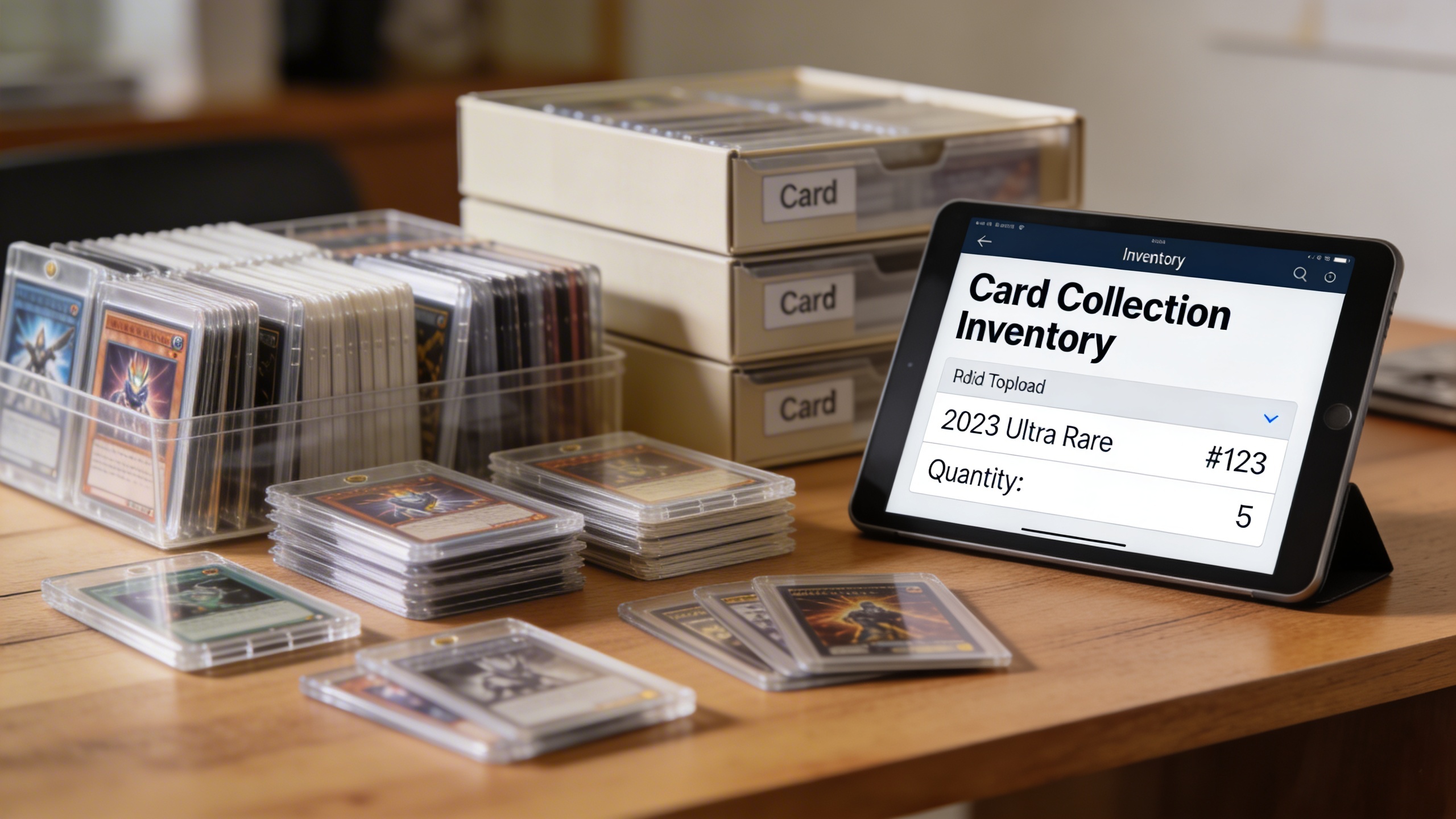
Digital inventory management has revolutionized how collectors track their yugioh cards. Spreadsheets work for smaller collections, but dedicated apps provide superior functionality for serious collectors. When building your inventory, record card names, set numbers, conditions, and estimated values for insurance purposes.
For accurate pricing and identification, TCG Radar offers the fastest card scanning technology available. Simply point your phone camera at any card to instantly identify it and check current market values. This proves invaluable when acquiring new yugioh cards or evaluating trades, ensuring you never miss valuable cards in your collection.
Update your inventory monthly, especially for the most valuable yugioh cards, as market prices fluctuate significantly. Track purchase dates, sources, and prices paid to calculate your collection’s performance over time.
Investment vs. Casual Collecting
Define your collecting goals early to guide purchasing decisions. Investment collectors focus on first edition cards, tournament prizes, and cards with historical significance like Tournament Black Luster Soldier or Tyler the Great Warrior. These collectors typically allocate 70% of their budget to proven valuable cards and 30% to speculative new yugioh cards with growth potential.
Casual collectors prioritize personal enjoyment, favorite archetypes, or completing specific sets. This approach offers more flexibility and lower financial pressure while still building meaningful collections.
Regardless of your approach, establish a monthly budget and stick to it. Research market trends, follow tournament results that might impact card values, and network with other collectors to identify emerging opportunities. Remember that successful collecting combines passion with patience—the most rewarding collections develop over years, not months.
New Yu-Gi-Oh! Releases and Market Trends in 2026
The yugioh trading card game continues evolving in 2026 with groundbreaking releases that reshape both competitive play and collector markets. Understanding these developments helps collectors and players make informed decisions about their investments and deck building strategies.
Latest Set Releases and Previews
Konami’s 2026 release schedule features several highly anticipated sets. Duelist Genesis Revolution (DGER) launched in February with 120 new cards, introducing the “Quantum” archetype that’s driving significant market activity. Early pull rates show the secret rare “Quantum Dragon Emperor” appearing in approximately 1:24 boxes, with current market prices reaching $180-220.
The upcoming Legacy Collection 2026 promises reprints of classic cards alongside new support for beloved archetypes. Preview cards suggest Blue-Eyes and Dark Magician variants that could impact the most valuable yugioh cards rankings. Pre-orders are already commanding premium prices, with collectors paying 15-20% above MSRP for guaranteed allocation.
Summer’s “Cybernetic Horizons Infinite” introduces augmented reality integration, featuring QR codes on select cards that unlock digital content. This technological advancement represents a significant shift in how new yugioh cards connect physical and digital play experiences.
Competitive Scene Impact on Prices
Tournament results directly influence yugioh cards pricing throughout 2026. The current meta favors control strategies, pushing cards like “Infinite Impermanence” and “Dimensional Barrier” to $45-60 each. When Japan’s “Mystic Swordsman” deck topped three major events in March, related cards saw 200-300% price increases within weeks.
Regional championship results create immediate market volatility. Players using scanning apps like TCG Radar can track these price fluctuations in real-time, helping them capitalize on meta shifts before widespread adoption drives prices higher.
The World Championship Series continues impacting the most expensive yugioh card categories, with championship prize cards maintaining six-figure valuations. The 2026 World Championship trophy card is projected to exceed $100,000 at auction based on previous years’ trends.
Future Market Predictions
Market analysts predict continued growth in vintage card values, particularly 2002-2005 sets showing 8-12% annual appreciation. Modern cards face more volatility due to reprint policies, though first edition variants maintain premium status.
Technology integration will likely expand beyond AR features, with blockchain authentication and NFT connectivity becoming standard. These innovations should reduce counterfeit concerns while creating new collector categories that bridge traditional and digital markets.
Frequently Asked Questions
What is the most expensive Yu-Gi-Oh! card ever sold?
The most expensive Yu-Gi-Oh! card ever sold is the 1998 Blue-Eyes White Dragon tournament prize card, which has reached prices exceeding $400,000 in pristine condition. Other high-value cards include the Tyler the Great Warrior ($128,900) and various tournament prize cards from early competitions. These cards command such high prices due to their extreme rarity, historical significance, and the fact that only a handful of copies exist worldwide.
How can I tell if my Yu-Gi-Oh! cards are valuable?
Check your cards for rarity symbols (Secret Rare, Ultimate Rare, Ghost Rare), first edition markings, and early set numbers from popular series like Legend of Blue Eyes White Dragon or Metal Raiders. Assess the card's condition carefully, as even small imperfections can significantly impact value. Use resources like TCGPlayer, eBay sold listings, or professional price guides to research current market values for specific cards.
Where is the best place to buy authentic Yu-Gi-Oh! cards?
The safest places to buy authentic Yu-Gi-Oh! cards are authorized retailers like Target, Walmart, and local game stores that sell sealed products directly from Konami distributors. For singles, reputable online marketplaces like TCGPlayer, eBay (from verified sellers), and established card shops offer buyer protection. Always verify seller ratings, ask for detailed photos, and be wary of prices that seem too good to be true, as these often indicate counterfeit products.
Should I get my Yu-Gi-Oh! cards professionally graded?
Professional grading is worthwhile for high-value cards (typically $100+), first editions, or cards in exceptional condition where authentication and condition verification add significant value. Major grading companies like PSA, BGS, and CGC charge $20-100+ per card depending on service level and declared value. Graded cards often sell for 2-5x more than raw cards, but factor in grading costs and turnaround times when deciding.
How do I properly store and protect my Yu-Gi-Oh! card collection?
Use penny sleeves and toploaders for valuable individual cards, and store bulk cards in binders with 9-pocket pages or storage boxes with dividers. Keep your collection in a cool, dry environment away from direct sunlight, humidity, and temperature fluctuations. For long-term storage of high-value cards, consider magnetic holders or graded card storage boxes to prevent bending and environmental damage.