
Top Trading Card Game Marketplaces Compared: Your Complete Guide to TCG Platforms in 2026
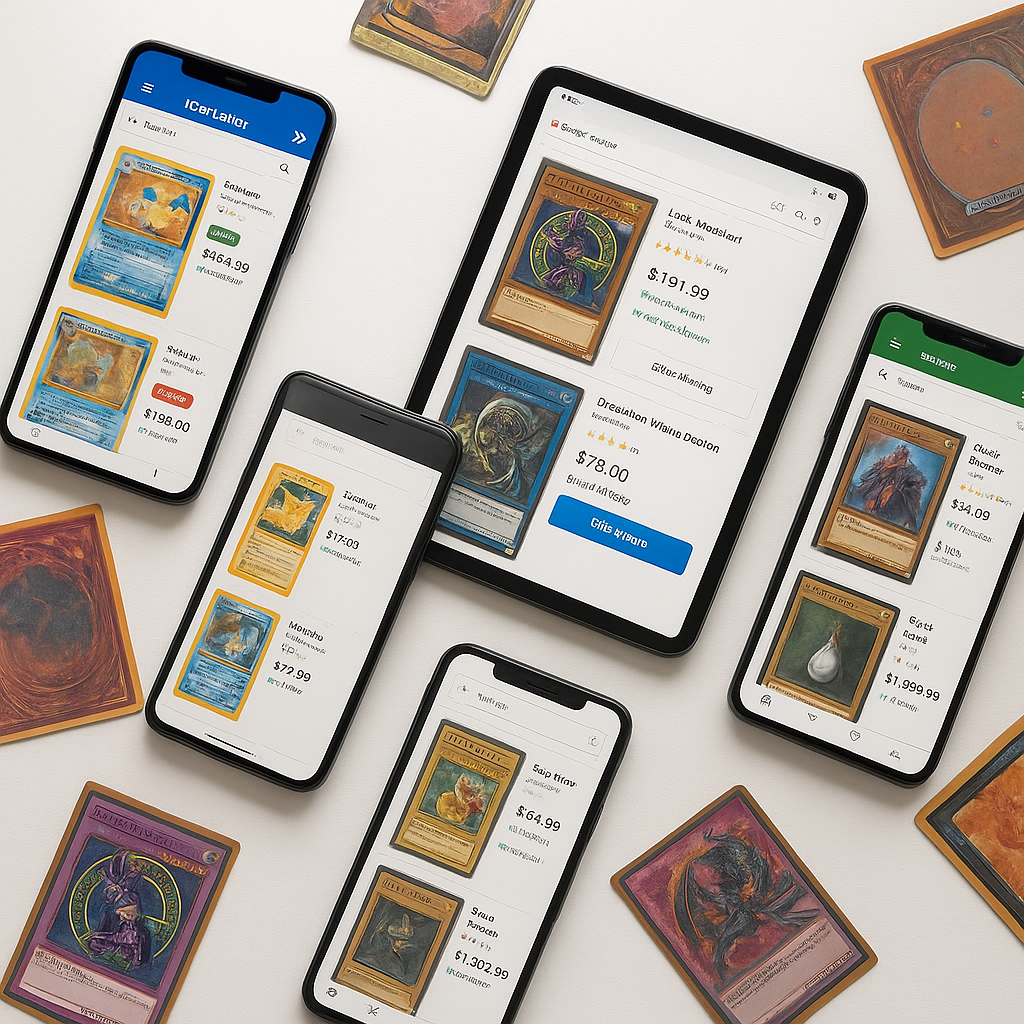
The trading card game marketplace has undergone a dramatic transformation in recent years, with collectors and players now facing an overwhelming array of platforms to buy, sell, and trade their prized cards. Whether you’re hunting for that elusive chase card or looking to monetize your collection, choosing the right tcg marketplace can mean the difference between a seamless transaction and a costly mistake. From established giants like TCGPlayer to emerging specialized platforms, each marketplace offers distinct advantages, fee structures, and user experiences that directly impact your bottom line and collecting satisfaction.
This comprehensive guide examines the most significant tcg trading cards platforms available in 2026, providing detailed comparisons of features, pricing, security measures, and user experiences across major marketplaces. We’ll explore how the tcgplayer marketplace maintains its industry dominance, analyze eBay’s evolving role in the TCG space, and evaluate promising newcomers that are reshaping how collectors approach buying and selling. By the end of this analysis, you’ll have the knowledge needed to select the optimal platform for your specific needs, whether you’re a casual player seeking affordable singles or a serious investor tracking price tcg trends across multiple markets.
Understanding the TCG Marketplace Landscape
The trading card game marketplace has undergone a dramatic transformation over the past two decades, evolving from local card shops and convention trading floors to sophisticated digital platforms that serve millions of collectors worldwide. Today’s tcg marketplace ecosystem offers unprecedented access to cards, real-time pricing data, and global trading opportunities that have fundamentally changed how enthusiasts buy, sell, and discover trading cards.
Evolution of Digital TCG Trading
The journey of online tcg trading cards began in the early 2000s with basic auction sites and forum-based trading communities. eBay dominated the early landscape, but its general marketplace approach often left TCG enthusiasts wanting more specialized features. The launch of TCGplayer in 2008 marked a pivotal moment, introducing the first dedicated platform designed specifically for trading card games with features like condition standards, set organization, and seller verification systems.
By 2015, the digital transformation accelerated as mobile apps emerged, allowing collectors to scan cards for instant price tcg lookups and market comparisons. The COVID-19 pandemic further catalyzed growth, with online sales increasing by over 300% between 2020 and 2022 as physical stores faced restrictions. This period saw the emergence of specialized platforms like COMC (Check Out My Cards), Cardmarket in Europe, and newer entrants focusing on specific games or regions.
Modern tcgplayer marketplace dynamics now include advanced features such as AI-powered card recognition, automated grading integration, and real-time market analytics that provide sellers with optimal pricing strategies and buyers with comprehensive market insights.
Key Features That Matter
Successful TCG marketplaces share several critical features that differentiate them from general e-commerce platforms. Condition standardization represents perhaps the most important element, with established grading scales ranging from Near Mint to Heavily Played that ensure buyer confidence and reduce disputes.
Price tracking and market data tools have become essential for both casual collectors and serious investors. Leading platforms provide historical price charts, market trends, and automated alerts when specific cards reach target prices. For example, tracking the price fluctuations of cards like Black Lotus or Charizard Base Set helps collectors make informed purchasing decisions.
Seller verification and feedback systems build trust within the community, while advanced search filters allow users to find specific cards by set, rarity, condition, and price range. Payment protection, secure shipping options, and buyer guarantees further enhance the trading experience by reducing transaction risks.
Integration with inventory management tools helps sellers track their collections and automate listing processes, while mobile apps enable on-the-go price checking and quick purchases during tournaments or card shop visits.
Platform Types Explained
The current tcg marketplace landscape consists of three distinct platform categories, each serving different collector needs and preferences. Dedicated TCG platforms like TCGplayer, Cardmarket, and Card Kingdom focus exclusively on trading cards, offering specialized features such as deck building tools, tournament integration, and game-specific categorization systems.
General marketplaces including eBay, Amazon, and Facebook Marketplace provide broader reach and familiar interfaces but lack specialized TCG features. These platforms often attract casual sellers and buyers seeking popular cards like Pokemon Base Set Charizard or Magic: The Gathering dual lands, though condition assessment and authenticity verification can be challenging.
Hybrid platforms represent a growing category, combining general marketplace functionality with TCG-specific features. These platforms often cater to collectibles beyond trading cards while maintaining robust card trading capabilities.
Each platform type offers distinct advantages: dedicated platforms excel in user experience and specialized features, general marketplaces provide maximum exposure and diverse inventory, while hybrid platforms offer flexibility for collectors interested in multiple collectible categories. Understanding these differences helps collectors choose the right platform for their specific buying or selling objectives, whether seeking rare vintage cards or building competitive tournament decks.
TCGPlayer: The Industry Standard
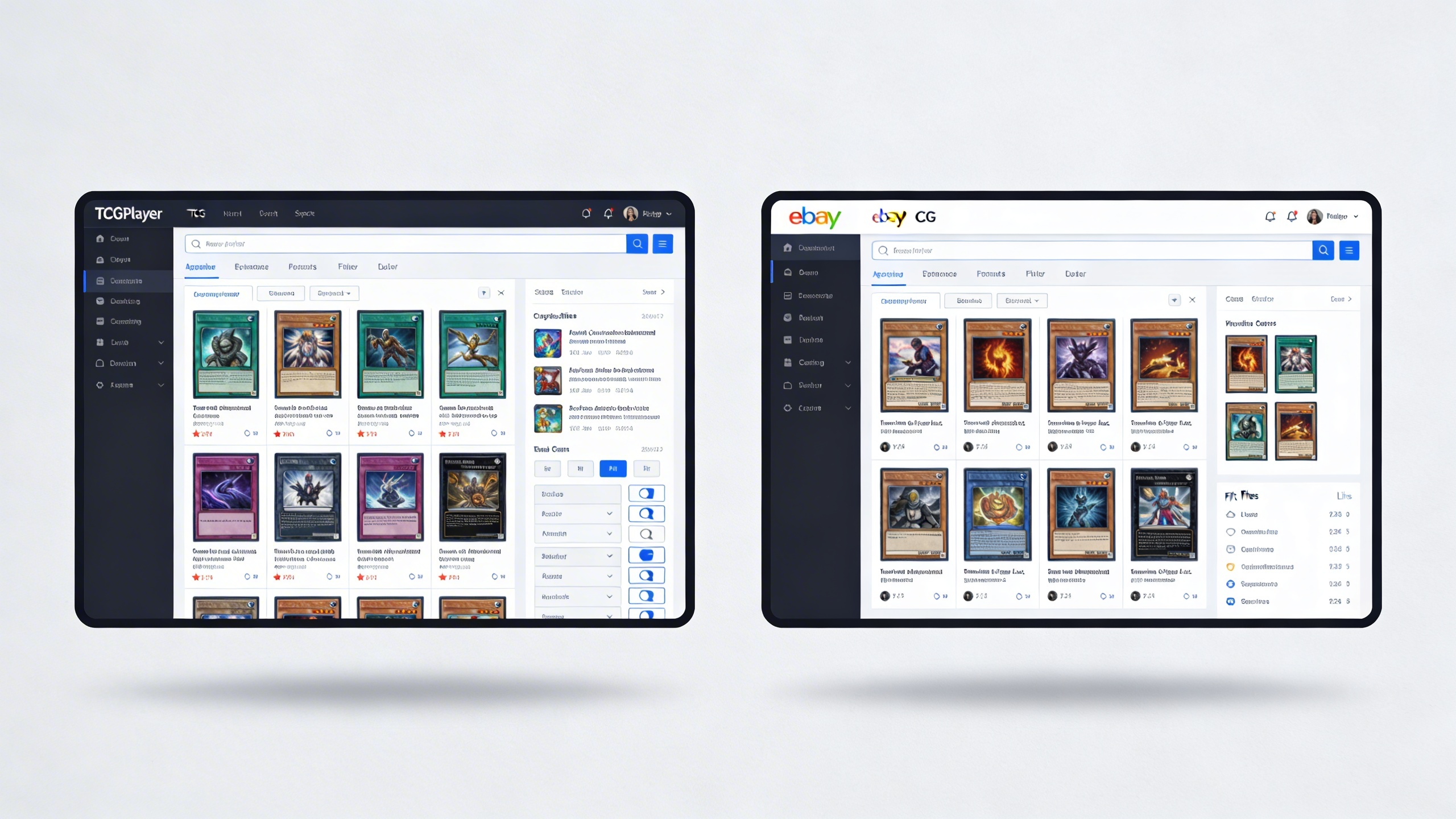
When discussing any tcg marketplace, TCGPlayer inevitably sets the benchmark that all other platforms measure themselves against. Launched in 2008, this platform has evolved from a simple price aggregator into the most comprehensive tcg trading cards marketplace in North America, processing millions of transactions annually and serving as the de facto pricing authority for the entire industry.
Platform Overview and Features
The tcgplayer marketplace operates as a multi-vendor platform where thousands of independent sellers list their inventory alongside major retailers. The platform’s sophisticated search functionality allows buyers to filter results by condition, seller rating, shipping costs, and certification status. Advanced users can leverage the Mass Entry tool to add hundreds of cards simultaneously, while the Collection Tracker helps manage inventory across multiple TCG formats.
TCGPlayer’s pricing engine aggregates real-time market data to establish the industry-standard “TCGPlayer Market Price” that most other platforms reference. This pricing mechanism analyzes recent sales, current listings, and historical trends to generate accurate valuations. For high-value cards exceeding $250, the platform offers TCGPlayer Direct authentication services, where cards are shipped to TCGPlayer’s facility for verification before forwarding to buyers.
The platform supports virtually every major trading card game, from Pokemon and Magic: The Gathering to newer releases like Flesh and Blood. Sellers can list individual cards, sealed products, and even complete collections through the platform’s streamlined interface. The mobile app provides full functionality for both buying and selling, enabling users to scan cards using their phone’s camera for instant price checks and listing creation.
Pricing and Fee Structure
TCGPlayer’s fee structure varies significantly based on seller volume and verification status. Standard sellers face an 11.5% commission on sales under $50, which decreases to 10.5% for sales between $50-$250, and drops to 8.5% for transactions exceeding $250. However, sellers who achieve Verified status through the platform’s authentication process enjoy reduced fees: 8.5% on sales under $50, 7.5% for mid-range sales, and 6.5% on high-value transactions.
Payment processing adds an additional 2.9% plus $0.30 per transaction for most sellers, though high-volume merchants may qualify for reduced processing rates. The platform also charges a $0.50 shipping credit fee per order, which is automatically added to the buyer’s shipping cost. For sellers utilizing TCGPlayer Direct services, additional handling fees of $0.30 per card apply, but these are often offset by increased buyer confidence and higher sale prices.
| Sale Amount | Standard Fee | Verified Seller Fee |
|---|---|---|
| Under $50 | 11.5% | 8.5% |
| $50-$250 | 10.5% | 7.5% |
| Over $250 | 8.5% | 6.5% |
Pros and Cons for Different Users
Casual sellers benefit from TCGPlayer’s massive buyer base and simplified listing process, though the platform’s fees can significantly impact profit margins on lower-value cards. The automated pricing suggestions help newcomers price tcg cards competitively, while the integrated shipping calculator eliminates guesswork around shipping costs. However, casual sellers often struggle with the platform’s strict performance metrics, where late shipments or communication delays can result in account restrictions.
Professional sellers and card shops find TCGPlayer’s tools invaluable for scaling operations. The Mass Entry system allows bulk inventory uploads, while integration with popular inventory management software streamlines operations. High-volume sellers can negotiate better fee structures and access dedicated support channels. The platform’s buyer protection policies, including automatic refunds for items not received within specified timeframes, help maintain customer satisfaction but can occasionally favor buyers in dispute situations.
For buyers, TCGPlayer offers unparalleled selection and competitive pricing through its marketplace structure. The platform’s buyer protection guarantees refunds for items significantly not as described, and the TCGPlayer Direct program ensures authenticity for premium purchases. However, purchasing from multiple sellers can result in excessive shipping costs, as each seller charges separately. The Cart Optimizer feature attempts to consolidate orders when possible, but optimal consolidation isn’t always achievable.
The platform’s reputation system provides transparency about seller reliability, with detailed feedback scores and response time metrics. This system particularly benefits buyers seeking high-condition vintage cards or expensive singles, as they can easily identify trustworthy sellers with proven track records in the tcg trading cards community.
eBay: The General Marketplace Giant
While specialized platforms like the tcgplayer marketplace dominate dedicated TCG sales, eBay remains a formidable force in the trading card ecosystem. With over 130 million active users worldwide, eBay offers unparalleled reach for sellers looking to maximize their audience beyond traditional tcg trading cards collectors. The platform has significantly enhanced its TCG category over recent years, introducing features that rival dedicated marketplaces while maintaining its signature auction-style selling format.
eBay’s strength lies in its diverse buyer base, which includes casual collectors, international customers, and impulse buyers who might not frequent specialized platforms. This broader audience often translates to competitive pricing for rare or unique items, particularly vintage cards from sets like Base Set Unlimited or Alpha/Beta Magic: The Gathering cards that command premium prices across all marketplaces.
TCG-Specific Features and Tools
eBay has invested heavily in improving its trading card category with several TCG-focused enhancements. The platform now offers dedicated subcategories for major games including Pokemon, Magic: The Gathering, Yu-Gi-Oh!, and sports cards, making it easier for buyers to navigate and discover specific products. The “Sold Listings” feature provides crucial market data, allowing sellers to price tcg cards competitively by analyzing recent sale prices for identical items.
The platform’s “Best Offer” feature has become particularly valuable for TCG sellers, enabling negotiation on higher-value items like Black Lotus or Charizard Base Set cards. eBay’s global shipping program also facilitates international sales, expanding market reach significantly compared to domestic-only platforms. Additionally, the “Watchers” metric helps sellers gauge demand and adjust pricing strategies accordingly.
eBay’s mobile app integration has improved substantially, with barcode scanning capabilities that help sellers quickly list common cards by identifying them automatically. This feature streamlines the listing process for bulk collections, though it works best with newer, standardized releases rather than vintage or foreign cards.
Auction vs Buy-It-Now Strategies
Successful TCG selling on eBay requires understanding when to use auction-style listings versus fixed-price Buy-It-Now formats. Auctions work exceptionally well for rare, unique, or highly sought-after cards where market demand can drive prices above typical tcg marketplace rates. Cards like Pokemon Base Set 1st Edition Shadowless Charizard or vintage Magic cards often perform better in 7-day auctions starting at $0.99, allowing market forces to determine final value.
Buy-It-Now listings excel for common cards, complete sets, or items where sellers want guaranteed pricing. This format works particularly well for modern releases where market prices are well-established through platforms like TCGPlayer. Setting competitive Buy-It-Now prices using eBay’s “Sold Listings” data ensures quick sales while maintaining healthy profit margins.
Timing auctions strategically can significantly impact final sale prices. Ending auctions on Sunday evenings (7-9 PM EST) typically yields the highest prices, as this coincides with peak browsing activity among collectors. For international appeal, consider 10-day auctions that span multiple weekends, maximizing exposure across different time zones.
Authentication and Grading Services
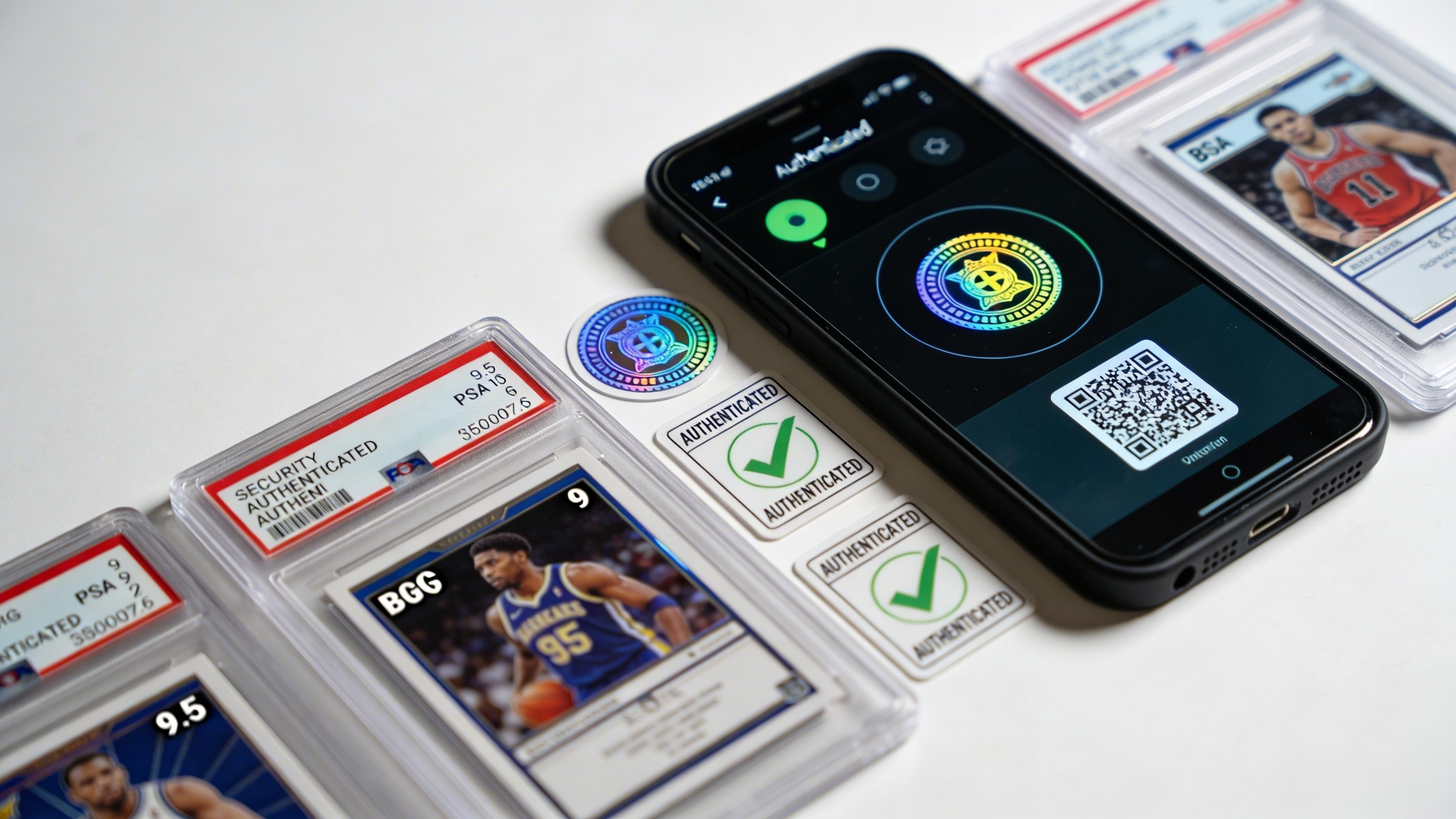
eBay’s partnership with PSA has revolutionized high-value TCG sales on the platform. The eBay Authentication Guarantee automatically applies to trading cards sold for $250 or more, providing buyers with confidence and sellers with reduced return risks. This service has become particularly valuable for vintage Pokemon cards and high-grade modern releases where authenticity concerns previously deterred potential buyers.
The authentication process adds 3-5 business days to shipping times but significantly reduces disputes and chargebacks. Sellers benefit from higher final sale prices, often 15-25% above non-authenticated equivalents, particularly for cards in the $250-$2,000 range. For items exceeding $2,000, eBay’s Authenticity Guarantee becomes mandatory, ensuring all high-value transactions receive professional verification.
BGS and PSA graded cards consistently outperform raw cards on eBay, with graded examples commanding premium prices that often justify grading costs. When selling graded cards, include clear photos of both the card and certification label, as buyer confidence directly correlates with detailed visual documentation of the item’s condition and authenticity.
Emerging Platforms and Alternatives
While established platforms dominate the tcg marketplace landscape, innovative alternatives are reshaping how collectors buy, sell, and trade cards. These emerging platforms offer unique advantages that traditional marketplaces often can’t match, from specialized consignment services to community-driven trading environments.
COMC and Consignment Services
Check Out My Cards (COMC) revolutionizes the selling process by handling everything from photography to shipping. Sellers mail their cards to COMC’s facility, where professional staff photograph, list, and store inventory until sold. This consignment model eliminates the time-consuming aspects of online selling while maintaining competitive pricing.
COMC charges a processing fee of $0.50 per card plus commission rates ranging from 10% to 20% depending on sale price. For high-volume sellers dealing with lower-value cards, this model proves more efficient than managing individual listings on a traditional tcg player platform. The service particularly benefits sellers with extensive collections of cards valued between $5 and $50, where the time investment typically outweighs profit margins on other platforms.
The platform’s strength lies in its professional presentation and bulk processing capabilities. Cards receive consistent, high-quality photographs and detailed condition descriptions, often resulting in higher sale prices compared to amateur listings. COMC also offers storage solutions, allowing sellers to accumulate inventory over time before deciding to sell, making it an attractive option for long-term collectors looking to monetize their collections gradually.
Discord and Social Trading
Discord servers have emerged as vibrant hubs for tcg trading cards, combining real-time communication with community-driven marketplaces. Popular servers like “TCG Marketplace” and “Card Trading Central” host thousands of active traders sharing want lists, sale posts, and trade offers throughout the day.
These platforms excel at facilitating trades rather than cash sales, addressing a gap left by traditional tcgplayer marketplace options. Members often trade cards of equal value, avoiding PayPal fees and shipping costs while building relationships within the community. The social aspect creates accountability, as reputation systems and vouching mechanisms help establish trust between traders.
Discord’s real-time nature allows for quick negotiations and immediate feedback on price tcg valuations. Experienced traders often provide market insights and condition assessments, creating educational opportunities for newer collectors. However, these platforms require more active participation and carry higher risks due to less formal buyer protection compared to established marketplaces.
Mobile-First Platforms
New mobile applications are targeting younger collectors with streamlined, app-native experiences. Whatnot combines live streaming with auction-style sales, allowing sellers to showcase products in real-time while building engaged audiences. The platform’s social features and gamified bidding process appeal to collectors seeking entertainment alongside transactions.
CollX focuses on card scanning and portfolio management, using image recognition to identify cards and track values. While primarily a collection management tool, the app includes marketplace features that connect users for buying and selling. The seamless integration between collection tracking and commerce represents the future direction of tcg marketplace evolution.
These mobile-first platforms prioritize user experience over comprehensive inventory, making them ideal for casual collectors and newcomers to the hobby. Their simplified interfaces reduce barriers to entry while introducing social elements that traditional platforms lack. As mobile commerce continues growing, these apps may capture significant market share from younger demographics who prefer app-based shopping experiences over desktop websites.
Game-Specific Platform Considerations
Different trading card game communities have developed distinct preferences for where they buy, sell, and trade their cards. Understanding these game-specific marketplace dynamics can help you make better purchasing decisions and connect with the right community for your collecting needs.
Pokemon TCG Marketplaces
The Pokemon TCG community shows strong loyalty to established platforms, with TCGPlayer dominating competitive play purchases while eBay captures much of the vintage and Japanese card market. Pokemon collectors frequently use the tcgplayer marketplace for tournament-legal cards, particularly when building Standard or Expanded format decks where card condition and authenticity matter most.
For high-value vintage Pokemon cards like Base Set Charizard or Neo Genesis Lugia, eBay remains the preferred platform due to its robust authentication services and buyer protection programs. The Pokemon community also heavily utilizes Discord servers and Facebook groups for trading, especially for Japanese exclusives and promotional cards that rarely appear on major marketplaces.
Regional variations significantly impact Pokemon trading, with Japanese platforms like Yahoo Auctions Japan offering access to exclusive releases months before Western availability. European collectors often prefer Cardmarket for lower shipping costs and VAT-inclusive pricing when purchasing Pokemon tcg trading cards.
Magic: The Gathering Platforms
Magic: The Gathering players demonstrate the most platform diversity among major TCG communities. Competitive players rely heavily on tcg player for singles needed for tournament decks, with the platform’s condition grading system being particularly important for older cards where slight wear can impact tournament legality.
The Magic community has embraced specialized platforms like Card Kingdom for its buylist program and store credit bonuses, while Cardhoarder dominates the Magic Online digital card market. For Reserved List cards like dual lands and Power Nine, high-end collectors often prefer auction houses or specialized dealers over general marketplaces.
International Magic trading thrives on Cardmarket in Europe, where the platform’s escrow system and seller ratings provide security for expensive transactions. The Magic community also maintains active trading groups on platforms like Reddit’s r/magicTCG, where users frequently exchange cards across international borders.
Yu-Gi-Oh and Other TCGs
Yu-Gi-Oh players show strong regional platform preferences that reflect the game’s global tournament structure. North American players typically use TCGPlayer for competitive singles, while European players gravitate toward Cardmarket. The Yu-Gi-Oh community particularly values platforms that can handle the game’s complex rarity system, including Starlight Rares and Collector’s Rares.
For other TCGs like Dragon Ball Super, Digimon, and One Piece, platform choice often depends on local community size. Smaller TCG communities frequently rely on Facebook groups and Discord servers for trading, as major marketplaces may lack sufficient inventory or price tcg data for accurate valuations.
The Flesh and Blood community has developed a strong presence on specialized platforms like FaB DB for deck building and trading, while also utilizing the tcgplayer marketplace for tournament preparation. Similarly, the growing Lorcana community primarily uses TCGPlayer and eBay, with Facebook groups handling much of the trading activity.
Emerging TCGs often face the challenge of establishing marketplace presence. Games like Altered TCG and Grand Archive rely heavily on their official websites and community Discord servers until major platforms develop sufficient seller networks and price databases.
When choosing platforms for specific TCGs, consider factors like local community preferences, shipping costs for your region, and platform-specific features like condition grading standards. The most successful collectors often use multiple platforms strategically, leveraging each marketplace’s strengths for different types of purchases and sales within their chosen game’s ecosystem.
Security, Authentication, and Buyer Protection
When investing in high-value trading cards, security becomes paramount. The tcg marketplace landscape has evolved significantly to address fraud concerns, with platforms implementing sophisticated protection measures that vary dramatically in scope and effectiveness. Understanding these security features can mean the difference between a successful purchase and a costly mistake.
Fraud Prevention Measures
TCGPlayer leads the industry with its comprehensive fraud prevention system, utilizing machine learning algorithms to detect suspicious seller behavior and irregular pricing patterns. The platform monitors transaction history, seller verification status, and shipping patterns to flag potential issues before they affect buyers. Their automated systems can identify when a seller lists cards significantly below market value or exhibits unusual selling patterns that may indicate counterfeit merchandise.
eBay employs a different approach, relying heavily on their established feedback system combined with PayPal’s buyer protection services. While effective for general merchandise, this system faces unique challenges in the tcg trading cards market where condition disputes are common. The platform’s authentication service, launched for high-value cards over $750, provides professional verification but covers a limited subset of transactions.
Smaller platforms like COMC and MySlabs focus on pre-authentication, requiring cards to pass through their facilities before listing. This model eliminates many fraud risks but creates longer transaction times and additional fees that can impact the overall buying experience.
Grading Service Integration
Professional grading services have become integral to marketplace security, with PSA, BGS, and CGC cards commanding premium prices across all major platforms. The tcgplayer marketplace has streamlined grading integration by automatically populating condition data for graded cards, reducing listing errors and buyer confusion.
Most platforms now offer dedicated sections for graded cards, with enhanced search filters that allow buyers to specify grade ranges and grading companies. This integration helps establish price tcg benchmarks for high-end cards, as a PSA 10 Black Lotus consistently sells for 40-60% more than PSA 9 examples across all marketplaces.
However, grading integration varies significantly between platforms. While TCGPlayer provides comprehensive grading data and verification tools, smaller marketplaces may lack the resources to properly authenticate grading certificates, creating potential vulnerabilities for buyers seeking high-value graded cards.
Return and Dispute Policies
Return policies represent the final line of defense for tcg marketplace transactions. TCGPlayer’s Buyer Safeguard Program offers comprehensive protection, covering condition misrepresentation, shipping damage, and non-delivery within 30 days of purchase. The platform mediates disputes and can force refunds when sellers fail to meet listing standards.
eBay provides similar protection through their Money Back Guarantee, but the general marketplace approach can create confusion when dealing with TCG-specific issues like card condition grading. Their return window extends to 30 days for most items, though sellers can set shorter return periods that may disadvantage buyers.
Platform-specific policies become crucial when dealing with expensive cards. For instance, purchases over $250 on TCGPlayer require signature confirmation, while eBay’s authentication service provides additional protection for qualifying high-value items. Understanding these thresholds helps buyers choose the appropriate platform for their purchase value and risk tolerance.
The most effective protection strategy involves combining platform safeguards with personal due diligence, including seller research, price verification, and careful review of listing photos and descriptions before completing any significant tcg trading cards transaction.
Choosing the Right Platform for Your Needs
Selecting the optimal tcg marketplace depends heavily on your collecting goals, budget constraints, and selling volume. Each platform offers distinct advantages that align with different user profiles, from weekend collectors to professional card dealers managing thousands of listings.
For Casual Collectors
Casual collectors seeking individual cards for personal collections benefit most from TCGPlayer and eBay’s extensive inventories. TCGPlayer excels for finding specific singles with its comprehensive database of tcg trading cards, offering price comparisons across thousands of verified sellers. The platform’s cart optimization feature automatically finds the lowest combined shipping costs when purchasing from multiple vendors.
eBay provides excellent opportunities for finding vintage cards and unique items through auction formats, often yielding better deals than fixed-price listings. For casual selling, eBay’s broader audience can drive higher prices for rare cards, while TCGPlayer’s focused tcg marketplace attracts serious buyers willing to pay market rates. Both platforms offer adequate buyer protection for transactions under $500.
For Serious Investors
Investment-focused collectors require platforms with robust authentication services and detailed market analytics. PWCC Marketplace leads this segment with its professional grading partnerships and detailed price tcg historical data spanning decades. The platform’s quarterly auction format creates competitive bidding environments that establish true market values for high-end cards.
Serious investors should utilize multiple platforms strategically: TCGPlayer for market research and bulk modern card acquisitions, eBay for vintage hunting and international purchases, and PWCC for authenticated high-value transactions. Heritage Auctions provides essential market data through their quarterly reports, even if you’re not actively buying through their platform.
For Store Owners and High-Volume Sellers
Professional sellers managing inventory exceeding 1,000 cards need platforms offering robust seller tools and inventory management integration. The tcgplayer marketplace provides the most comprehensive seller dashboard, including automated pricing updates, bulk listing tools, and direct integration with popular inventory systems like Crystal Commerce and TCGPlayer Pro.
Volume-based fee structures significantly impact profitability. TCGPlayer’s seller fees range from 8.5% for new sellers down to 2.5% for Diamond-level sellers processing over $50,000 monthly. eBay’s fees typically range from 10-13% but offer broader market exposure. Store owners should calculate break-even points based on their average transaction values and monthly volumes.
Professional sellers benefit from diversifying across platforms: TCGPlayer for consistent singles sales, eBay for unique items and international reach, and direct website sales for premium customers. Integration tools like ChannelAdvisor enable synchronized inventory management across multiple marketplaces, preventing overselling while maximizing market exposure.
Frequently Asked Questions
Which TCG marketplace has the lowest fees?
TCGPlayer generally offers the most competitive fee structure for TCG sales, with seller fees ranging from 2.5-10.25% depending on your seller level and volume. While eBay's fees can be higher at 10-13% total, they offer broader reach, and newer platforms like COMC may have lower base fees but charge additional service fees. Consider both listing costs and final value fees when comparing, as some platforms offer free listings but higher commission rates.
Is TCGPlayer better than eBay for selling Pokemon cards?
TCGPlayer excels for Pokemon card sales due to its dedicated TCG audience, lower fees for established sellers, and built-in price tracking tools that help with competitive pricing. However, eBay offers significantly larger buyer reach, better auction formats for rare cards, and more flexible listing options. TCGPlayer is ideal for regular inventory and competitive pricing, while eBay works better for unique, high-value, or hard-to-find Pokemon cards.
How do I avoid counterfeit cards when buying online?
Look for sellers with high ratings and detailed, well-lit photos showing card texture, edges, and any authentication marks or grading labels. Stick to reputable platforms that offer buyer protection and authentication services like eBay's Authenticity Guarantee or PSA/BGS graded cards. Be wary of prices significantly below market value, poor photo quality, or sellers with limited feedback, and always use platform payment systems rather than direct transfers.
What's the best platform for selling high-value graded cards?
eBay remains the top choice for high-value graded cards due to its auction format, massive buyer base, and Authenticity Guarantee program for items over $750. Heritage Auctions is excellent for truly premium cards ($1000+) with their specialized collector audience and professional marketing. For cards in the $100-1000 range, TCGPlayer and PWCC Marketplace offer strong alternatives with lower fees and dedicated TCG collectors.
Can I sell cards internationally on these platforms?
Most major platforms support international sales, but policies vary significantly - eBay offers the broadest international reach with their Global Shipping Program, while TCGPlayer primarily serves North American markets. When selling internationally, factor in higher shipping costs, customs requirements, and extended delivery times. Always use tracked shipping, declare accurate values for customs, and check platform-specific international selling policies before listing.